How It Shows Up
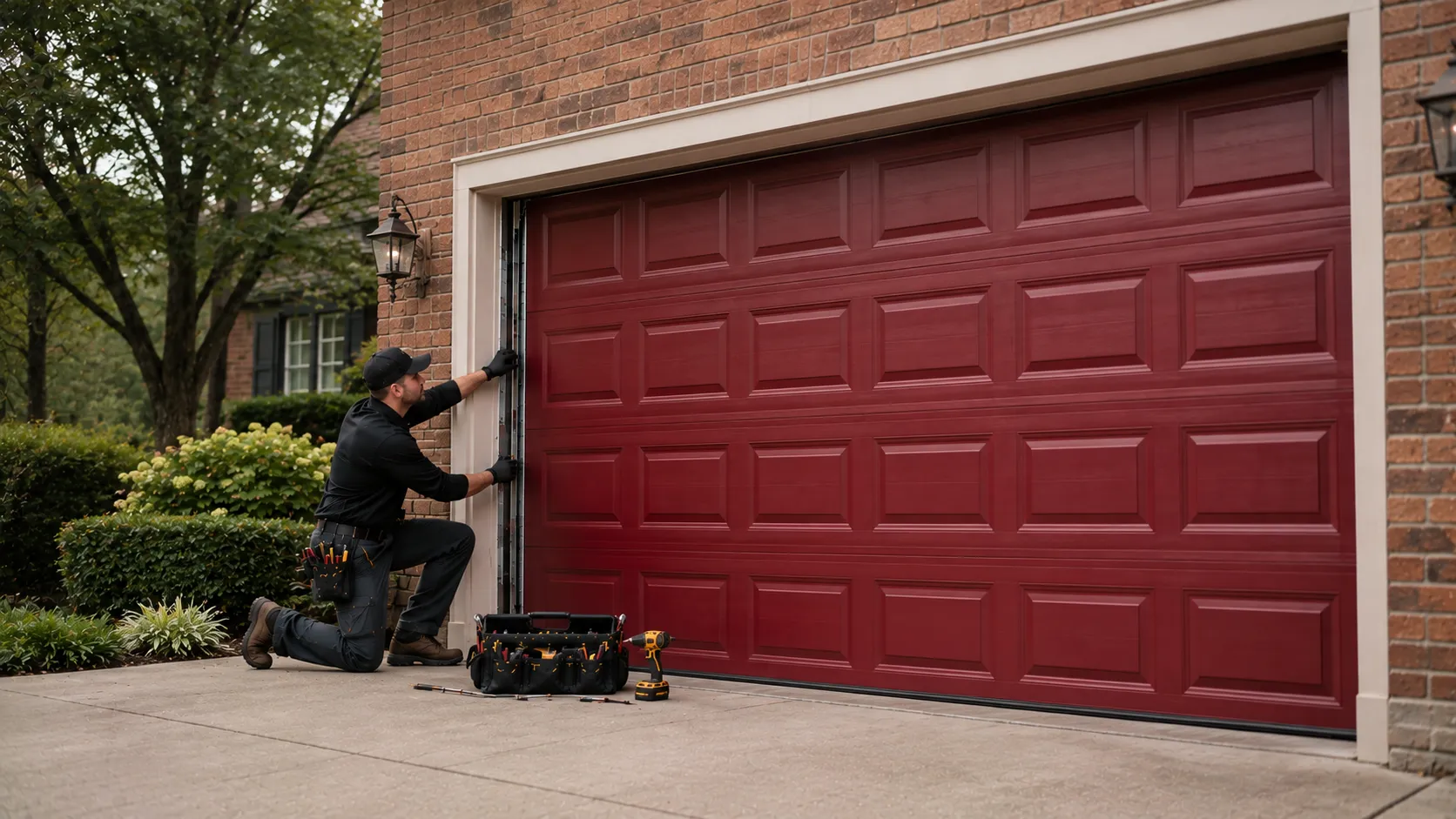
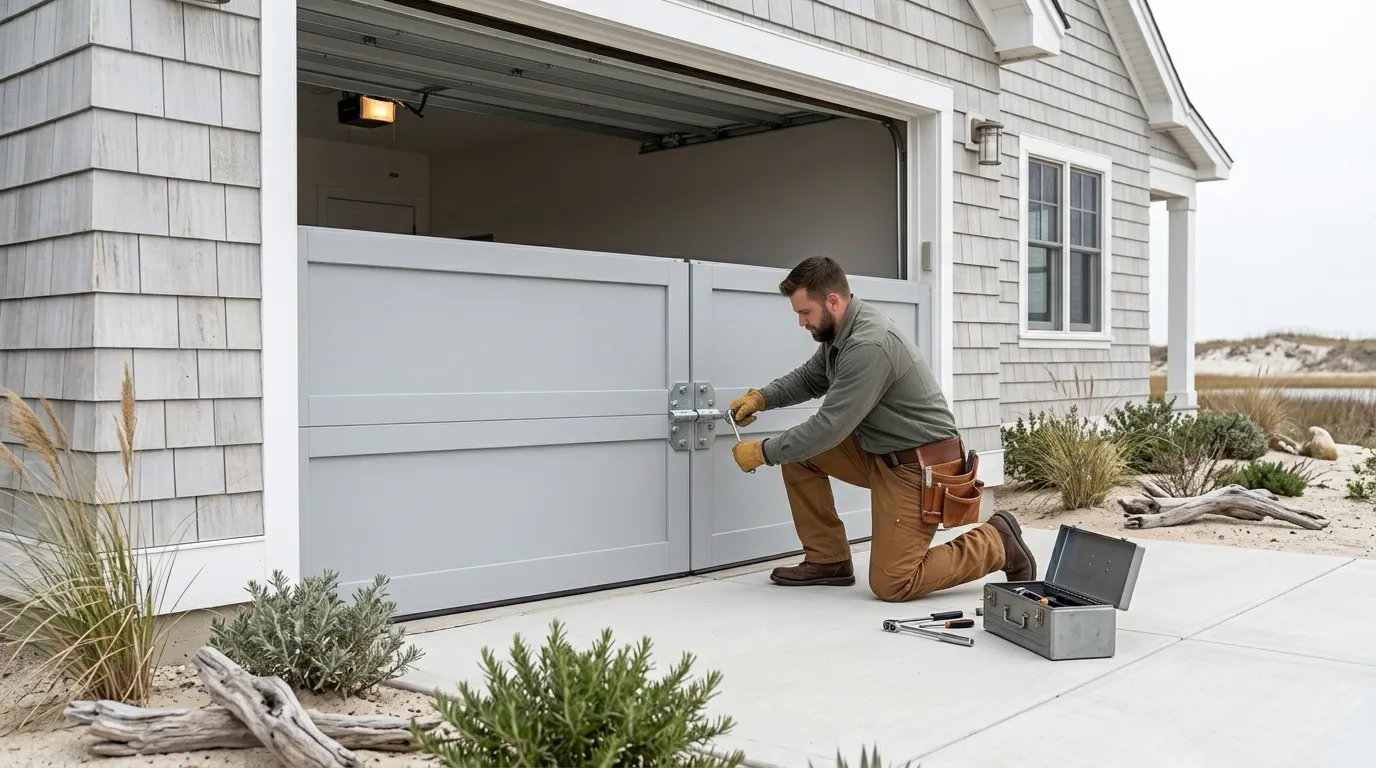
Most houses in Chino Valley went up between 1987 and 1999, with the local median landing right at 1999 itself. That's a narrower, later window than a lot of the surrounding service area, which skews closer to 1992. What that means on the ground: original openers here are more likely to be the mid-90s chain-drive units built for lighter, non-insulated steel doors. Owners usually call us for one of two reasons - the opener won't lift the door past halfway anymore, or it's grinding through a full cycle instead of the quiet run it used to have. Both point to a motor and drive system sized for a door that's since been swapped for something heavier, or a unit that's simply worn past its gear life. We also see homeowners who've added a second layer of insulation to an original panel door without ever checking whether the opener can still handle the added weight - it usually can't, not for long.
Stocked Parts
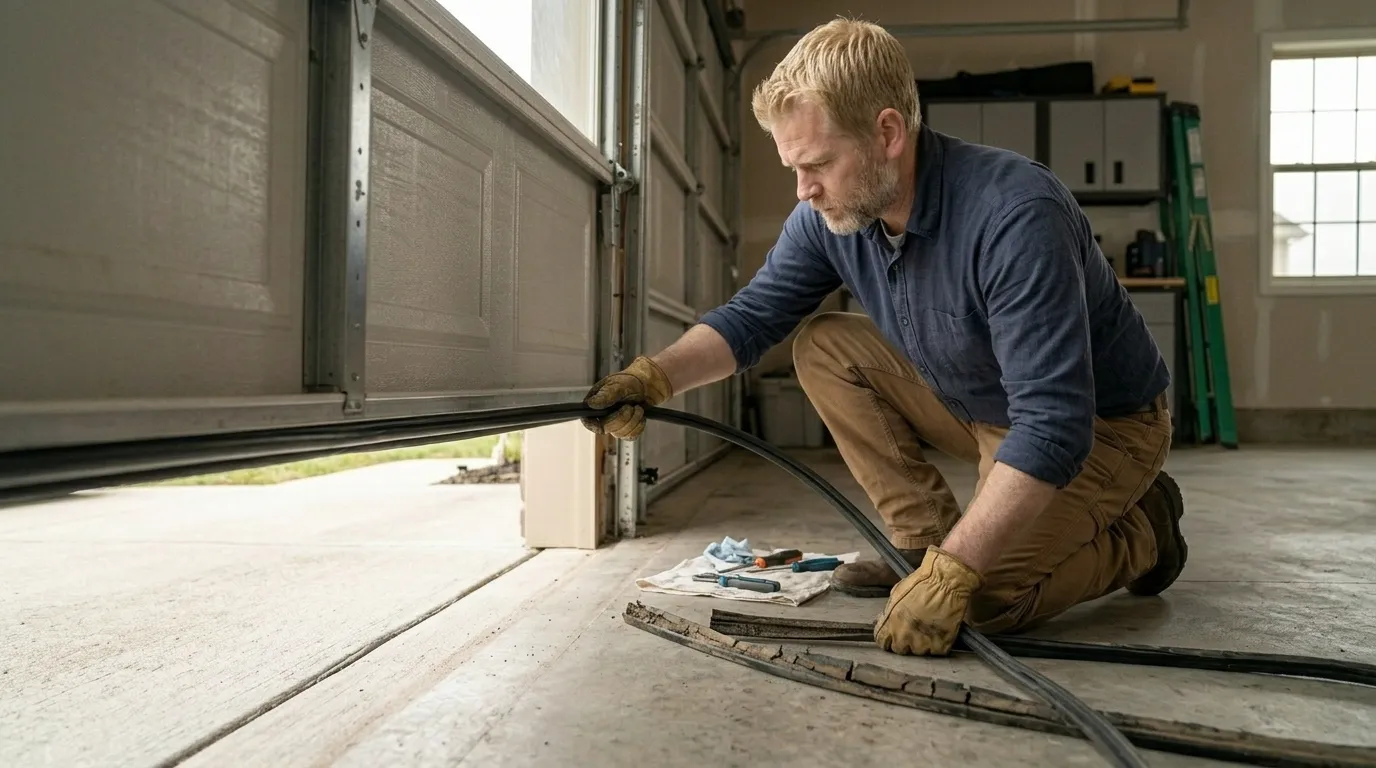
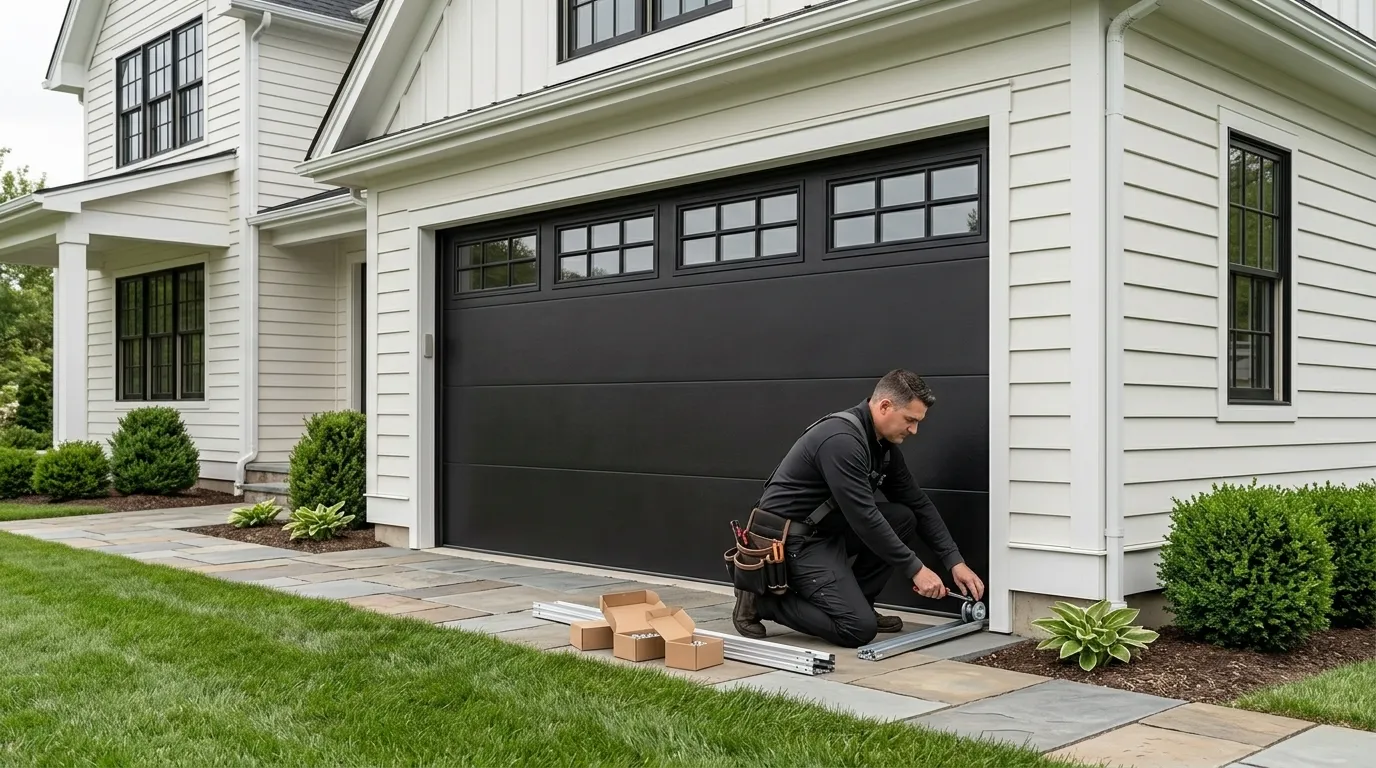
We carry belt-drive and chain-drive openers in the horsepower ranges that fit both the original panel doors from the late 80s and 90s and the heavier insulated replacements owners have put in since. We also stock the mounting brackets and rail adapters that late-90s framing typically needs, since factory brackets from that era rarely bolt straight onto a current opener without one. Safety sensors, wall consoles, and standard remotes come on the truck as a matter of course. What we don't carry on every run is a part for a discontinued opener model - if the unit on the ceiling is a brand that stopped making replacement gears years back, we'll tell you that up front rather than order a part that may take weeks, and talk through whether a full swap makes more sense than a repair.
What Can Go Wrong
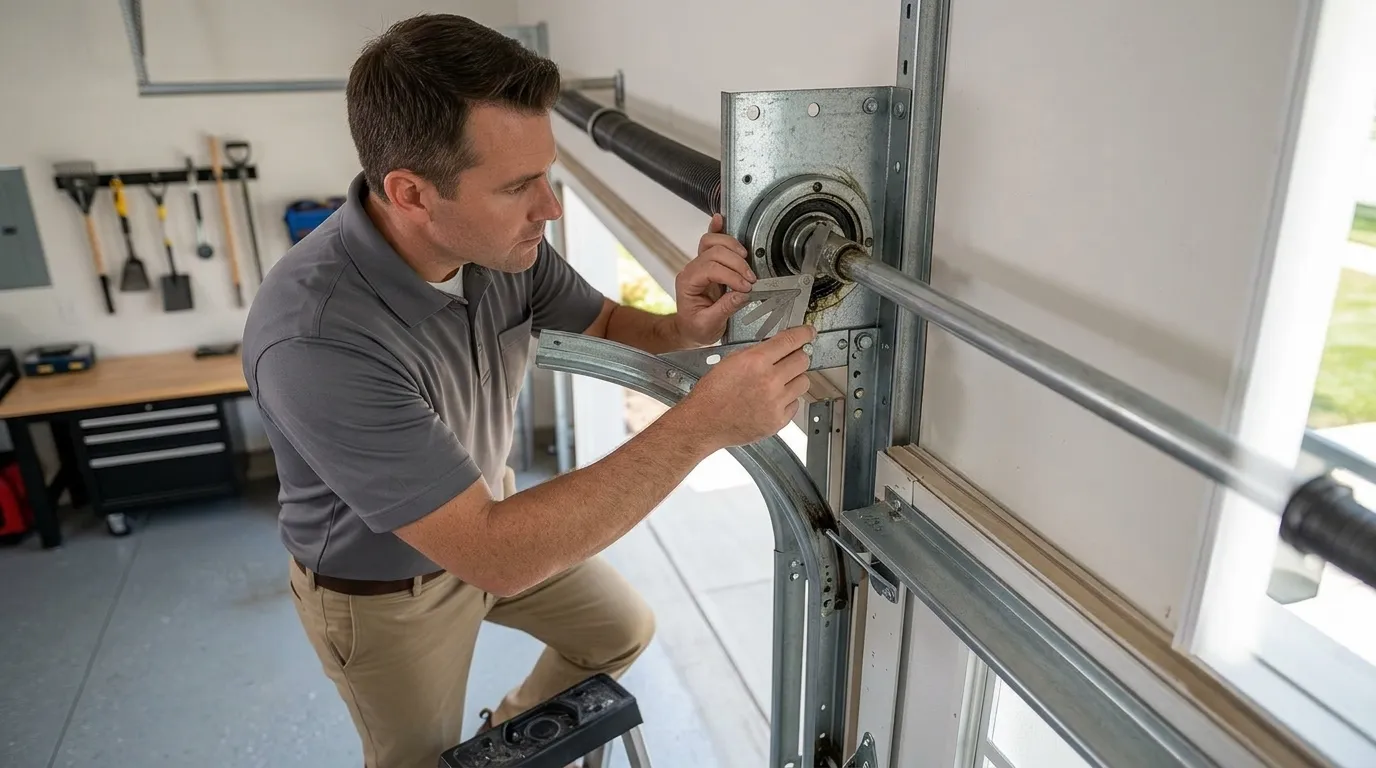
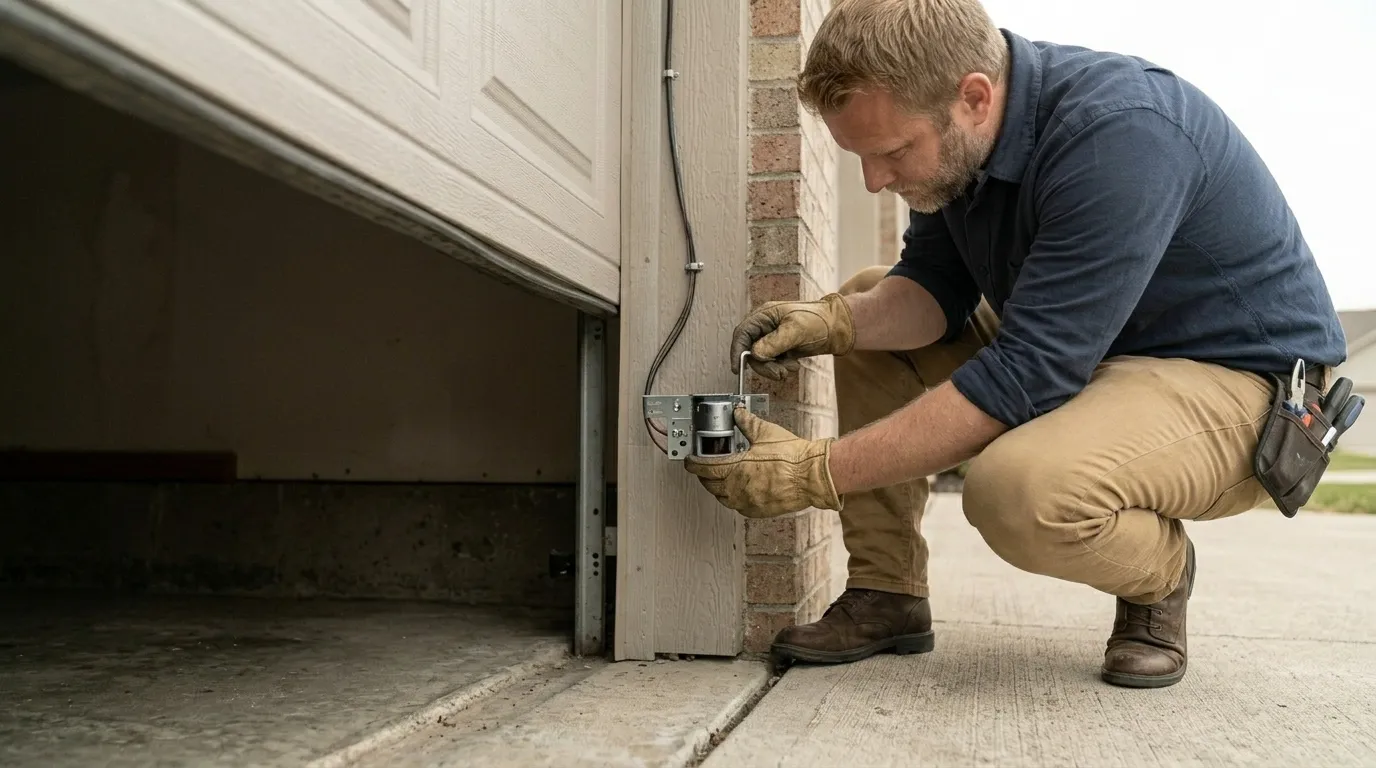
The most common issue on this era of house is an opener rated for a door that's since gotten heavier - an insulated replacement panel put on a chain-drive unit sized for the original lightweight door. That shows up as strain on the motor and a shortened gear life, sometimes within a year or two of the swap. Second is bracket mismatch: late-90s framing used mounting hardware that doesn't always line up with a current belt-drive rail without an adapter, and forcing it on anyway leads to rattling and eventual bracket failure. Third, and less obvious, is wiring - some houses from this build window still run the opener off a single outlet shared with other garage circuits, which trips breakers under load rather than pointing to the opener itself. We check the circuit before blaming the unit.
Why This Fails Locally
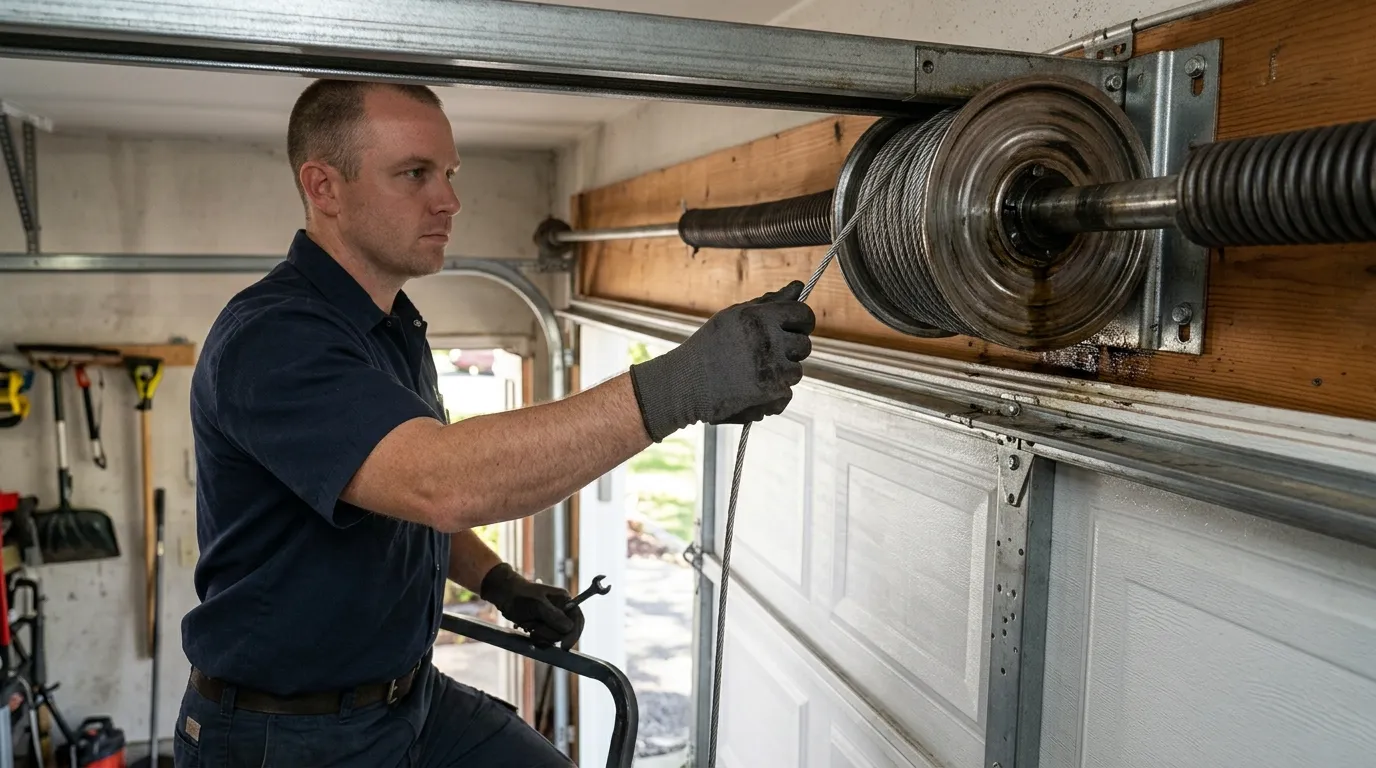
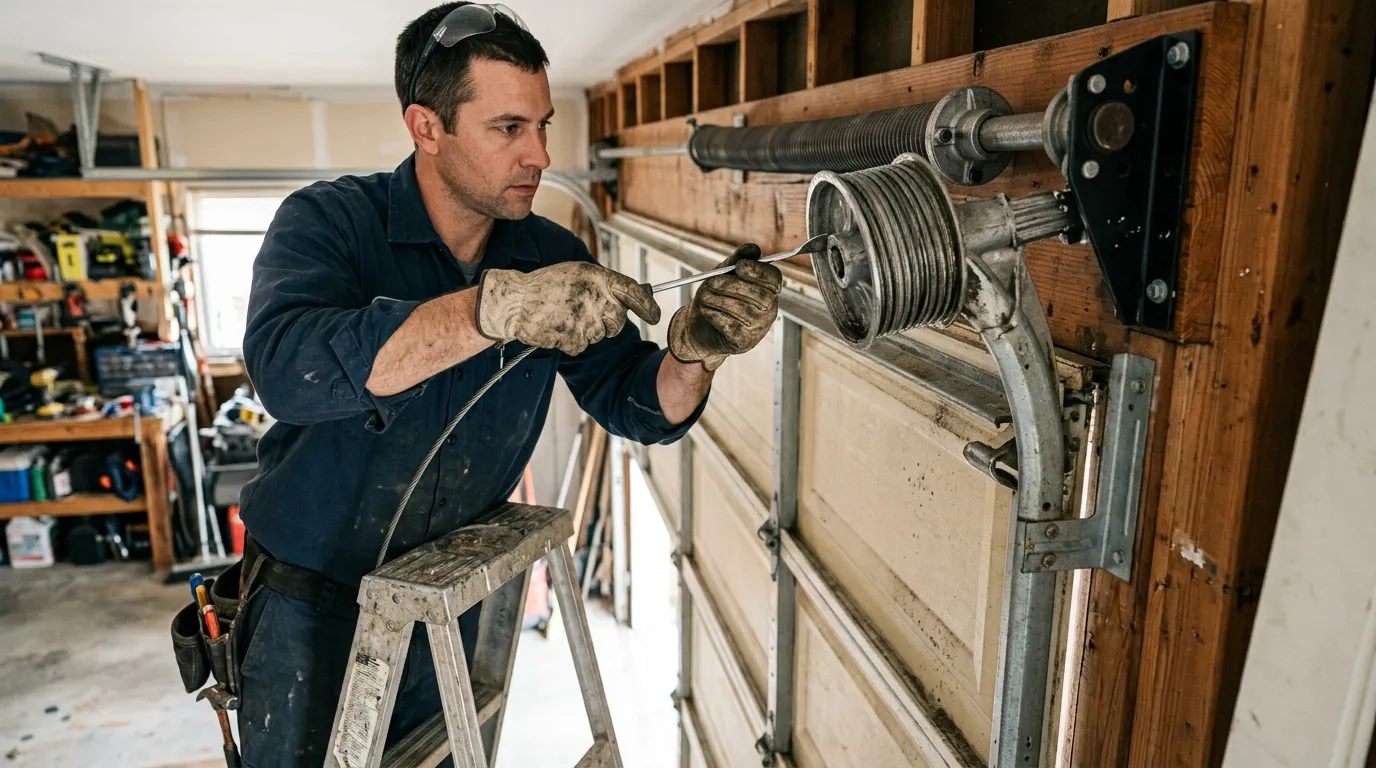
Chino Valley sits in the same cold-moderate climate band as the rest of the area we cover, and that matters more for openers than most owners expect - grease that's fine in summer thickens in a cold garage, and a motor already working against undersized gearing has to fight through that resistance on every cold start. At 5,657 households, Chino Valley is a smaller market than some of what's closer in to Prescott Valley, and we don't keep a branch or a stocked truck sitting out here - we drive the 11 miles out from Prescott Valley for every install, which we build into the appointment window rather than treat as an afterthought. One honest limit: if the opener issue traces back to a door that's badly out of balance, we'll say so and price the spring work separately, because a new opener bolted onto a door that isn't balanced right will just wear out again.