How It Shows Up
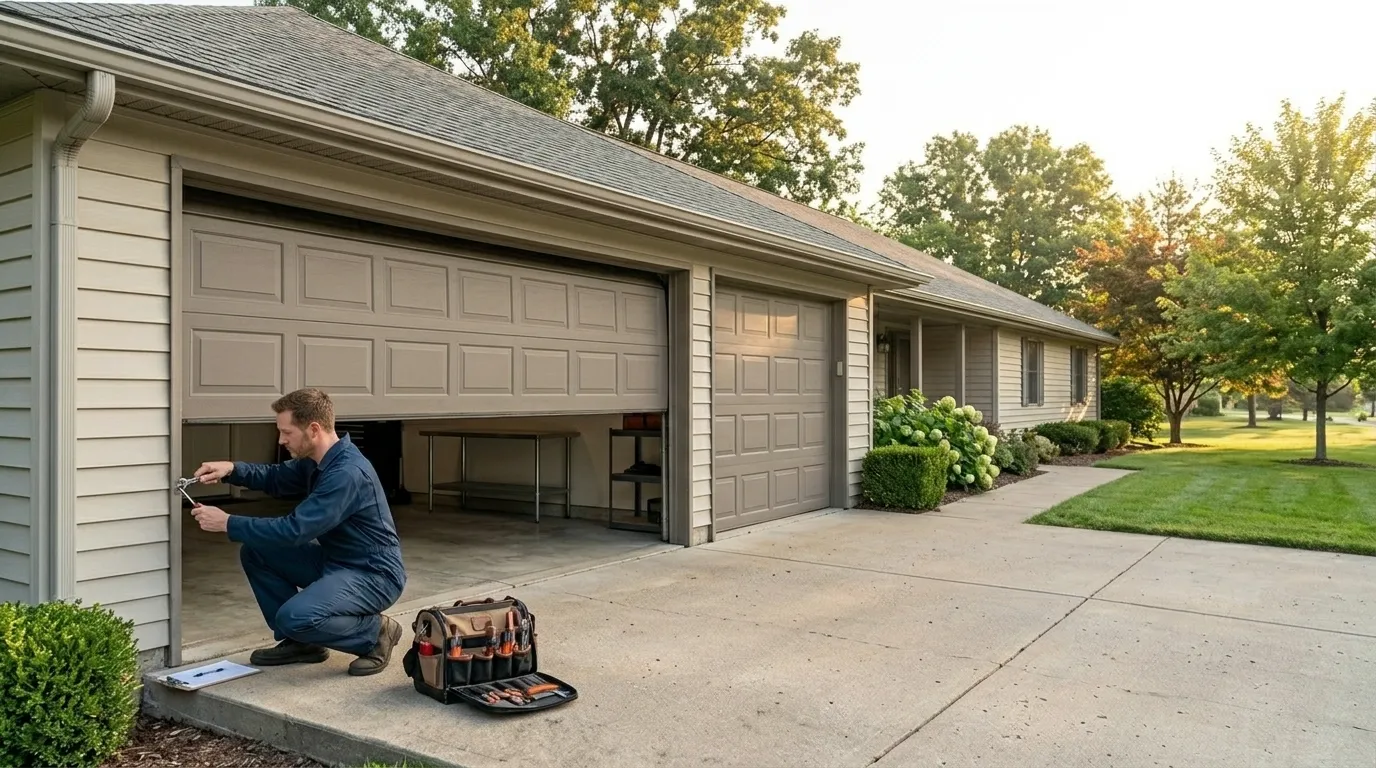
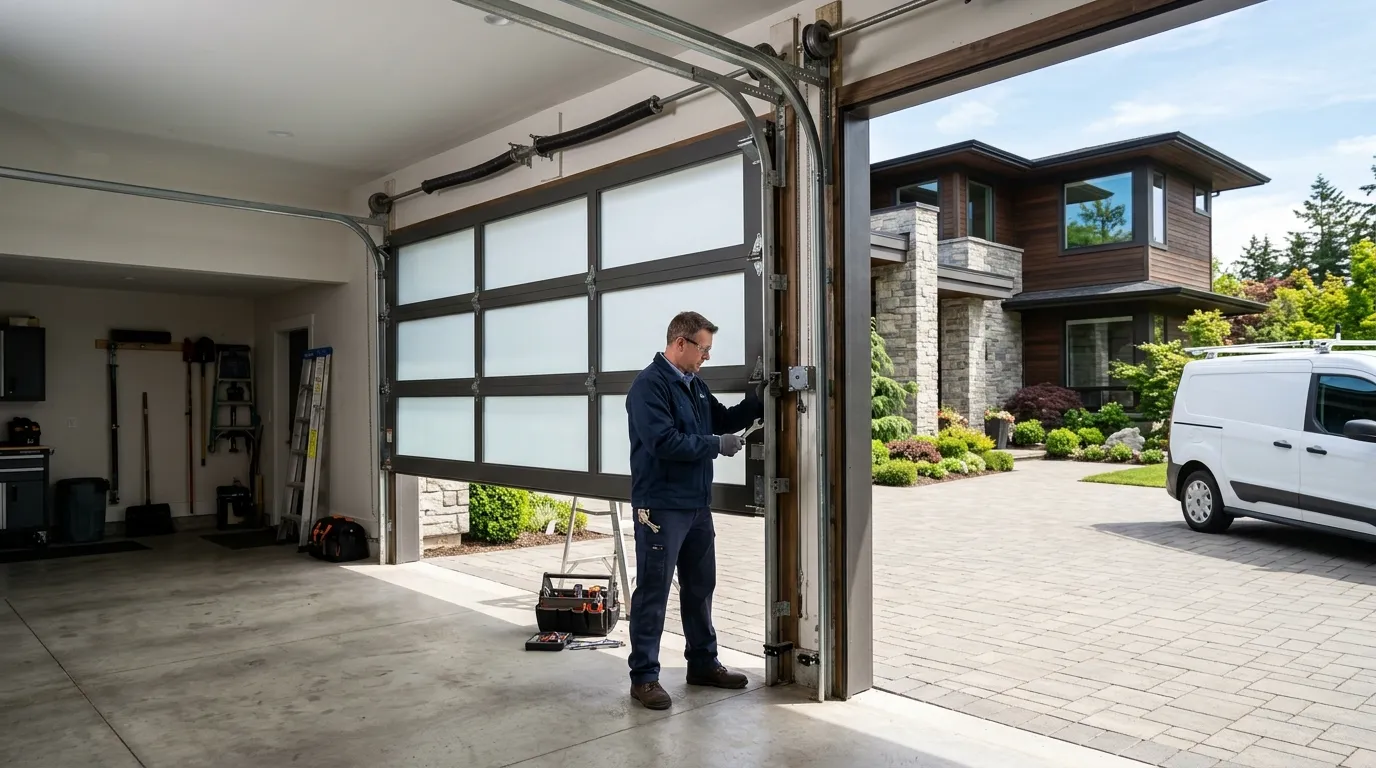
The call usually starts the same way: the door won't open, or it opens partway and stops, or the opener runs but the door doesn't move. Sometimes it's a light on the wall unit blinking a code nobody bothers to look up. Sometimes the remote just stopped working one day and the owner assumes it's the battery, then finds out it isn't.
Across this service area, a lot of these calls trace back to the same root cause: an opener that's original to the house, or close to it. Housing here was mostly built between 1987 and 1999, with the typical build year landing around 1992. That means a big share of openers still in service are chain-drive units from that first wave - mechanical gears, older logic boards, single-frequency remotes that don't talk to newer keypads or smart-home add-ons.
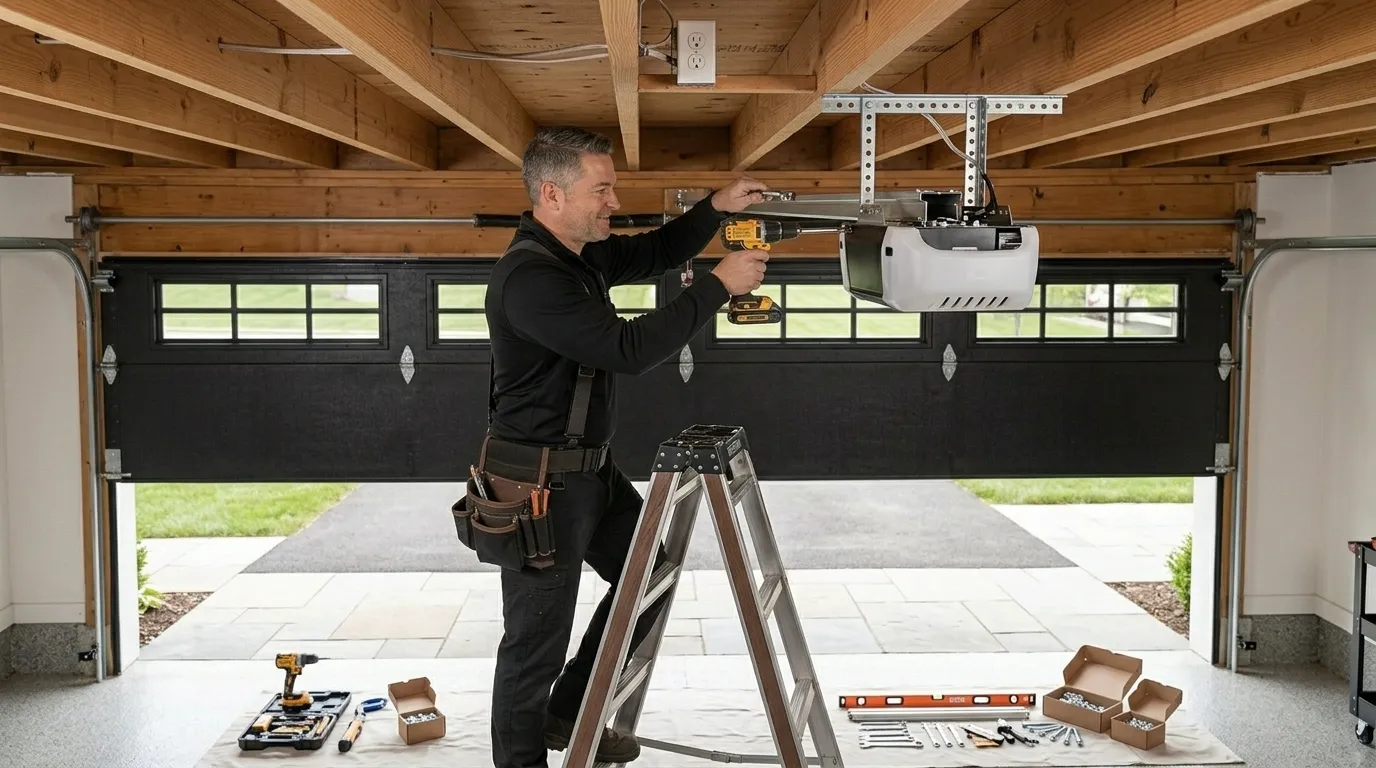
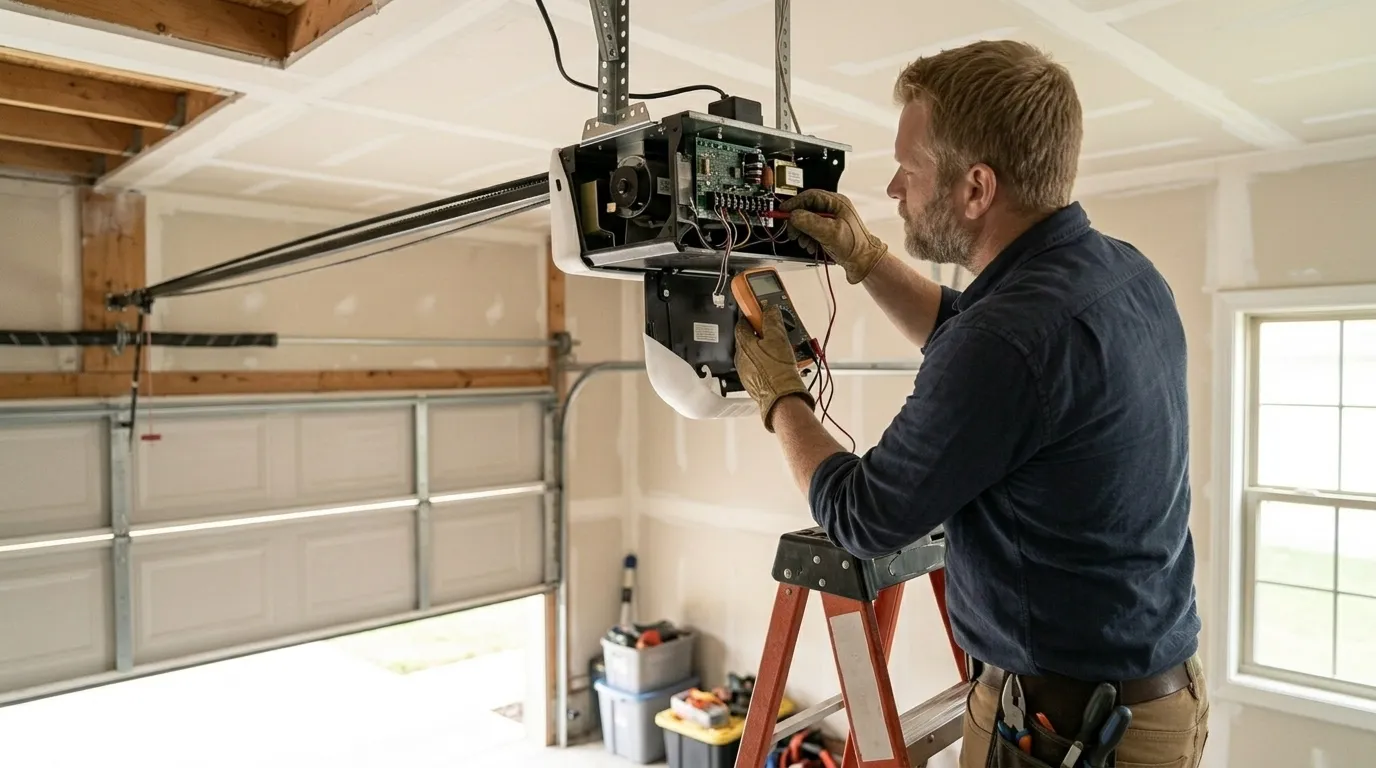
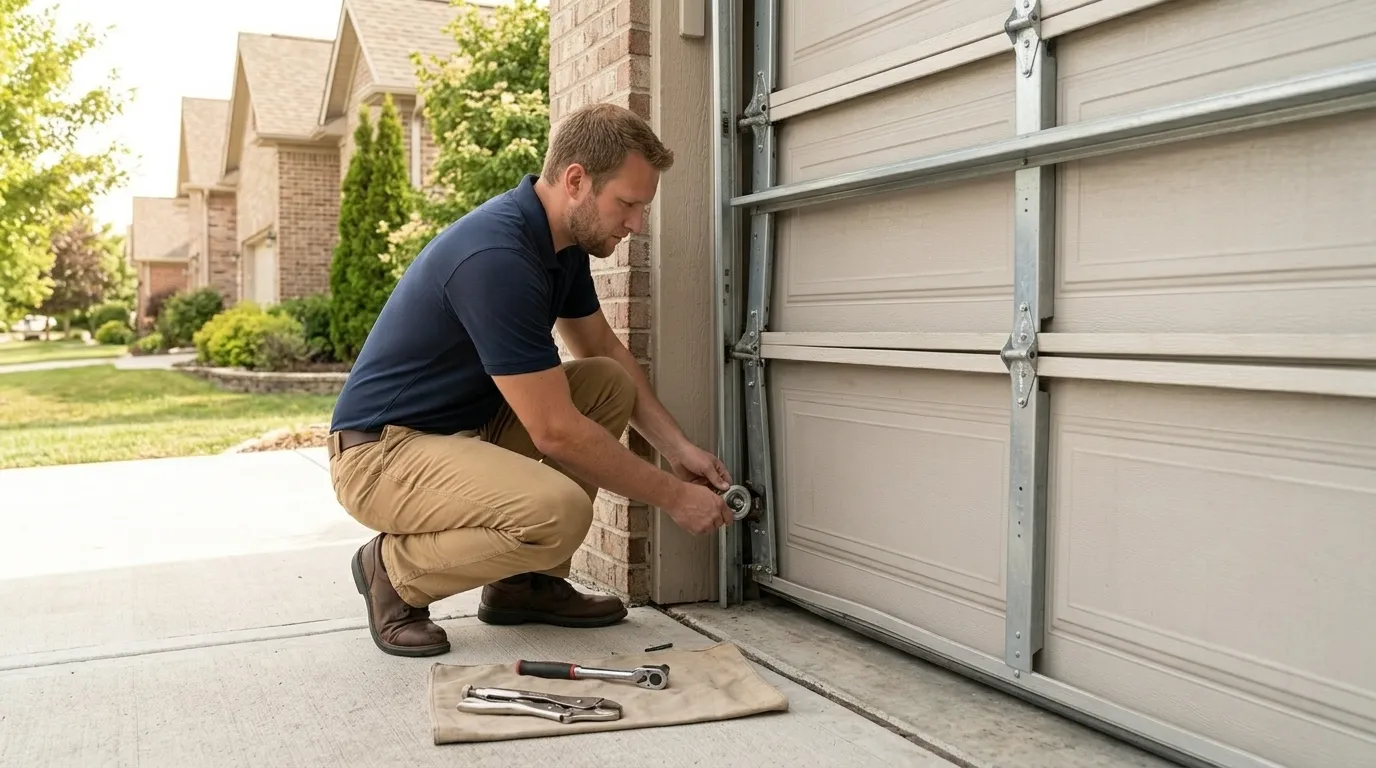
When one of these fails, it's rarely one thing. The gear kit strips, the capacitor in the motor gives out, and the safety sensors - if the unit even has working ones - go out of alignment at the same time. Homeowners often think they need a repair. Most of the time, at that age, they need a new unit.
Why This Fails Locally
This isn't a general garage door problem - it's specific to what's sitting in garages here. With roughly 8,835 owner-occupied houses across the service area, and most of that stock built in the same 1980s-to-90s window across five named areas, a large number of openers are now thirty-plus years old and running on hardware nobody manufactures parts for anymore.
Add the climate. This area sits in a cold-moderate band, which means real winter temperature swings, not desert-only heat. Openers built in the 90s weren't engineered with today's cold-rated lubricants or sealed gear housings. Repeated freeze-thaw cycles dry out the grease in an aging gear kit, stiffen belt-drive units that were never meant for cold starts, and put extra load on a motor that's already worn.
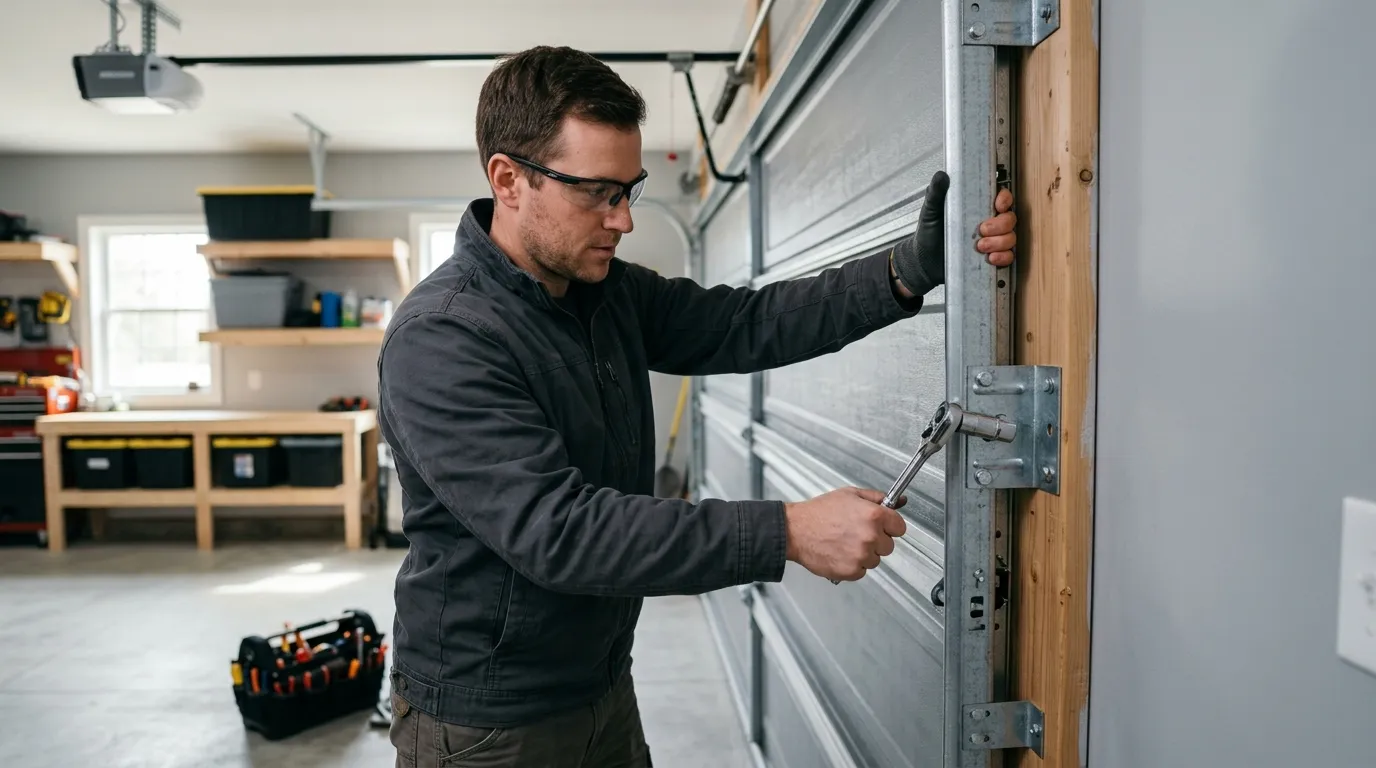
The result is a fault pattern that repeats house after house in this area: strained motors, stripped gears, and sensors that drift out of alignment as the unit ages and the seasons change. It's not bad luck. It's a predictable outcome of installing 1990s-era openers in houses that see real winter.
The Cost of This Job
We don't post a flat number here because opener installs vary by unit type, whether the existing rail and bracket can be reused, and whether the old wiring and sensors need replacing along with the motor. What we can say is who's calling: at a median household income of $59,733 across this service area, most owners aren't replacing an opener as an upgrade - they're replacing it because it stopped working and they need the door usable again.
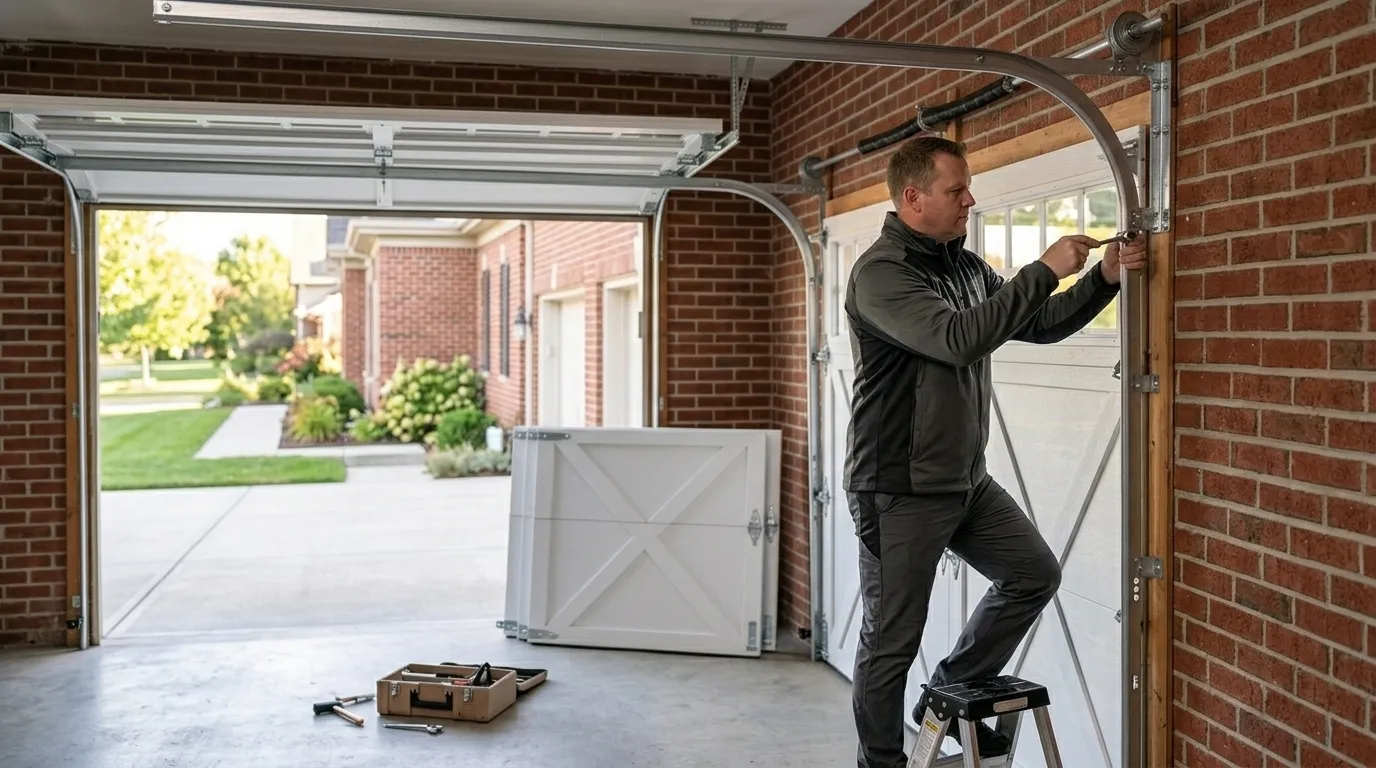
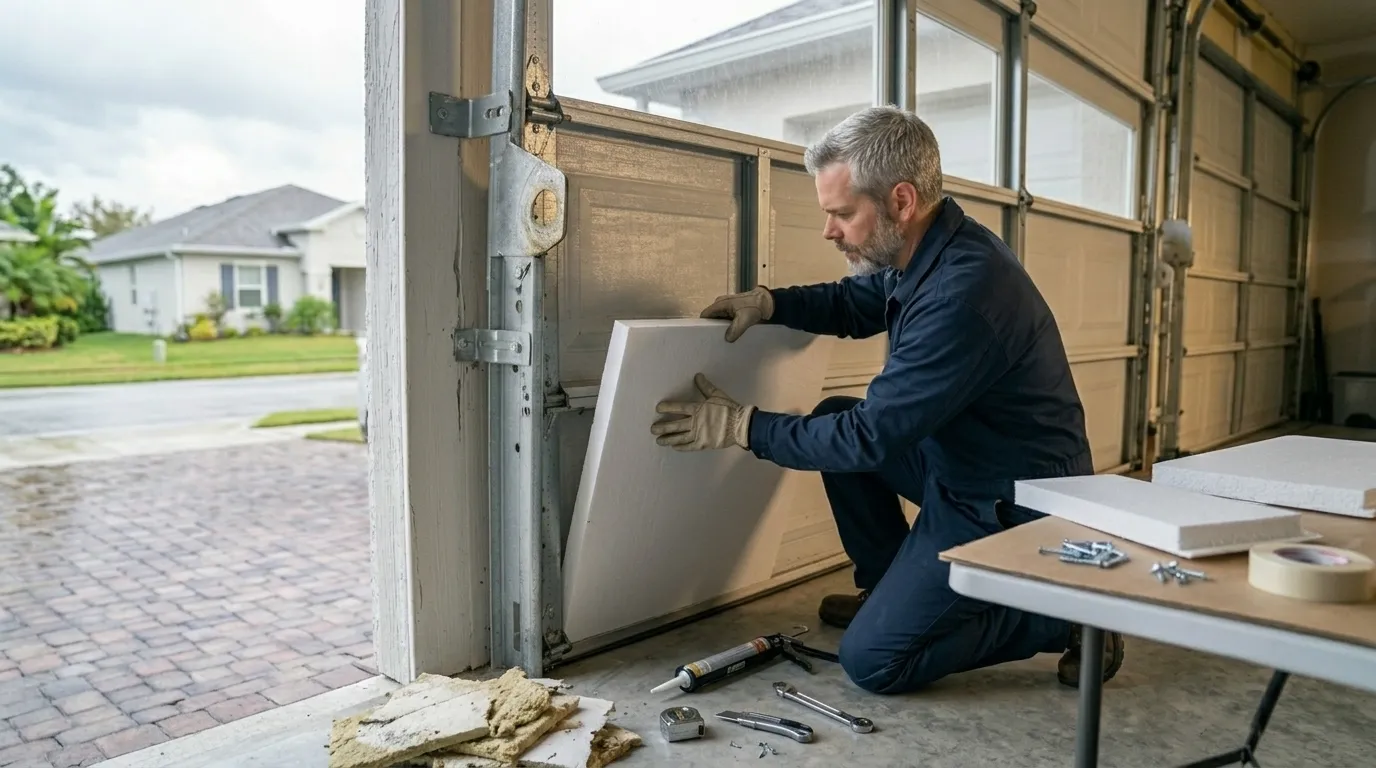
That shapes how we quote the job. We look at what's salvageable - rail, bracket, wiring - before we price a full teardown, because reusing sound hardware from a 1990s-era install is often cheaper than replacing it. Ask for a number on-site and we'll walk you through what drives it up or down before we start.