How It Shows Up
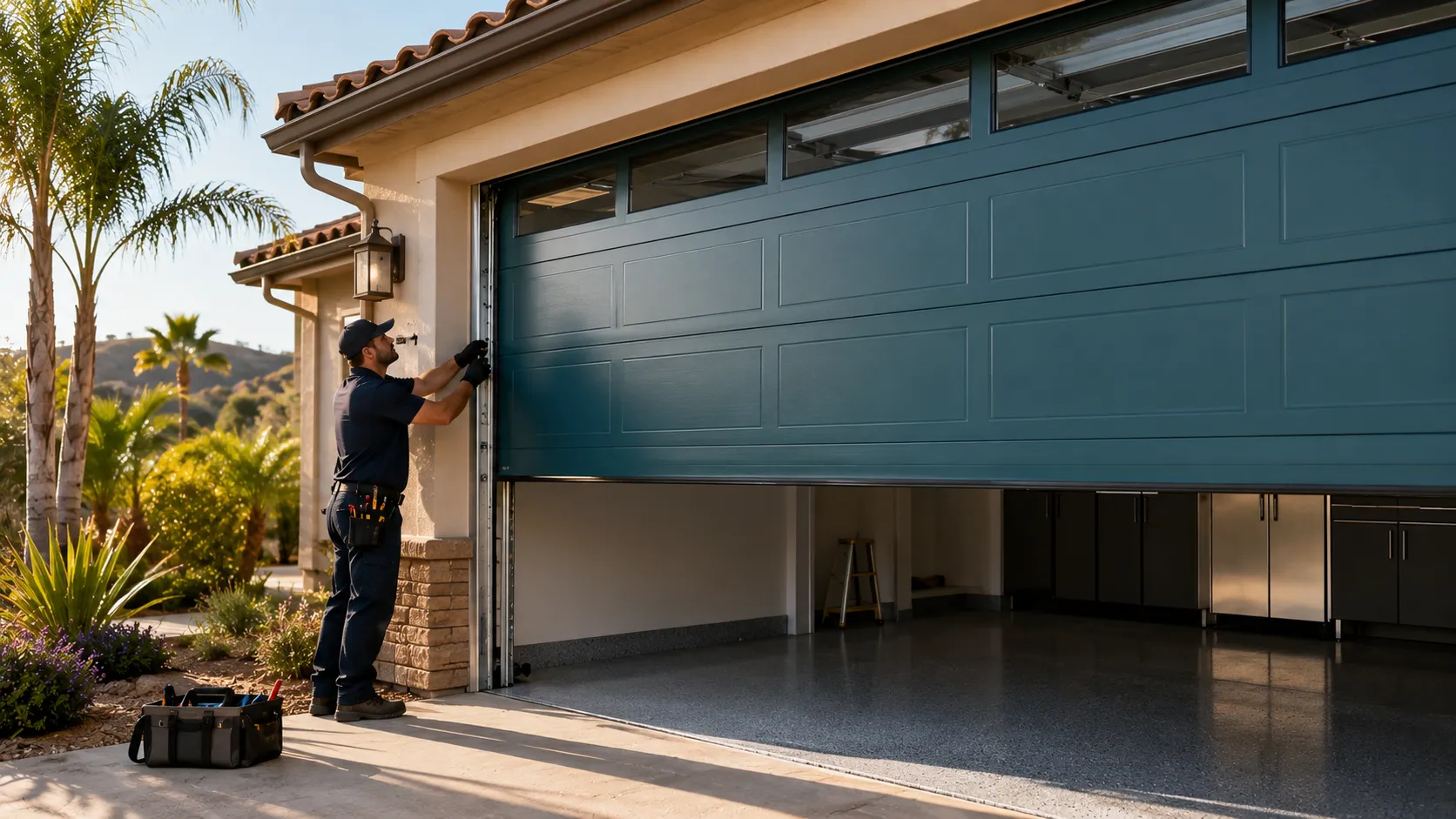
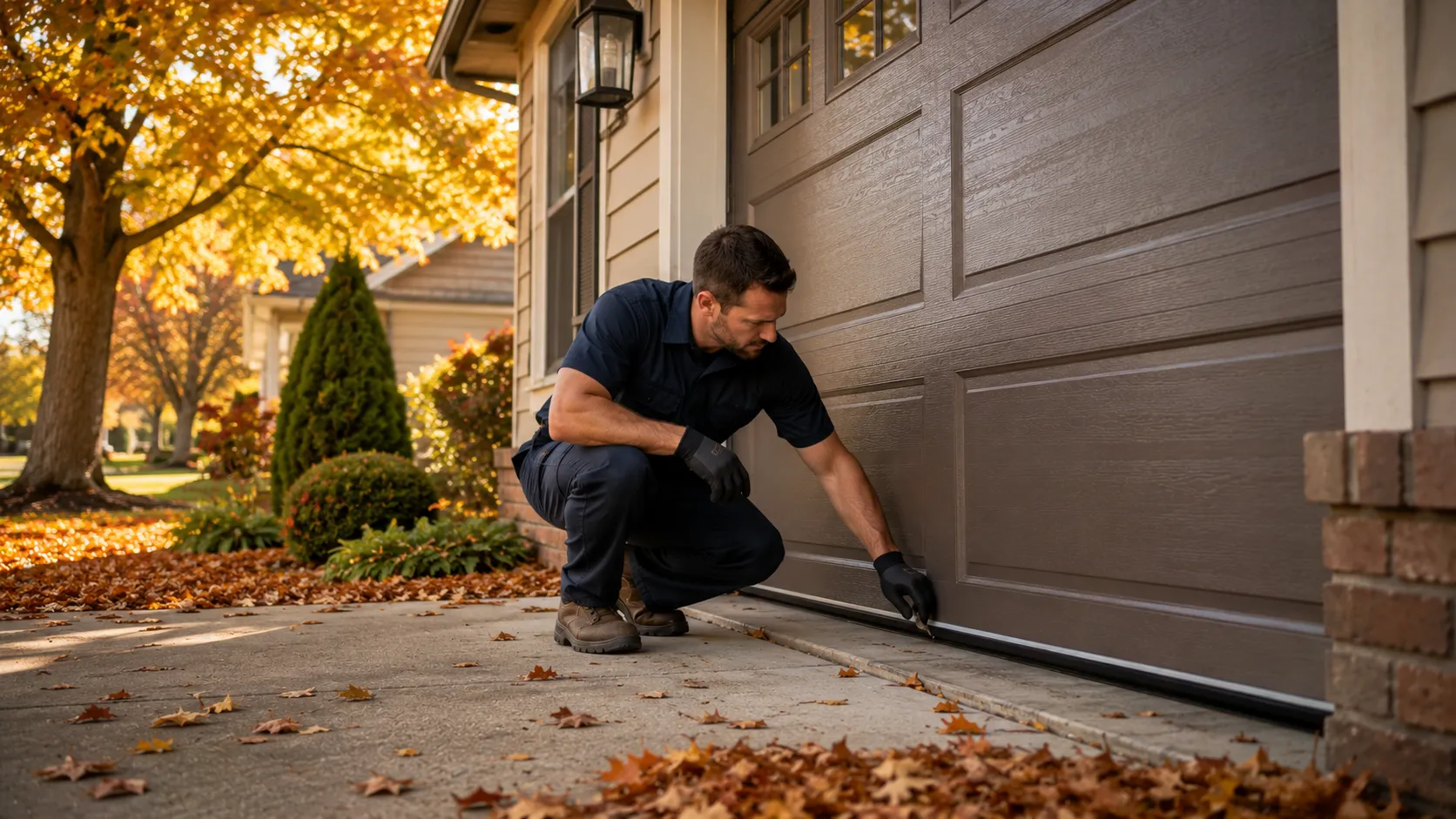
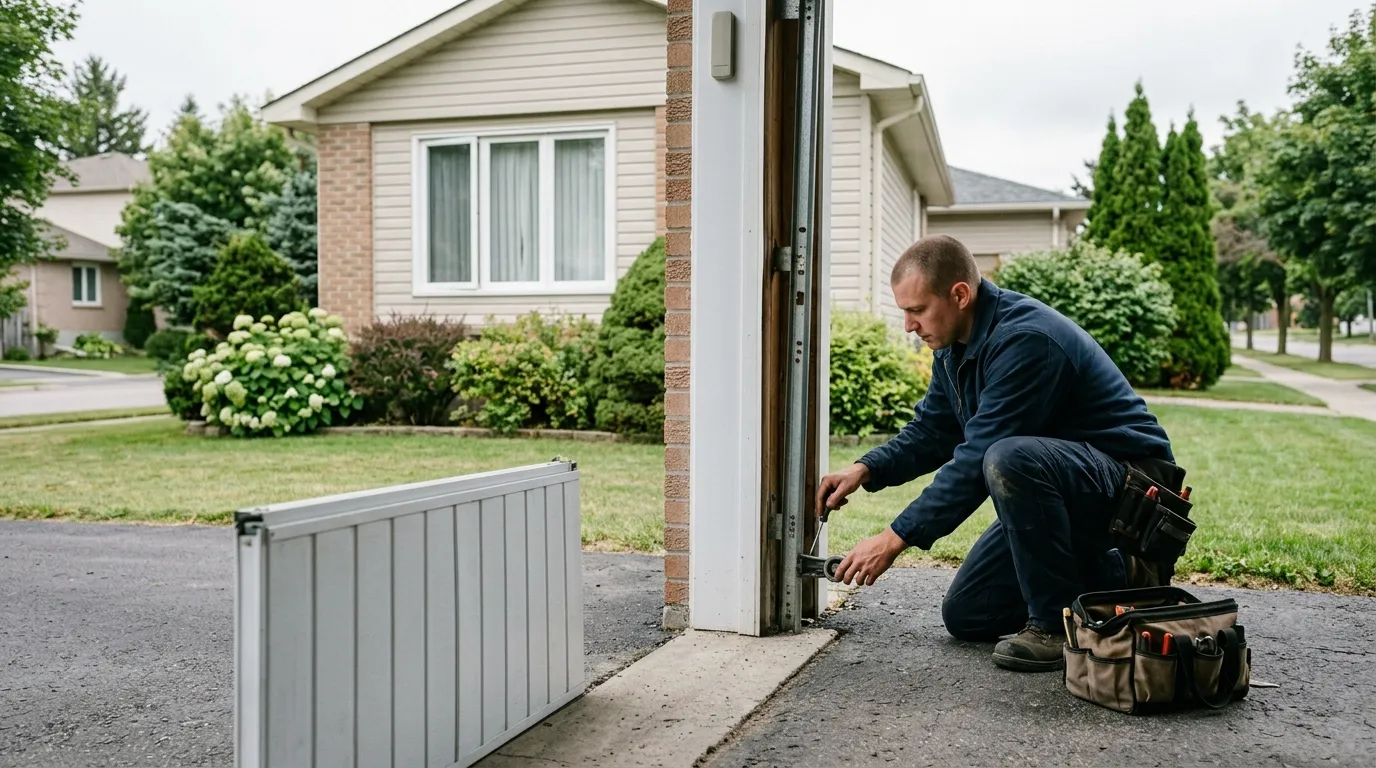
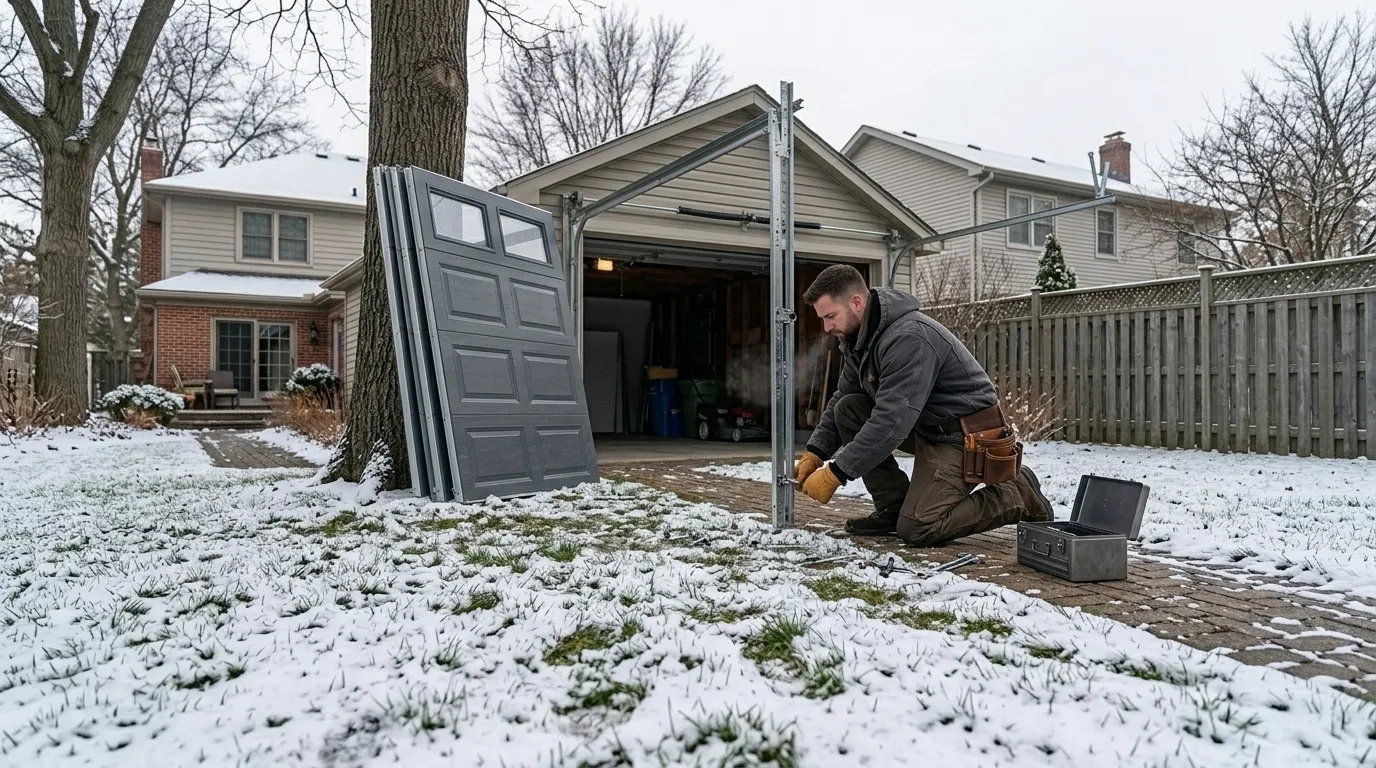
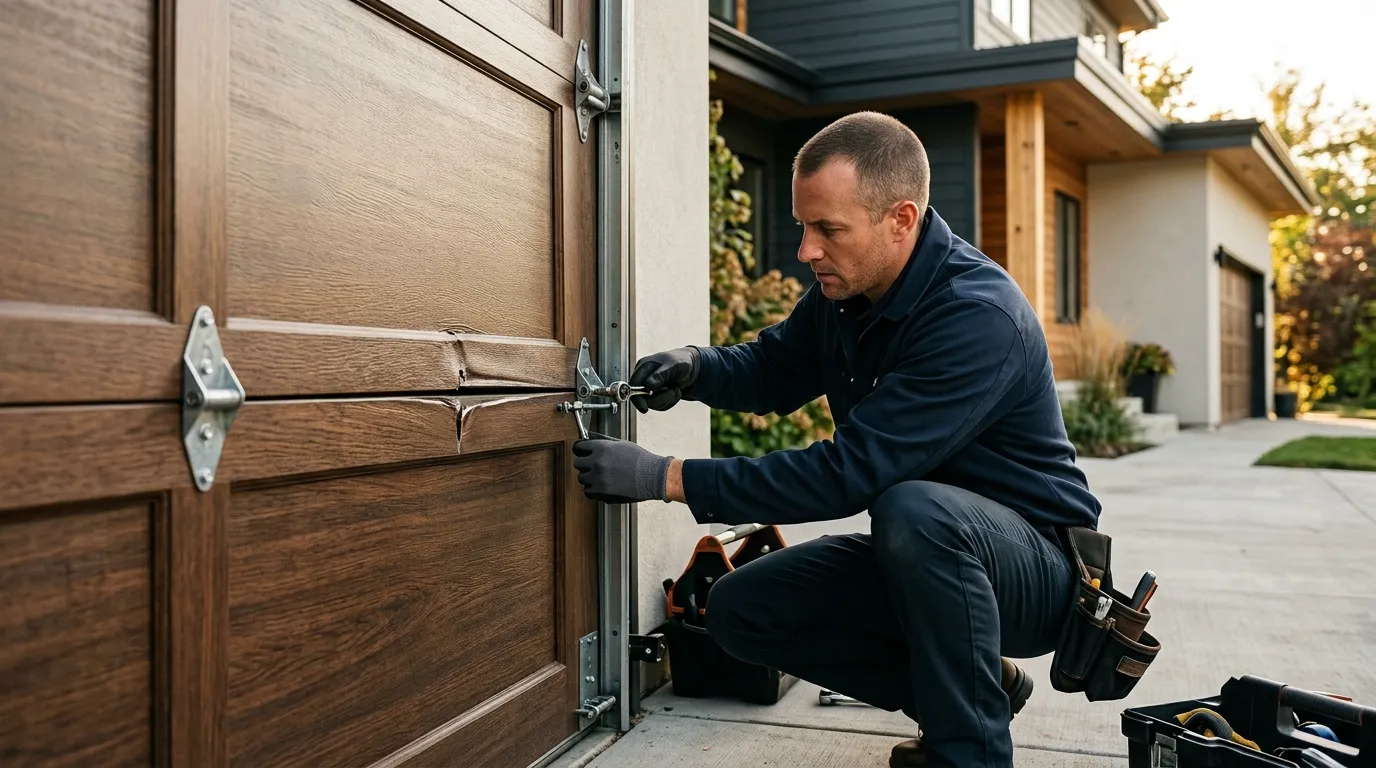
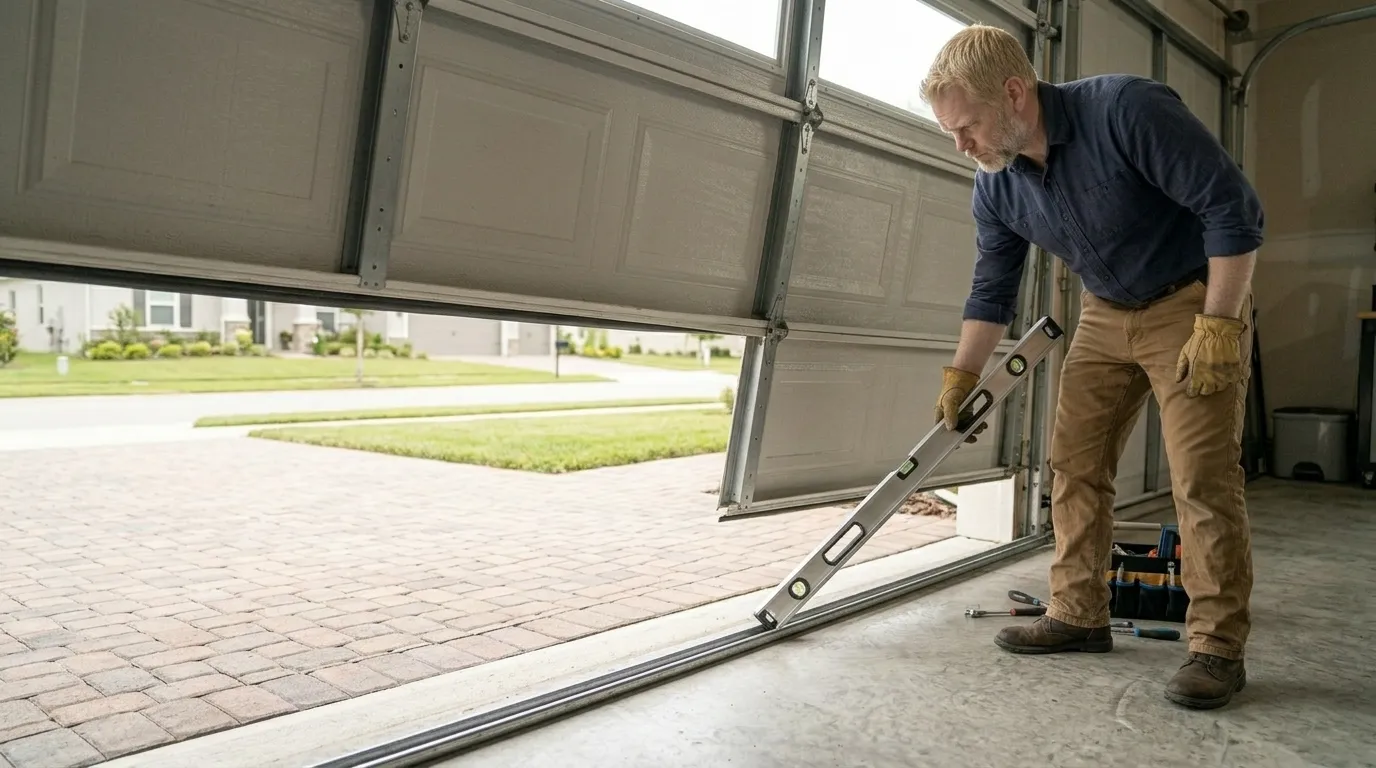
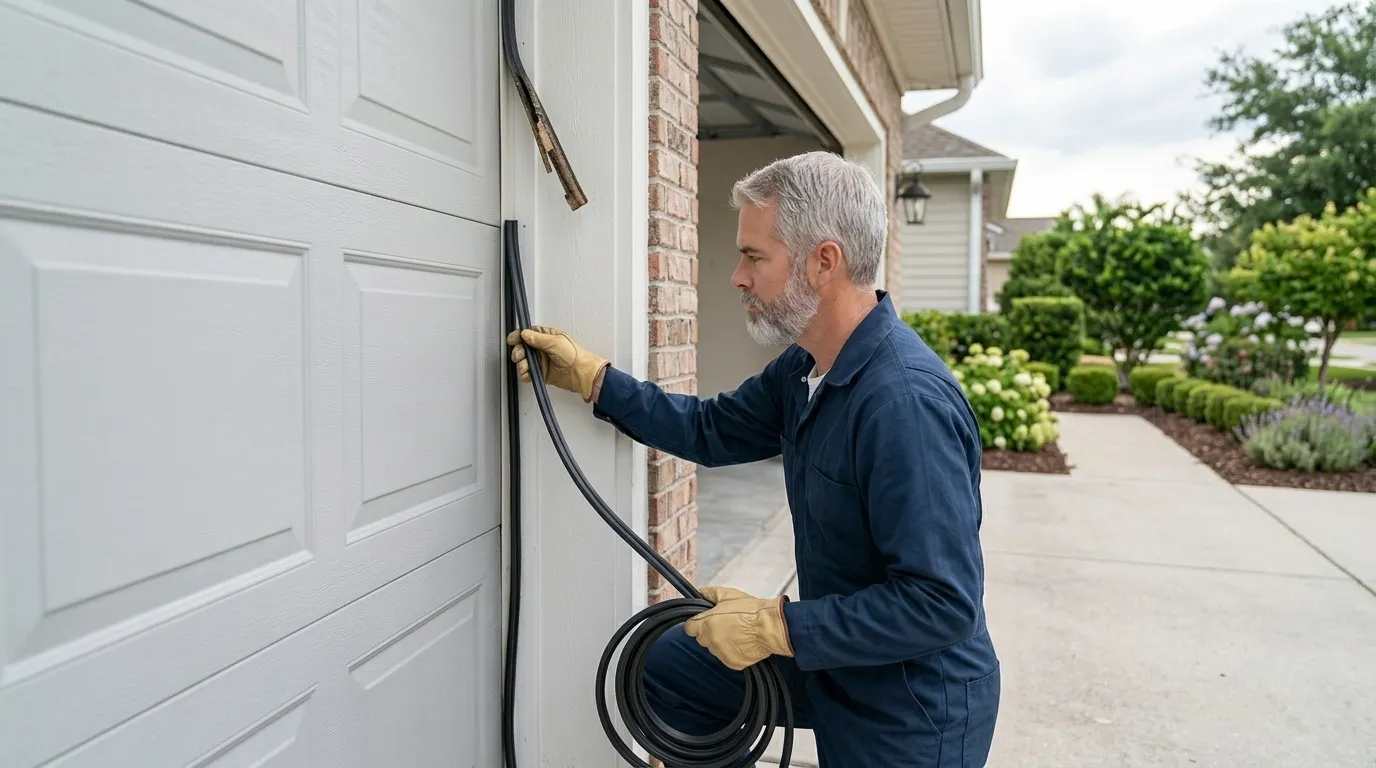
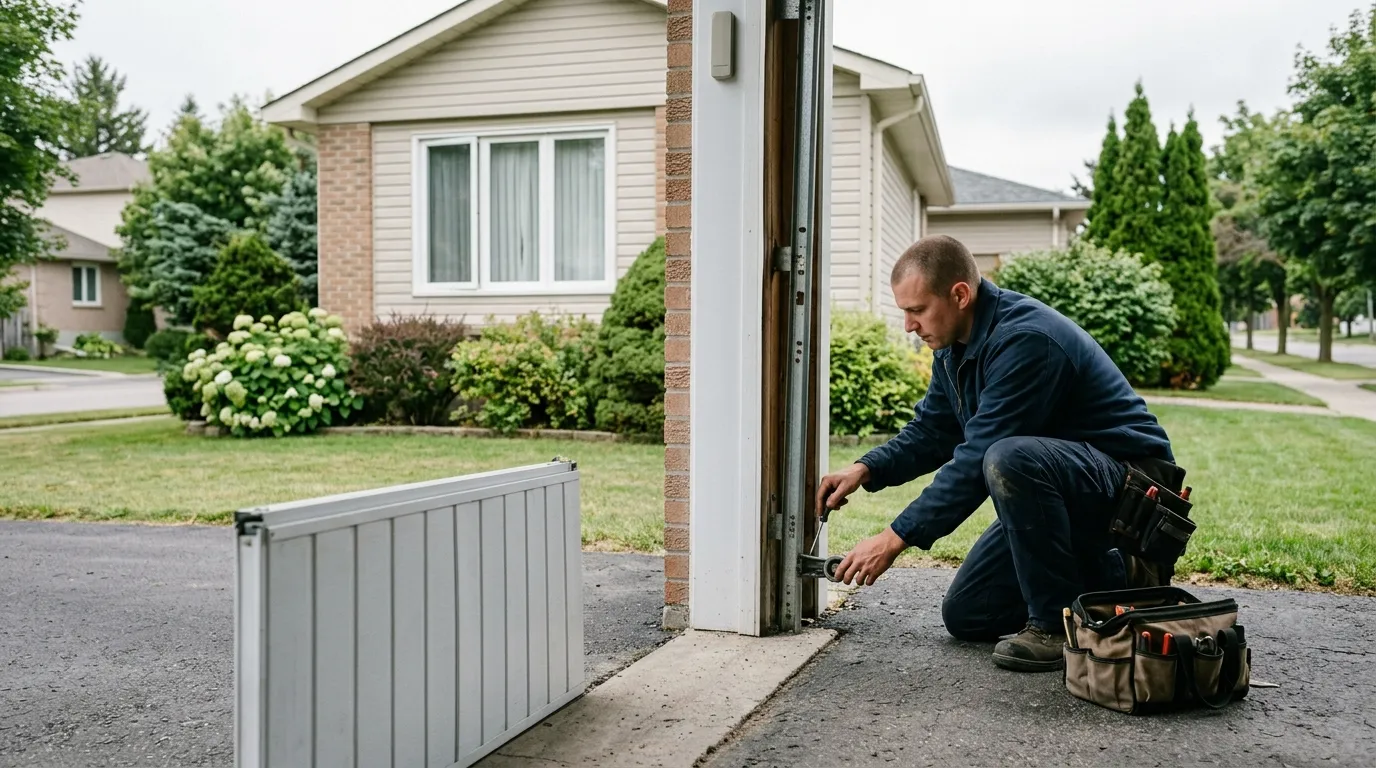
A door off track almost never happens all at once. It starts with a thump on the way up or down, a roller that catches instead of rolling, or a panel that sits crooked in the opening when the door's shut. Sometimes one side of the door hangs lower than the other, and the bottom corner scrapes the track instead of gliding through it.
Most of the calls we get for this start with someone noticing the door binding partway through a cycle, then trying to force it with the opener a few more times before it finally pops loose or jams solid. By the time it jams, a roller has usually already split, or a track bracket has worked itself loose from the framing.
In Prescott Valley, we see this most on doors original to houses built between 1987 and 1999 - that's the bulk of the stock across this service area. Those doors have had three decades of cycles on the same rollers and the same bracket hardware, and a lot of that hardware was never upgraded when the opener was replaced. The door looks fine sitting still. It's the motion that gives it away.
Why This Fails Locally
This area runs a cold, moderate climate - real temperature swings between summer afternoons and winter nights, season after season. Steel track expands and contracts with that swing, and so do the lag bolts holding the brackets into the wood framing. Over enough cycles, the fasteners back out a turn at a time. You don't see it happen. You just eventually get a door that walks off the rail because the track isn't sitting where it was installed.
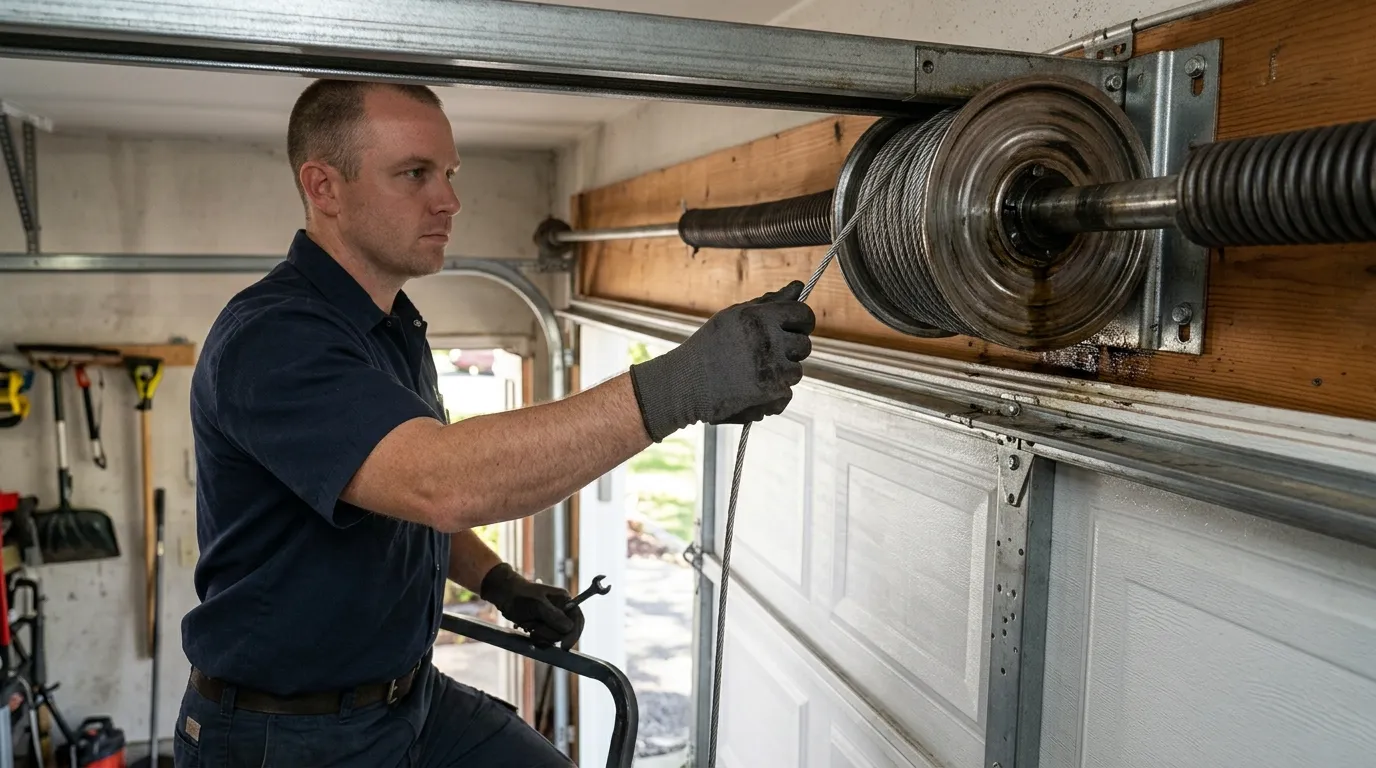
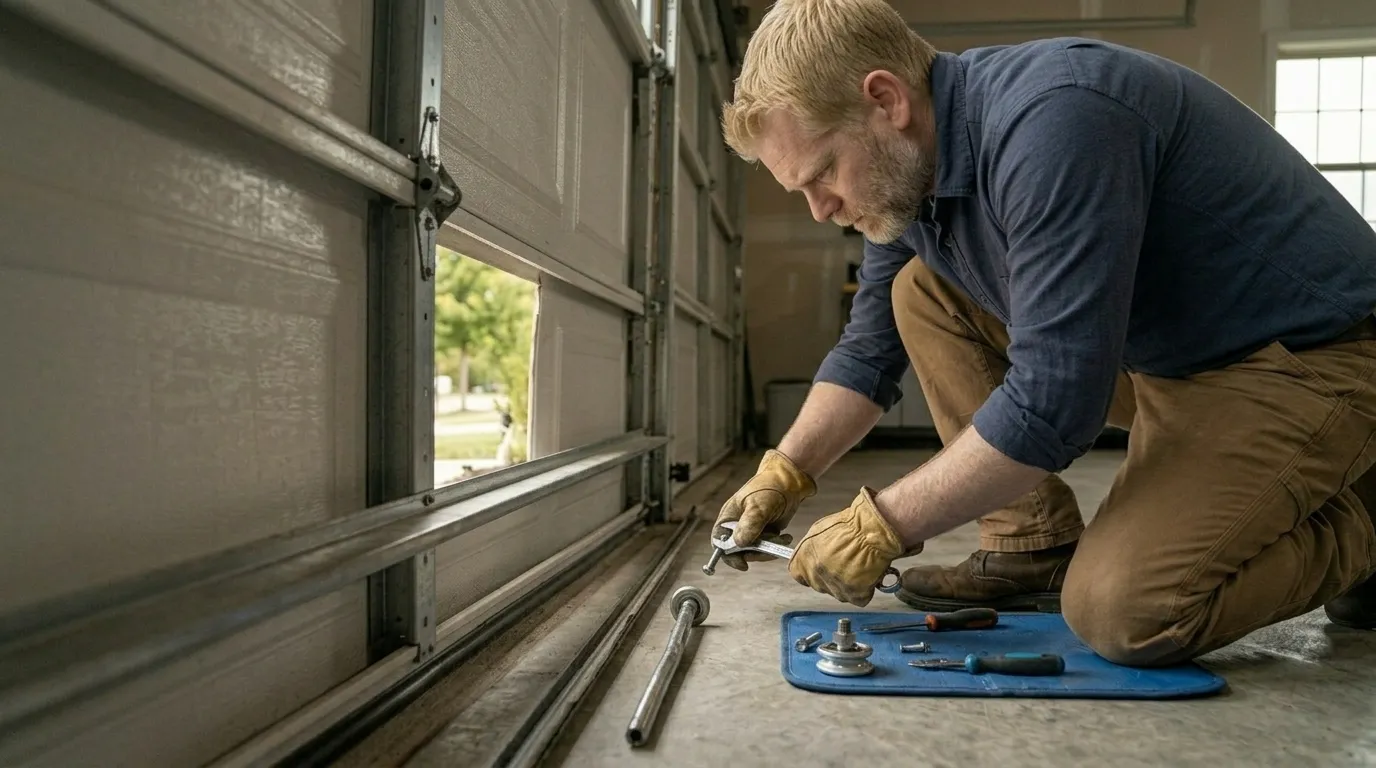
Housing across this service area is mostly 1980s and '90s construction, and that generation of garage door hardware wasn't built for a 30-plus year service life without adjustment. The rollers are usually the original stamped-steel type, not sealed ball-bearing units, so they wear an oval groove into themselves rather than staying round. An oval roller doesn't track straight - it hunts side to side in the channel until it jumps out.
Add a bent track from a bumped car or an off-balance spring pulling one side harder than the other, and a door that's been marginal for months finally comes off the rail on a cold morning when the metal's contracted tight. This isn't a Prescott Valley design flaw. It's the arithmetic of this era of hardware meeting this climate, year after year.
The Cost of This Job
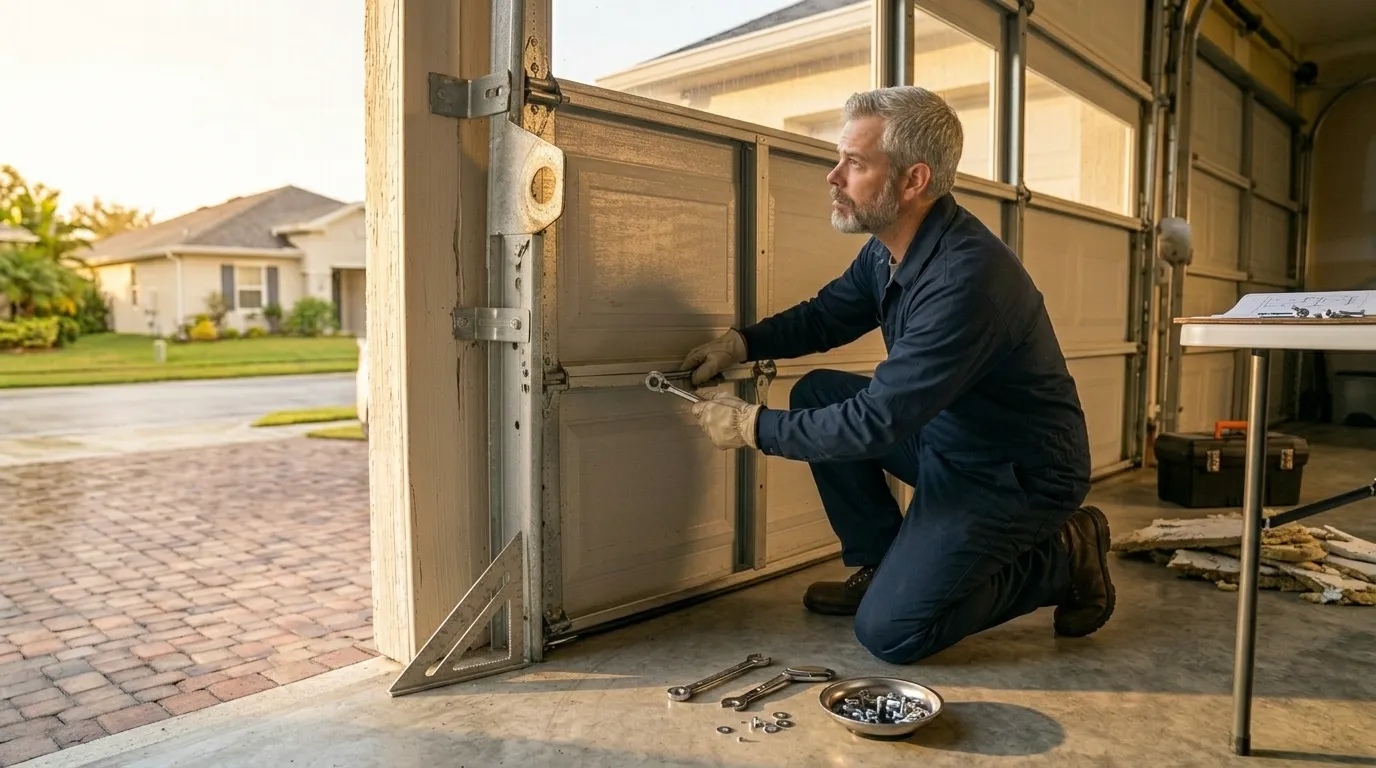
What drives the price on an off-track call is what actually failed, not just that the door jumped the rail. A clean re-seat with a couple of new rollers is a different job than a bent track section that has to come off, get replaced, and get re-squared to the opening. A bracket pulled clean out of the framing is a different repair than one that just backed out and needs re-torquing.
Households in this service area have a median income around $59,733, and we price these jobs to be worked on, not guessed at over the phone - we look at the track, the rollers, and the bracket before we quote anything. If the springs are also worn from the same 30-plus years of cycling, that gets called out separately rather than folded in, so you know what you're actually paying for.