How It Shows Up
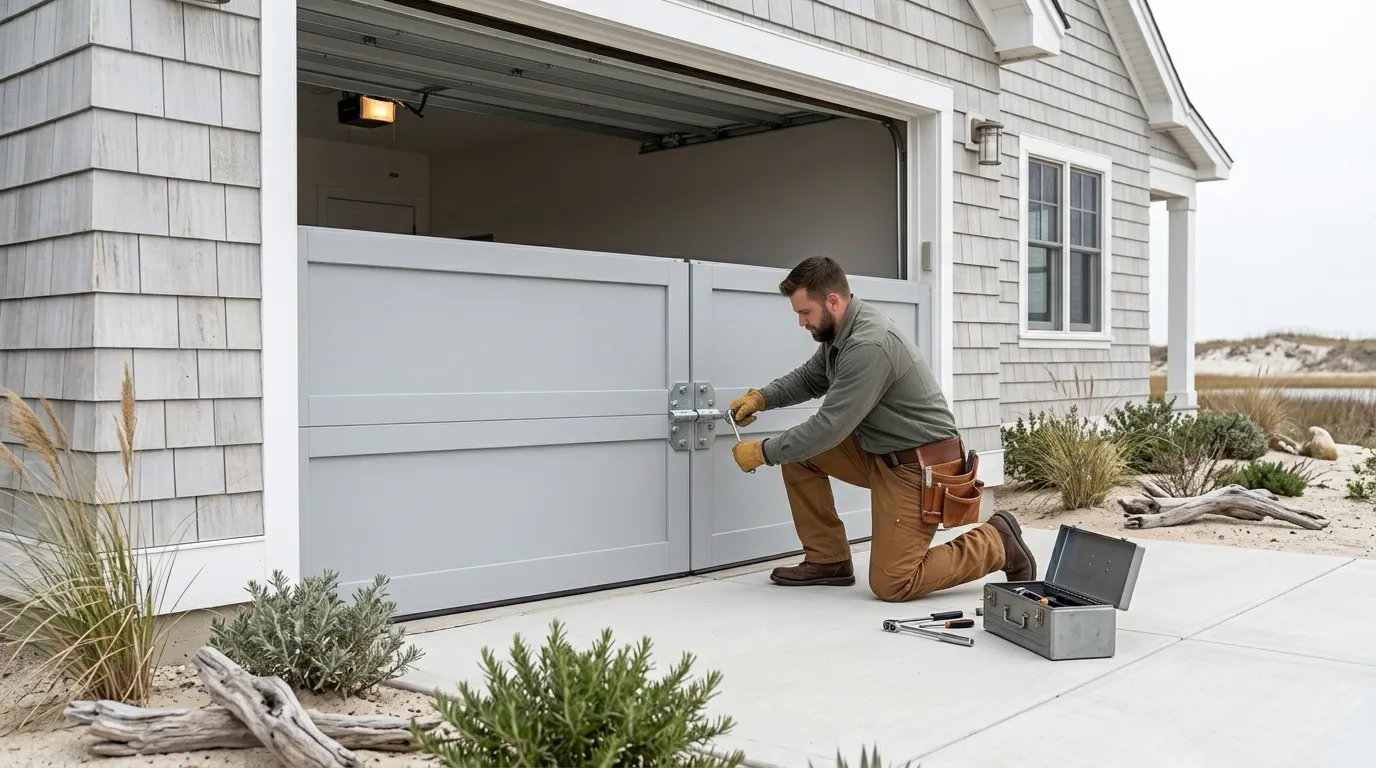
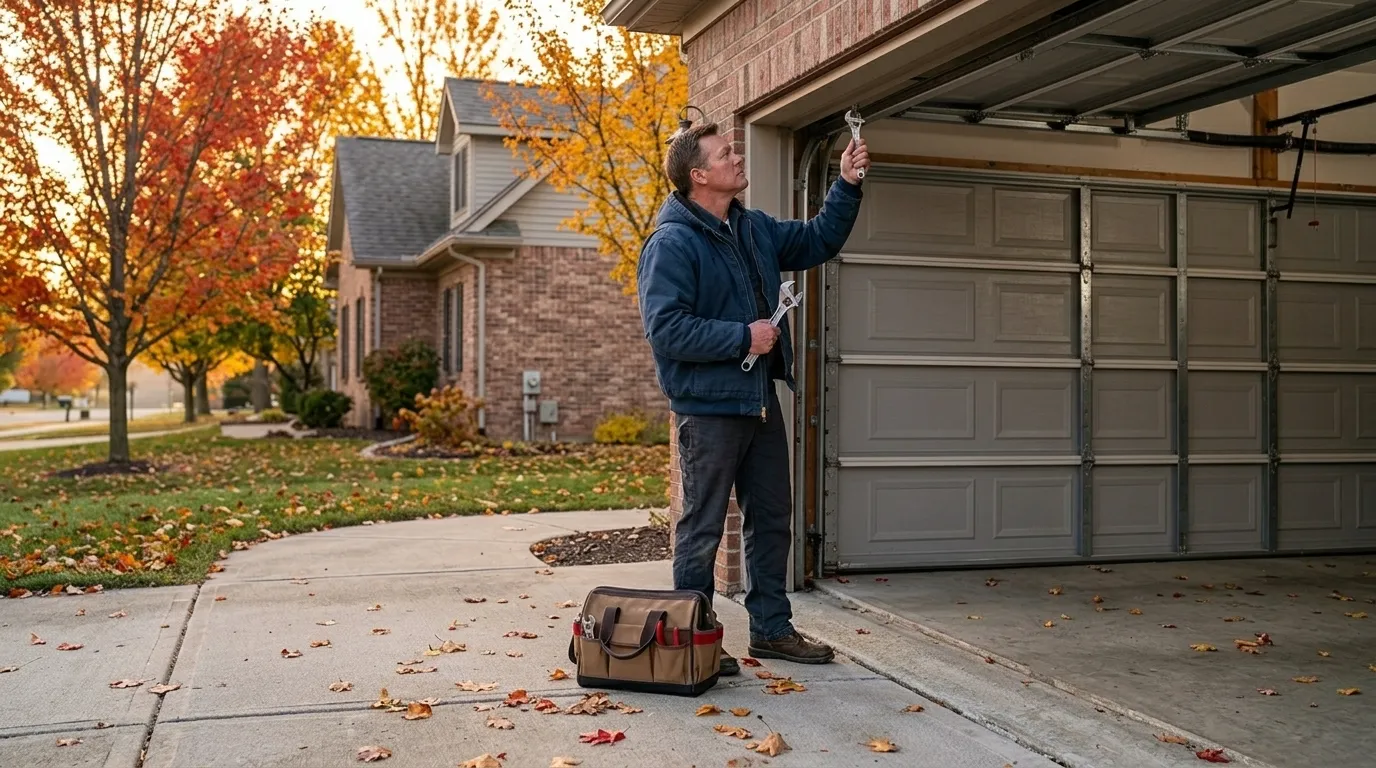
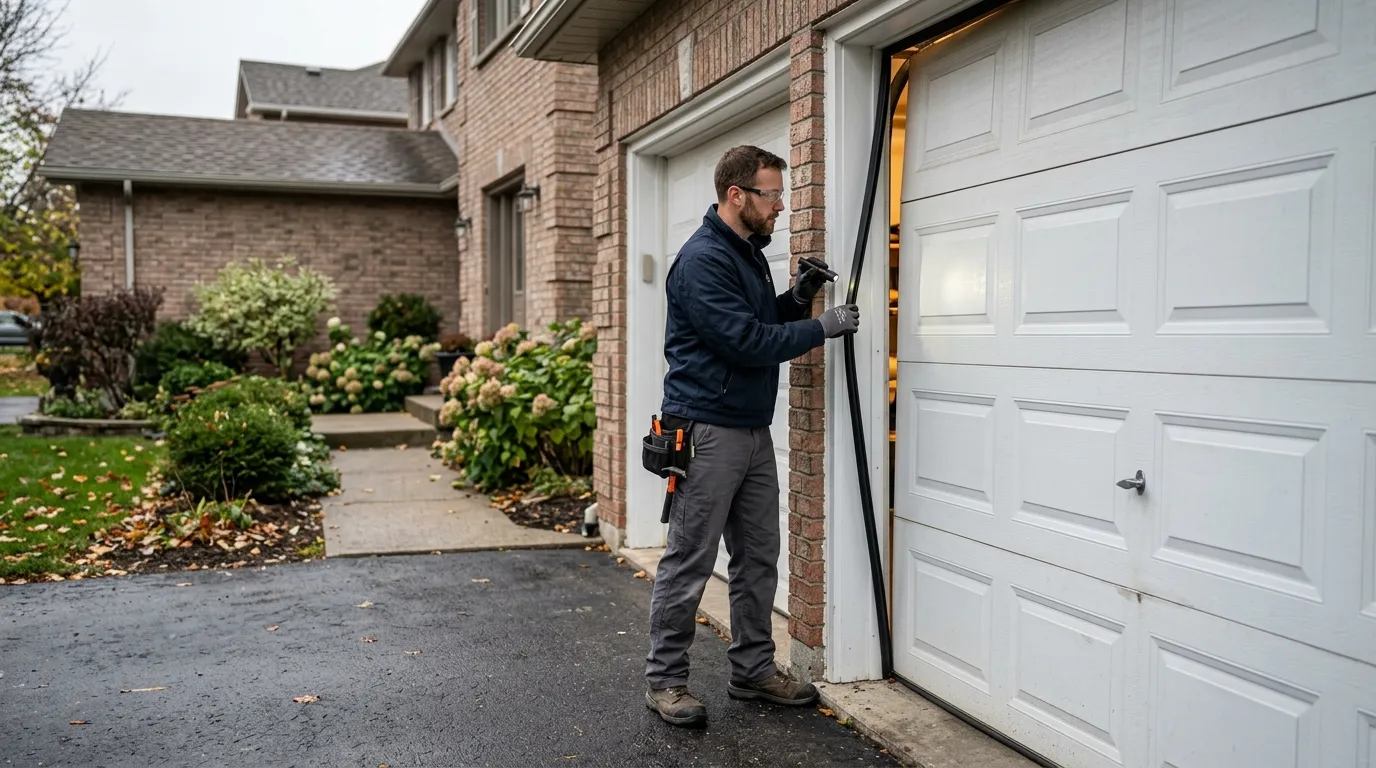
Most of the maintenance calls we get in this service area start the same way: the door has gotten louder, or it hesitates a beat before the opener catches, or one side drops a hair faster than the other on the way down. None of that looks urgent, so it gets ignored for months.
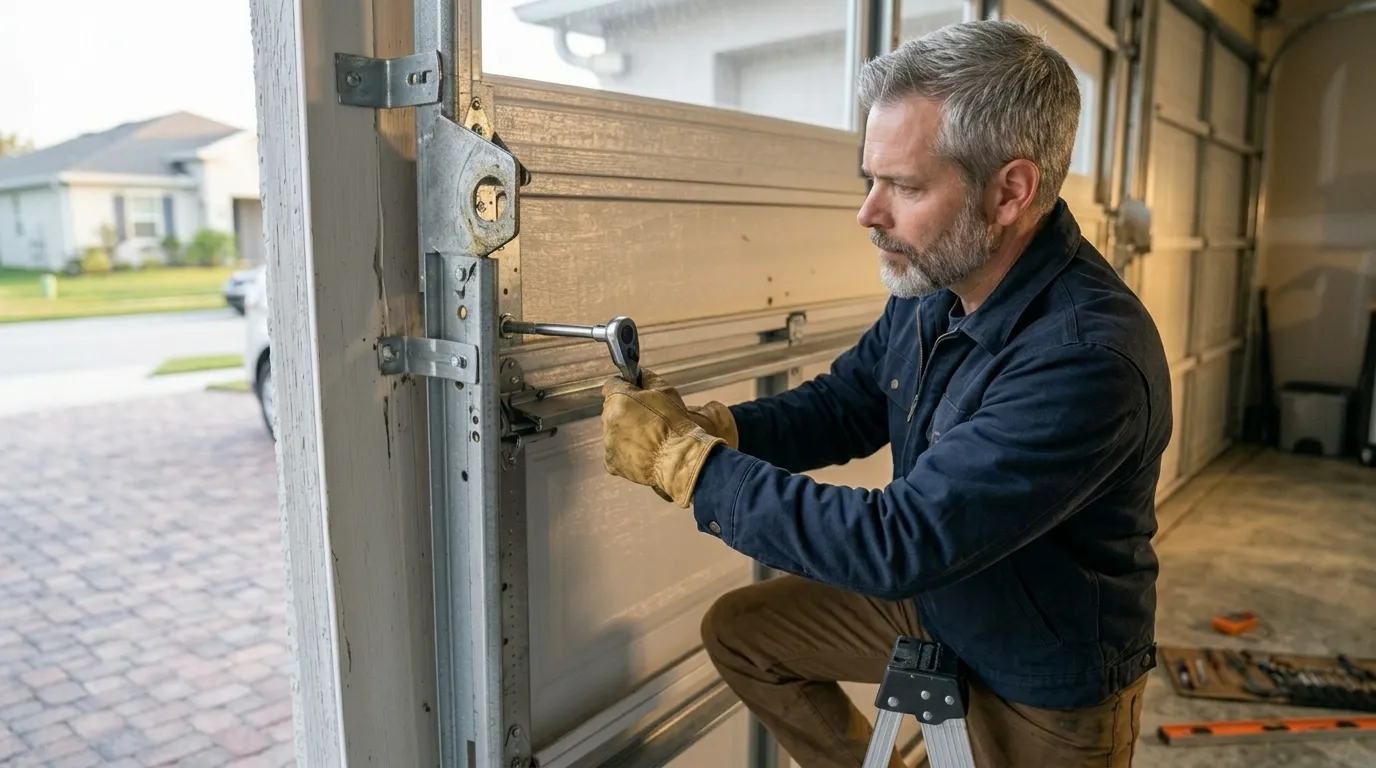
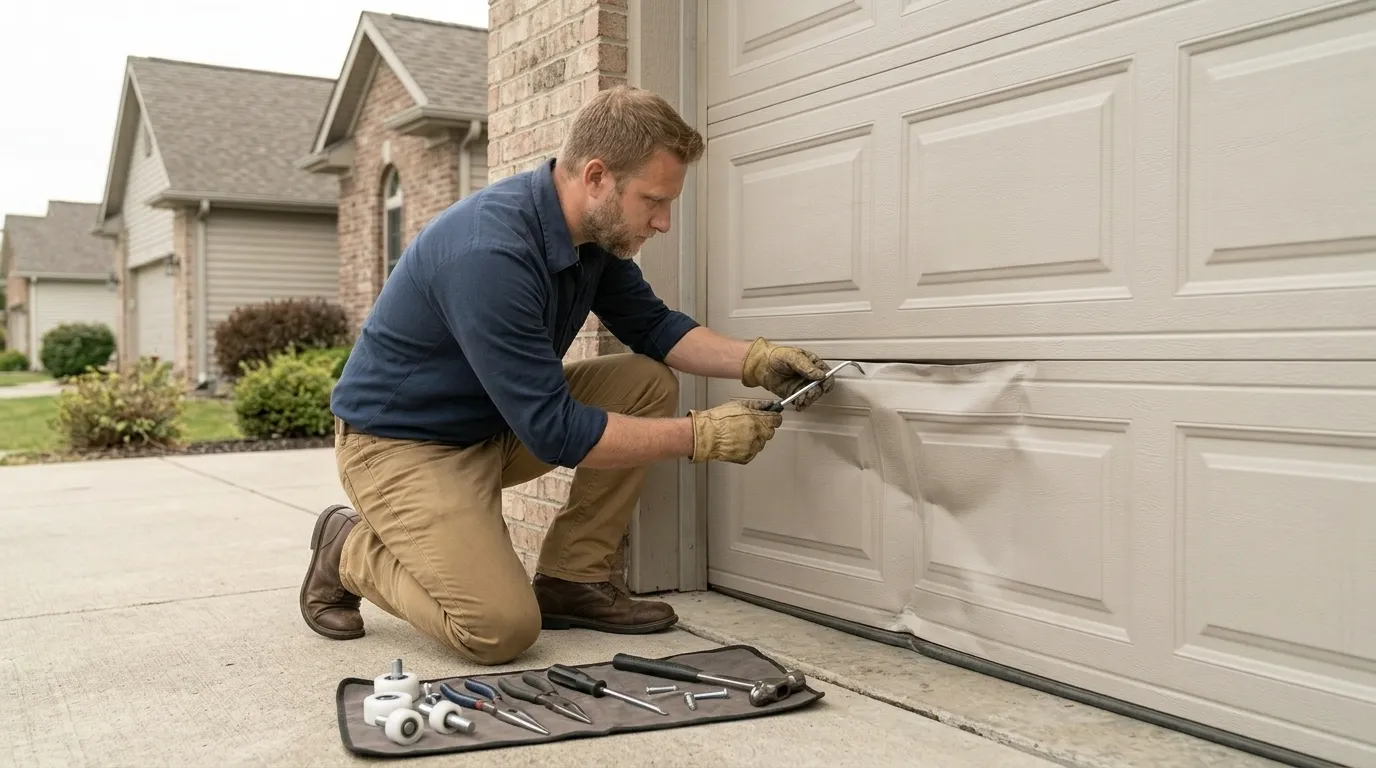
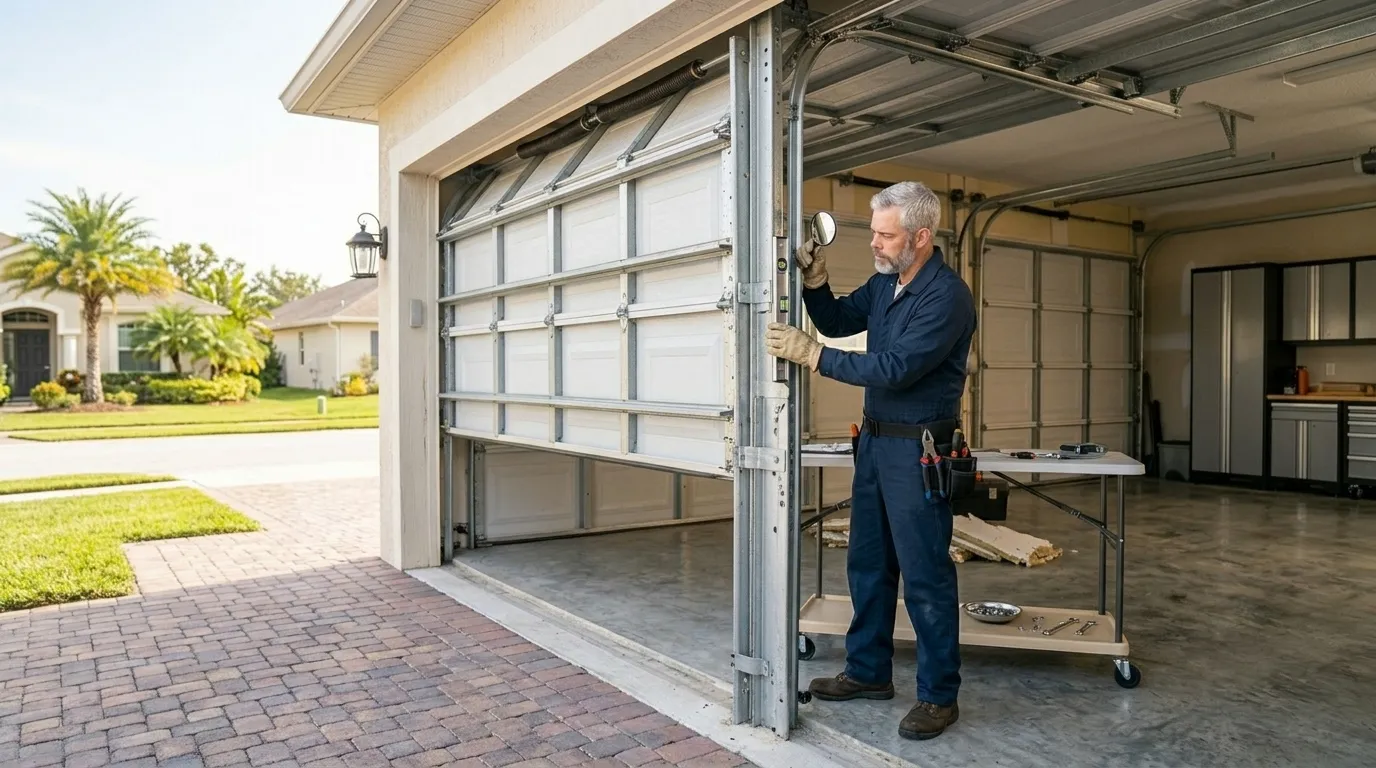
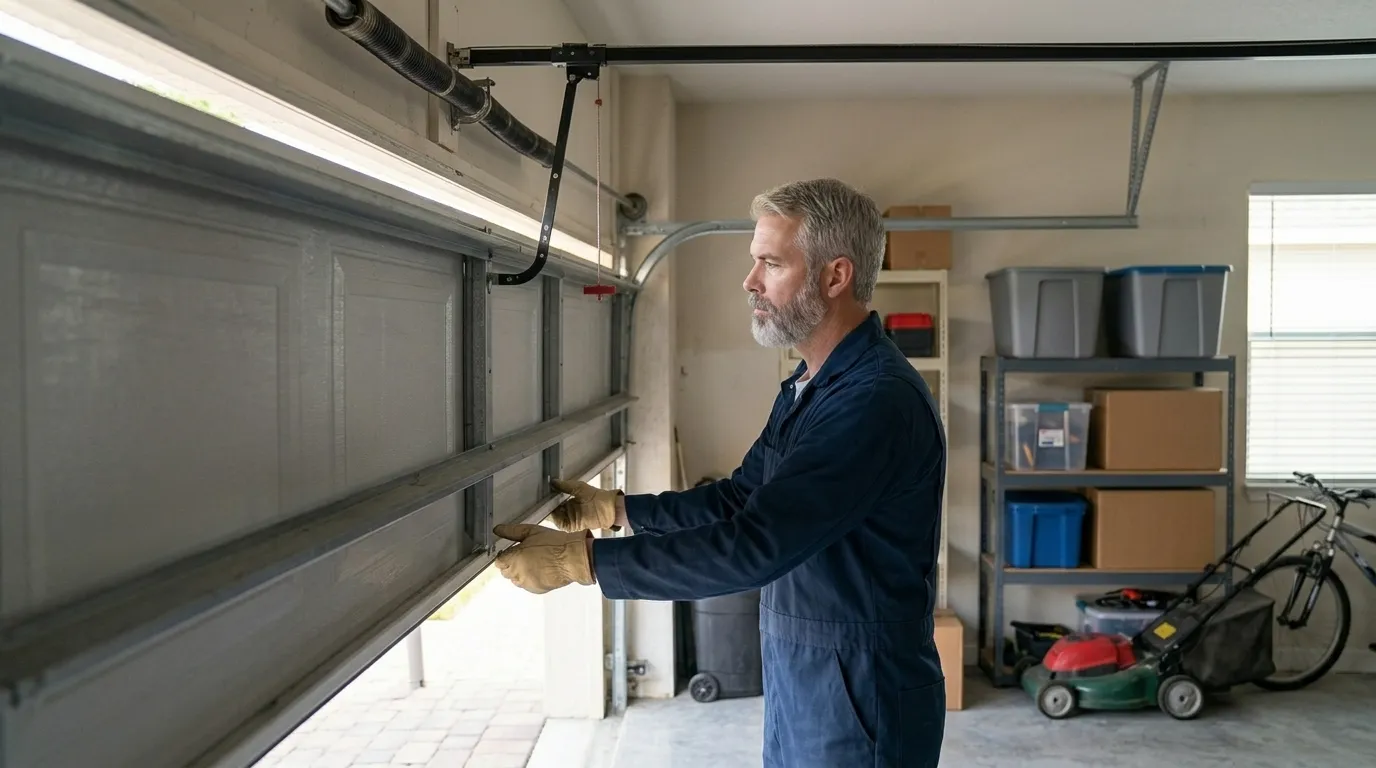
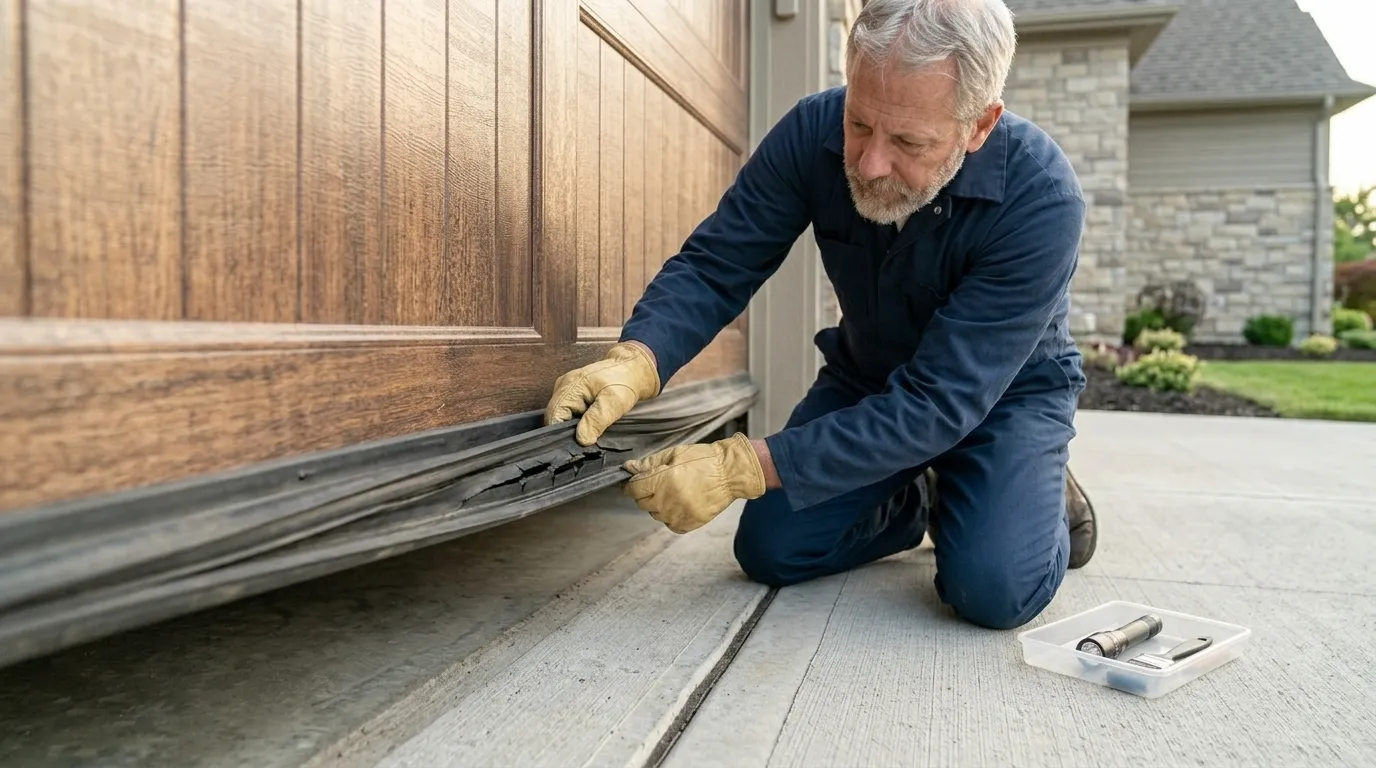
Given that the bulk of the housing stock here dates to 1987-1999, with a median build year around 1992, a lot of these doors are running original rollers and the same torsion spring that went in at construction. Nylon rollers from that era get brittle. Springs lose tension unevenly, not all at once, which is why one side of the door often sags before the other. Owners notice the noise long before they notice the wear that's causing it.
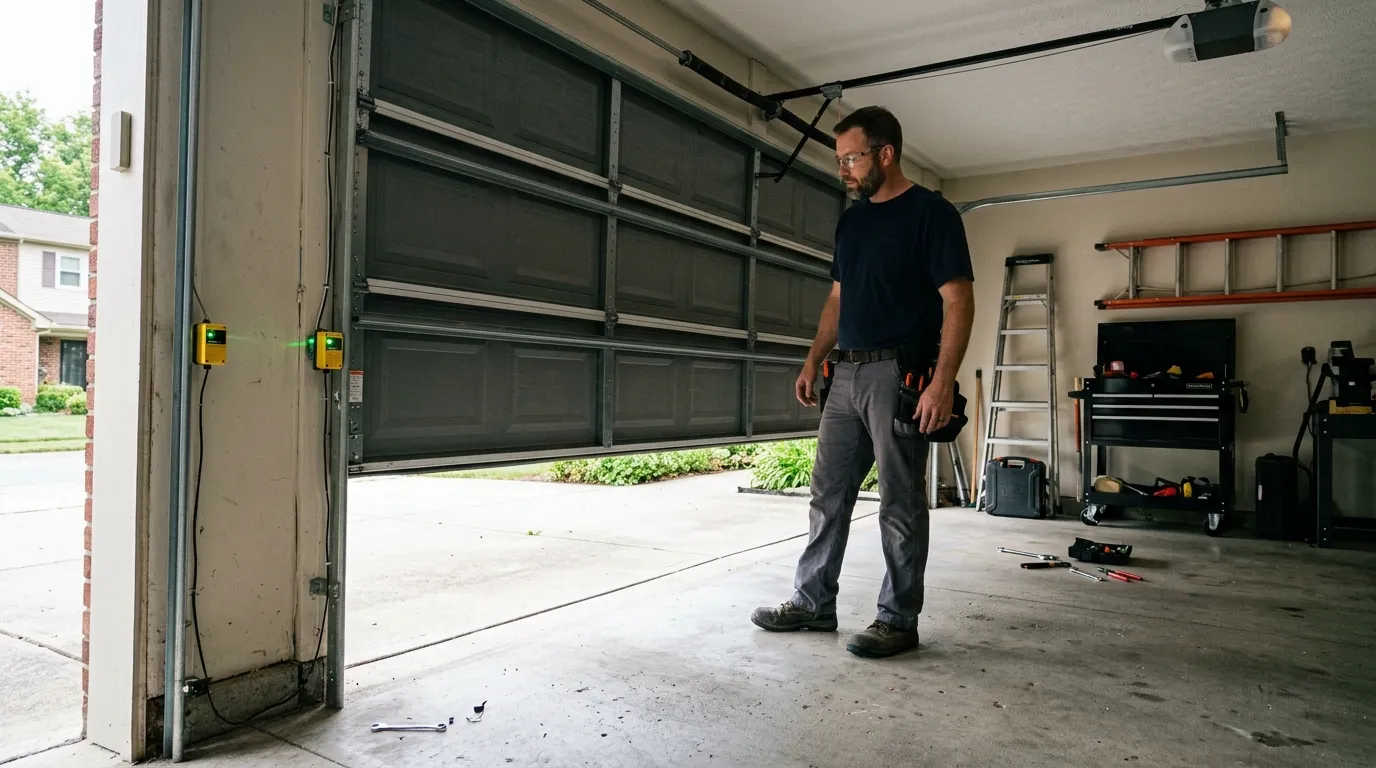
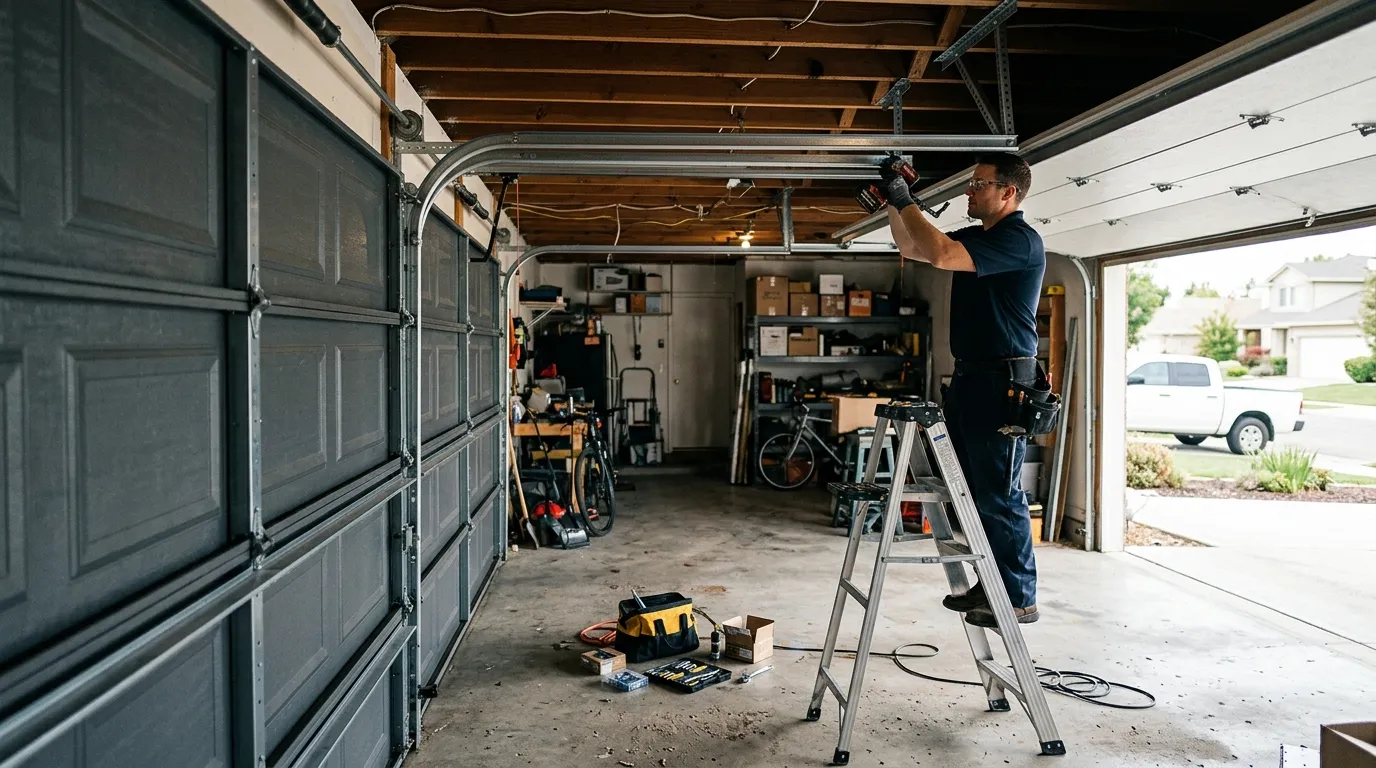
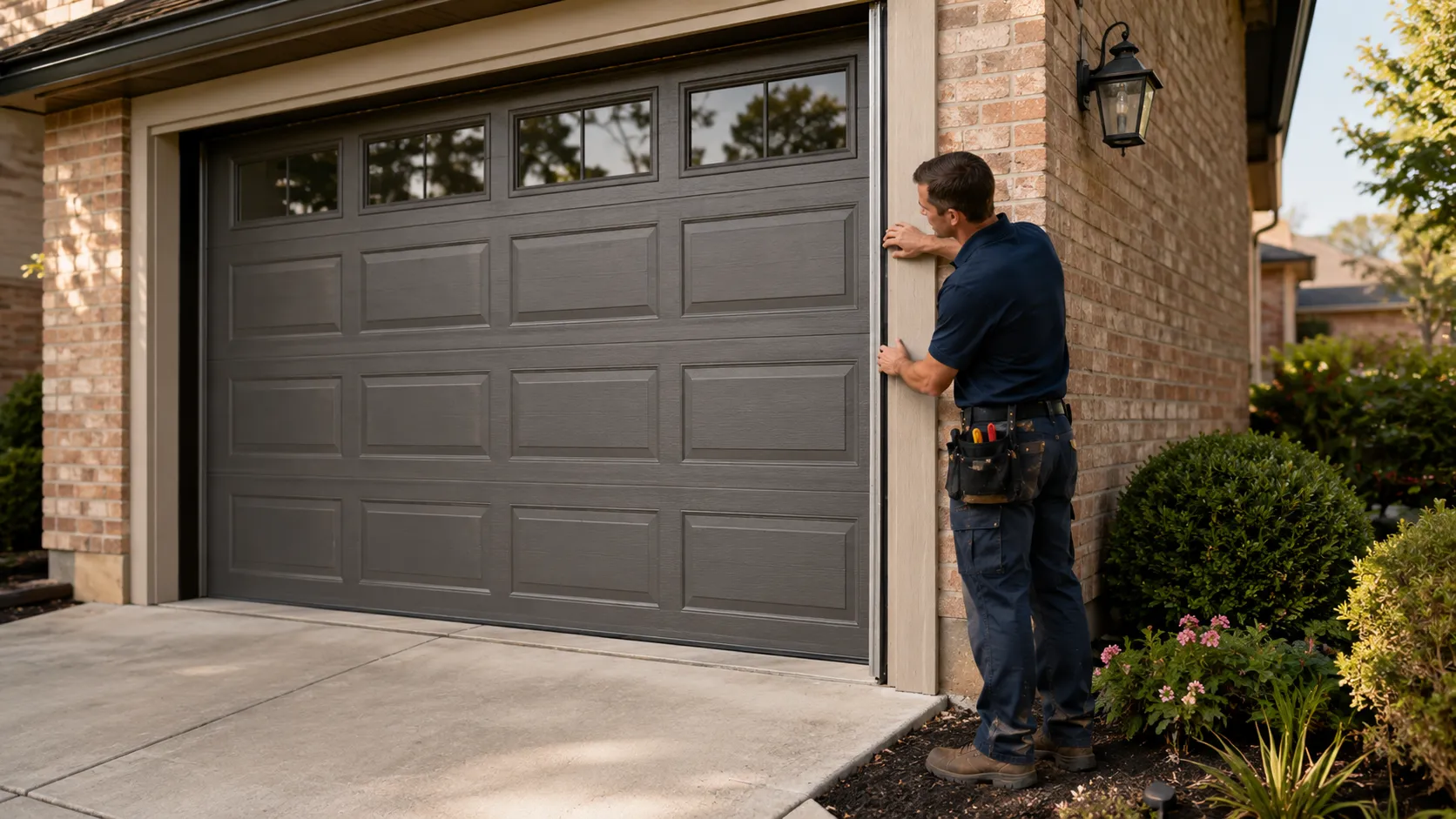
On newer builds we sometimes see, the fault shows up differently - a track that's slightly out of plumb from settling, or a sensor knocked out of alignment. Either way, the symptom you can hear or see is rarely the actual point of failure. That's the case for and worth checking before it becomes a call at 6pm on a Sunday.
Why This Fails Locally
Prescott Valley sits in a cold-moderate climate band, which means real temperature swings between summer afternoons and winter nights - not the wide desert extremes of the low country, but enough daily flex to matter over 30 years on a garage door. Steel panels expand and contract, lubricant on tracks and hinges thins in heat and stiffens in cold, and galvanized torsion springs cycle through that same range every single day.
A door built in the early 1990s has been through three decades of that cycling. That's roughly the same stress no matter which of the five main pockets of 1980s-90s stock in this area your house sits in - the wear pattern tracks the build era, not the street. Add in the areas closer to town with 1980s construction and you've got hardware that was never rated for a maintenance-free lifespan in the first place. It was rated for annual lubrication and periodic spring tension checks, which is a step a lot of owners never got told about at closing.
The honest limitation here: maintenance won't fix a spring that's already lost most of its tension, or a track that's bent from an impact. At that point you're into repair or replacement, not a tune-up.
The Cost of This Job
We're not going to put a number here that we can't stand behind for every house in this service area - a maintenance visit on a door with original 1990s hardware runs different than one on a newer opener with a bad sensor, and pricing depends on what we find once the door is open.
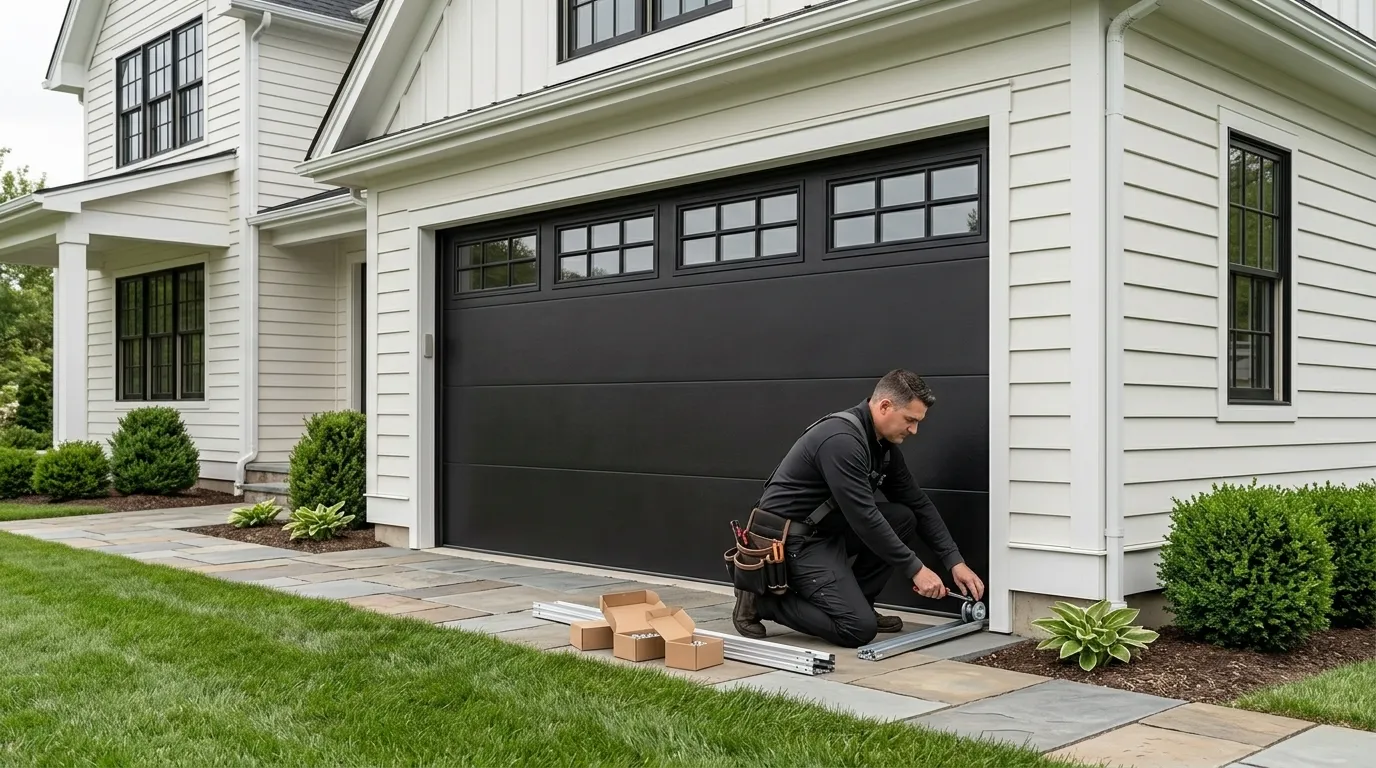
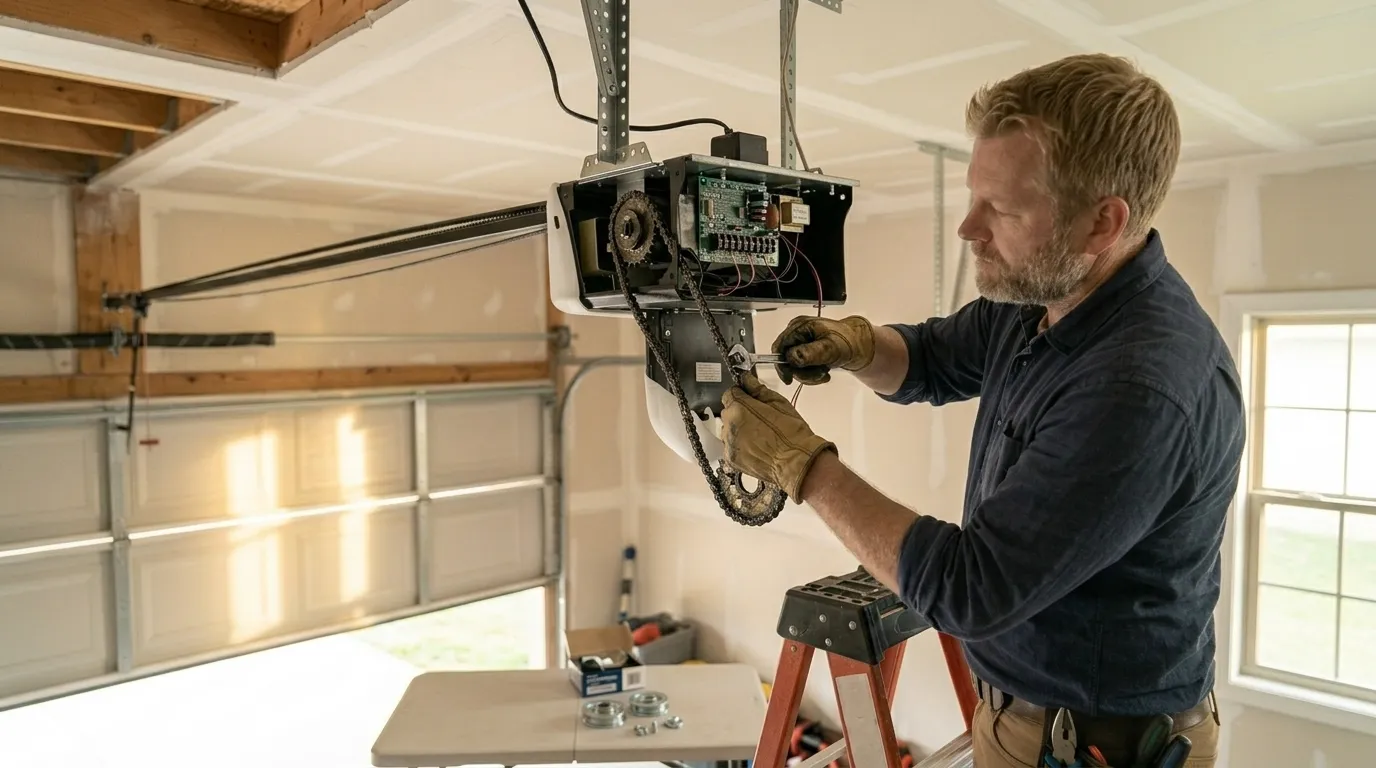
What we can tell you is what drives the cost: whether the springs need adjustment or replacement, how many rollers are actually worn versus just dirty, and whether the track needs realignment or just lubrication. A basic tune-up on a door that's been maintained before costs less than the first visit on a door that's gone 20-plus years untouched, because that first visit usually turns up more.
Given that median household income here runs around $59,733 and most of the roughly 8,835 owner-occupied houses in the area are sitting on original hardware, we see a lot of owners weighing a maintenance visit now against a spring failure later. Maintenance is almost always the cheaper of the two, but we won't quote a flat number without seeing the door.