How It Shows Up
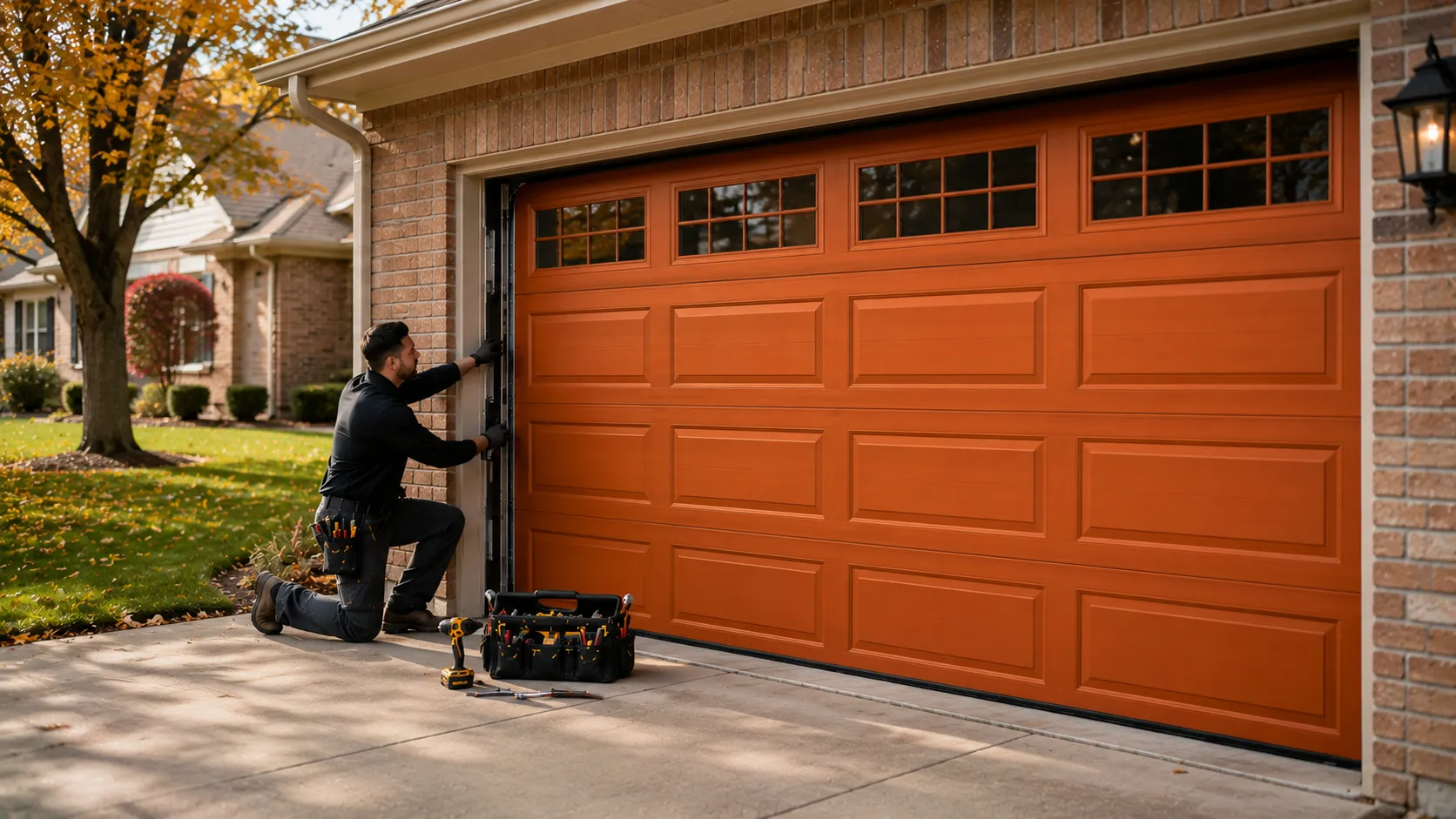
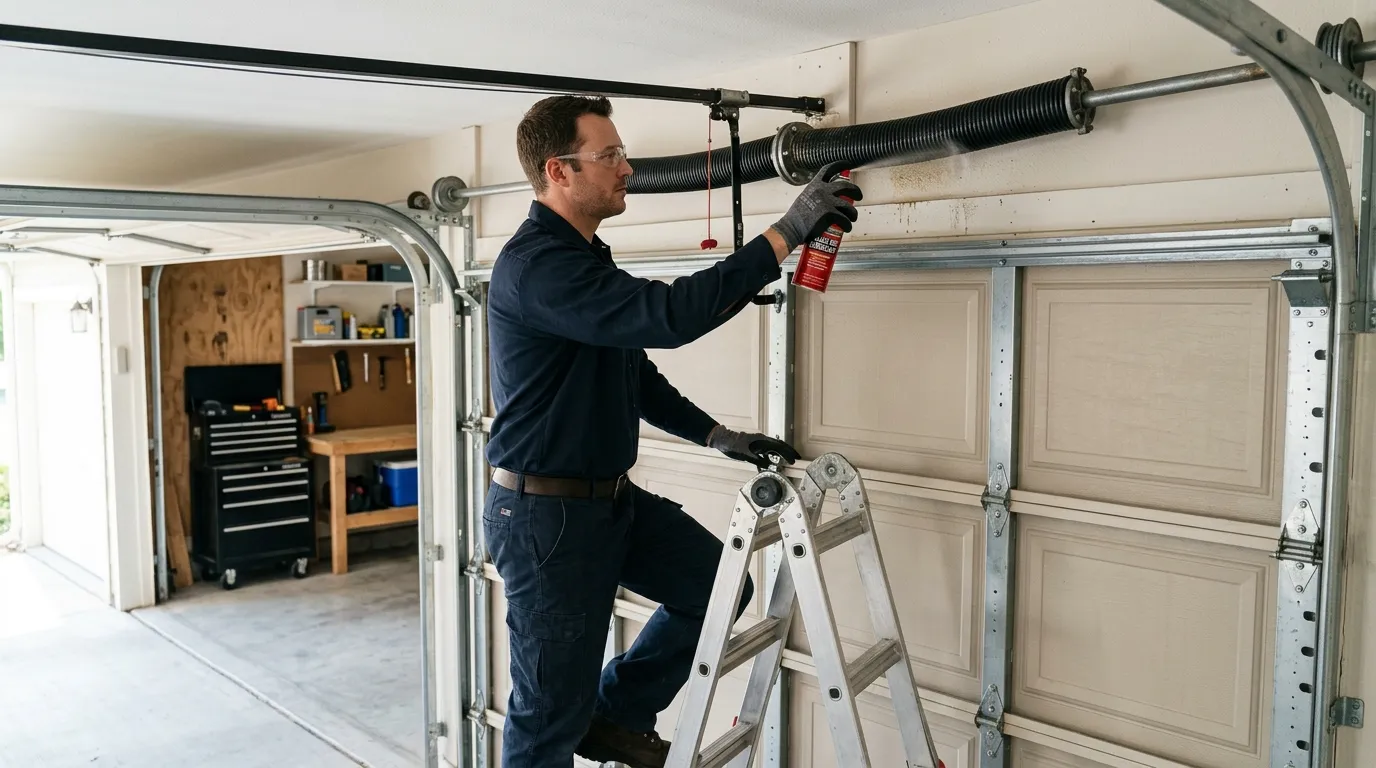
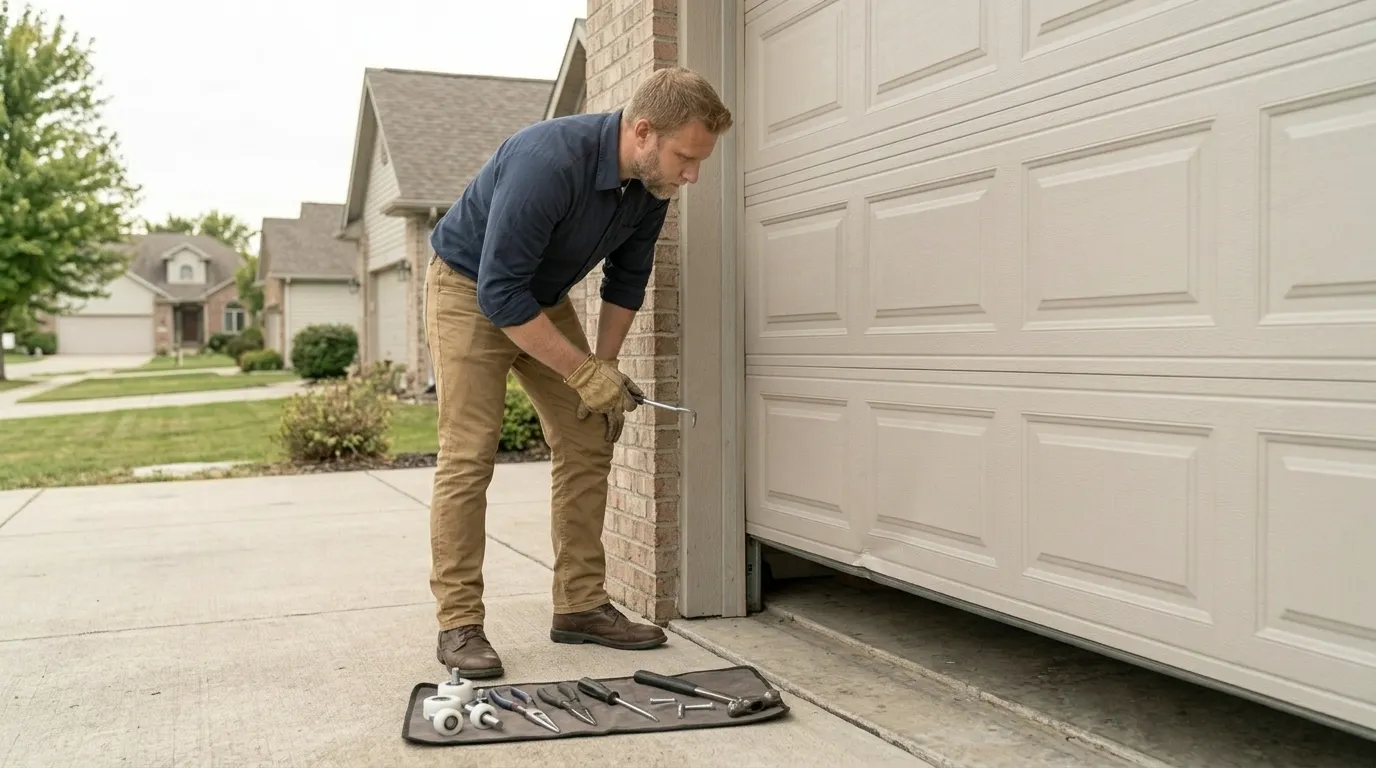
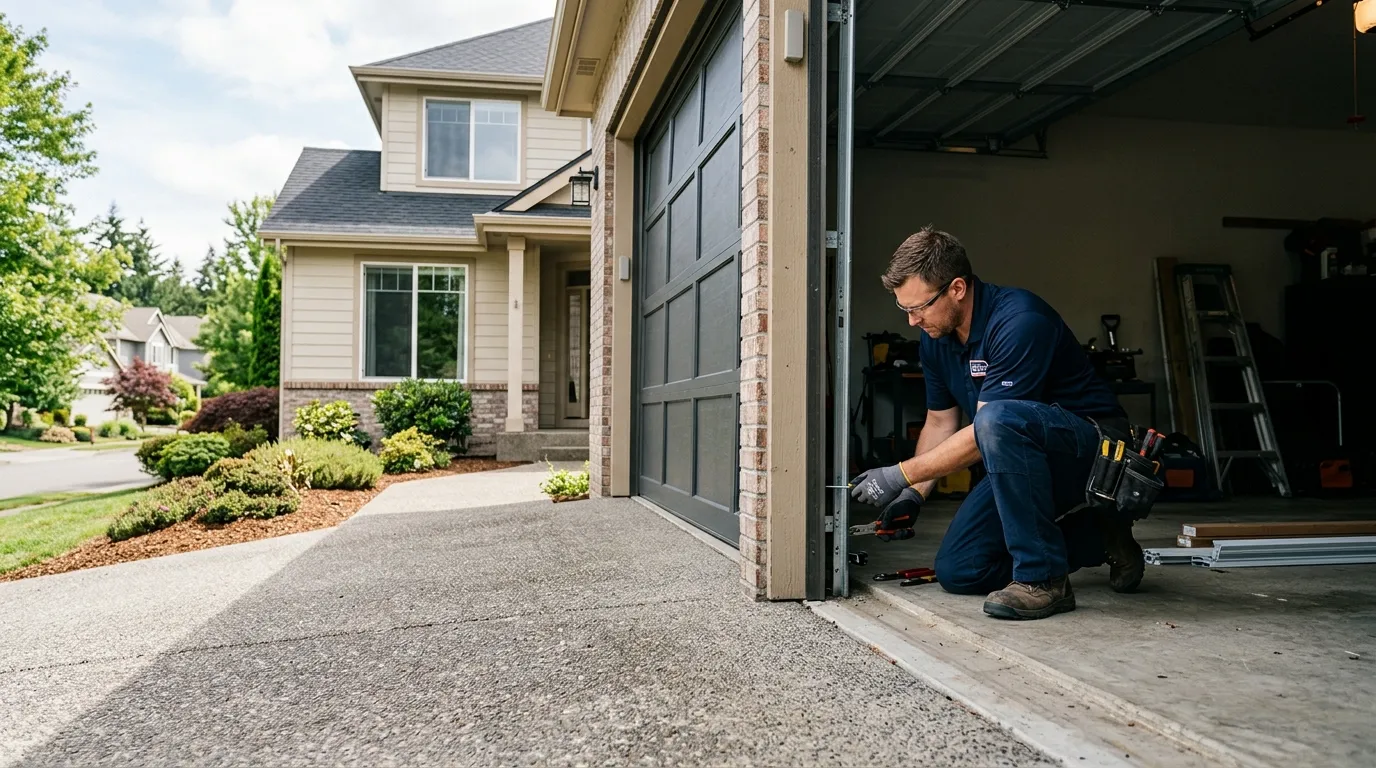
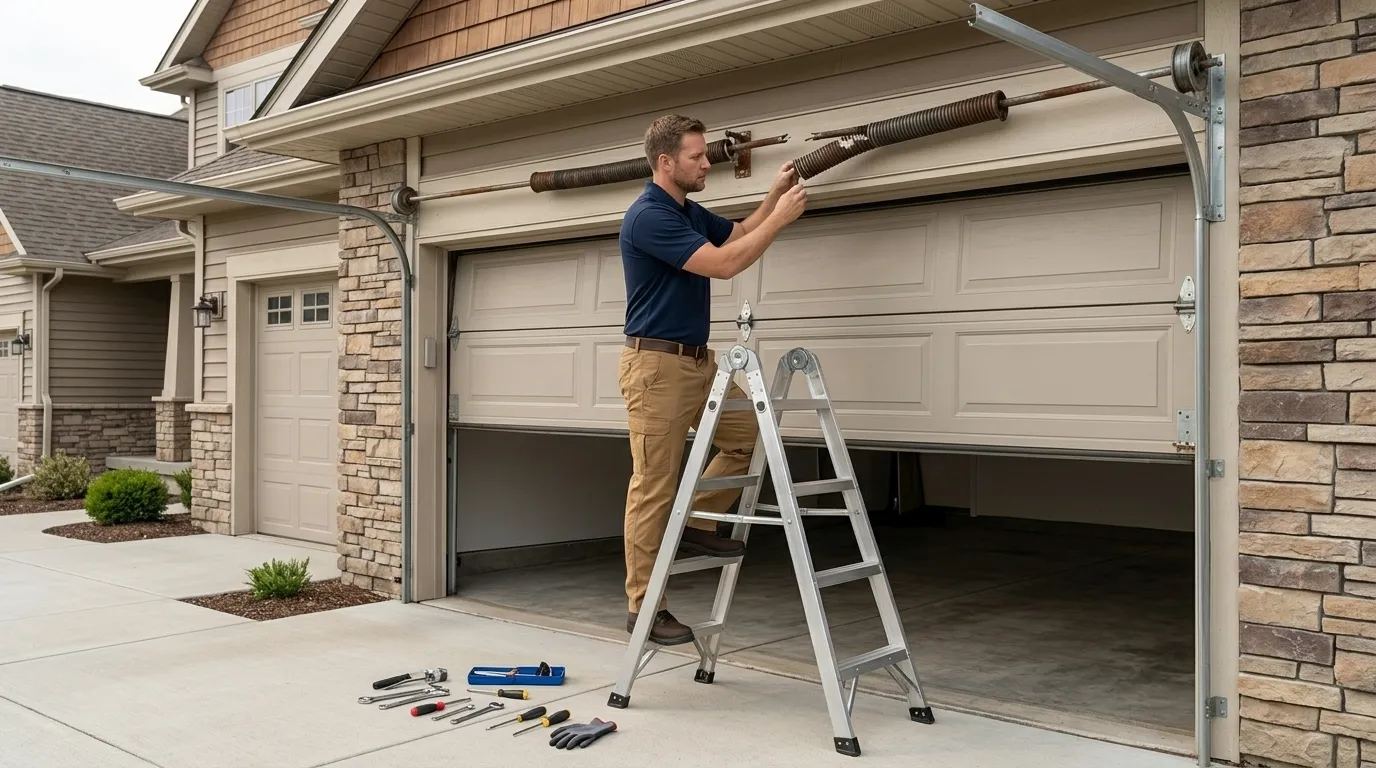
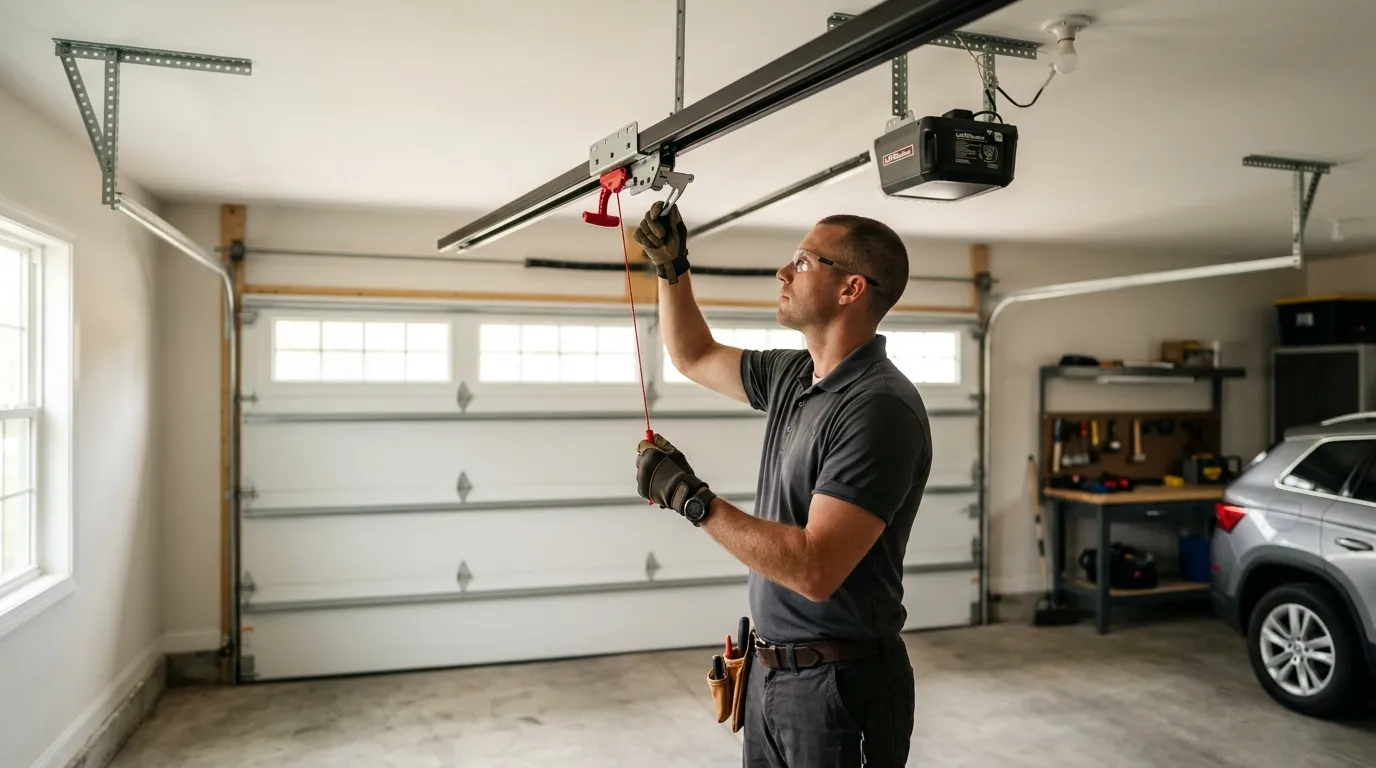
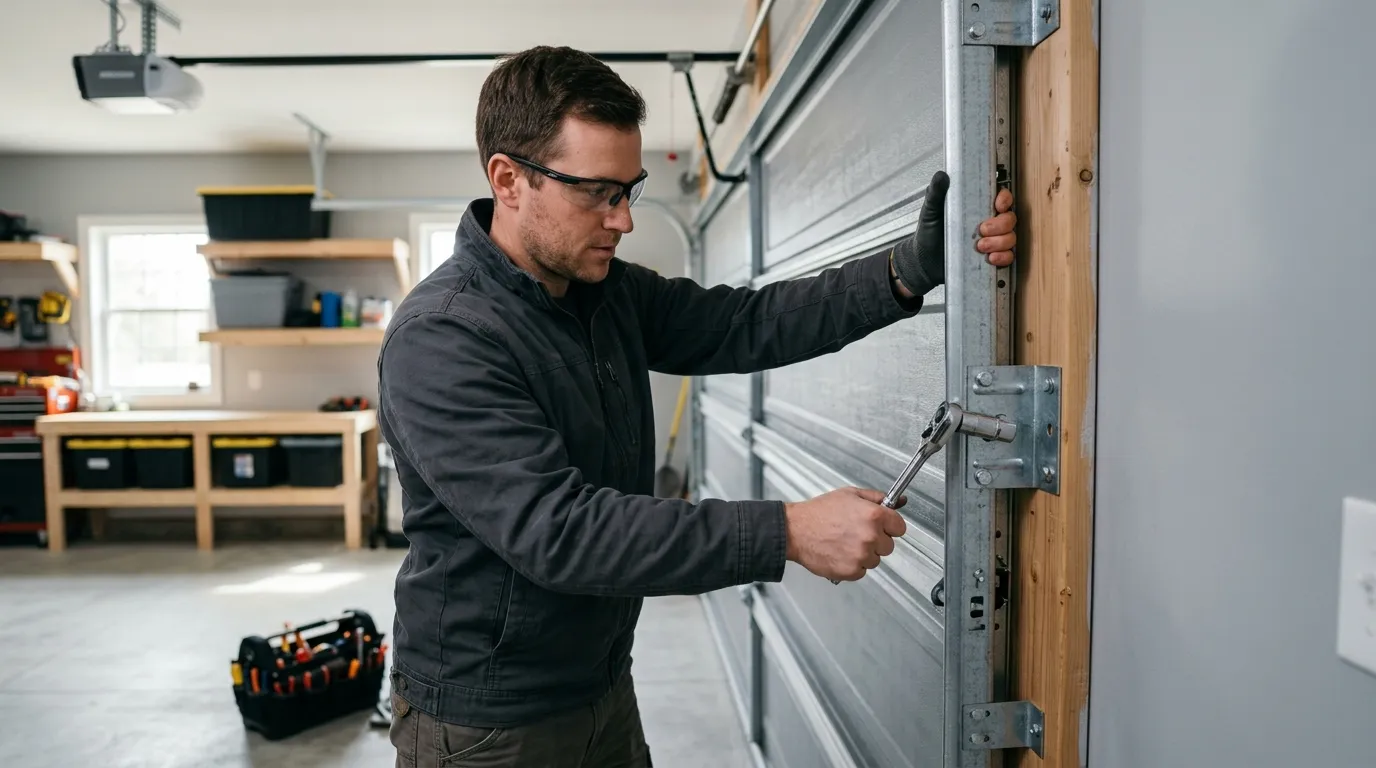
Most houses in Chino Valley went up between 1987 and 1999, with the median build year landing around 1992 across the wider area and closer to 1999 here specifically. That means a lot of doors in town are running on hardware nobody has touched since the house was framed. A torsion spring is built for roughly 7 to 10 years of cycles before it fatigues. If yours has never been swapped, it's already three to four lifetimes past that. The tell is usually a door that groans on the way up, a spring coil with visible gaps, or an opener that strains and reverses partway through the cycle. Rollers show it too - steel rollers from a 1990s install are usually worn oval instead of round, so the door rattles in the track even when the track itself is straight. None of this is dramatic until the spring actually lets go, which is why maintenance calls out here tend to be the same conversation: check what's original, tell the owner honestly what's close to done, and stock the parts before the second trip is needed.
Stocked Parts
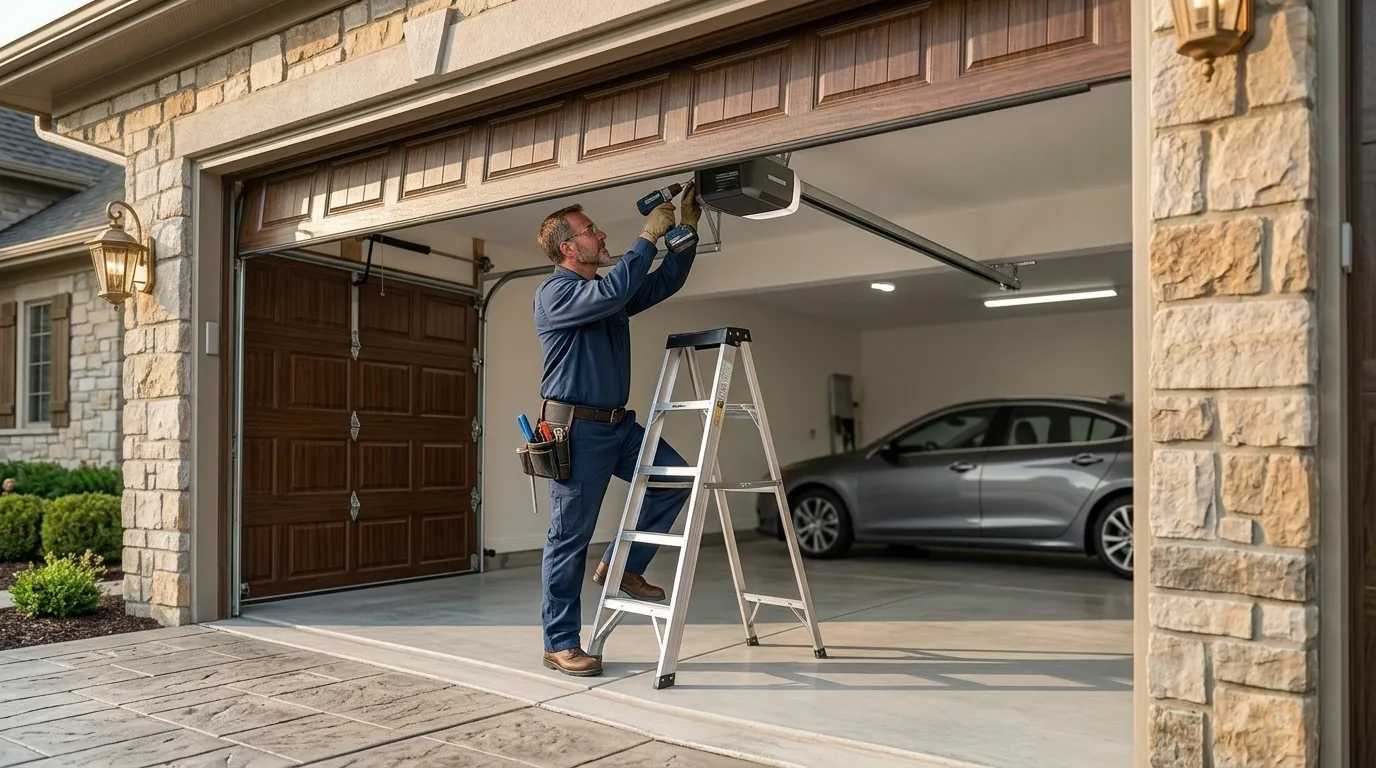
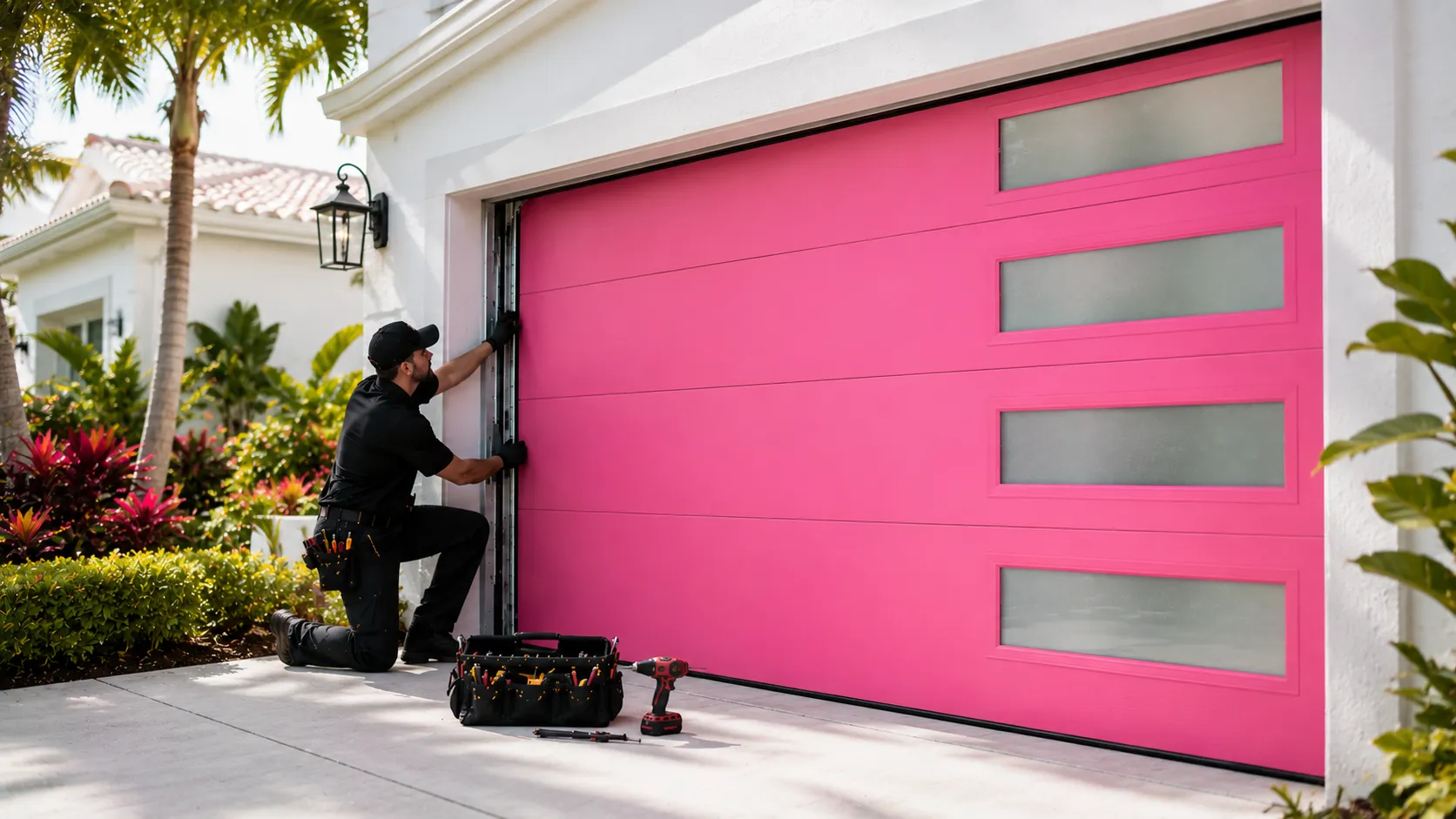
Because most of the housing in Chino Valley dates to the same narrow window - late 1980s through the late 1990s - the hardware sizes repeat. Torsion springs, standard steel rollers, and galvanized one-piece track from that era are common enough that we carry them on the truck for the 11-mile drive out from Prescott Valley, rather than diagnosing on one visit and coming back on a second. Openers from that period are usually chain-drive units at the end of their working life, and we'll say so rather than patch a motor that's not worth saving. What we don't stock is anything custom - insulated glass panel inserts, oversized commercial track, or a spring wound to a nonstandard drum size. Those get special-ordered, and lead time runs longer than a standard call. If your door has been modified from the original builder spec, tell us on the phone so we're not guessing at the curb.
What Can Go Wrong
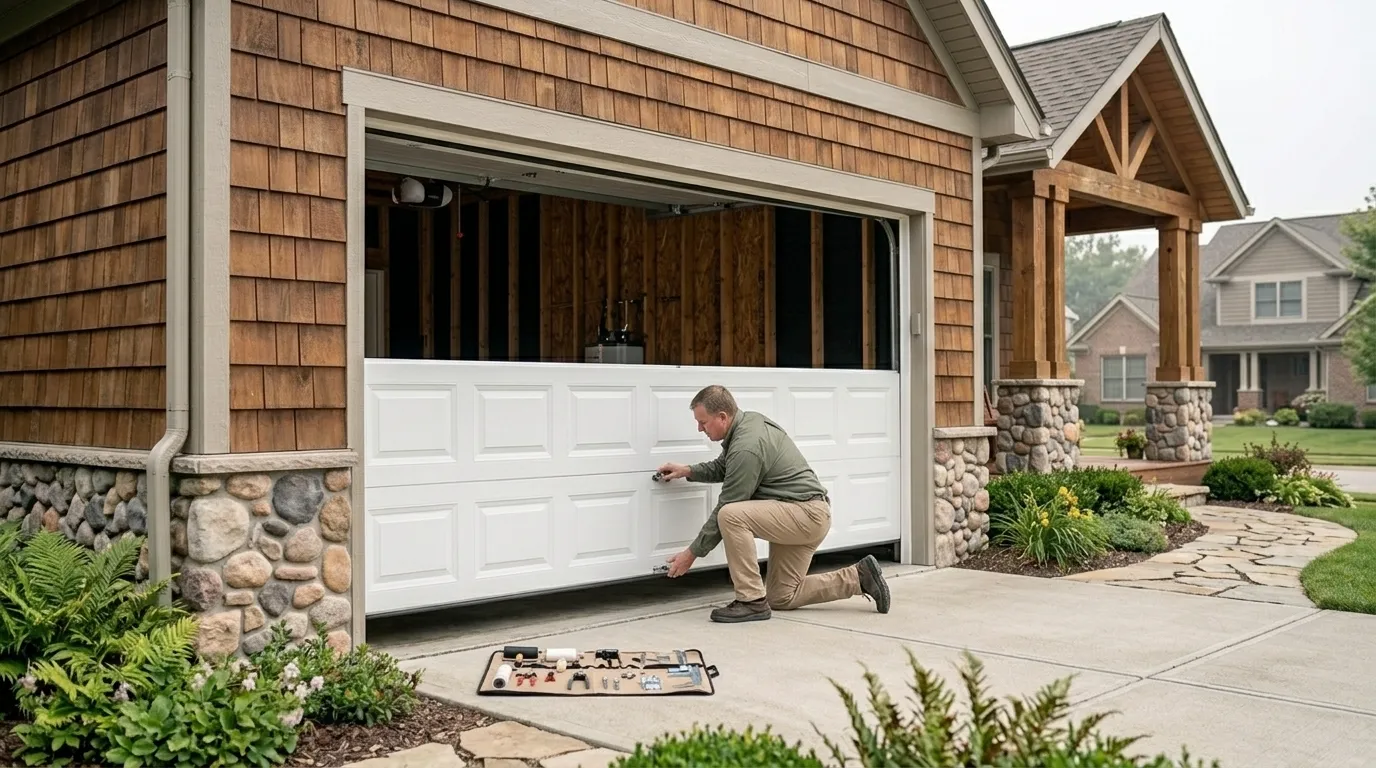
The most common failure on original 1990s hardware is a spring that snaps without warning, usually on a cold morning when the steel is least forgiving. Second most common is a cable fraying at the drum and letting one side of the door drop while the other holds - that twists the panel and can bend the track badly enough that the whole assembly needs replacing, not just the cable. Rollers that have worn oval for years will eventually jump the track rather than roll through it, and on an opener from that era, a worn drive gear can strip quietly until the door just stops responding. None of these show much warning on a door that's never been serviced. The honest limit here: if the door is original to a 1990s build and the spring, cables, and rollers are all near end of life at once, a repair visit that just replaces one part is a short-term fix. At that point we'll say plainly that replacing the whole hardware set costs less over two years than three separate service calls.
Why This Fails Locally
At a median household income of $59,733 across roughly 5,657 households in Chino Valley, most owners we talk to want the smaller maintenance visit first and the bigger repair only once it's clearly needed - that's a reasonable way to spend money here, and we work with it rather than upselling past it. But the housing age is the real driver of the failure pattern, not the town's growth or its layout. A door built the same year as the house, in a cold-moderate climate with real freeze-thaw swing overnight, gets 25 to 30 years of thermal cycling on the same weatherstrip, hinge pins, and spring steel before anyone calls. That's a different failure timeline than a neighborhood built in the 2000s would show, and it's why a maintenance check here is less about a quick lube job and more about deciding what original part is closest to done. We come out from Prescott Valley for these calls; there's no local branch, so we bring what the visit is likely to need.