How It Shows Up
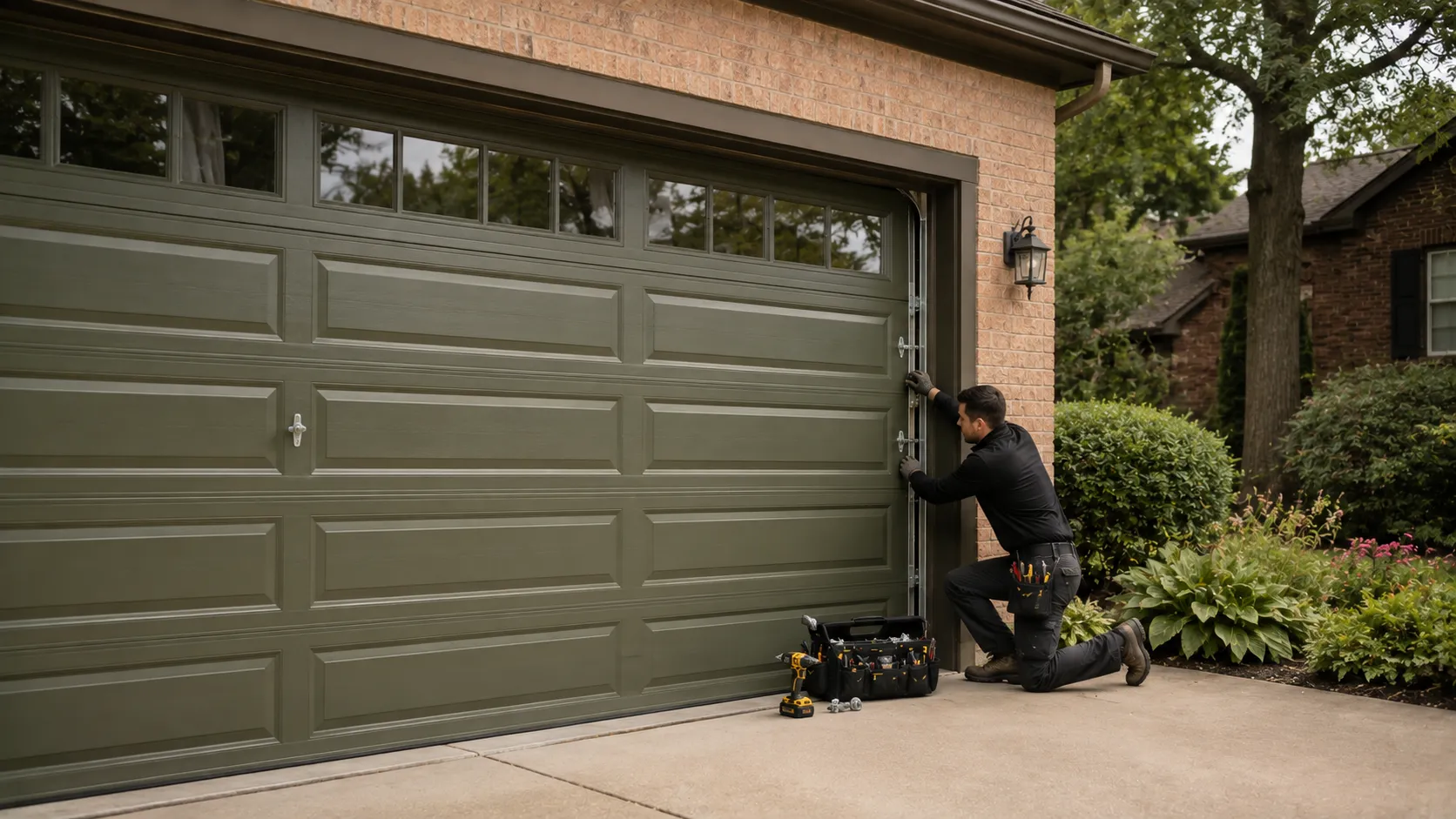
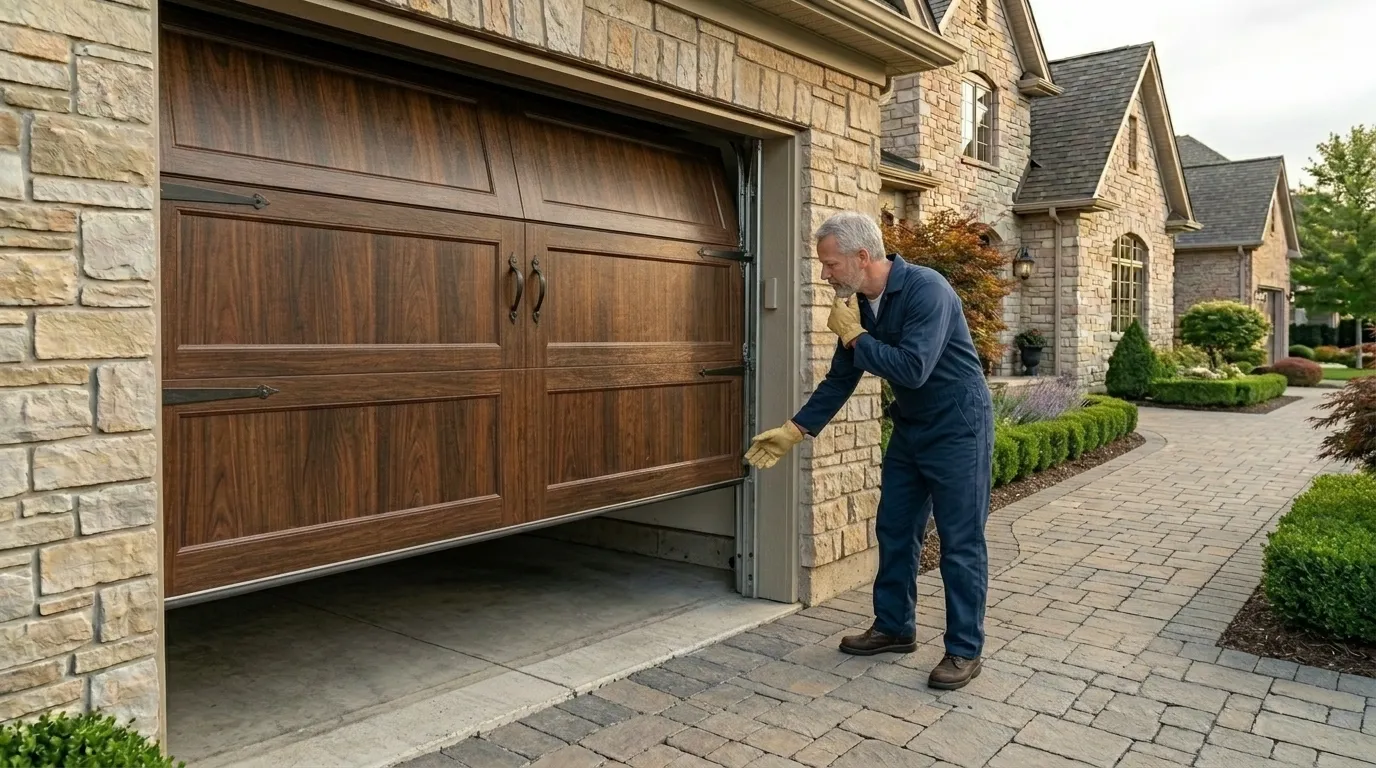
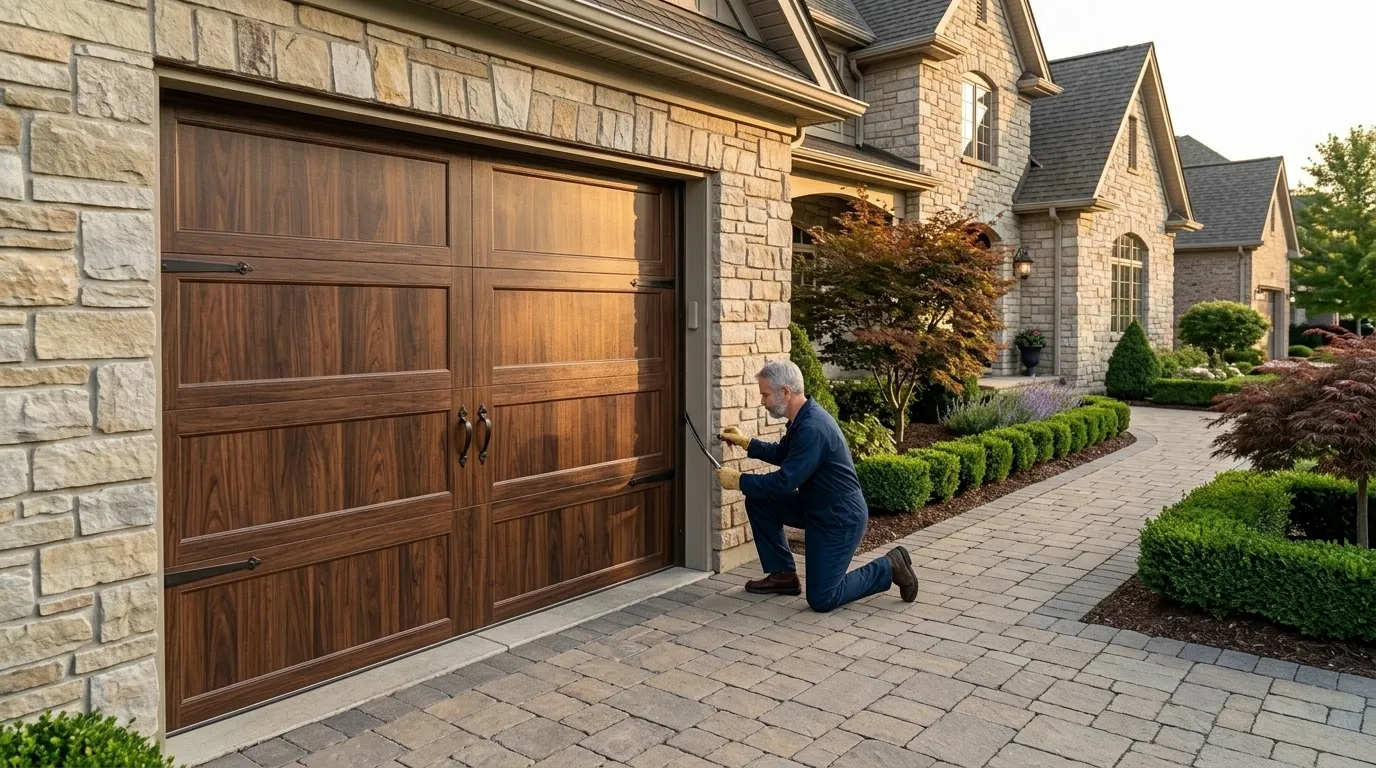
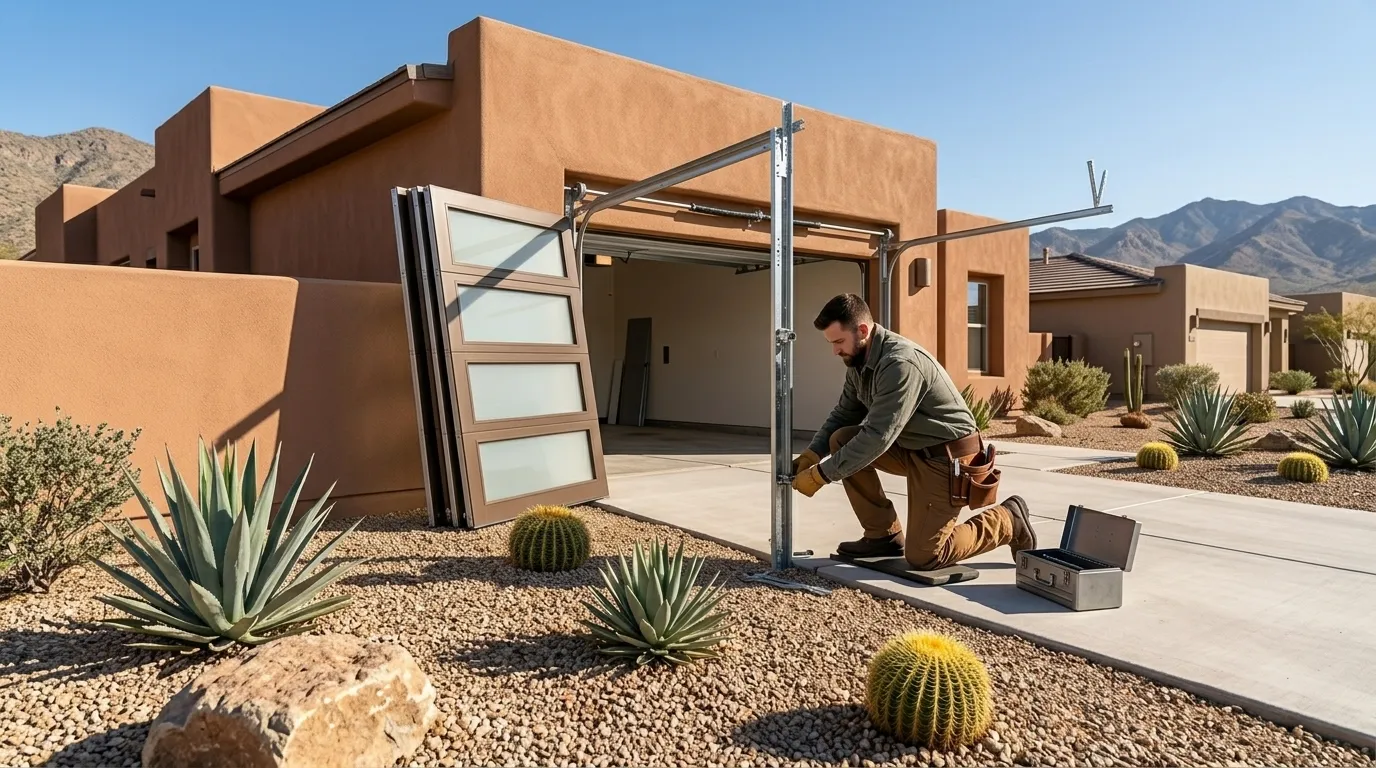
When a lift cable frays or lets go on a Chino Valley garage door, the door usually drops hard on one side and jams half-open, or slams straight down onto the floor if both cables give at once. You hear it before you see it - a snap, then a bang as the door hits the track stops. On doors with worn cable drums instead of a snapped strand, the symptom looks different: the door creeps down a half-inch every cycle until one side sits inches lower than the other.
Chino Valley's housing stock centers on 1999, squarely in the stretch of local building that ran galvanized 7×19 aircraft cable on drums sized for the standard torsion springs of that decade. That hardware is now over two decades old, right in the window where cable strands start to rust from the inside of the wrap - invisible from the outside until the day one gives out. If your house went up anywhere near that median year, the cable on it now is very likely the original.
Stocked Parts
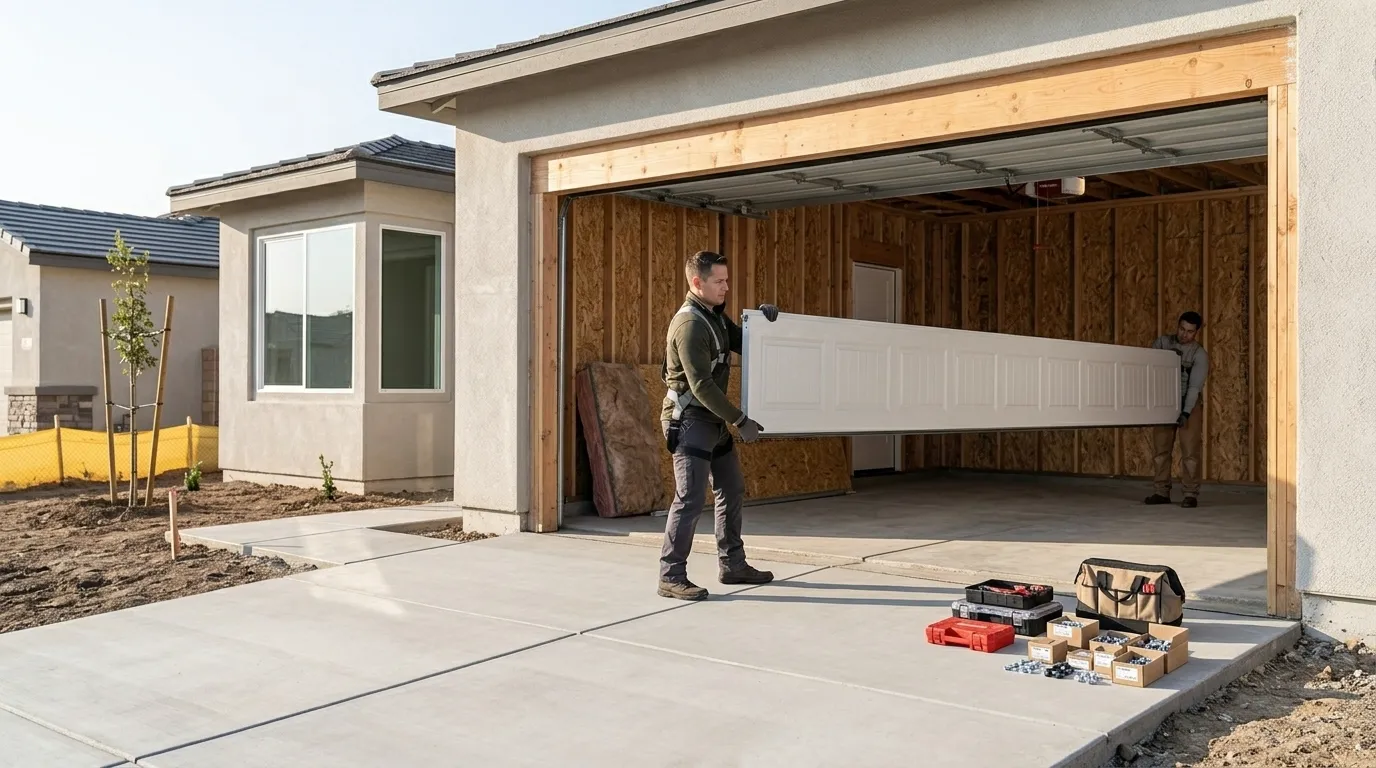
The truck carries the cable sizes and drum pairings that match Chino Valley's housing stock, which is mostly 1980s and 90s construction. That means 7×19 galvanized cable in the standard 3/16" and 1/4" diameters, drums bored for both 2" and 2 3/16" torsion springs, and the bottom cable brackets that fit the bracket spacing builders used on doors from that stretch of construction - not the newer spacing you'd find on a door built in the last five years.
We also carry extension-spring safety cables for the handful of older extension setups still running in the area, since not every house from that period has torsion hardware. What we don't stock is anything custom - if a door has been retrofitted with an odd-size drum or a non-standard cable length from a past repair, that part gets ordered, and the job becomes two visits instead of one. Worth knowing before you call, since it changes the timeline, not the price.
What Can Go Wrong
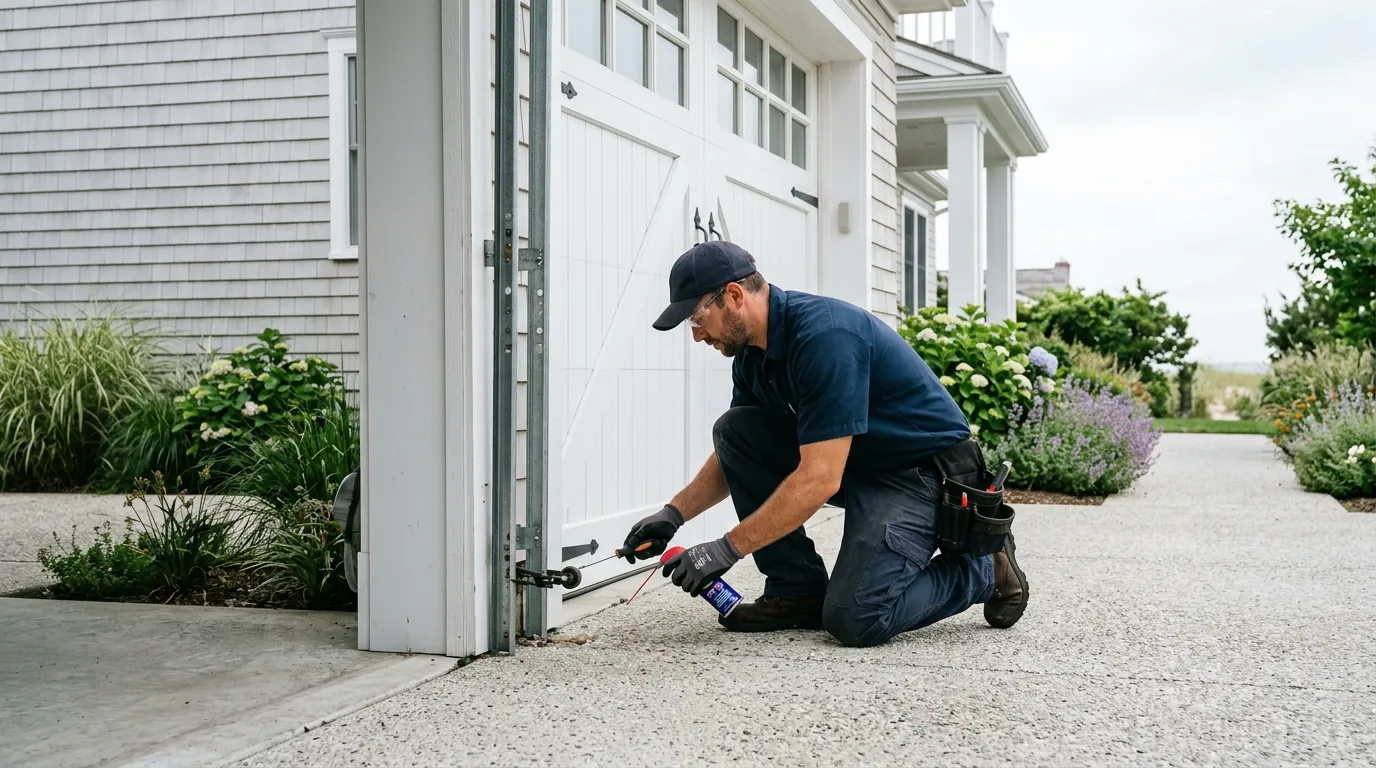
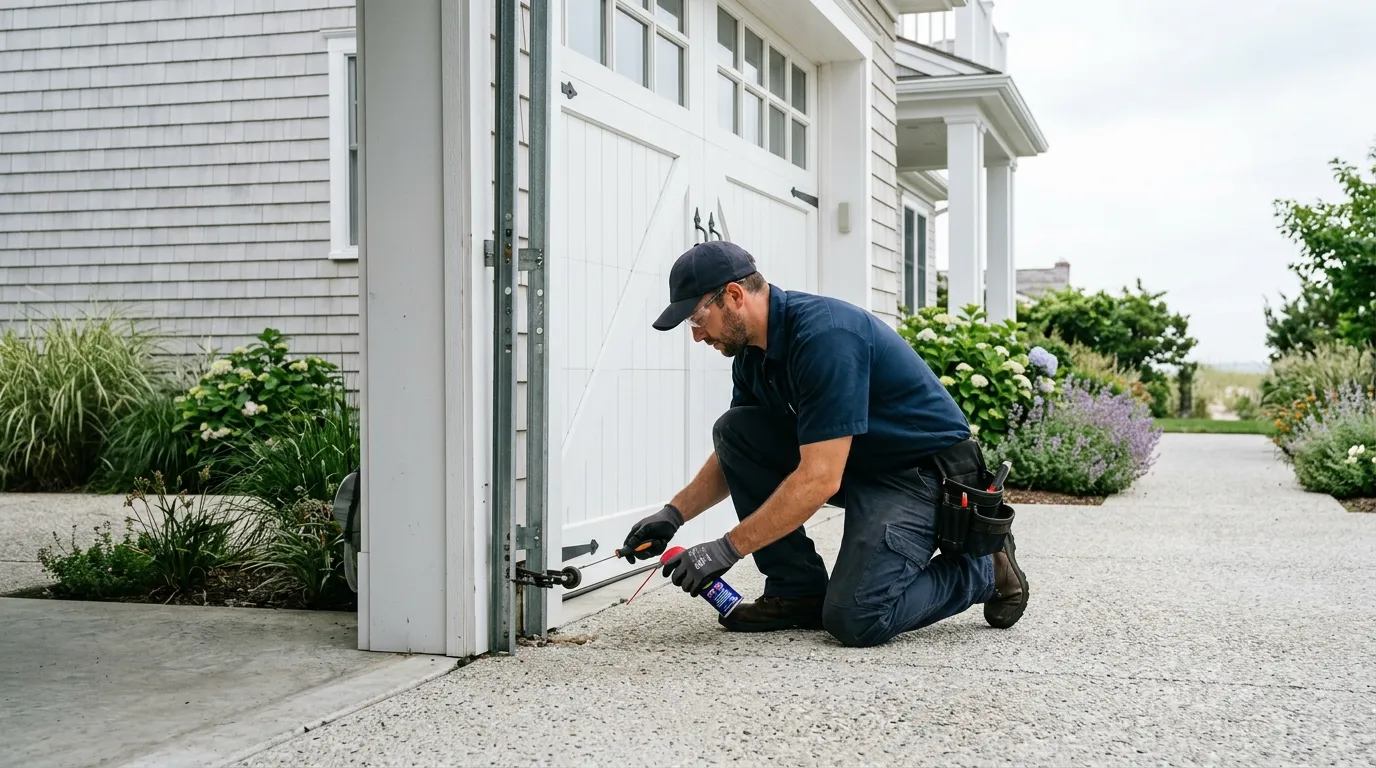
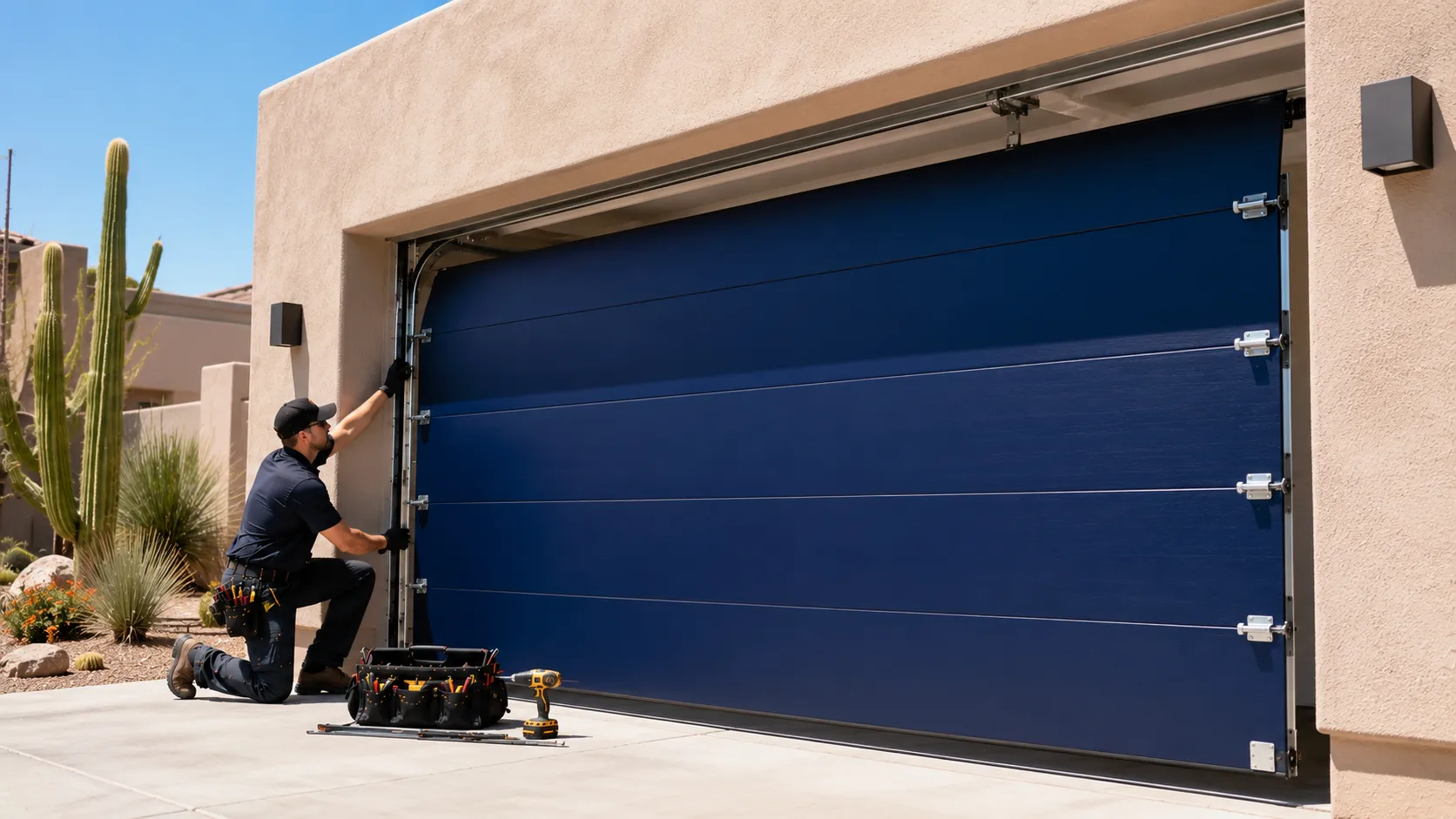
The most common surprise on a cable call in this area is a bottom bracket that's rusted into the track, especially on doors that have sat with a frayed cable for a while before anyone noticed. Freeing a stuck bracket without bending the track takes more time than the cable swap itself.
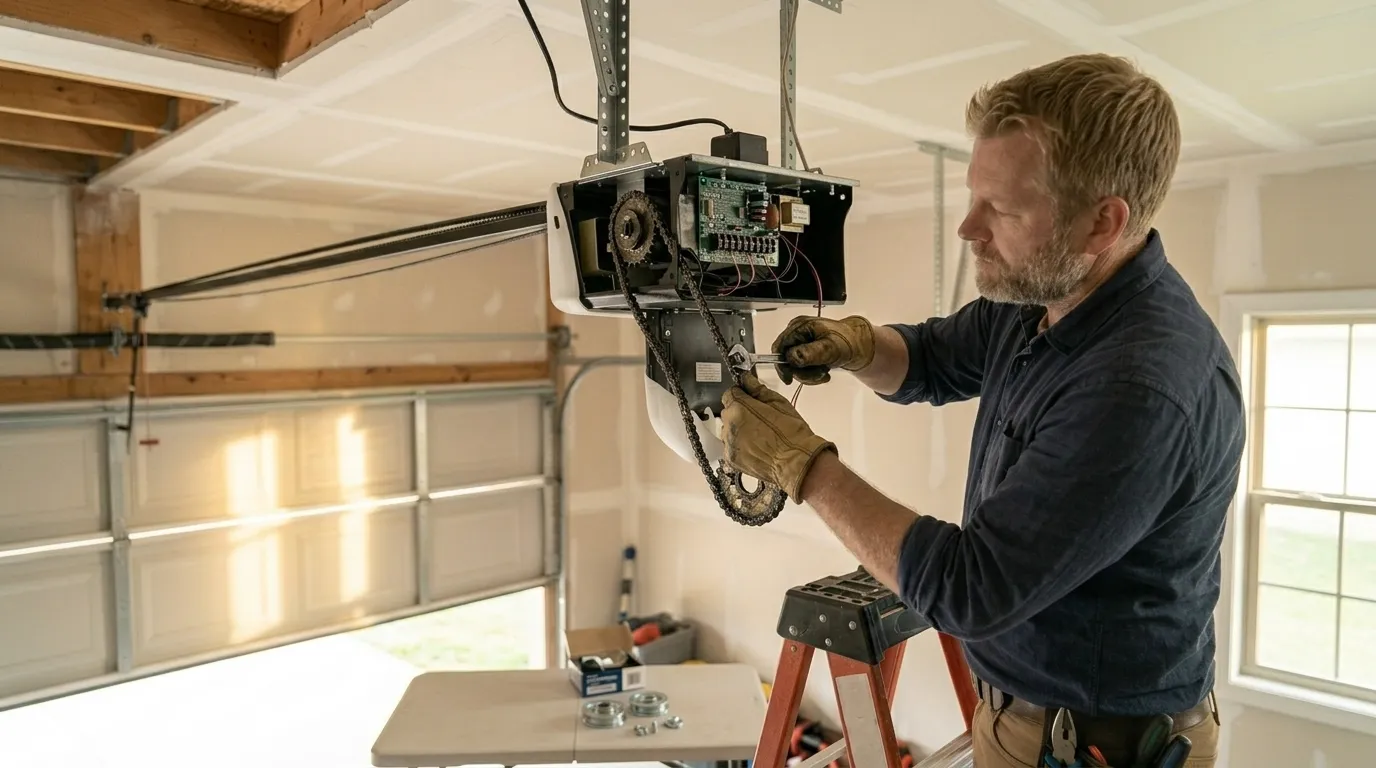
The other thing that goes wrong is scope creep on older openers. If the door has been dropping unevenly for weeks before the cable finally lets go, the opener's travel limits and force settings are usually off too, and fixing the cable alone leaves a door that still doesn't close all the way. We'll flag that on site rather than pretend the cable was the whole problem.
One limitation worth saying plainly: if the drums, track, and springs are all original 1990s stock and worn together, a cable-only repair sometimes isn't the better spend. At that point replacing the hardware set costs less over two years than chasing each part as it fails on its own.
Why This Fails Locally
Chino Valley sits in a cold-moderate climate band, and the yearly freeze-thaw swing works into a cable's zinc coating faster than it would in a milder spot. Moisture gets into the strand wrap during a cold snap, the zinc starts to go, and the rust works from the inside out - which is why cables here often look fine right up until they don't.
Across the area's roughly 5,657 households, the median year built of 1999 means a large share of original torsion cable is at or past the point most manufacturers expect it to be swapped out. That's not a maintenance problem unique to any one street - it's the housing stock as a whole aging into the same failure window at close to the same time.
We run this call out of Prescott Valley, 11 miles up the road, so the truck comes stocked for the era rather than guessing on site. See what else we cover in the area at /near/chino-valley/, or check the cable repair page for Prescott Valley itself at /garage-door-cable-repair-prescott-valley-az.