How It Shows Up
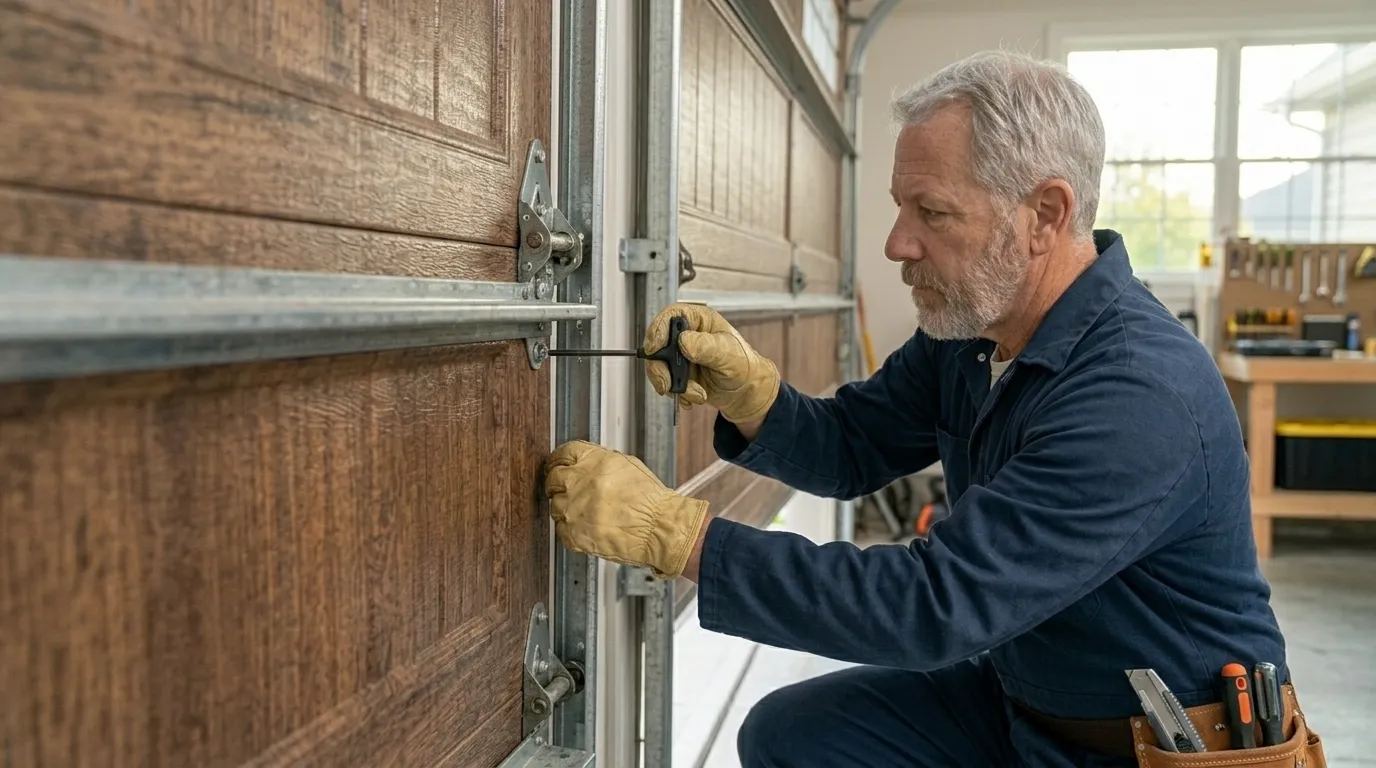
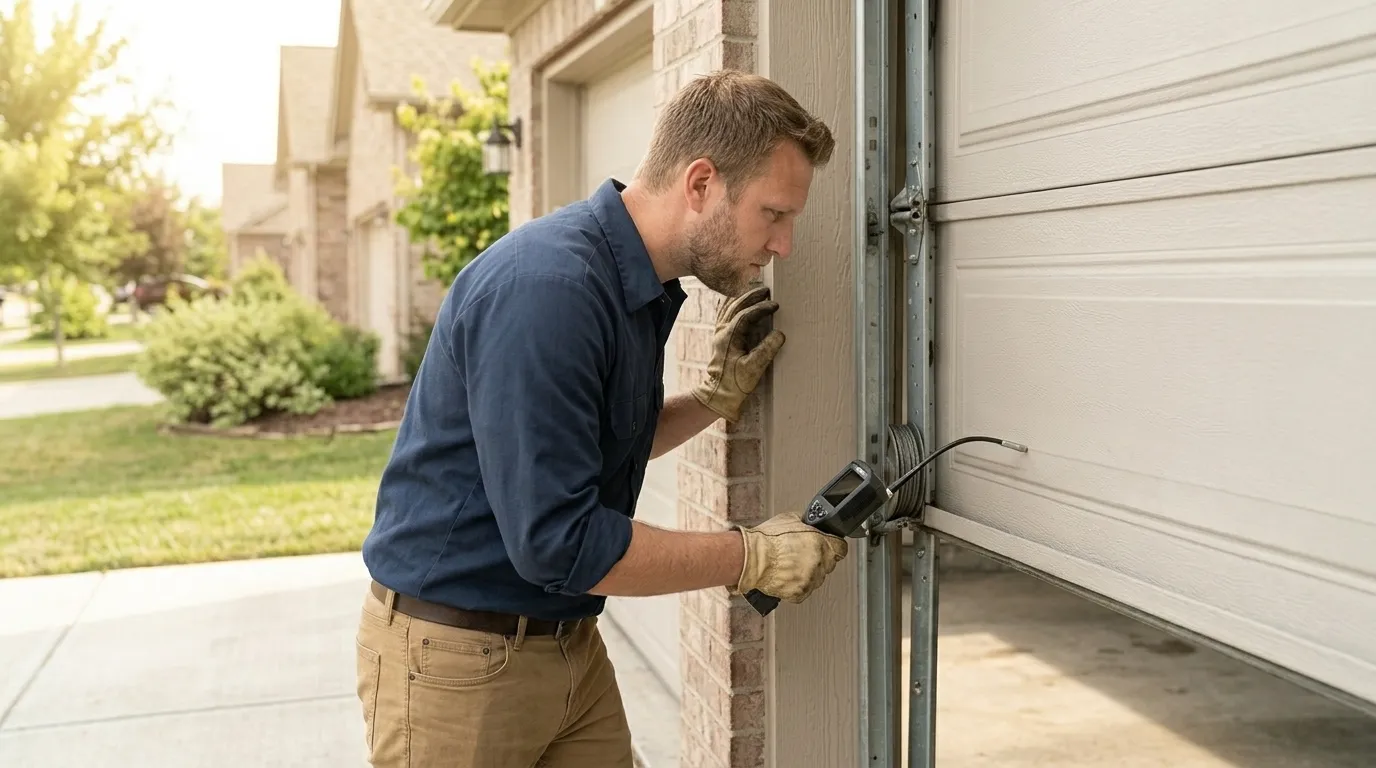
The door starts slow on cold mornings, then jerks partway up before the opener strains and stalls. Or it slams down the last foot instead of settling. Sometimes it's a loud bang from the garage followed by the door refusing to move at all - that's usually a torsion spring letting go. You might also notice the door hanging crooked on one side, off by an inch or two, which means one cable or spring is carrying more load than the other and is close to failing outright.
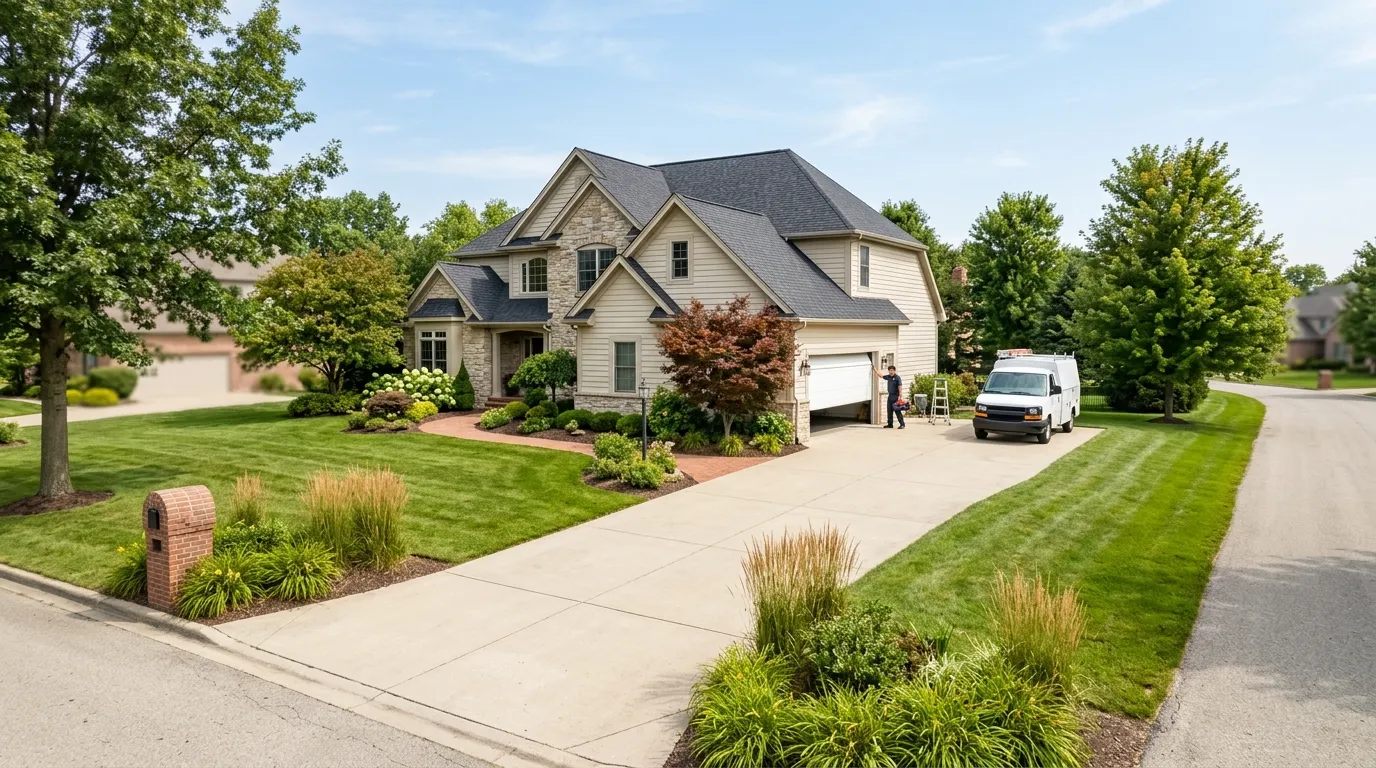
On houses in the Prescott Valley area, we see this cluster in a fairly narrow age band. Most of the housing stock here went up between 1987 and 1999, with a median build year around 1992 - that puts a huge share of doors and their original hardware at 25 to 35 years old. Springs rated for a working life measured in open-close cycles, not calendar years, are well past due in that range whether or not the door looks fine from the driveway. The symptom often isn't dramatic until the day it is."},{"h2":"Why This Fails Locally","body":"Two things stack on top of each other here. First is the age of the housing itself: with construction concentrated in the late 1980s through the 1990s across the five main built-up areas of town, a big share of doors are on their original or first-replacement torsion springs and cables, sized to specs that were standard 30 years ago and don't always match what's on the truck for a newer install. Second is the climate. Prescott Valley sits in a cold-moderate band, meaning real winter cold snaps and wide day-to-night swings, not the mild coastal kind. Steel springs contract in the cold and lose a little tension every cycle; grease inside the coils thickens and stops cushioning the metal the way it does in summer. That combination - old spring, cold morning - is when a spring that's been slowly weakening for a year finally snaps instead of just squeaking.
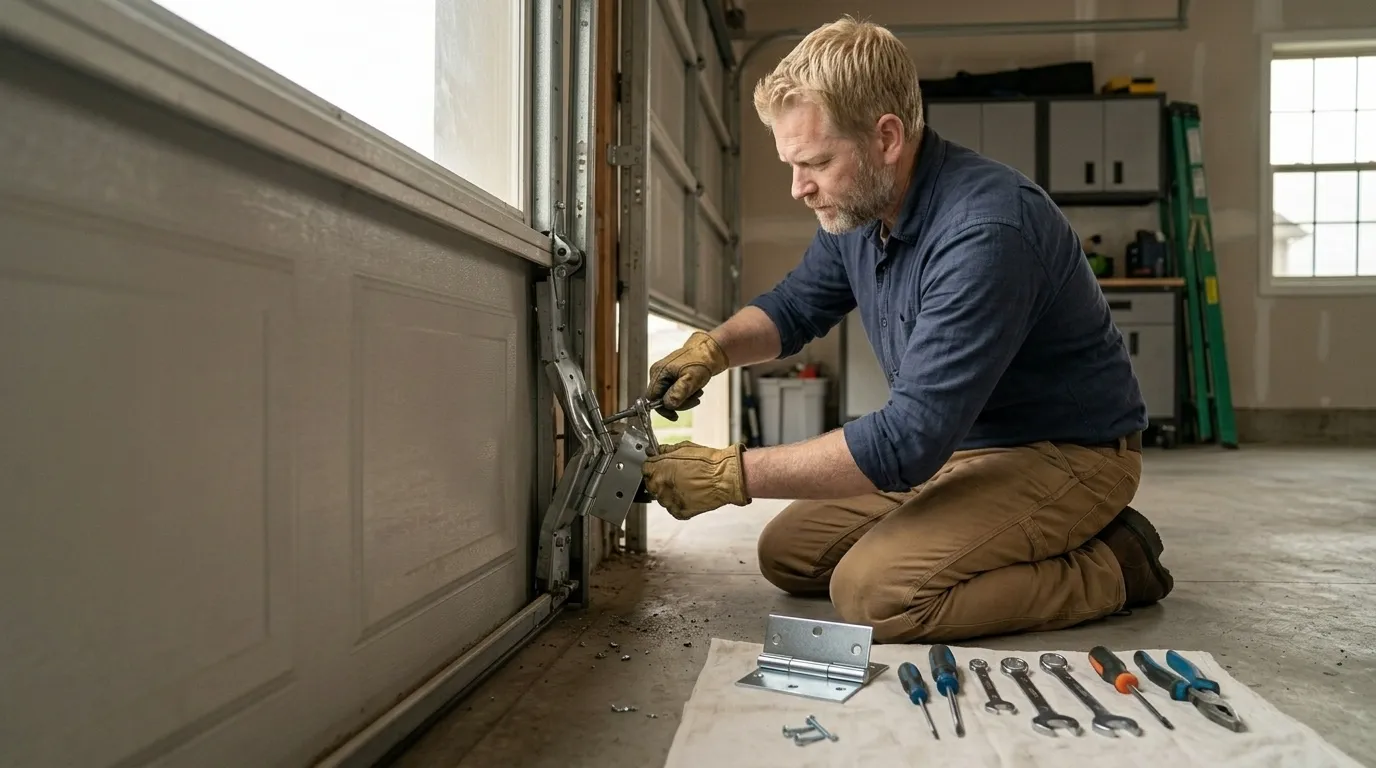
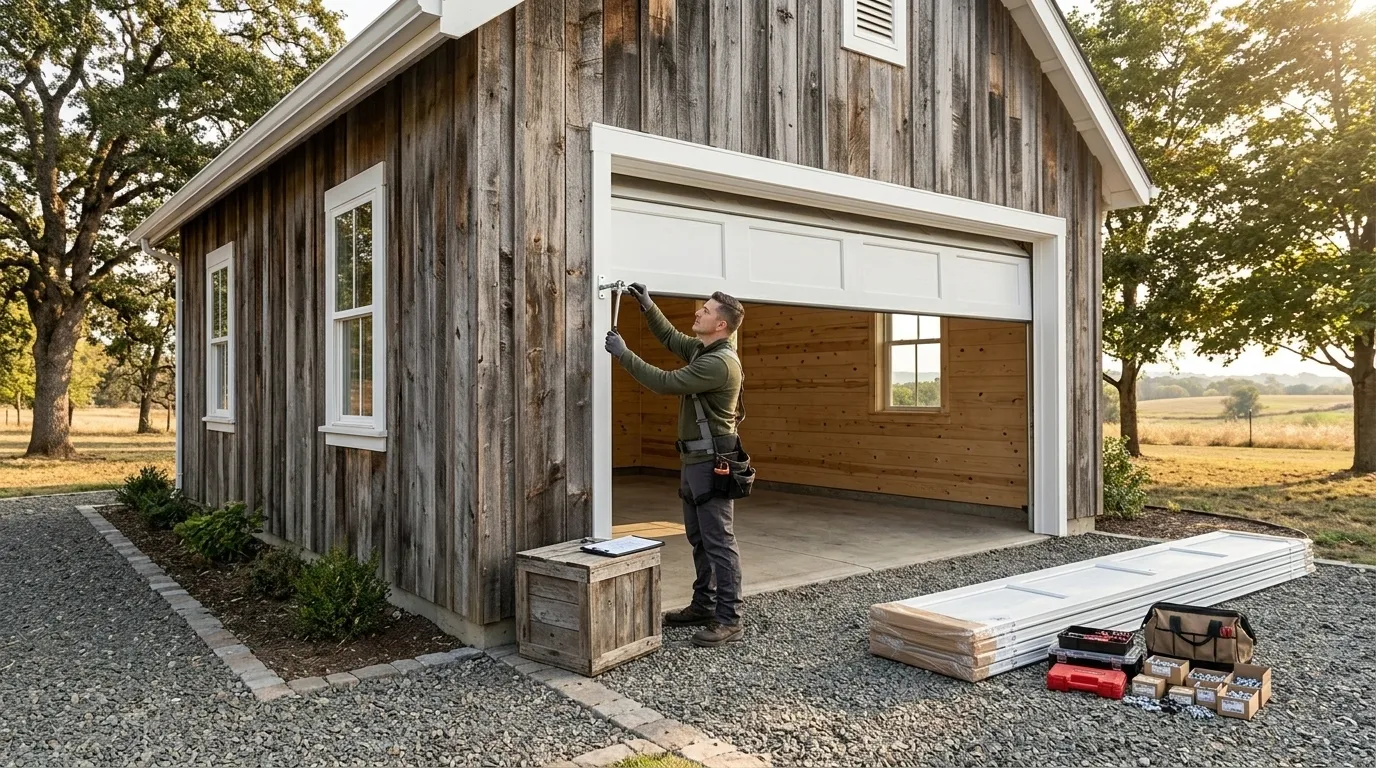
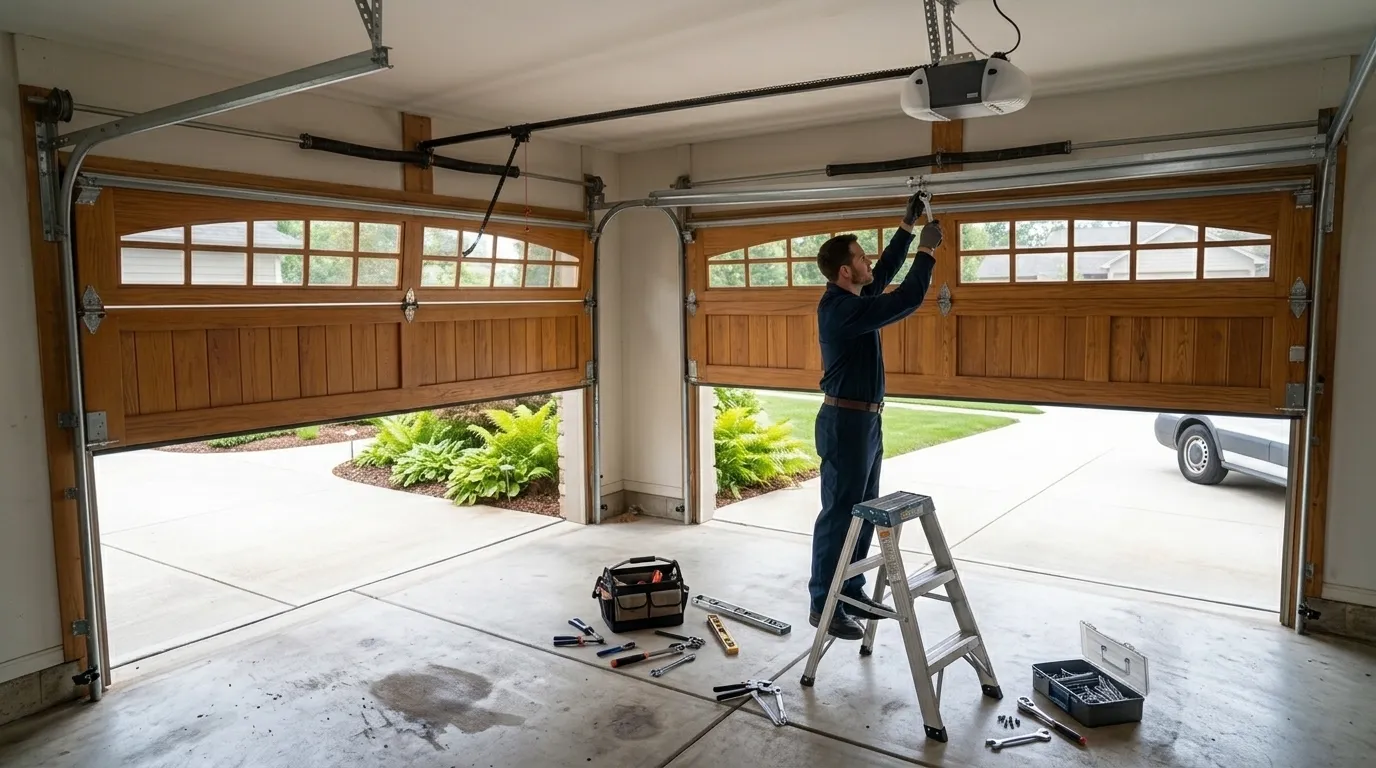
Rollers and hinges take the same beating. Nylon rollers get brittle in cold snaps, and on a door that's already 25-plus years old, that brittleness plus age-worn bearings is what turns a quiet door into a grinding one. It's not one cause, it's the two working together on housing stock that's now old enough to feel it."},{"h2":"Stocked Parts","body":"We carry torsion springs in the wind and wire sizes that match 1980s and 1990s residential door weights, since that's the bulk of what's on the road in this service area. Same with standard-drum cable, ball-bearing and nylon rollers rated for cold-weather service, and the hinges and end bearing plates that wear out at the same rate as the springs on a door this age.
What we don't keep on the truck is anything oversized or custom - a door built with a non-standard track width or an odd spring configuration outside the common residential range sometimes has to be special-ordered, and that can add a day or two versus a same-visit fix. If your door falls into that category we'll tell you straight rather than jury-rig a part that doesn't fit right, because a spring under- or over-wound for the door's actual weight is how you end up back at square one in six months."},{"h2":"The Cost of This Job","body":"What a repair runs depends on what's actually broken - a single roller swap is a different job than replacing both torsion springs and cables on a heavy insulated door, and we won't quote a number without seeing the door. What we can tell you is that in a service area where median household income sits around $59,733 across roughly 13,365 households, we try to fix what's fixable rather than push a full door replacement when a spring and cable job will get another decade out of a door that's structurally sound.
That said, a door that's already had two or three spring replacements and is showing rust on the track or delamination on the panels is usually past the point where another repair makes sense. We'll say so if that's what we find - replacing it costs more up front but stops the repeat calls."}],