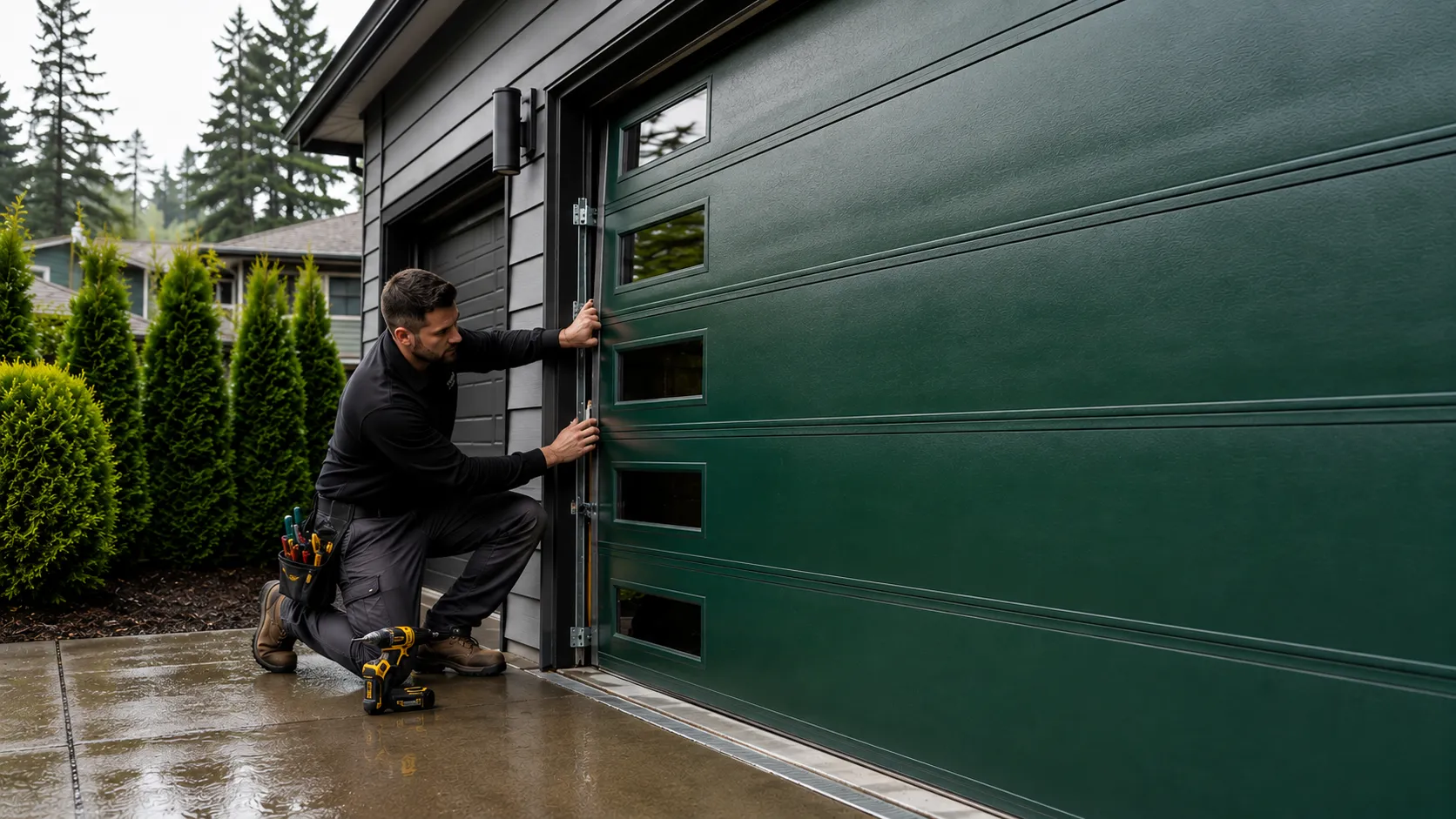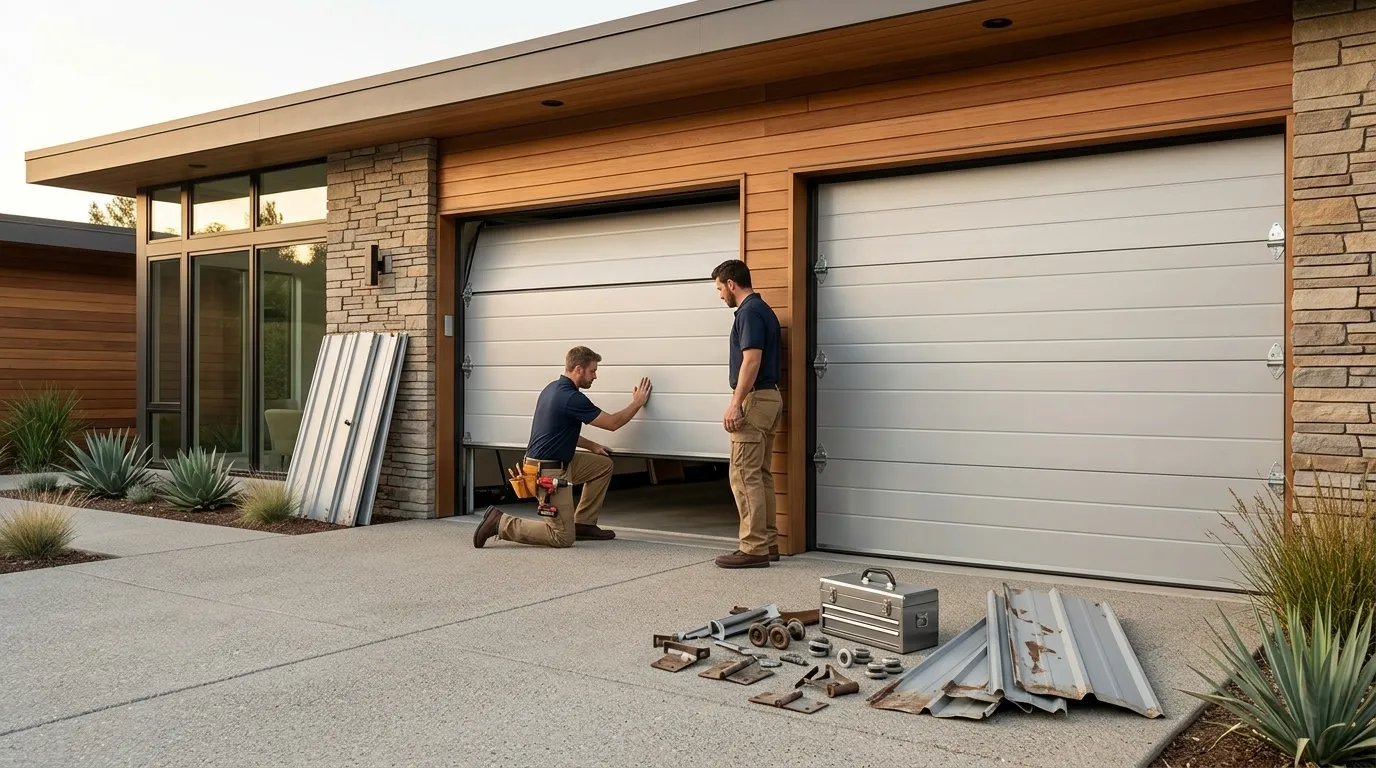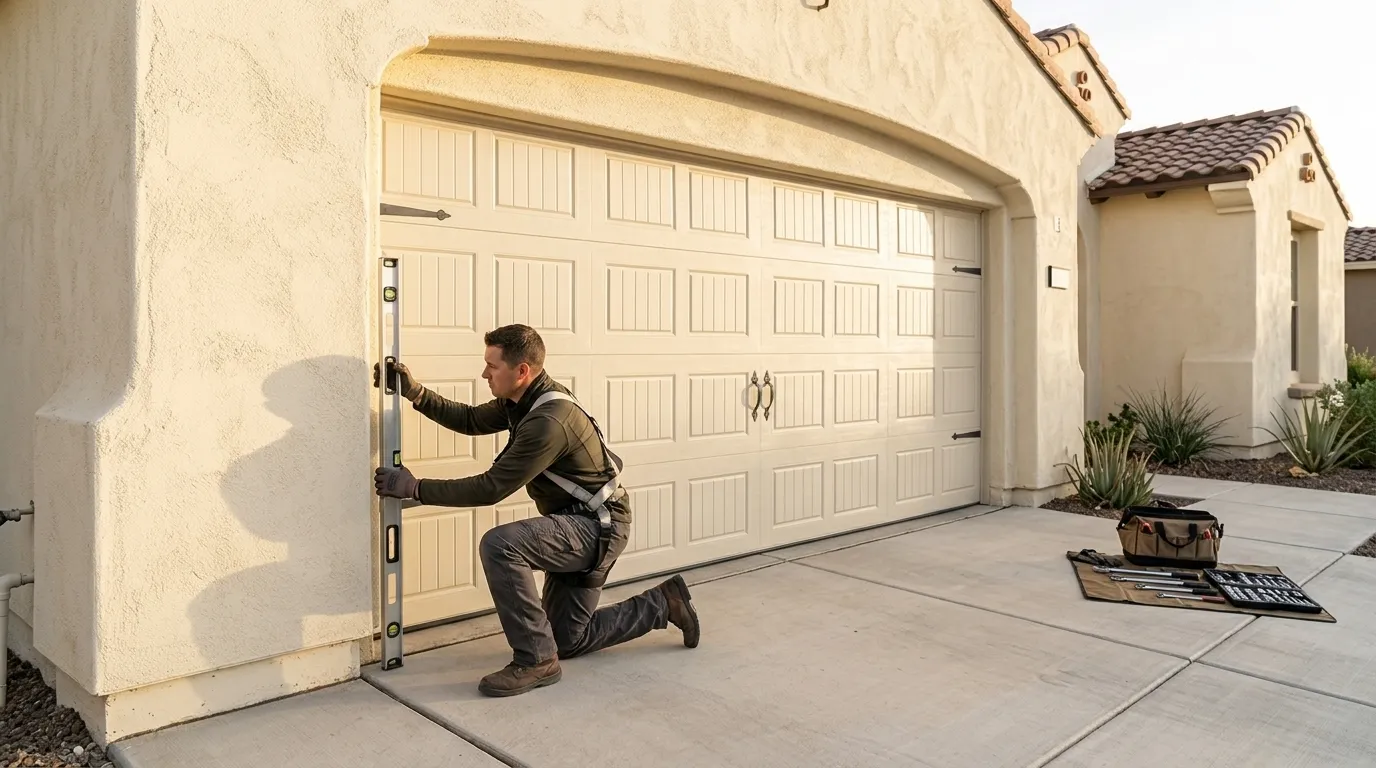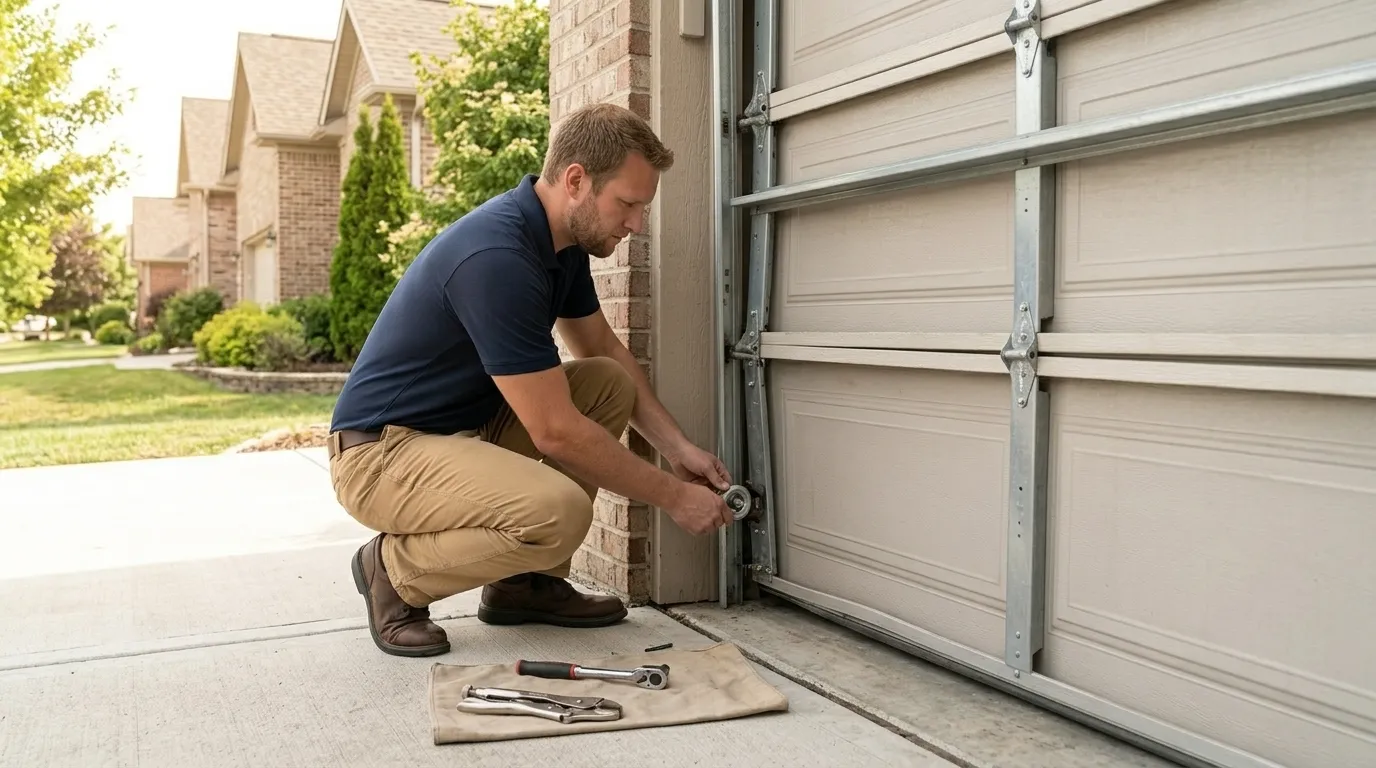
How That Shows Up in the Door
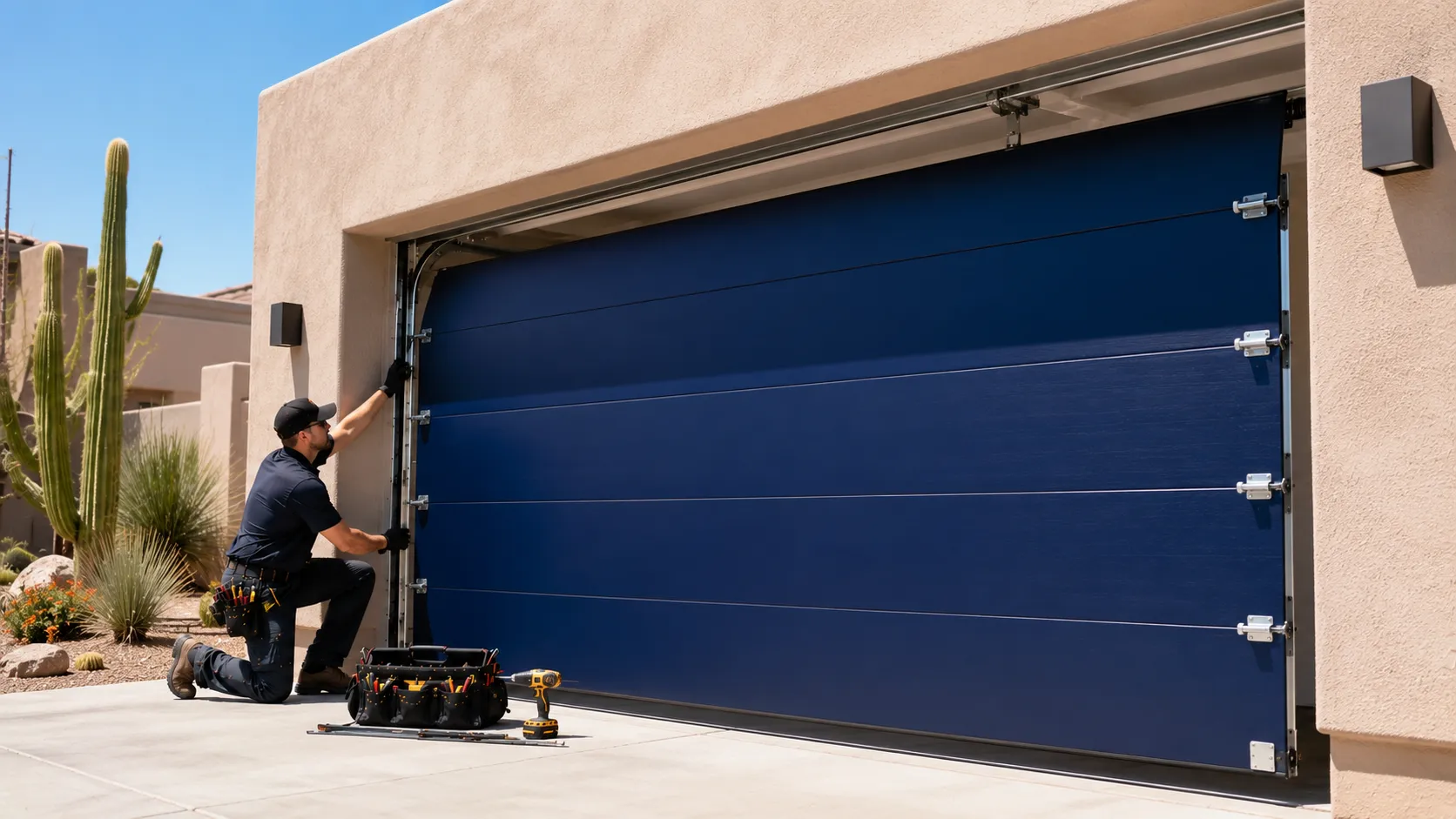
Clarkdale sits about 18 miles from our shop in Prescott Valley, and the doors we pull hardware off out here skew older than what we see closer to home. Most houses in this area went up around 1988, which puts a lot of original torsion springs and openers well past the age where you'd want to trust them without a look. A spring wound in 1988 and never replaced has done thirty-plus years of lifting - that's not a scare number, that's just the math of a coil that's been flexing twice a day for three decades.
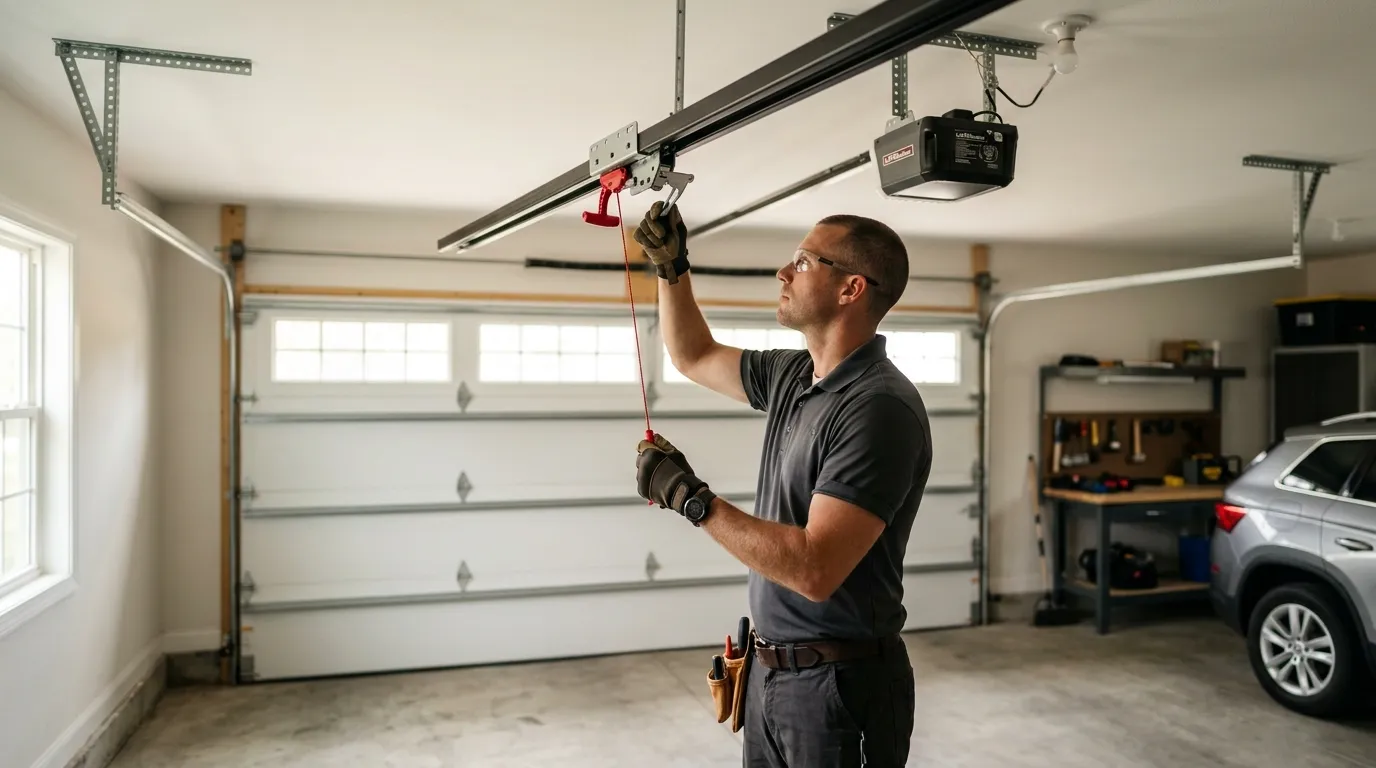
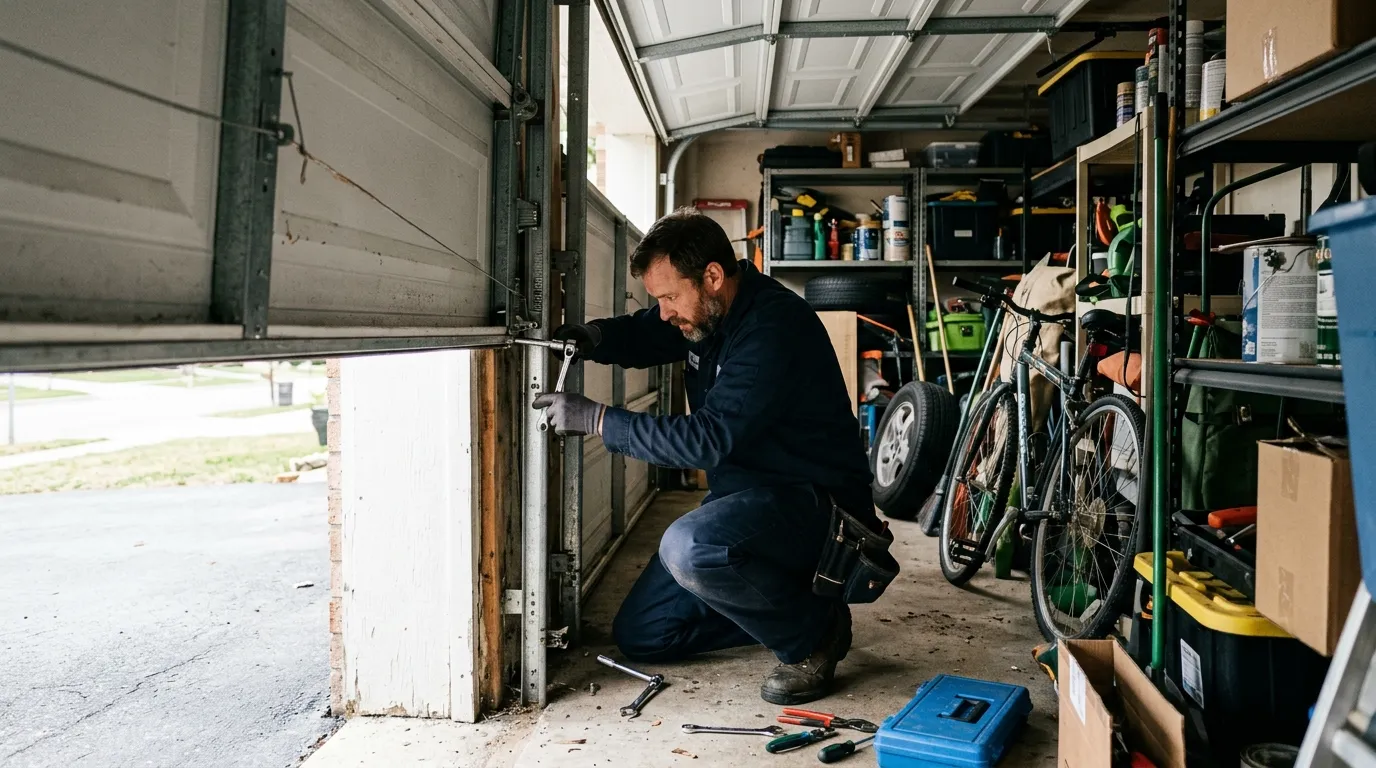
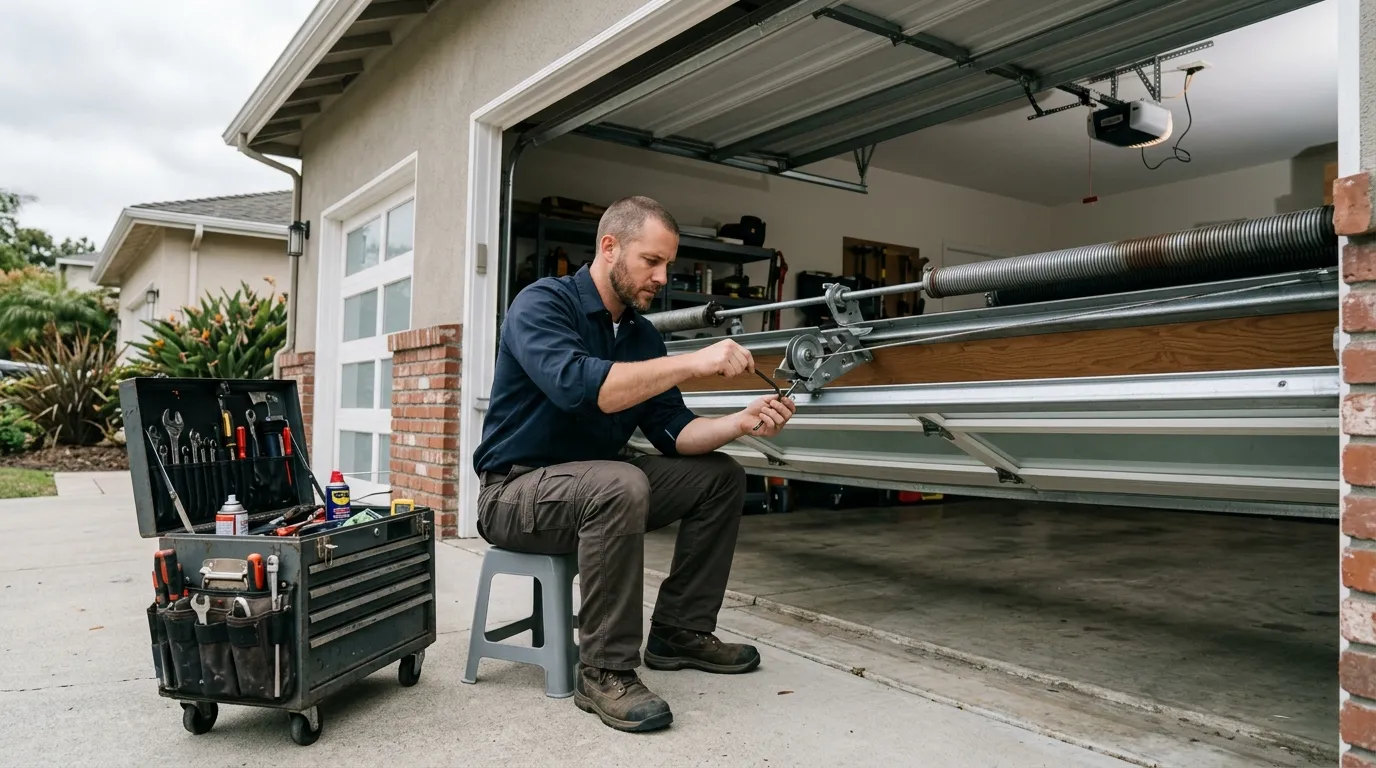
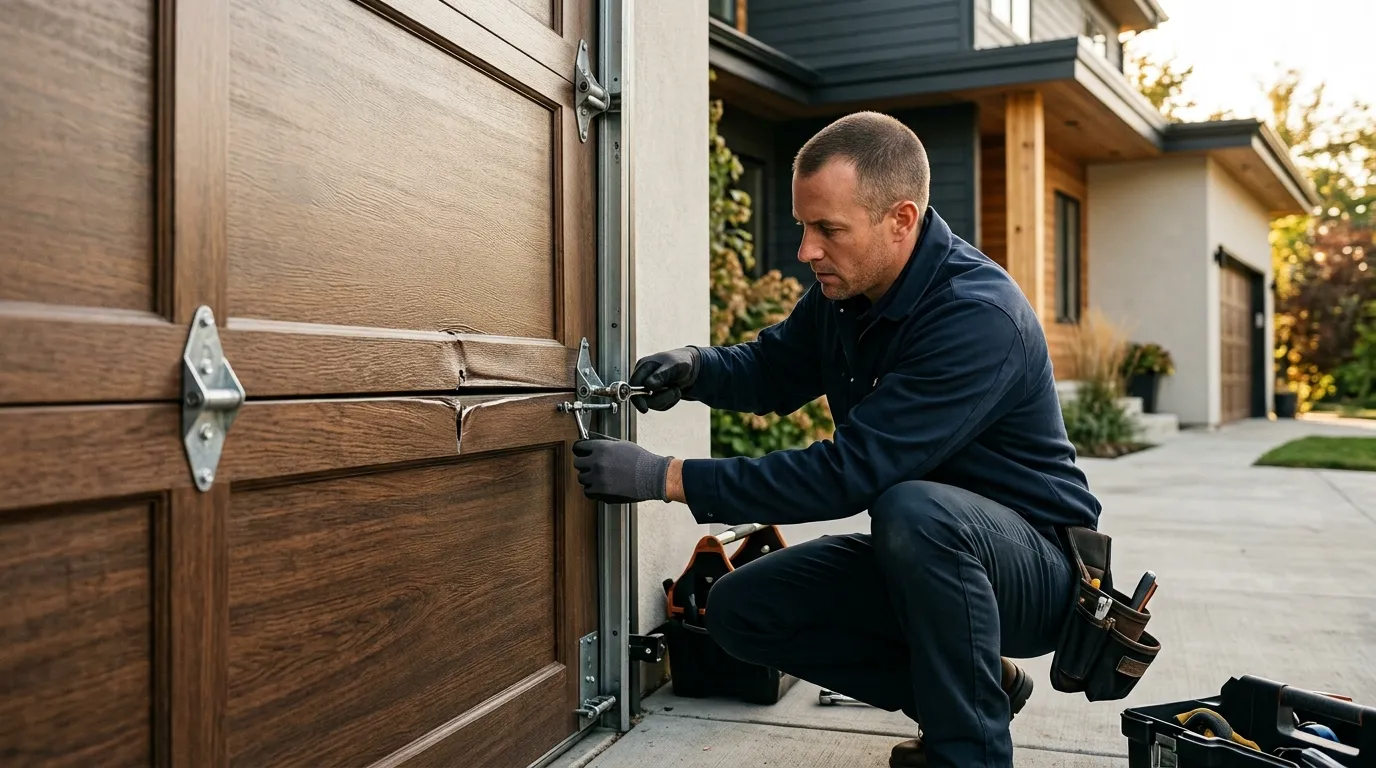
What that means on a call: we're not usually chasing a bad circuit board or a sensor that's out of alignment on a two-year-old opener. We're more often looking at a torsion spring that's finally given out, a cable frayed from riding a stretched or rusted drum, or an opener old enough that the gears inside have worn to plastic dust. None of that is unusual for a door this age - it's just what happens on a schedule, and the schedule caught up with this side of the valley a while back.
We still check the newer stuff too. Not every house on this list was built in the 80s, and a door from a later remodel behaves differently than the original stock. But if you're calling about a door that's been in the garage since the house was built, age is the first thing on our list, not the last.
This Area's Housing
With roughly 2,487 households in this part of our coverage and a median build year around 1988, Clarkdale leans toward original equipment more than some of the newer pockets we service. Median household income here runs about $32,607, which is a real number worth naming plainly: it shapes how we talk about repair versus replacement. We'd rather fix a spring or a section than sell a door that doesn't need selling, and on a fixed household budget that difference matters more than it does on a page full of upsell copy.
A lot of the doors from this era are steel sandwich panels on a torsion spring set with a chain-drive opener, sized for a single garage more often than the double bays you see in later builds. The track hardware is usually the older style bracket, which is fine as long as it's still square and the fasteners haven't backed out over the years - that's a five-minute check we do on every call whether it's what you asked about or not.
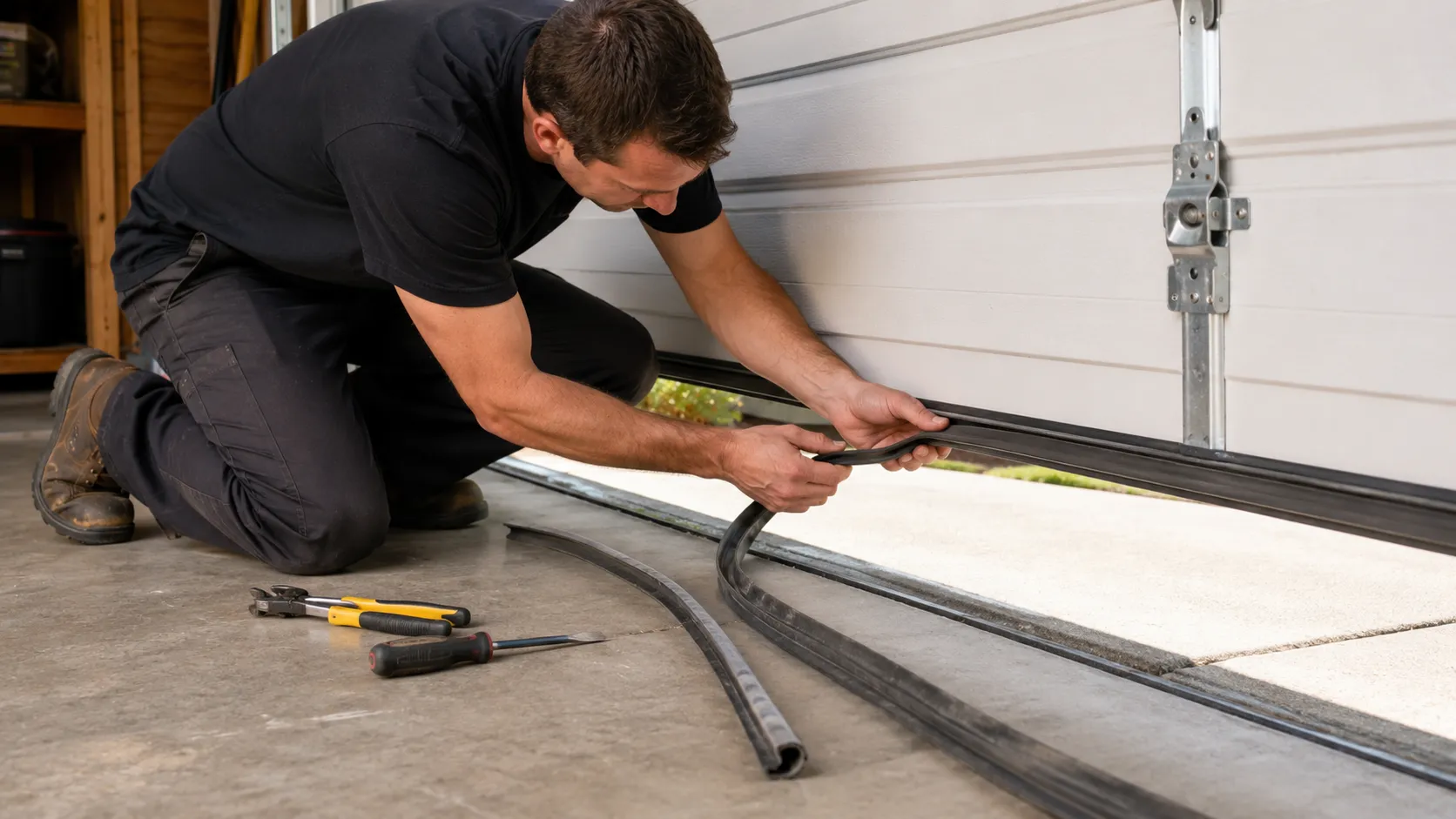
The climate band we work in is cold-moderate, which is gentler on rubber seals and steel than true desert heat, but temperature swings still take a toll on original weatherstripping and on grease that hardened in place a long time ago. If your door still has its factory bottom seal, it's earned a look.
What We Do Not Do
We don't keep a depot or a crew stationed in Clarkdale - every job here means a truck making the 18-mile drive from Prescott Valley, and we're straightforward about that rather than pretending otherwise. We also don't push a full door replacement on a spring or cable repair just because the door is old; if the panels and track are sound, a repair on original 1988-era hardware is often the right call, not the fallback one.
What we won't do is guess at a part number over the phone for a door we haven't seen. Openers and spring sizing changed enough between the late 80s and today that showing up with the wrong spring wastes a trip for both of us, so we ask a few questions up front - door width, single or double, and roughly how old - before we say what we're bringing.
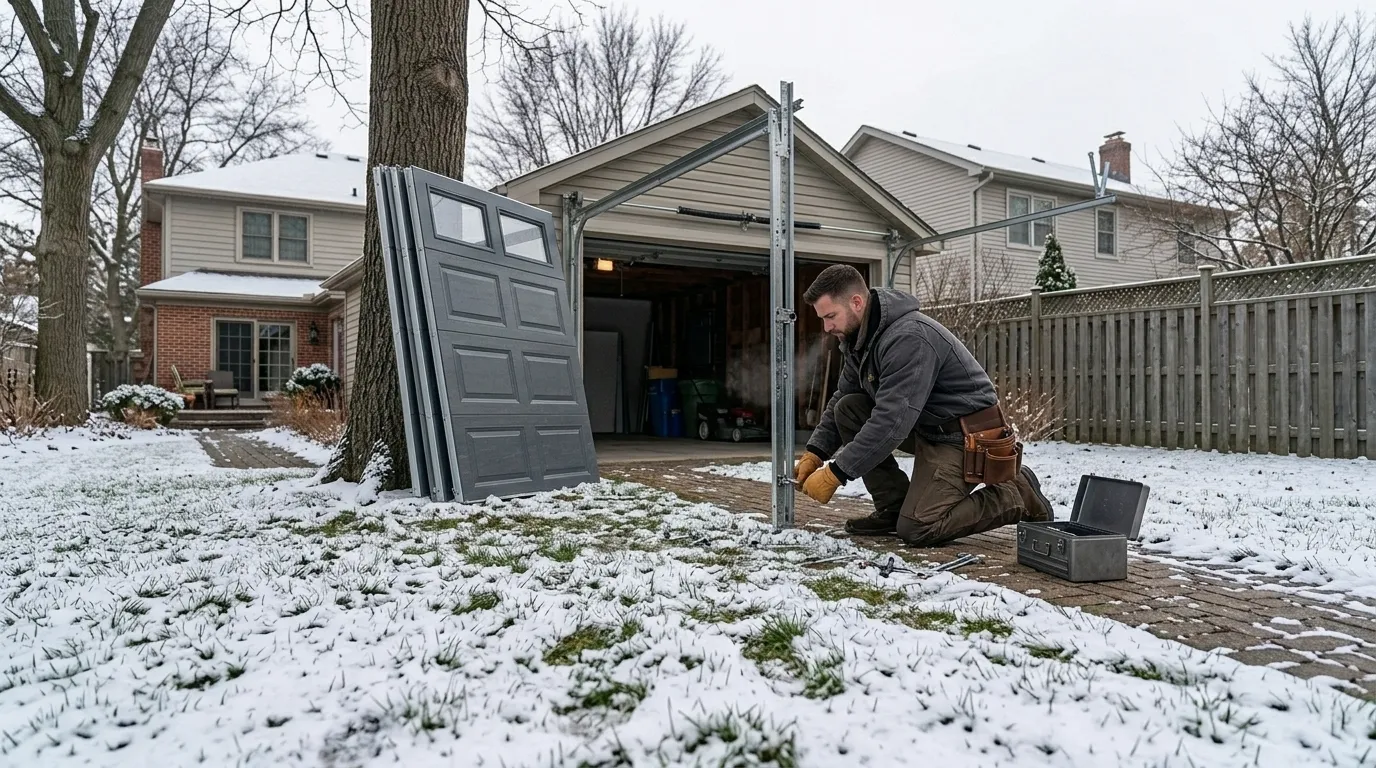
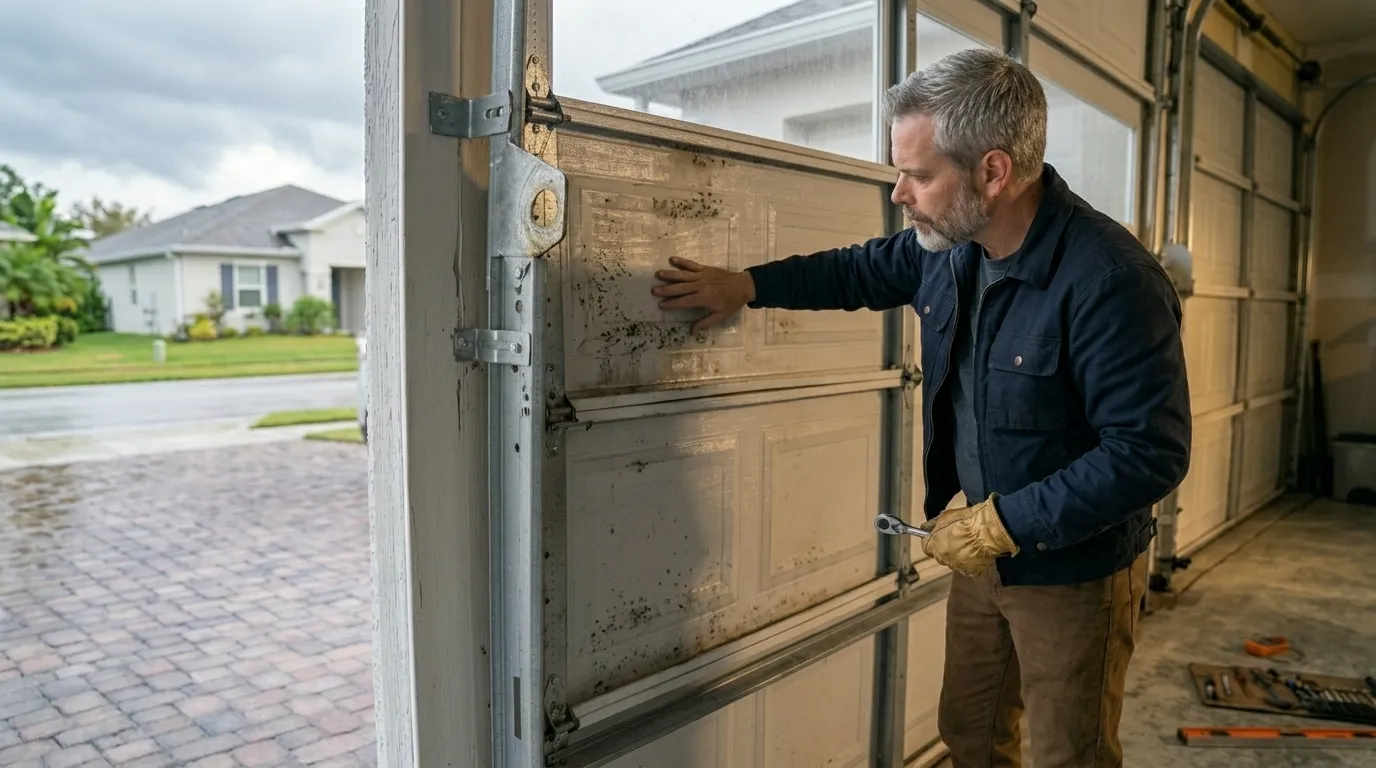
And we're honest when a repair isn't worth it: if a panel is rusted through or an opener's gearbox is the kind that's been discontinued for parts, we'll tell you that's a replacement conversation, not another patch job.