24/7 Emergency Service Open 7 days · 7am–8pm Serving Prescott Valley, AZ & nearby
(928) 384-1449
Prescott Valley, AZ

When the Power Goes Out, Your Opener Age Matters

Most Prescott Valley homes date to the 1987-1999 build wave, and that opener wiring plus our cold-moderate winters is exactly why power cuts leave doors stuck. Here's what to check.

When the Power Goes Out, Your Opener Age Matters

Checking It Yourself

Before you call anyone, open the garage and look at the opener's manual release cord - the red one hanging near the top of the door. If your house was built in that 1987-1999 wave that covers most of Prescott Valley's housing stock, your opener has likely been swapped at least once, maybe twice, since the original build. Pull the cord gently. If the door moves by hand without much resistance, the opener itself is the problem, not the springs.

Next, check the wall outlet the opener plugs into. A lot of homes from this era ran the opener off a single garage circuit with no dedicated backup, which means a breaker trip or a grid outage takes the whole unit dark with no warning. Look for a battery backup box near the opener head - if there isn't one, that's the gap.

Last, listen for a hum with no movement when you press the wall button. That's usually a capacitor or a logic board issue inside the opener, not a spring or cable problem, and it's worth knowing the difference before a truck ever pulls up.

The Problem

The 8,835 owner-occupied houses across this service area mostly share a build window of 1987-1999, and that means the openers going into them now are second or third-generation units - the originals didn't have battery backup as a standard feature, and a fair number of replacements installed over the years didn't add one either. That's fine until the power drops during a cold-moderate winter storm and a car is stuck inside a locked garage.

The second half of the problem is wiring age. A house built in 1992, the median year for this area, has garage circuits sized for the load expectations of that decade - a single opener motor, a light bulb, maybe a freezer. Add a modern opener with a stronger motor and you're sometimes running it closer to the circuit's limit, which shows up as more frequent trips during winter when everything else in the house draws more power too.

What Local Conditions Do

A cold-moderate climate band doesn't mean brutal winters, but it does mean regular freeze-thaw cycles, and that's what stresses opener components you don't think about. Metal contacts in the wall switch and the logic board's relay points contract in cold and expand once the garage warms during the day. Over a decade of that cycling, connections that were fine loosen just enough to cause intermittent power loss to the opener - not a full outage, just enough that the door won't respond some mornings and works fine by afternoon.

Grid-related power cuts compound this. When the outage is a moment, a modern opener resets clean. When it's longer, in a cold-moderate winter, the standby battery in some units (where one exists) can lose charge faster than it would in a mild climate, since cold reduces battery capacity across the board. That's not unique to garage door openers, but it's exactly why a Prescott Valley opener with an aging backup battery is more likely to fail during the storm that actually needs it to work.

Season by Season

Winter is when power cuts show up most, and it's also when the opener's mechanical parts move slowest - cold grease in the drive gear, a slightly stiffer chain or belt. If your opener already struggles with intermittent power, winter is when that struggle turns into a dead unit. Check the battery backup, if you have one, at the start of the season, not after the first outage.

Spring and fall are the seasons to actually deal with the wiring and connections issue, since the garage temperature swings less and you're not working against cold hands or a freezing slab. This is a good window to have someone check the circuit load if your opener is newer than the house wiring.

Summer heat isn't as much of a factor here given the cold-moderate band, but it's still worth knowing that heat expands the same contacts that cold contracts, so a connection that's marginal will show symptoms in both directions, just less dramatically in summer. One honest note: if your opener is original to a 1990s build and still running the stock logic board, replacing it outright is usually cheaper over time than chasing intermittent failures with individual part swaps.
How it works

From “it’s stuck” to “it’s fixed”

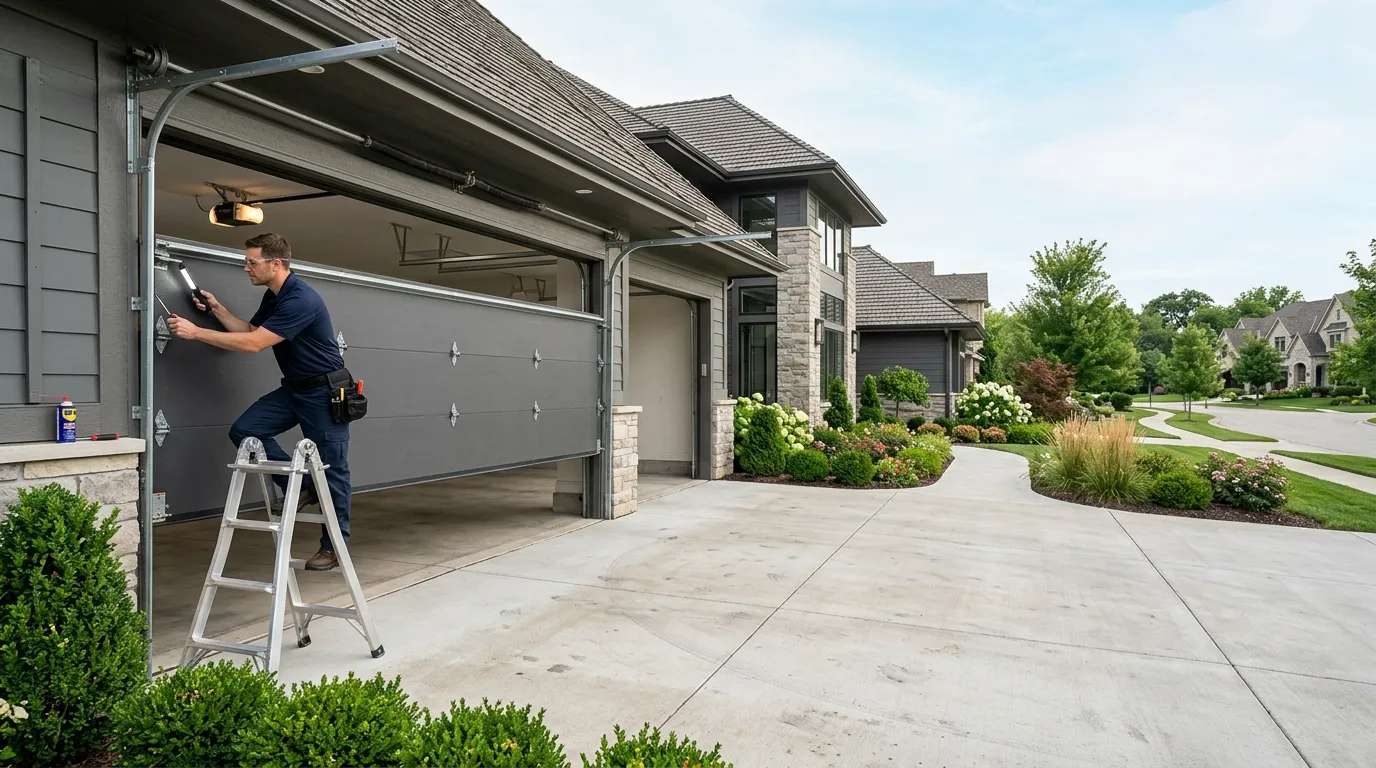
Tell us what’s wrong - Prescott Valley garage door service

Tell us what’s wrong

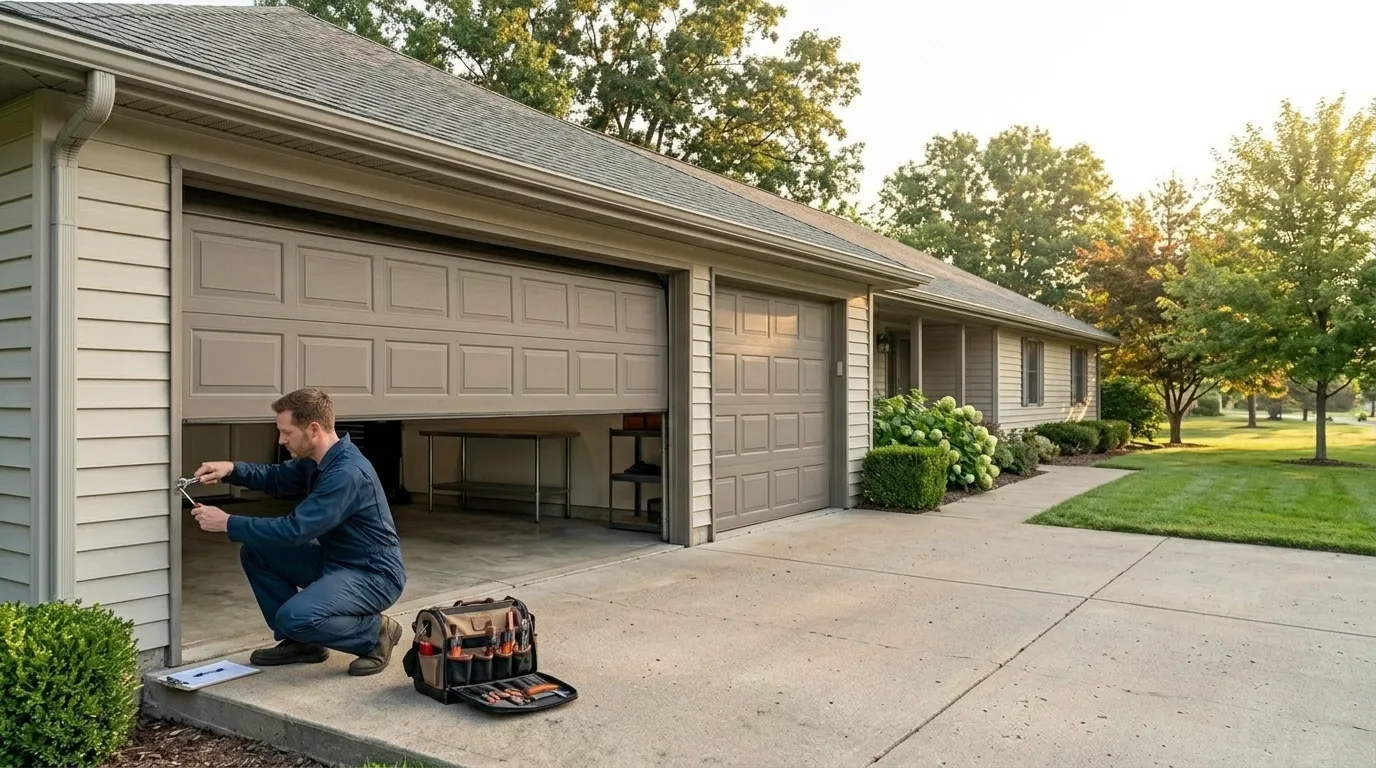
Describe the symptom - won’t open, loud bang, opener runs but the door won’t move.

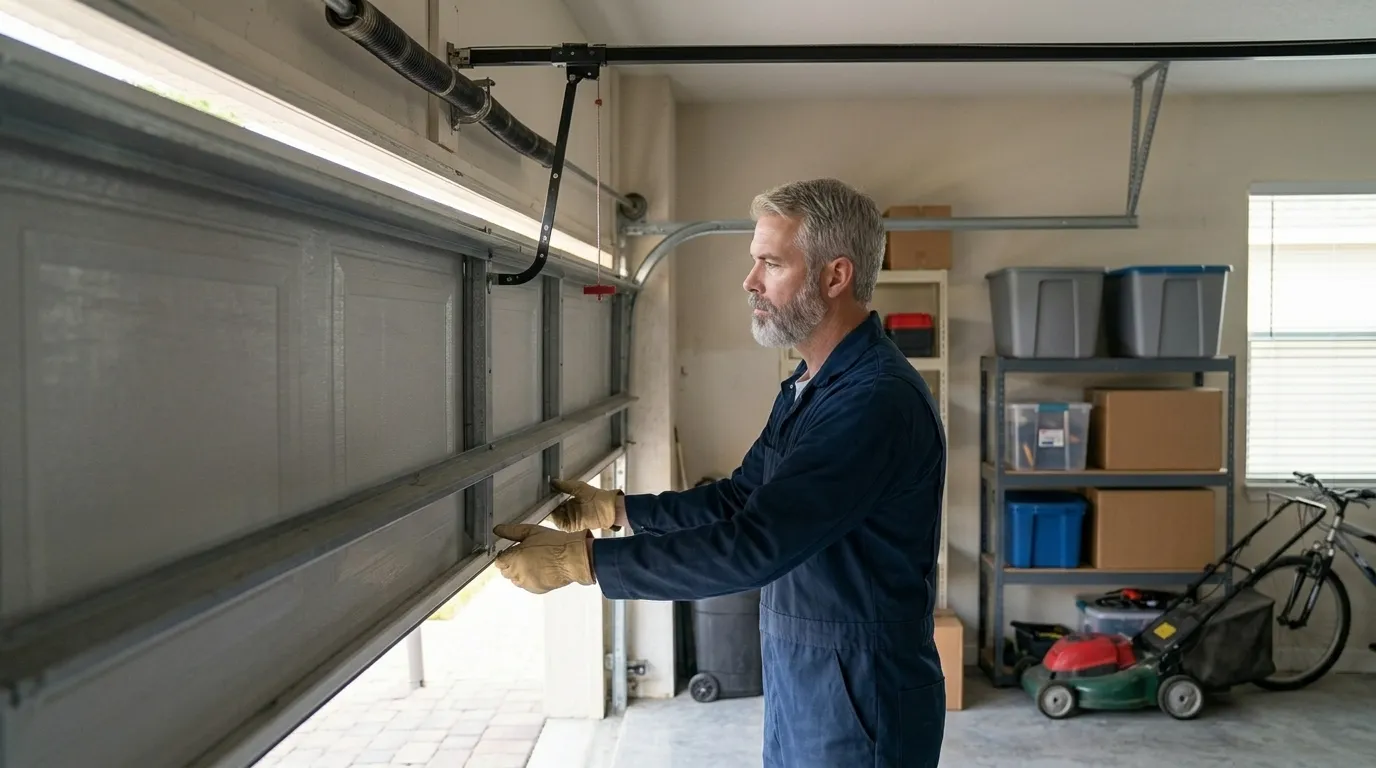
On-site diagnosis - Prescott Valley garage door service

On-site diagnosis

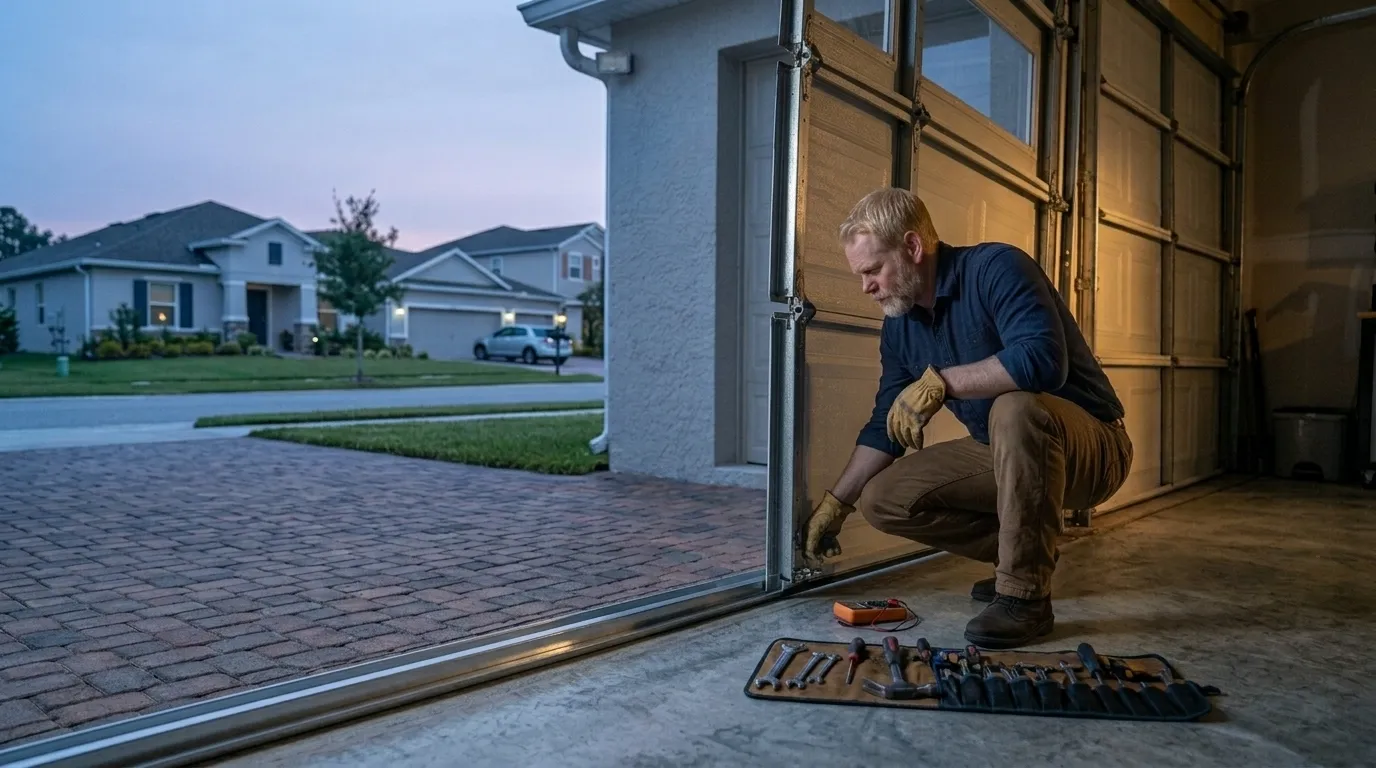
A technician tests the door under power and by hand and finds what actually failed.

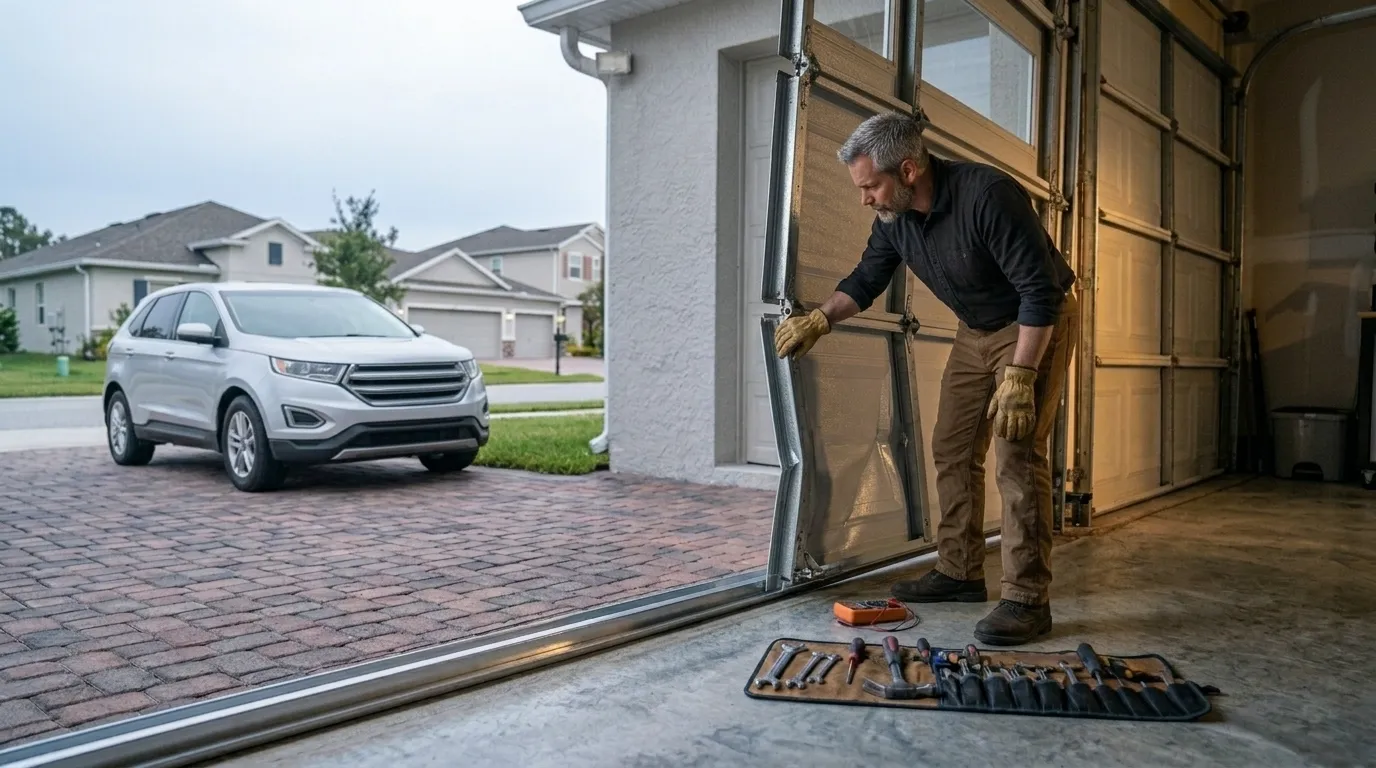
Clear, up-front plan - Prescott Valley garage door service

Clear, up-front plan

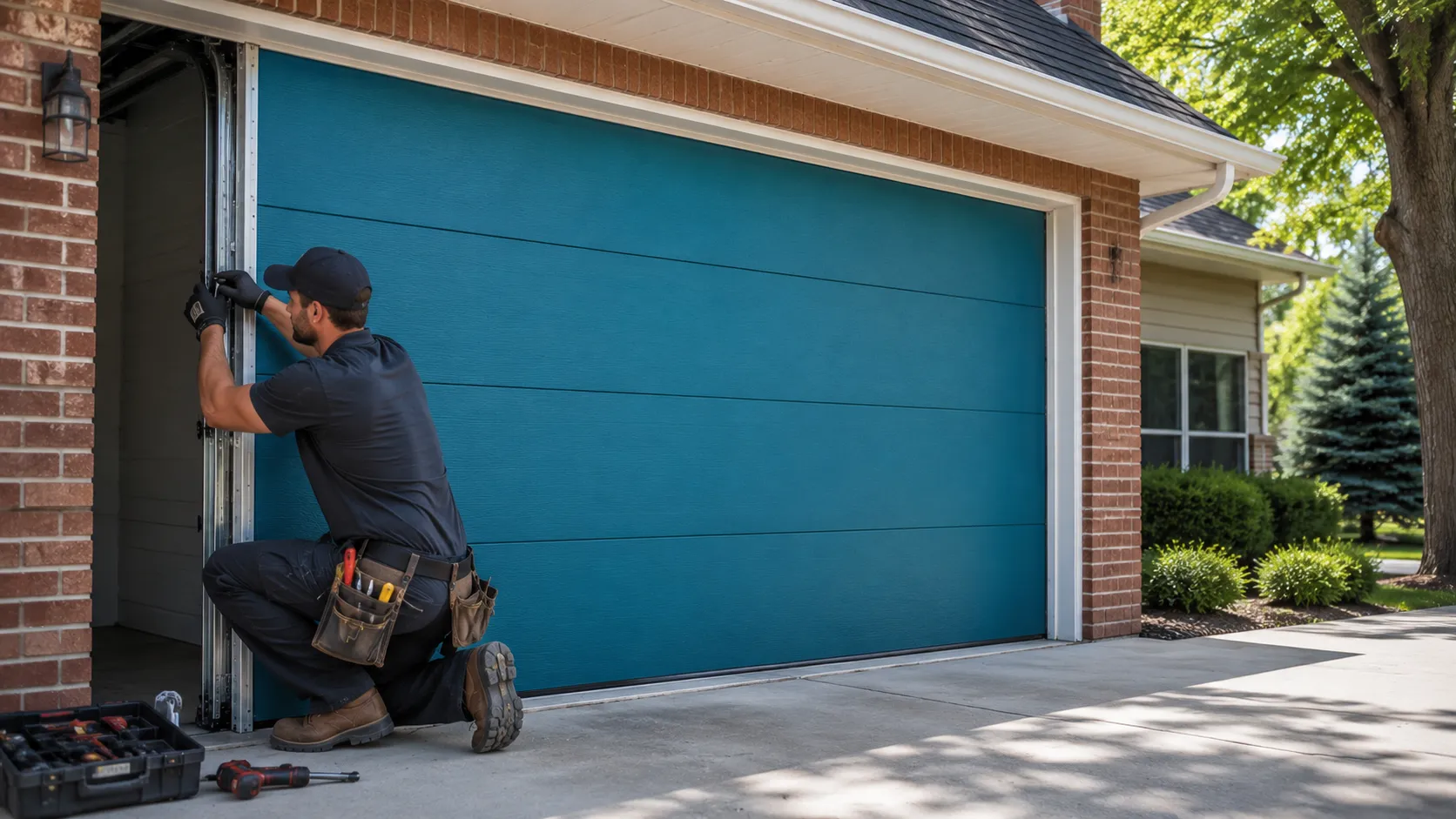
You get the fix that’s needed and what drives the cost - before any work starts.

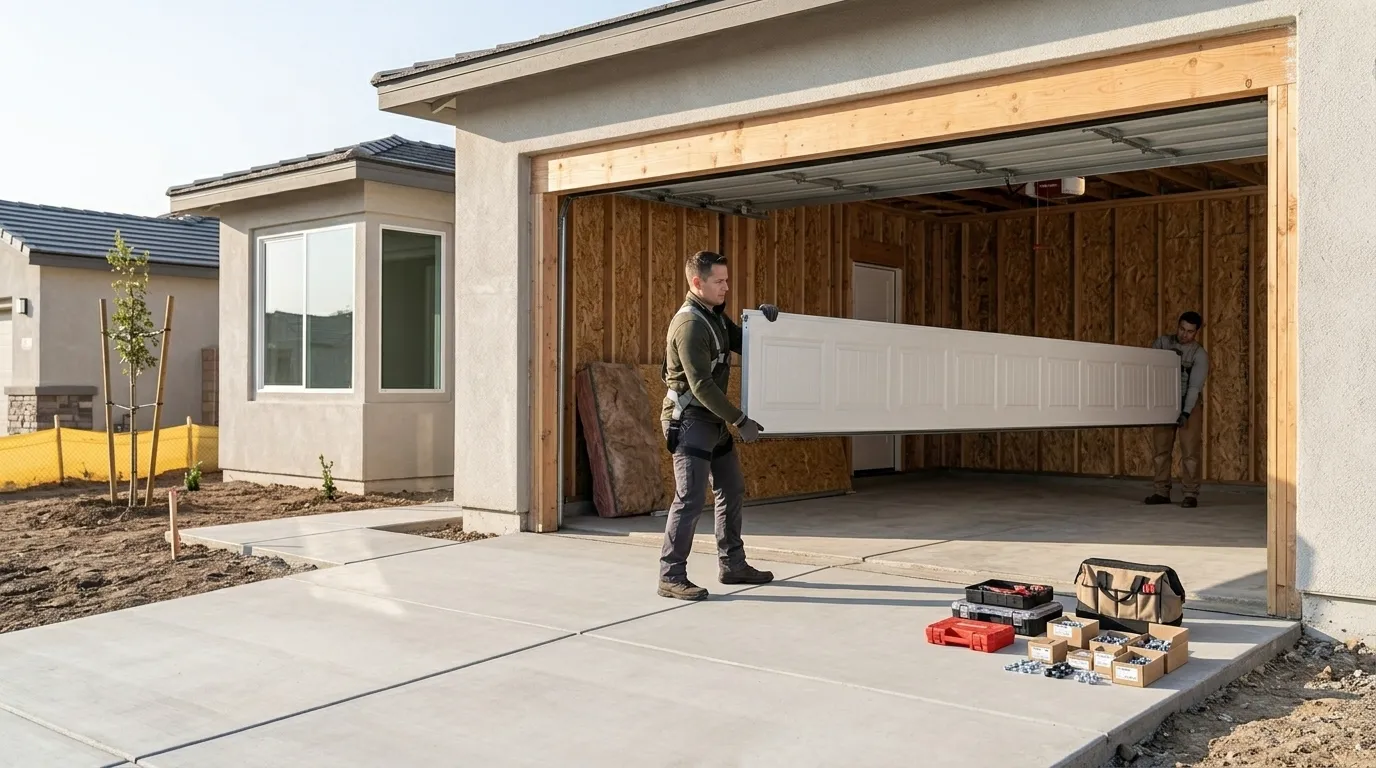
Repaired & tested - Prescott Valley garage door service

Repaired & tested

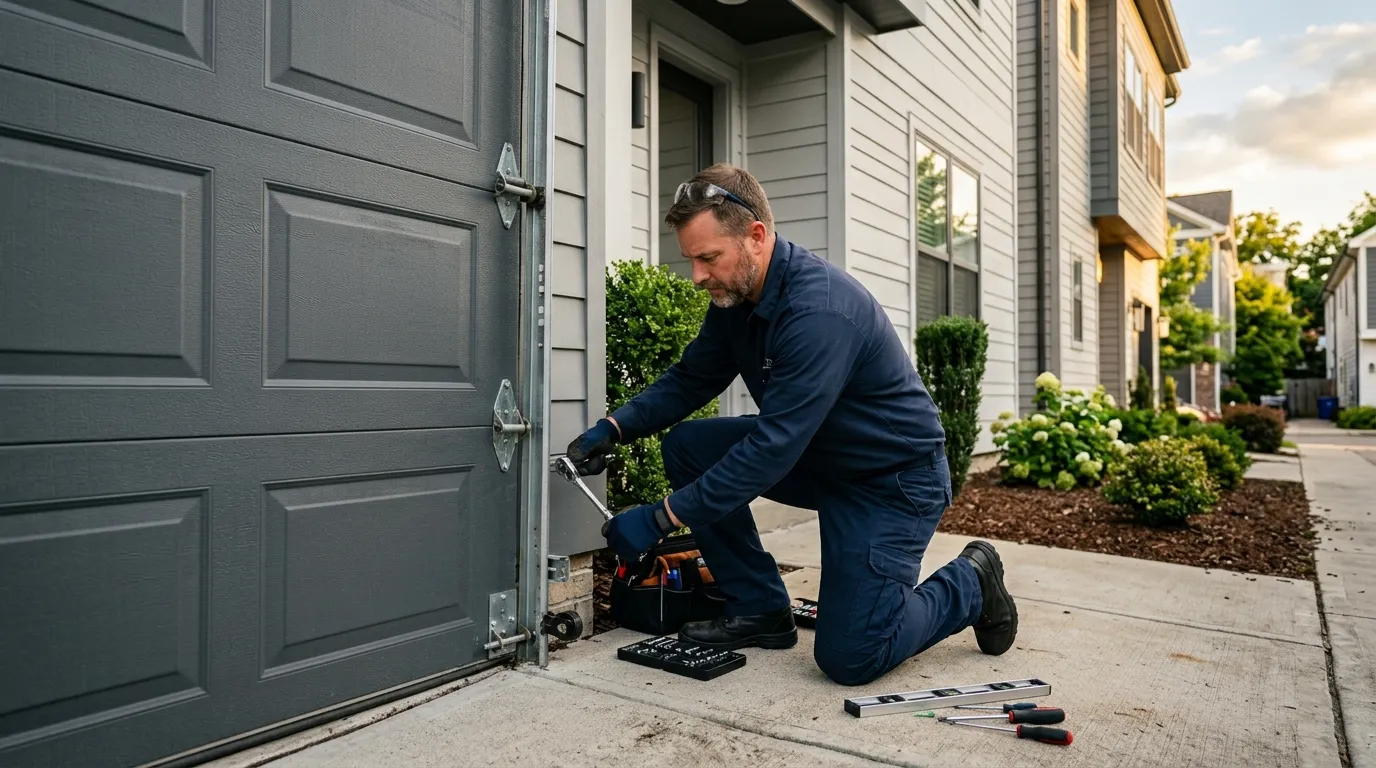
The repair is done, the door is set true and tested, and the work area left clean.

Serving Prescott Valley, AZ - tell us what your door’s doing and we’ll take it from there.

How we work

What to expect

Diagnosis firstEvery visit starts by finding what actually failed - not a pre-written parts list.
The right part for the doorSprings and openers matched to the door’s weight and age, so the fix holds up.
Straight answersWhen a repair makes more sense than a replacement - or the reverse - you hear it plainly.
Clean, careful workTension released safely, hardware set true, the door tested under power before we leave.
Questions

Frequently asked

Straight answers about garage door repair in Prescott Valley. Still unsure? Ask us directly.

Why does my garage door opener stop working every time the power flickers, even briefly?

Most homes in this area were built between 1987 and 1999, and many openers from that era, or their direct replacements, were never fitted with a battery backup. A flicker resets the logic board and without stored power, the opener stays dark until you manually reset it at the wall unit.

Is my garage wiring old enough to be part of the problem?

If your house dates to the median build year of 1992, the garage circuit was likely sized for lighter loads than a modern opener draws. That doesn't make it unsafe on its own, but it does mean more frequent breaker trips, especially in winter when household power draw rises overall.

Does the cold-moderate climate here actually affect opener reliability?

Yes, indirectly. The freeze-thaw cycling that comes with a cold-moderate winter loosens electrical contacts in the wall switch and logic board over years, and it also reduces the charge capacity of any backup battery installed. Neither effect is dramatic on its own, but together they show up as more outage-related failures.

Ready to get your garage door sorted?

Tell us what it’s doing and where you are in Prescott Valley - we’ll take it from there.

Request a QuoteCall