How It Shows Up
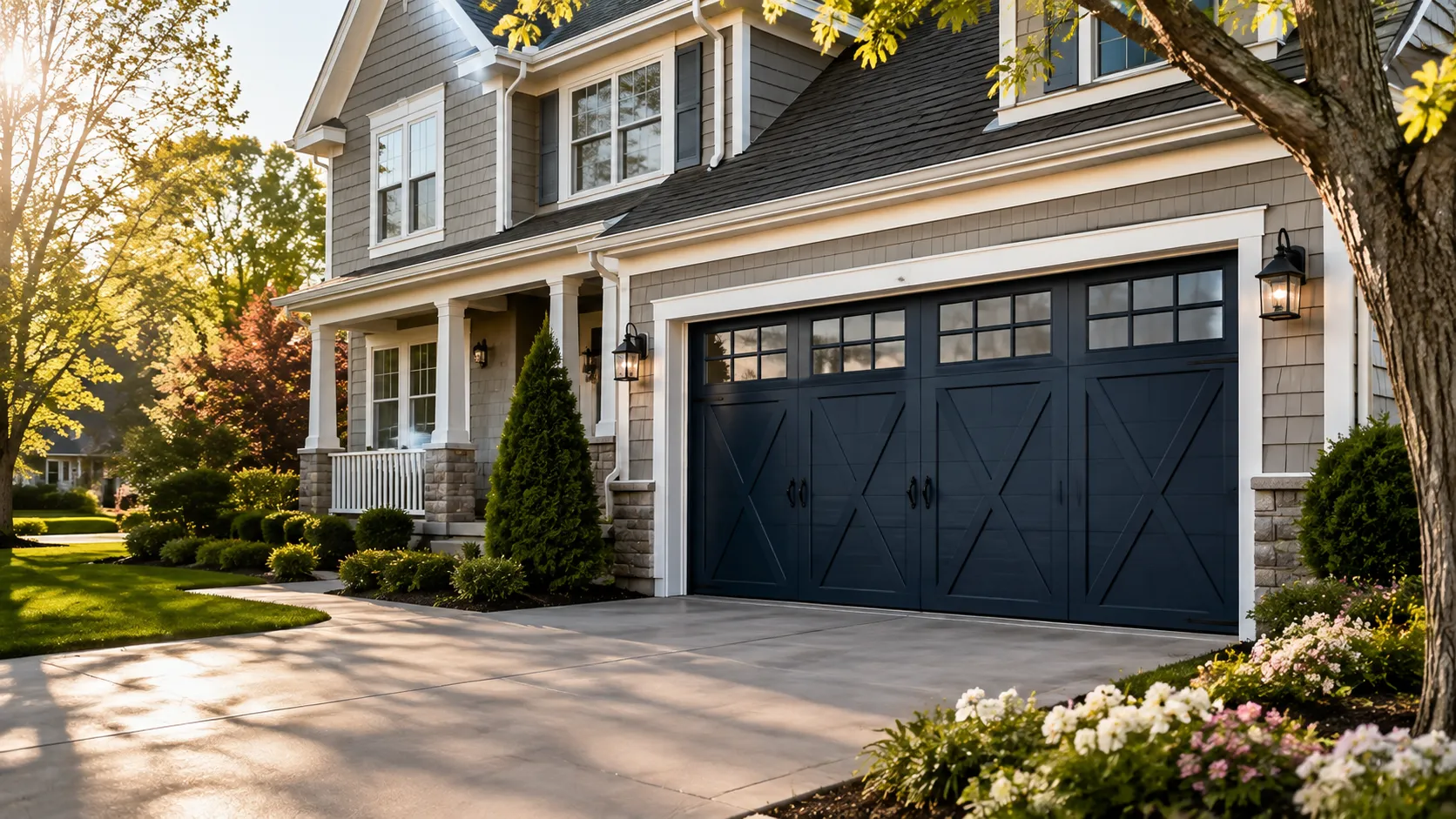
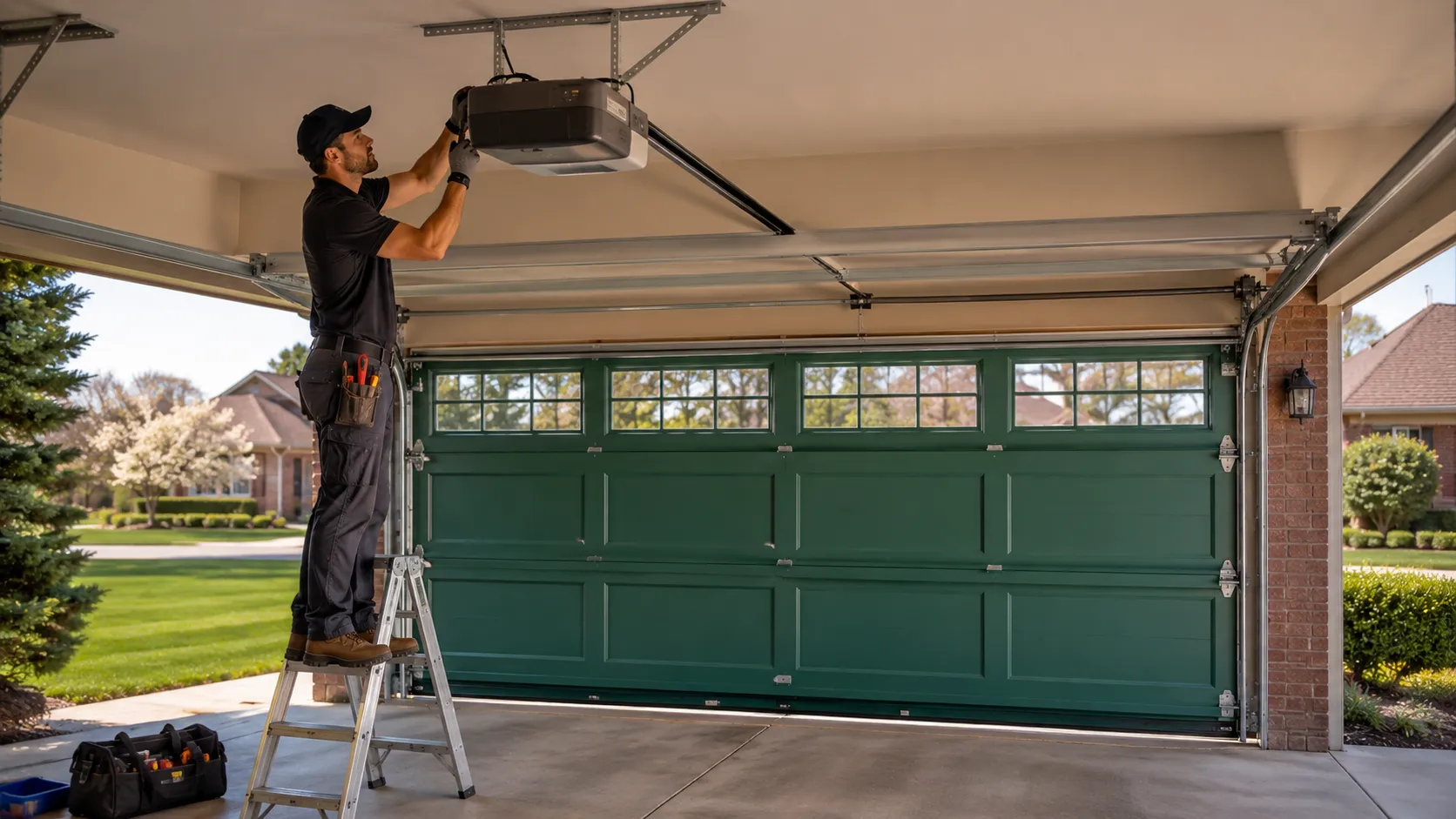
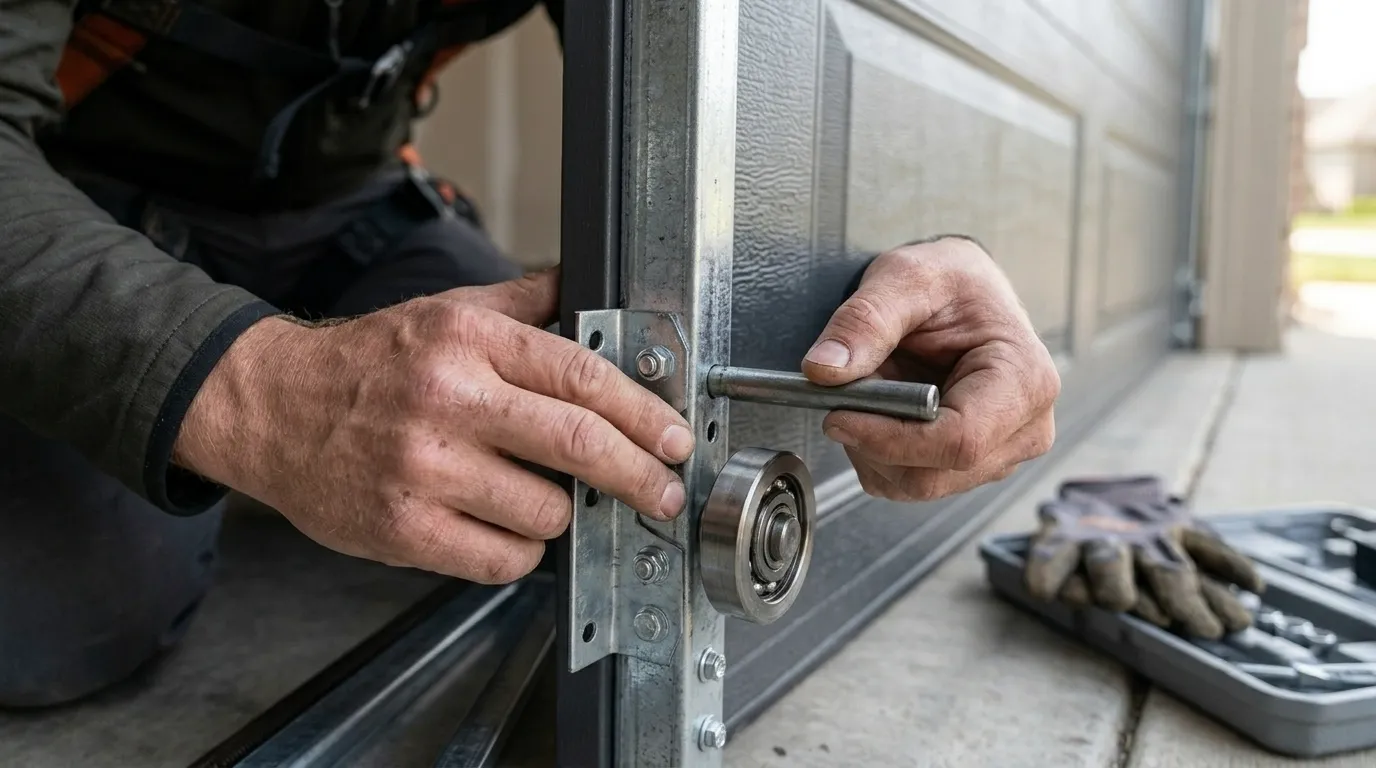
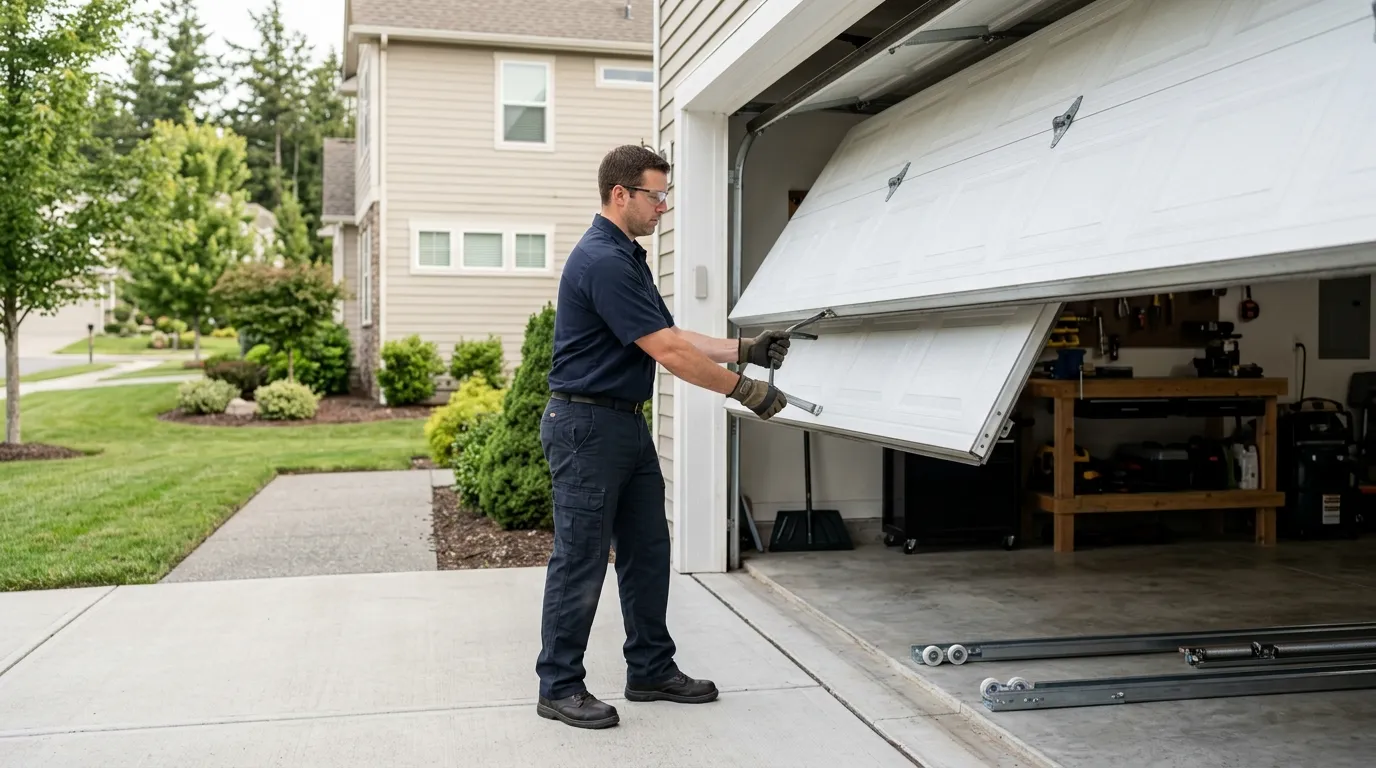
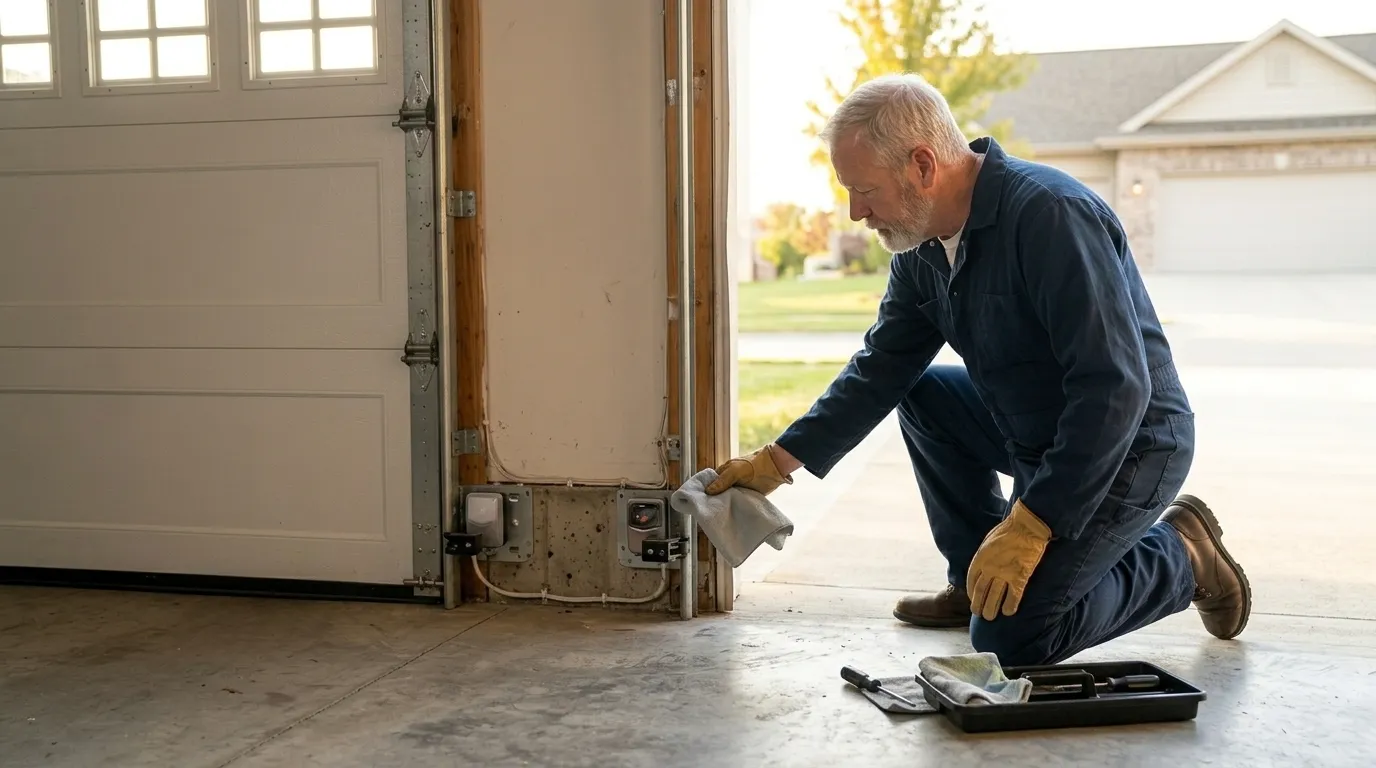
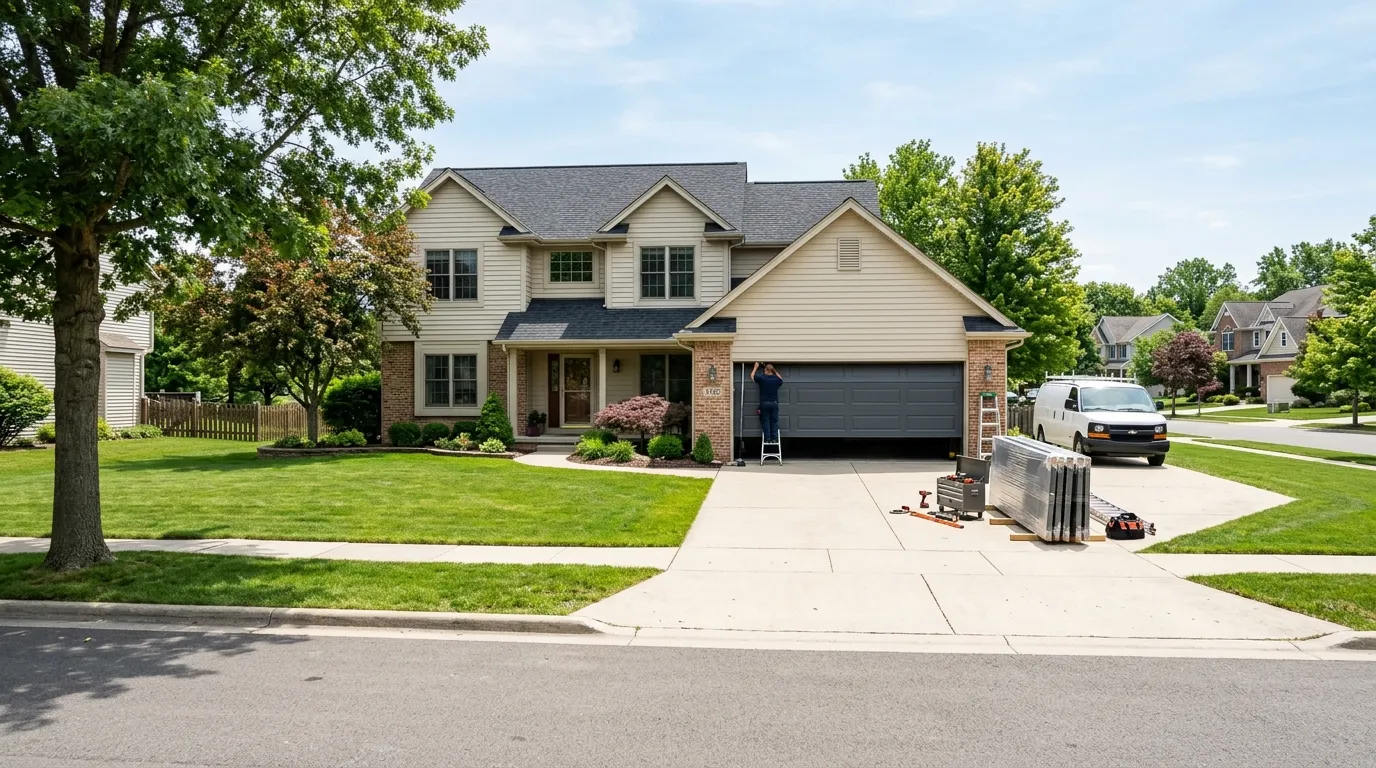
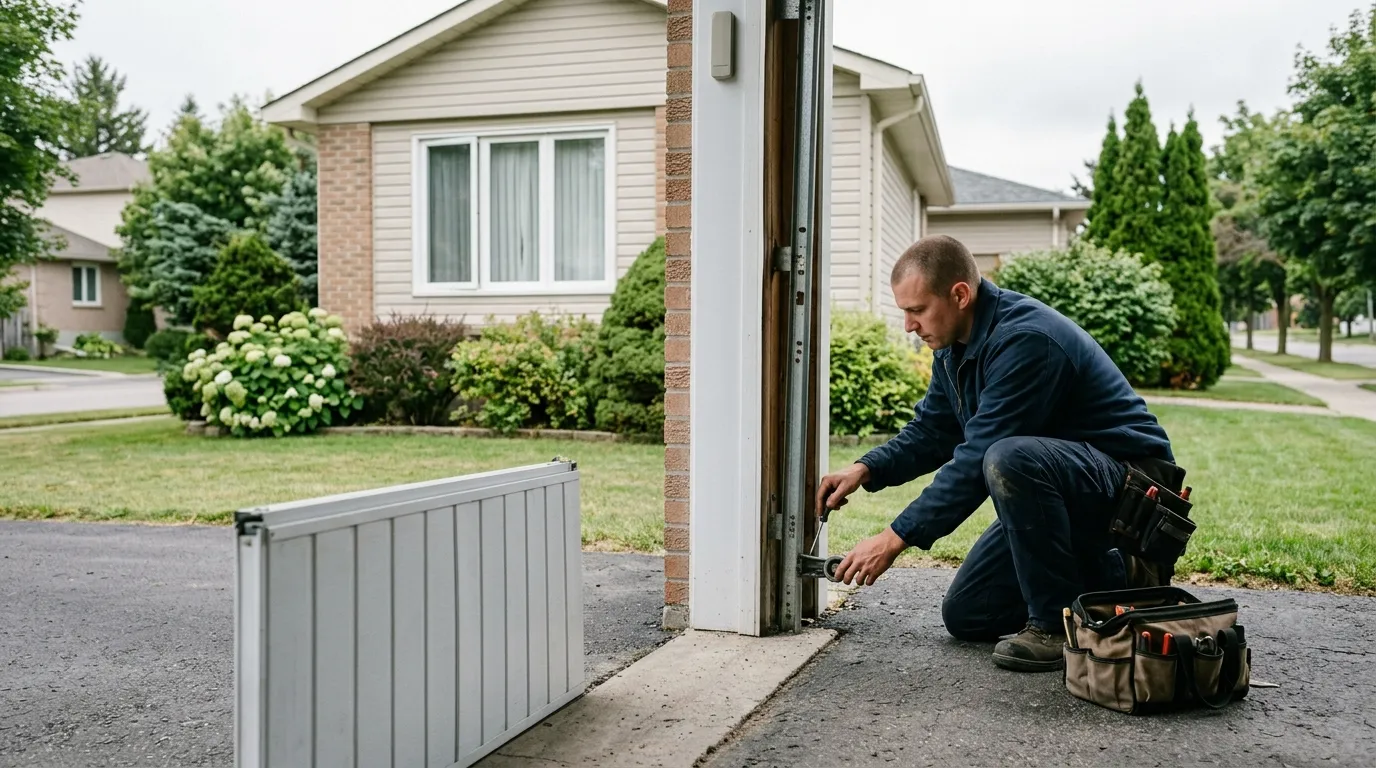
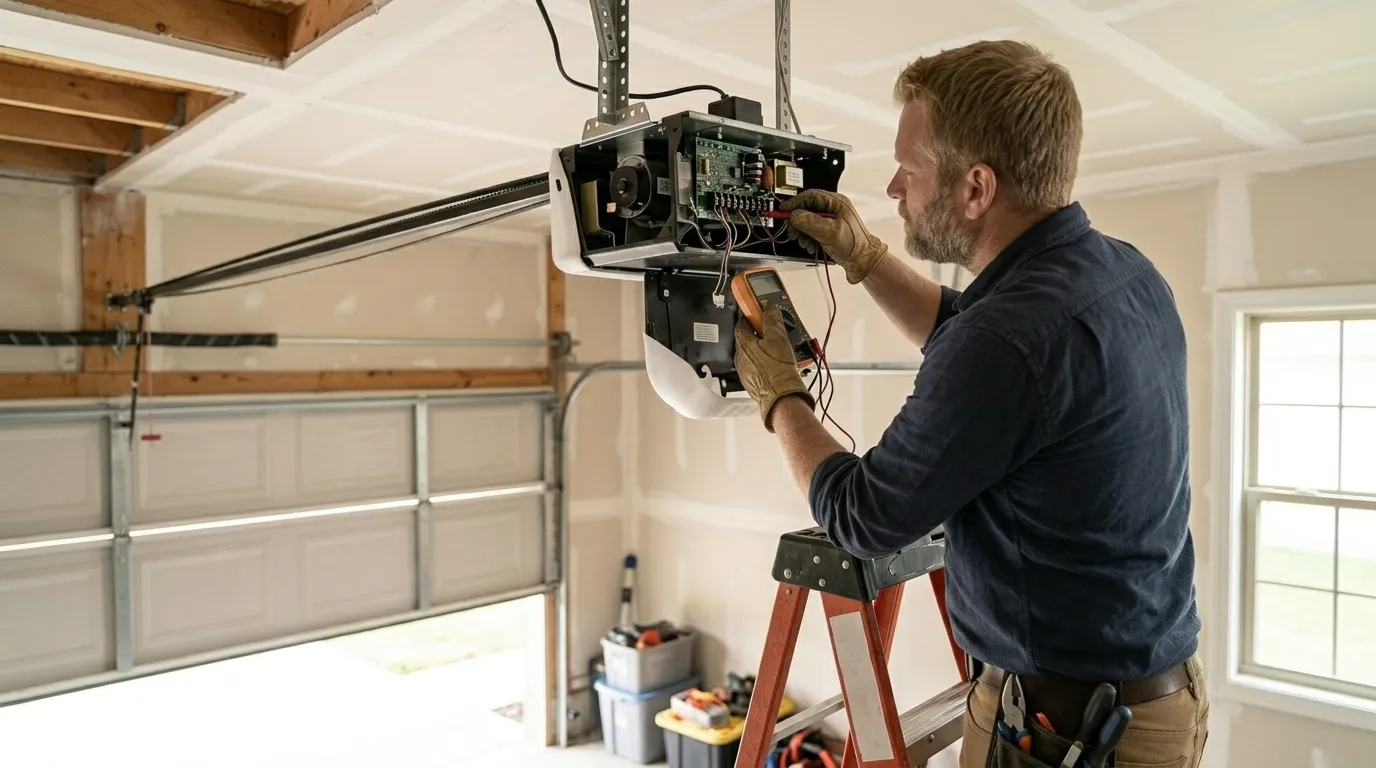
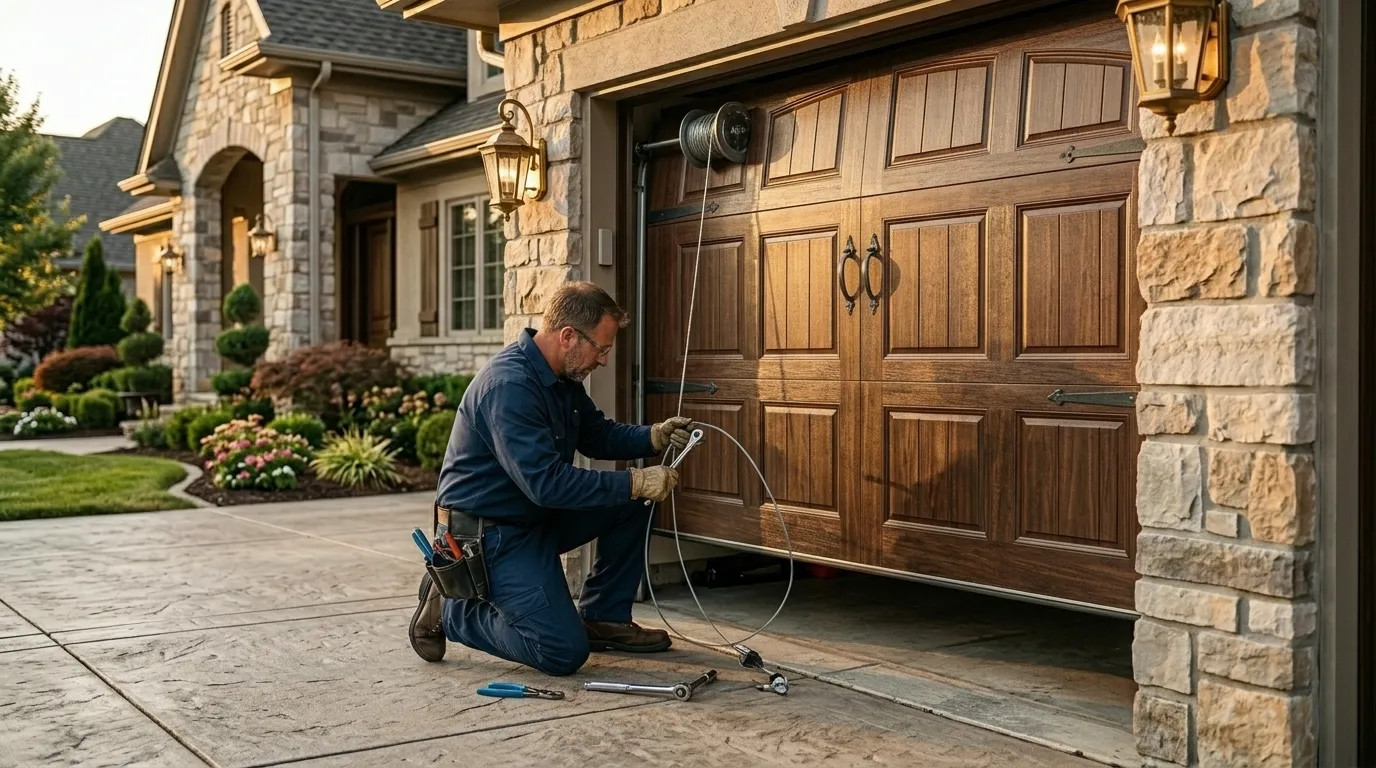
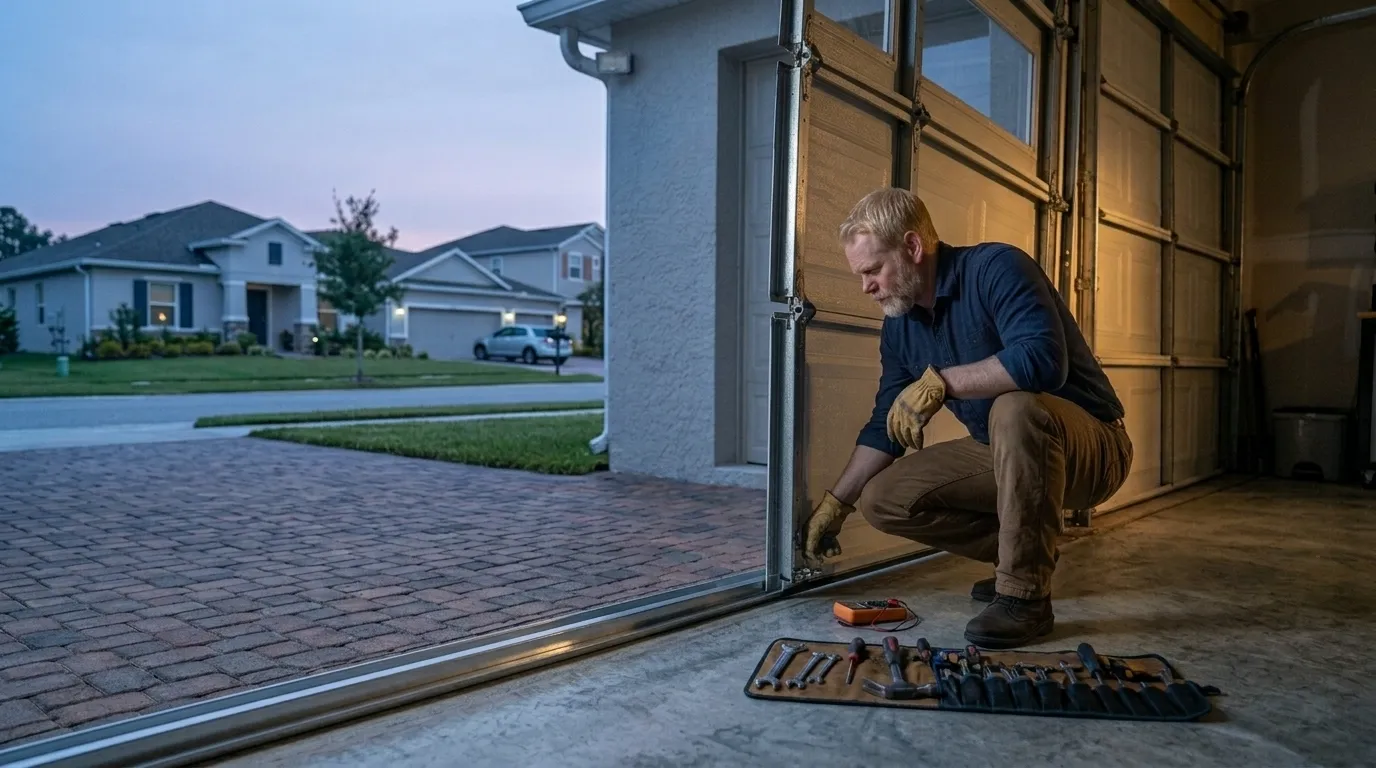
You notice it first as noise - a grind or a bang when the door lifts, or a door that starts to rise and then hesitates halfway. On a lot of Prescott Valley houses this isn't wear from bad luck. It's the original door, or the original spring set, doing the job it was built to do back when the house went up. A big share of homes in this service area were built between 1987 and 1999, median year 1992, and most of those still have single-layer steel panels with no foam core. Thirty years on, the steel has flexed enough times that the panels bow at the bottom corners, the weatherstrip has hardened and cracked, and the torsion spring is sagging under a door it was matched to when it was new. Openers from that build era also tend to be the chain-drive units with no battery backup, which struggle in cold mornings. None of this means the door is a lost cause - it means the door is doing exactly what a 30-year-old builder-grade door does.
Why This Fails Locally
The fault pattern here isn't generic - it's tied to what got built and when. Houses across five named areas of Prescott Valley went up in that same late-80s-to-90s wave, which means a lot of neighbors are staring at the same worn hardware on the same week, not spread out over decades of mixed construction. That clustering is why installation calls here run in patterns: a subdivision built in 1991 tends to need doors in the same handful of years, all at once, rather than one house at a time. Layer in the climate. Prescott Valley sits in a cold-moderate band, and a door built for a builder-grade 1990s spec wasn't engineered for repeated freeze-thaw cycling on steel panels and nylon rollers over three decades. The metal contracts overnight and expands by afternoon, and that daily swing is what eventually splits old weatherstrip and pits the tracks. A door installed today, sized and insulated for that same swing, holds up differently than the original ever could. This isn't a climate disaster story - it's just what thirty winters of moderate cold does to a door that was never built to handle them for that long.
The Cost of This Job
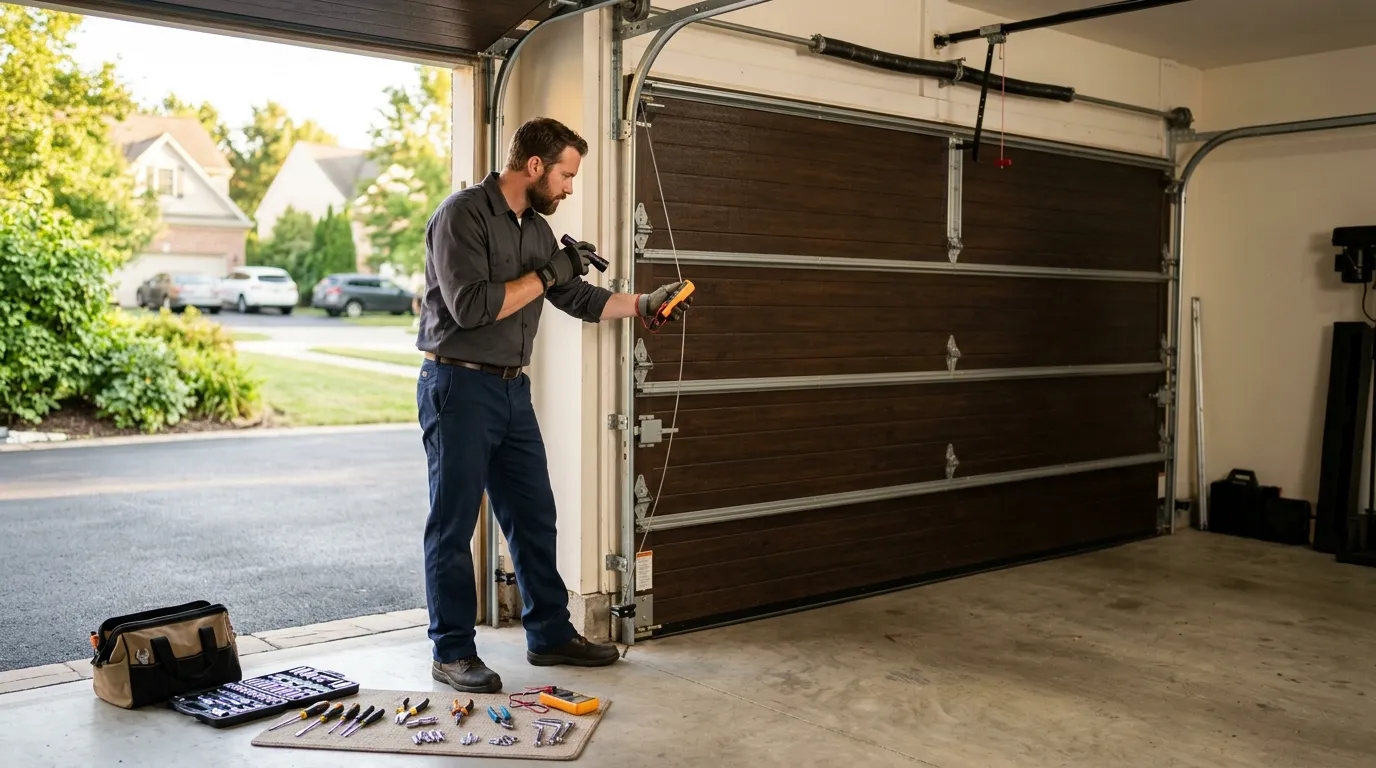
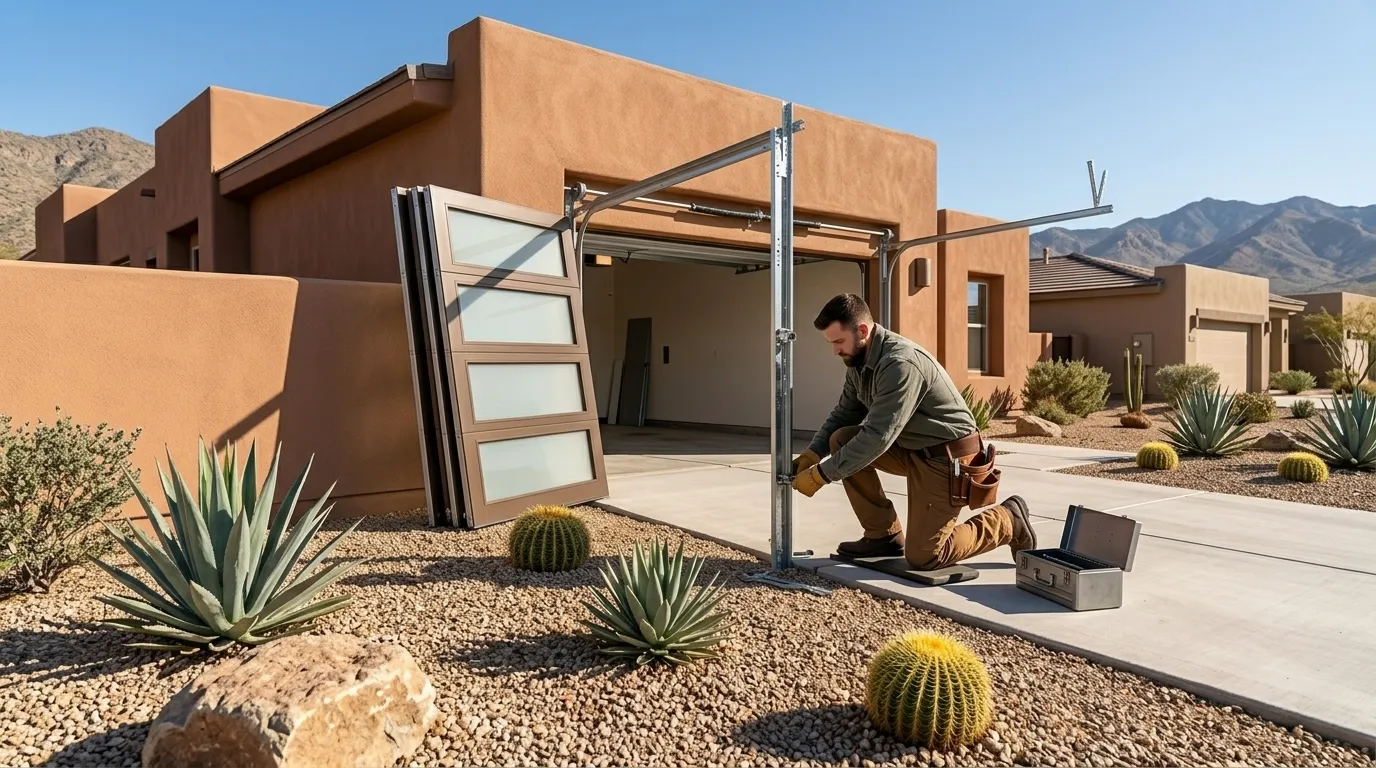
We don't post a flat number here because the honest answer depends on what's actually happening at your house - a straight panel swap on a standard opening is a different job than a full replacement with new springs, track, and an insulated door. What we can tell you is how the decision usually breaks down for owners in this area. With median household income around $59,733 across the service area and most residents in owner-occupied homes (8,835 of 13,365 households), the calls we get are usually from people planning to stay in the house, which changes the math: spending more up front on an insulated door and a matched spring set tends to pay back over years of fewer callbacks, versus patching a 30-year-old door that's already near the end of its panels. We'll walk the door with you, tell you straight if a repair still makes sense or if you're past that point, and quote the actual scope before any work starts.