24/7 Emergency Service Open 7 days · 7am–8pm Serving Prescott Valley, AZ & nearby
(928) 384-1449
Prescott Valley, AZ

What to Check on a Prescott Valley Garage Door Before It Fails

Prescott Valley homes mostly date to 1987-1999, so garage door springs, seals, and openers are aging out together. Here's what to check by season before something fails.

What to Check on a Prescott Valley Garage Door Before It Fails

Checking It Yourself

Most houses in Prescott Valley went up between 1987 and 1999, with the median home built around 1992. That means the garage door and opener on a typical house here are now pushing 30 years old if they haven't been replaced already. Start by lifting the door halfway with the opener disconnected - pull the red release cord - and letting go. A door in balance stays put. One that drops or shoots up means the torsion spring has lost tension, which is common on doors this age. Check the bottom weatherstrip too: builder-grade doors from the 1990s often shipped with thin vinyl seals that crack and shrink after two decades of freeze-thaw cycles. Run a hand along the track for rust or bent spots, and listen for grinding when the door runs - that's usually a roller that should have been swapped years ago. None of this takes tools you don't already own. What it takes is knowing that a 1992-built door and a door installed last year don't wear the same way, and checking accordingly.

The Problem

Across the five main pockets of housing in Prescott Valley - most laid down in the late 1980s and through the 1990s - the garage door most homeowners still have is the one the builder put in. That door met the codes of its decade, not this one. Insulation requirements written into building codes have moved since 1992, and a lot of the doors from that stretch are single-layer steel with no foam core at all. That's not a defect, it's just what the code called for at the time. The problem shows up now as a door that's technically still working but doing nothing for the temperature swing in the garage, plus hardware - springs, cables, rollers - that was sized for a lighter door and is now decades past the manufacturer's expected cycle count. Homeowners often call about a noisy door and find out the real issue is that nothing on the track has been touched since the house was built. We don't push replacement on a door that's still sound. But if your door is original to a house built in this window, the hardware age alone is worth a look before it fails on you at the worst time.

What Local Conditions Do

Prescott Valley sits in a cold-moderate climate band - winters cold enough to matter, without the deep freeze of higher elevations nearby. That swing matters to a garage door more than people expect. Steel panels contract in cold mornings and expand again by afternoon, and that daily flex works on weld points and hinge screws over years. Torsion springs lose a small amount of tension every time they cycle through a big temperature swing, and a spring that was already 25-plus years old from the 1990s building wave doesn't have much margin left. Openers feel it too - cold grease in the drive gear makes the motor work harder to lift a door that's already out of balance, which shortens the life of the unit faster than warm-climate towns ever see. None of this is dramatic. It's slow wear that adds up, and it adds up faster here than it would somewhere that stays temperate year-round.

Season by Season

Fall is the season to catch problems before winter finds them - check the balance test above while it's still comfortable to be in the garage, and tighten any loose brackets. Once winter sets in, the cold-moderate swing means mornings can be stiff: a door that's slow to open in January is usually a spring losing the last of its tension, not a broken opener. Spring is when 1990s-era weatherstrip usually gives out for good, cracked from a winter of contracting and expanding; that's the easiest fix on this list and the cheapest one to ignore. Summer heat doesn't hit Prescott Valley as hard as lower desert towns, but it still dries out old lubricant on tracks and hinges, so a mid-year check with fresh lithium grease keeps things running quiet. None of this needs to happen on a strict calendar - it needs to happen at all, especially on a door that's original to a house built in this town's main building years.
How it works

From “it’s stuck” to “it’s fixed”

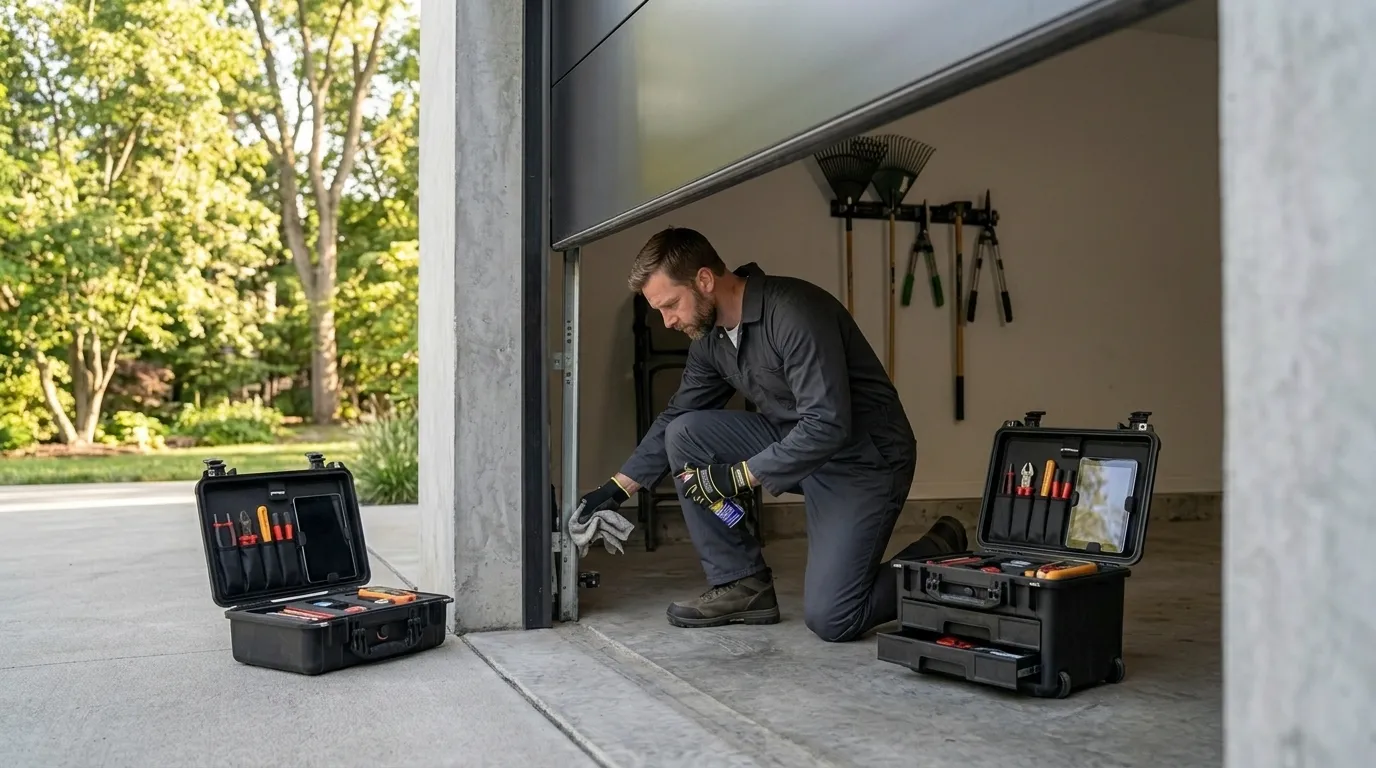
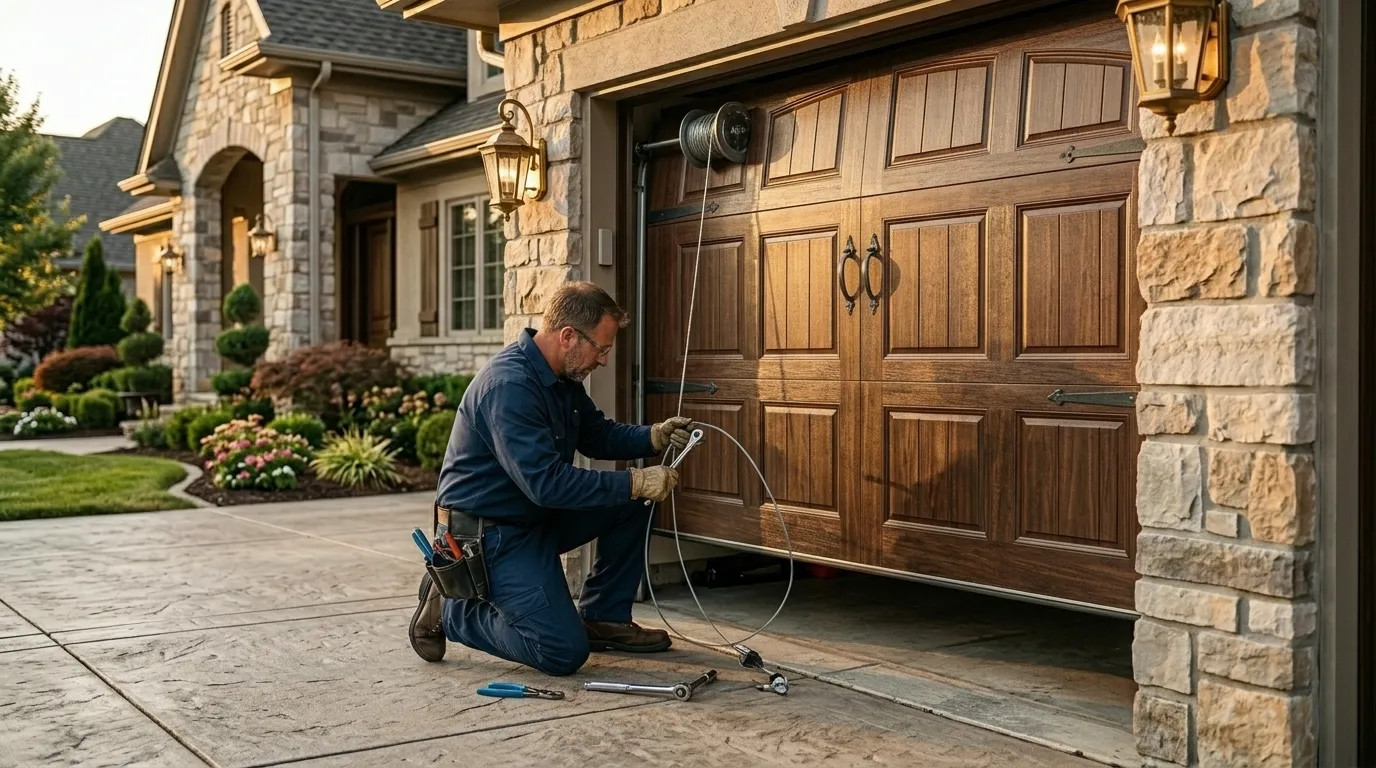
Tell us what’s wrong - Prescott Valley garage door service

Tell us what’s wrong

Describe the symptom - won’t open, loud bang, opener runs but the door won’t move.

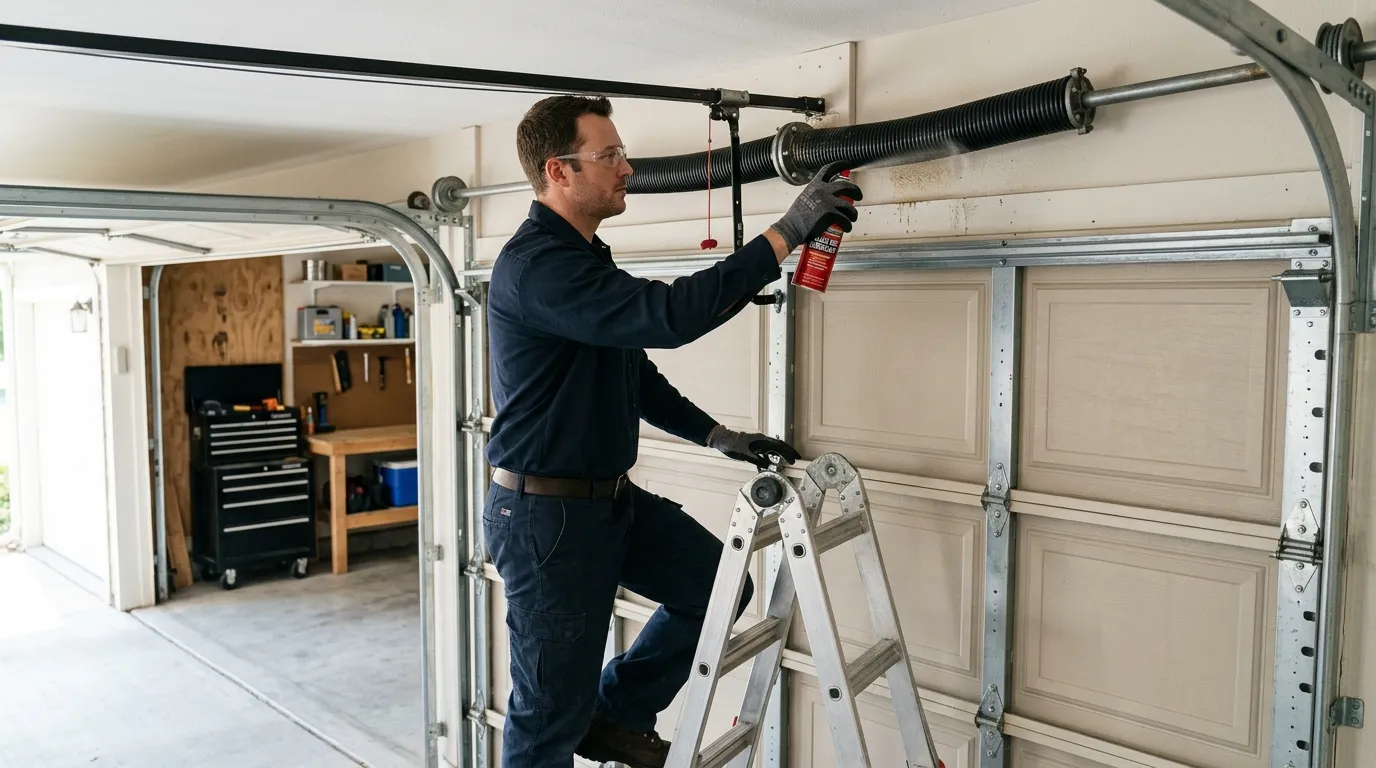
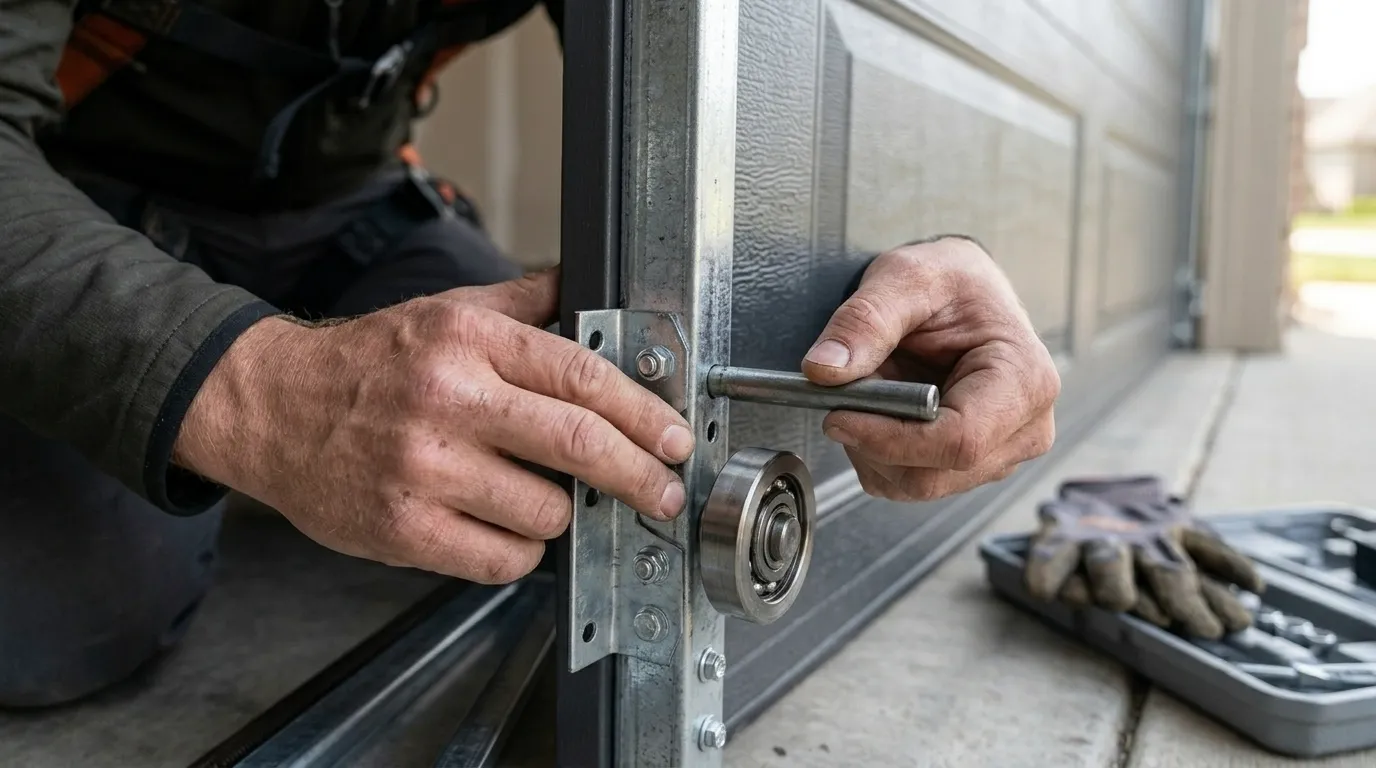
On-site diagnosis - Prescott Valley garage door service

On-site diagnosis

A technician tests the door under power and by hand and finds what actually failed.

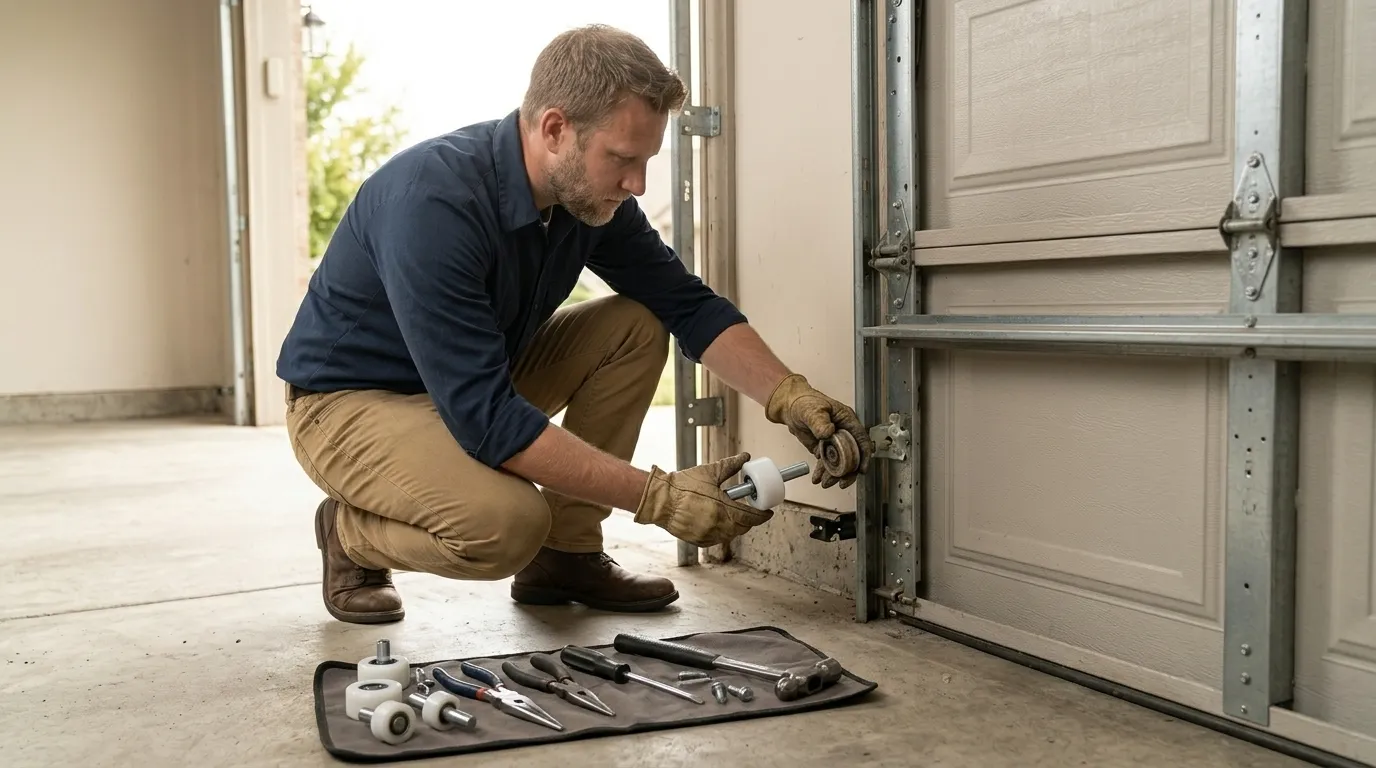
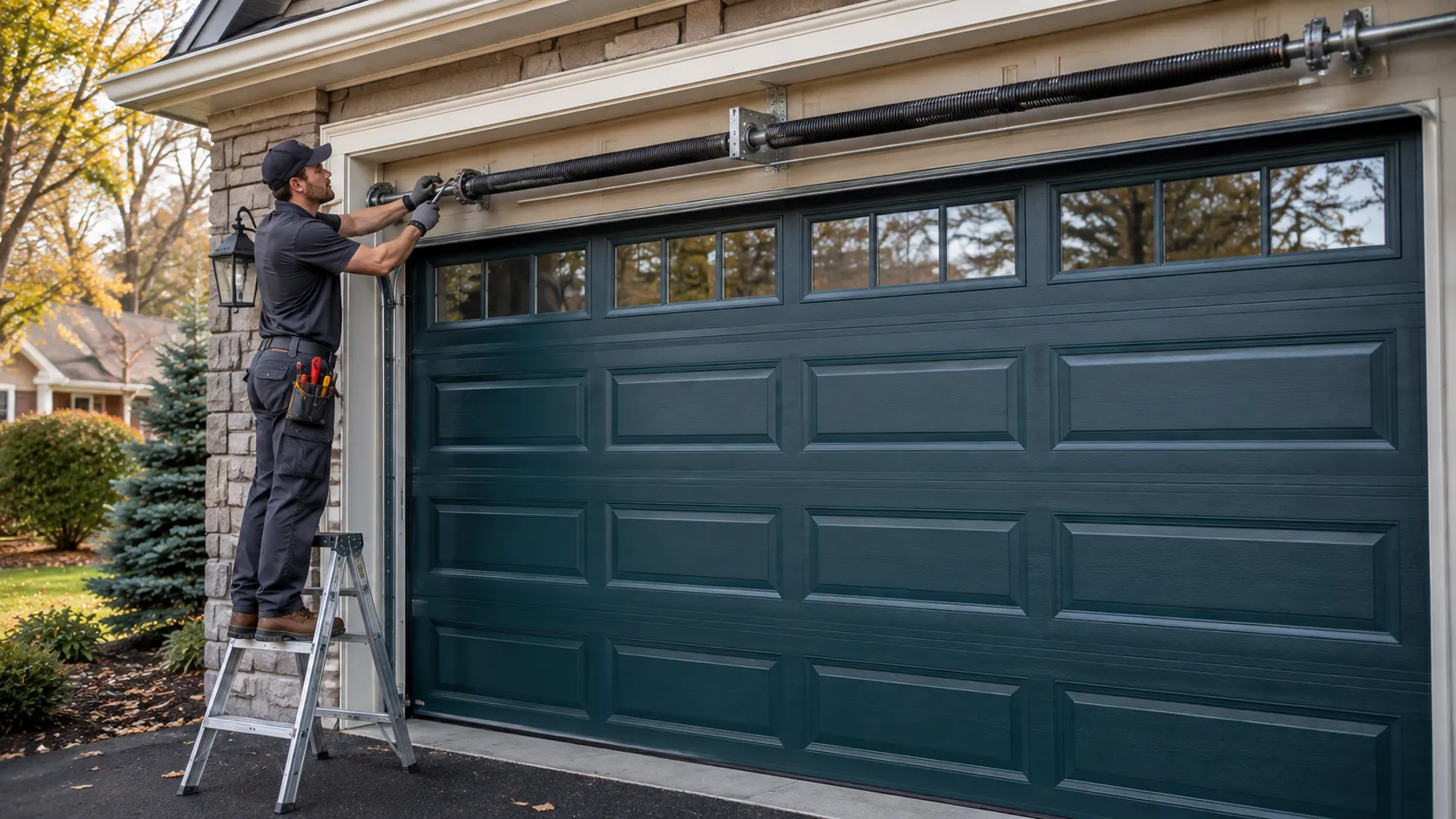
Clear, up-front plan - Prescott Valley garage door service

Clear, up-front plan

You get the fix that’s needed and what drives the cost - before any work starts.

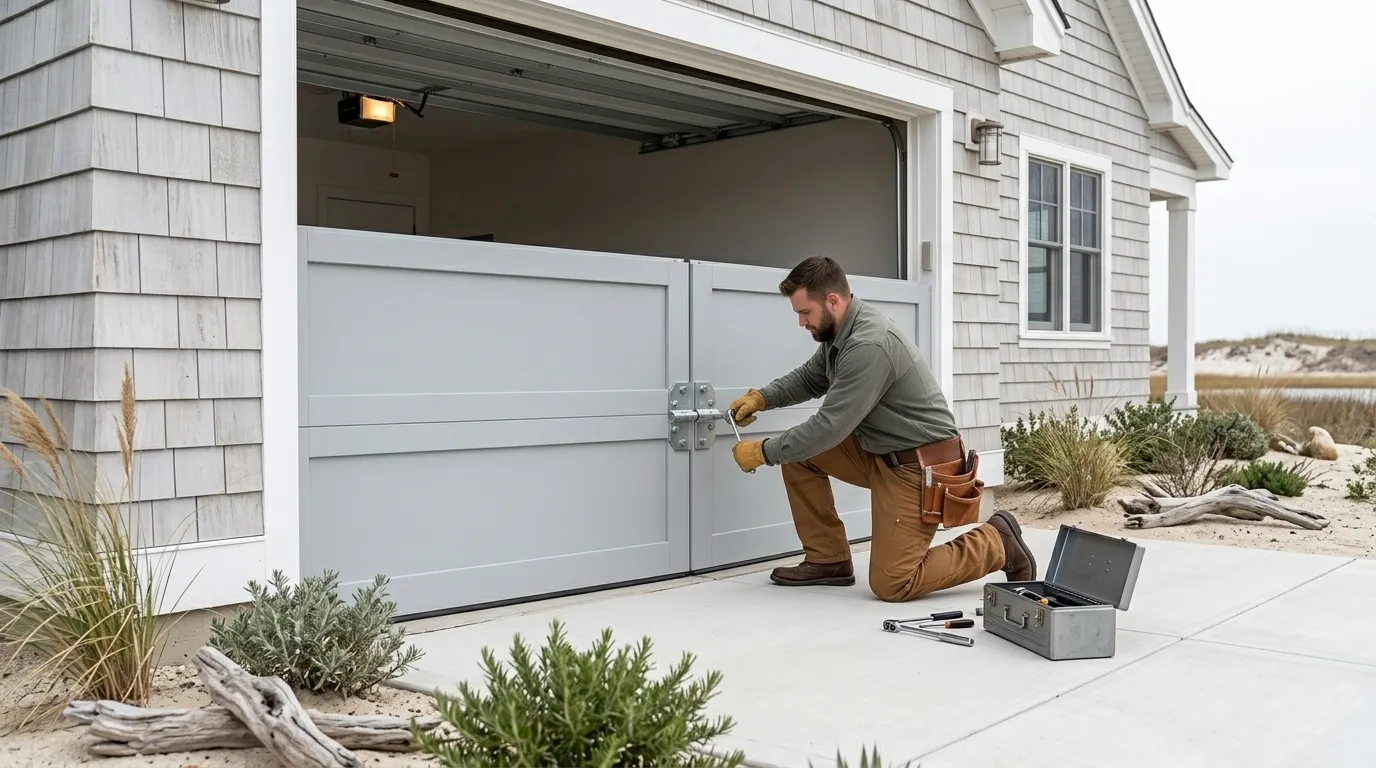
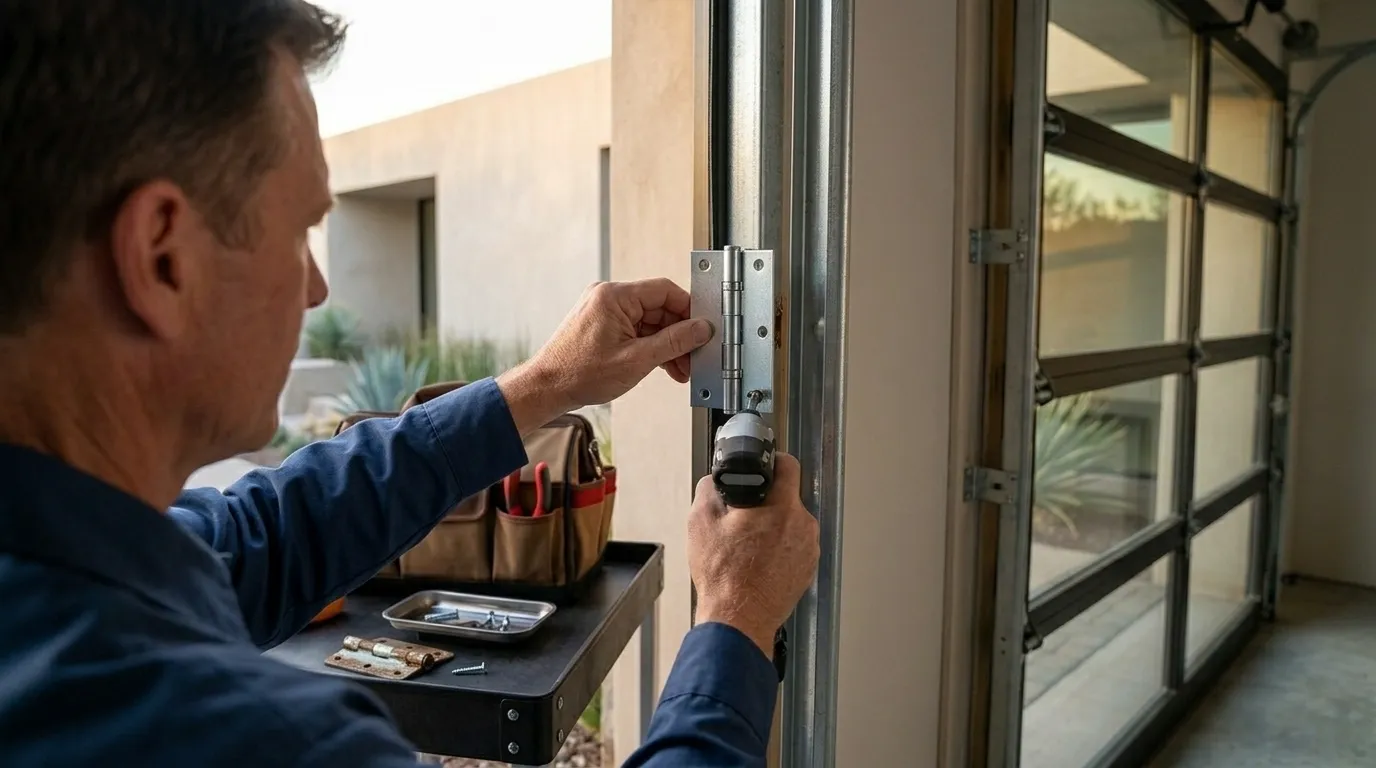
Repaired & tested - Prescott Valley garage door service

Repaired & tested

The repair is done, the door is set true and tested, and the work area left clean.

Serving Prescott Valley, AZ - tell us what your door’s doing and we’ll take it from there.

How we work

What to expect

Diagnosis firstEvery visit starts by finding what actually failed - not a pre-written parts list.
The right part for the doorSprings and openers matched to the door’s weight and age, so the fix holds up.
Straight answersWhen a repair makes more sense than a replacement - or the reverse - you hear it plainly.
Clean, careful workTension released safely, hardware set true, the door tested under power before we leave.
Questions

Frequently asked

Straight answers about garage door repair in Prescott Valley. Still unsure? Ask us directly.

How old is my garage door likely to be if I haven't replaced it?

If your house is original construction, your door is probably close to the median build year for the area, around 1992. That puts most original doors and their hardware somewhere between 25 and 35 years old - well past the point where springs, rollers, and seals are expected to still be original.

Why does my door feel stiffer in winter?

Prescott Valley's cold-moderate winters cause steel panels to contract and hardware grease to thicken, which adds resistance right when a spring that's already lost tension has the least margin to compensate. A door that's slow or heavy in January is usually a tension problem, not a broken motor.

Is my original door insulated enough for this climate?

Depends on when it was built. A lot of 1990s doors in this area are single-layer steel with no foam core, because that's what codes required then. It's not a defect, just an older standard. If your garage feels the outside temperature strongly, that's likely why.

Do I need to replace the whole door or just fix the hardware?

That depends on the door's condition, not just its age. We don't have a set number of years that means automatic replacement - a door with sound panels and clean tracks might only need a spring or seal. We won't tell you to replace what's still doing its job.

Ready to get your garage door sorted?

Tell us what it’s doing and where you are in Prescott Valley - we’ll take it from there.

Request a QuoteCall