How It Shows Up
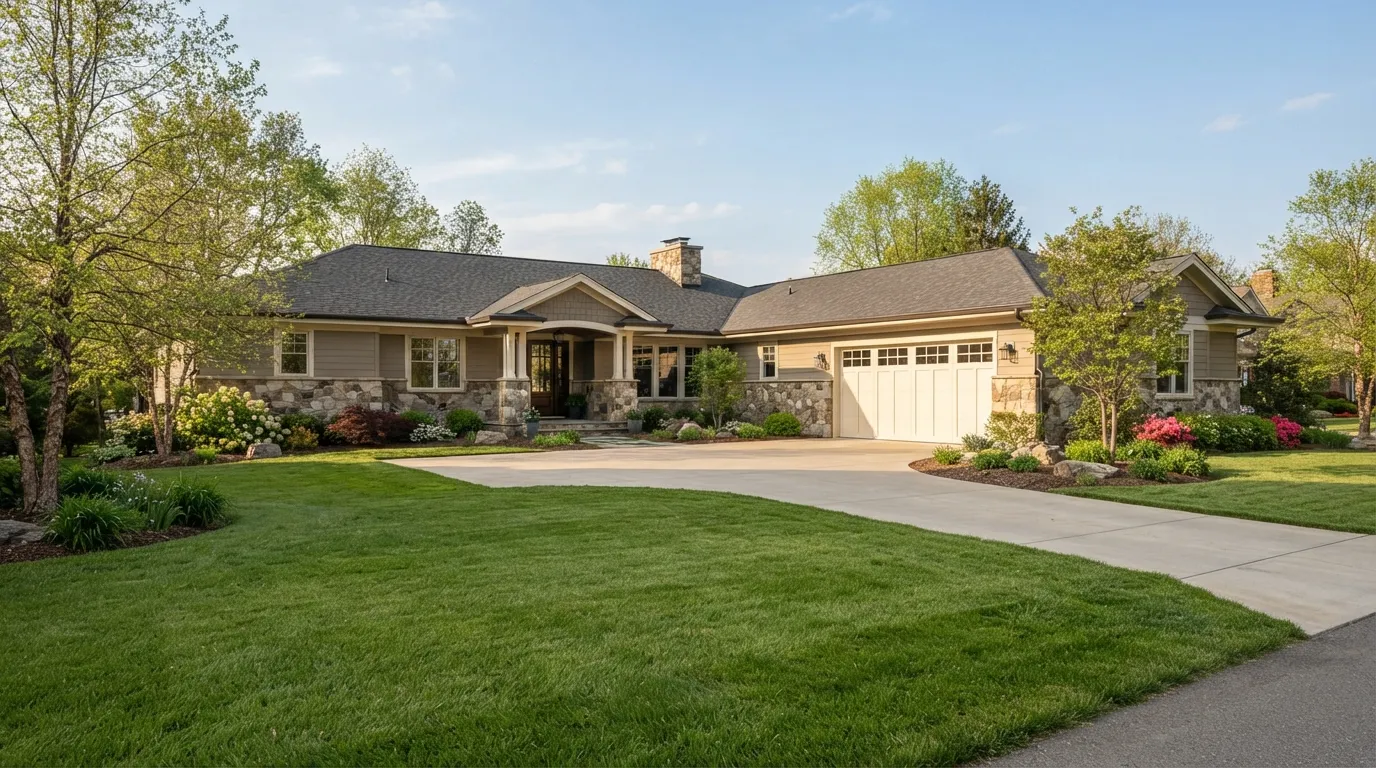
Most houses in this part of Dewey-Humboldt went up between 1987 and 1999, with the area's median sitting right at 1992. That means a good share of the openers out there are the same ones that came with the house - no upgrades, no swaps, just whatever chain-drive unit the builder installed thirty-plus years ago. When we get a call from this pocket, the pattern is familiar before we even pull in the drive: the motor runs but the door lags behind it, or the remote works some days and not others, or the whole unit grinds through its cycle like it's dragging something. That's not a coincidence. It's a unit reaching the end of a run that started when the house was new. With 1,701 households in this stretch, there's a lot of that same original hardware still quietly failing, one house at a time.
Booking a Visit
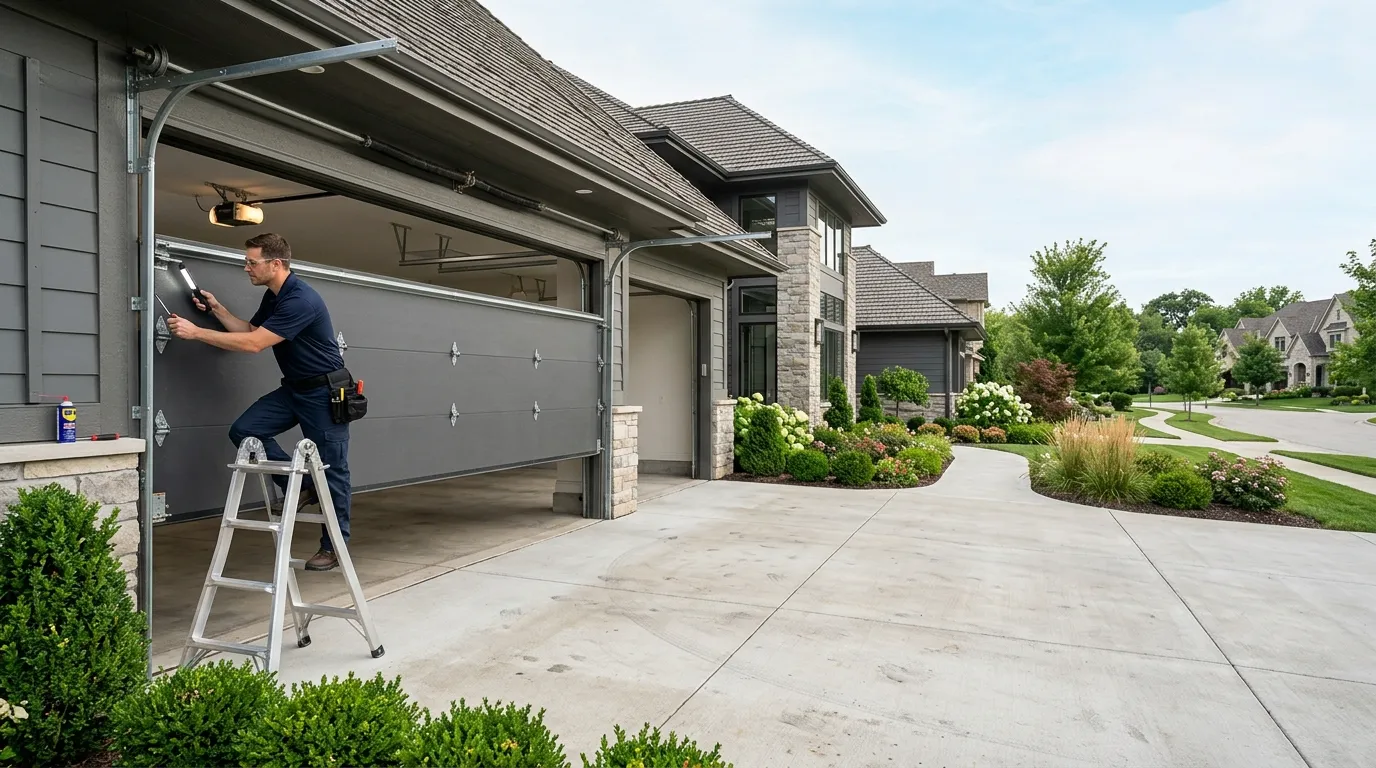
We run out of Prescott Valley, about 7 miles from Dewey-Humboldt, so a visit here doesn't mean a different crew or a longer wait than the rest of the service area gets - it's the same truck making a short drive. We ask a few things up front: the door's approximate age, whether it's chain or belt drive if you know, and what the opener is actually doing (won't close, closes then reverses, dead remote, grinding noise). That lets us load the truck with the right parts before we leave rather than guessing on site. If the fix turns out to be bigger than an opener - a bent track or a spring that's clearly shot - we'll say so on site rather than working around it.
The Cost of This Job
We don't have a posted price list for this page, and giving you a number without seeing the unit would be a guess dressed up as a quote. What we can tell you is that the range on an opener job usually splits into two buckets: a repair - logic board, sensor, gear kit, or capacitor - and a full replacement, which makes more sense once a unit from the early '90s starts failing in more than one way at once. At a median household income of $64,183 here, most homeowners we talk to want to know that number before we start, which is why we quote on site rather than over the phone.
What Can Go Wrong
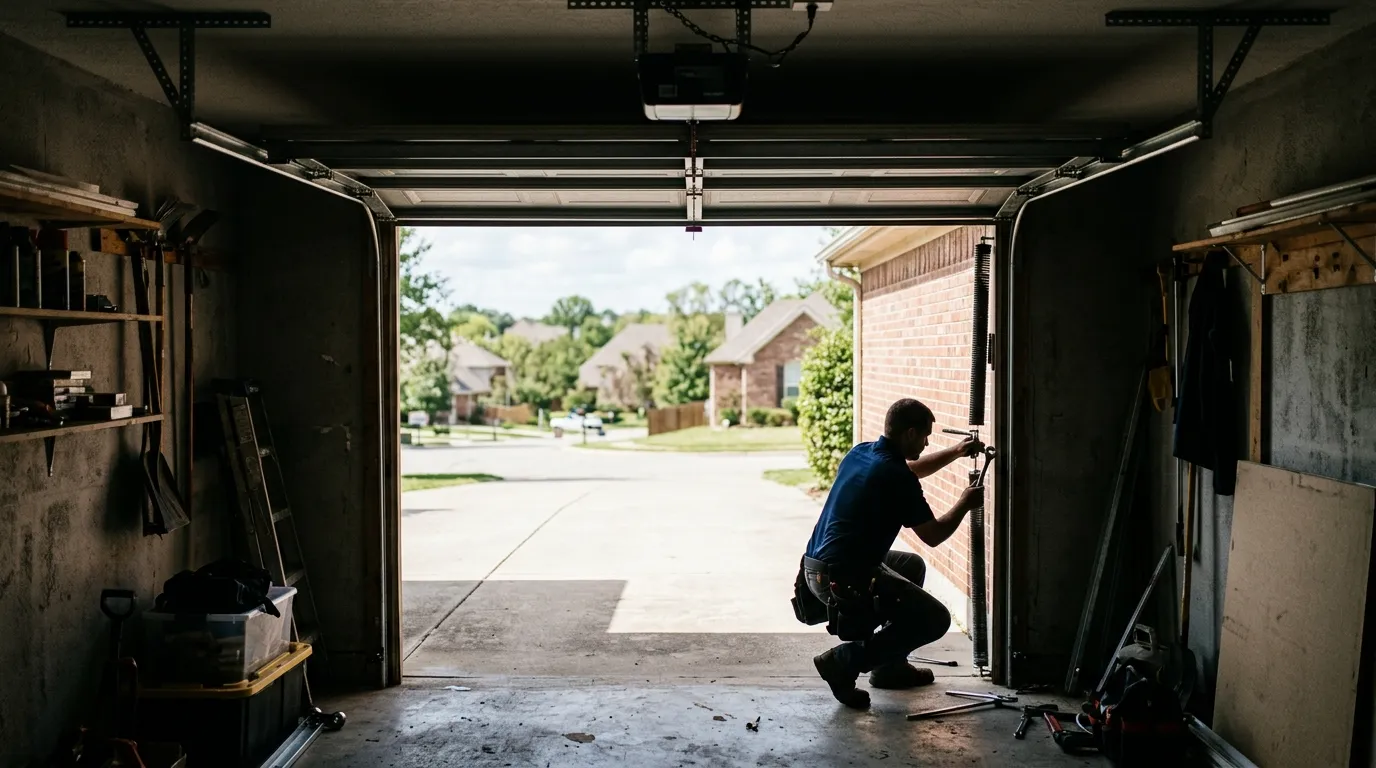
The most common issue we see on original-era openers is a worn drive gear stripping inside the housing - it sounds like grinding, then the door stops moving even though the motor keeps running. Second most common is a failing circuit board that intermittently drops the remote signal or the wall button, which homeowners often mistake for a dead remote battery. Misaligned or aging safety sensors can also cause a door to reverse for no visible reason. What we won't do is replace a whole opener when the fix is a fifteen-dollar part - but we also won't keep patching a unit whose gearbox is shot, since that just delays the same call for a few more months.