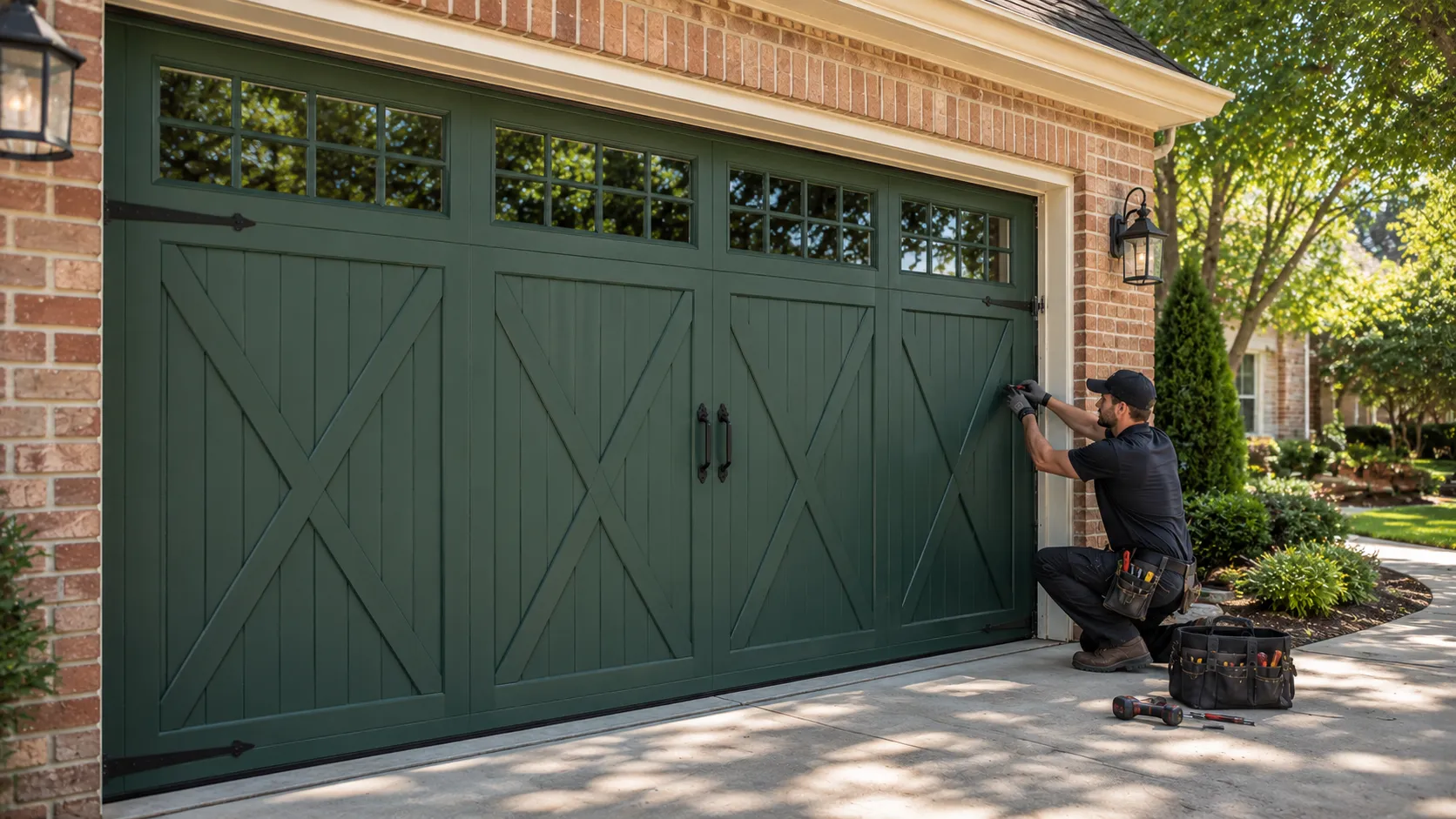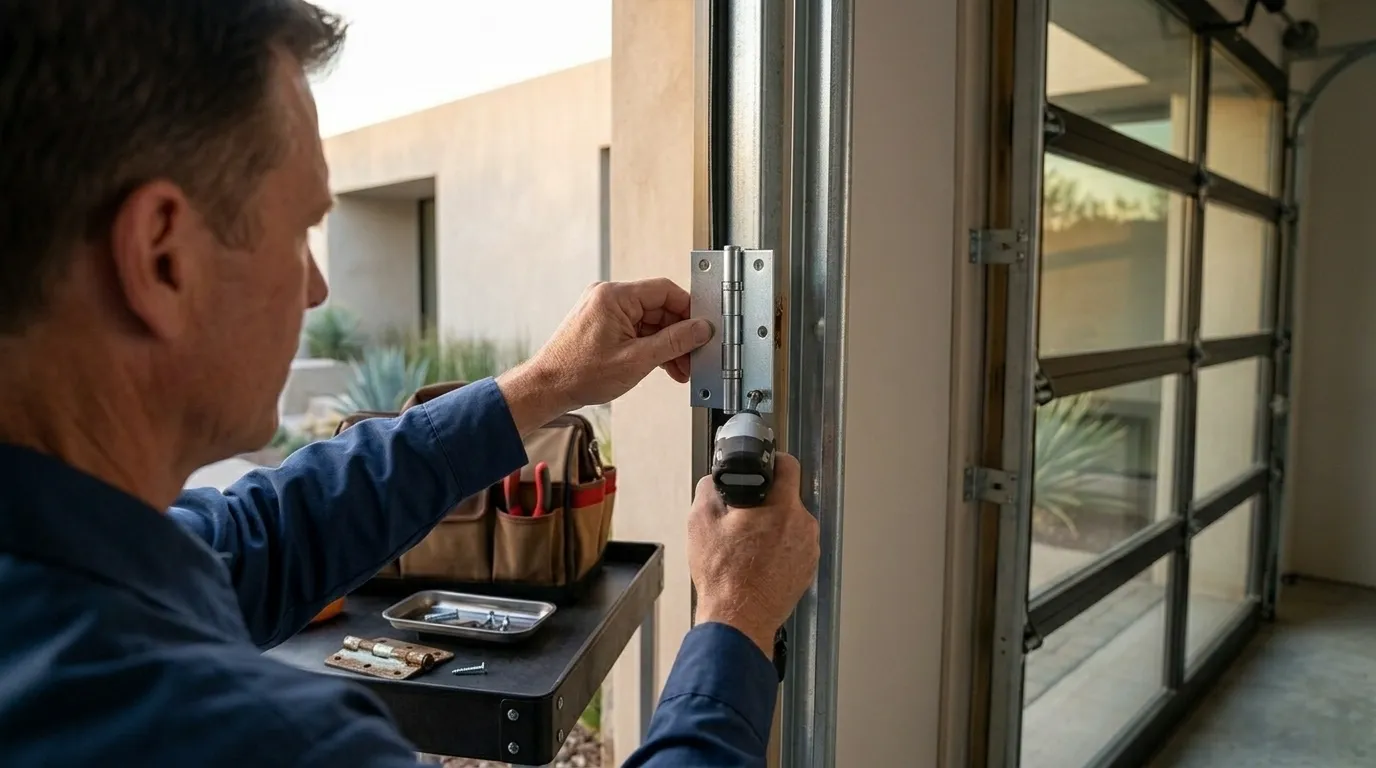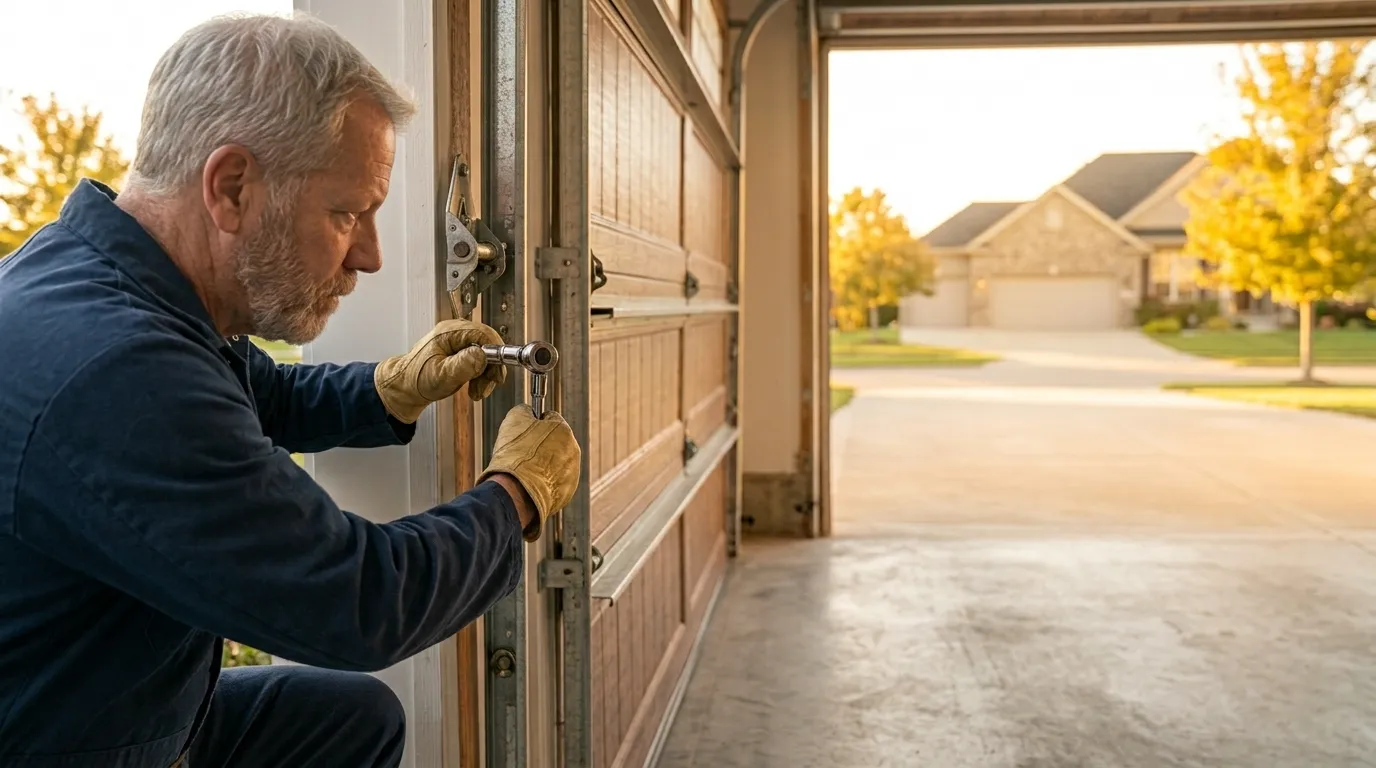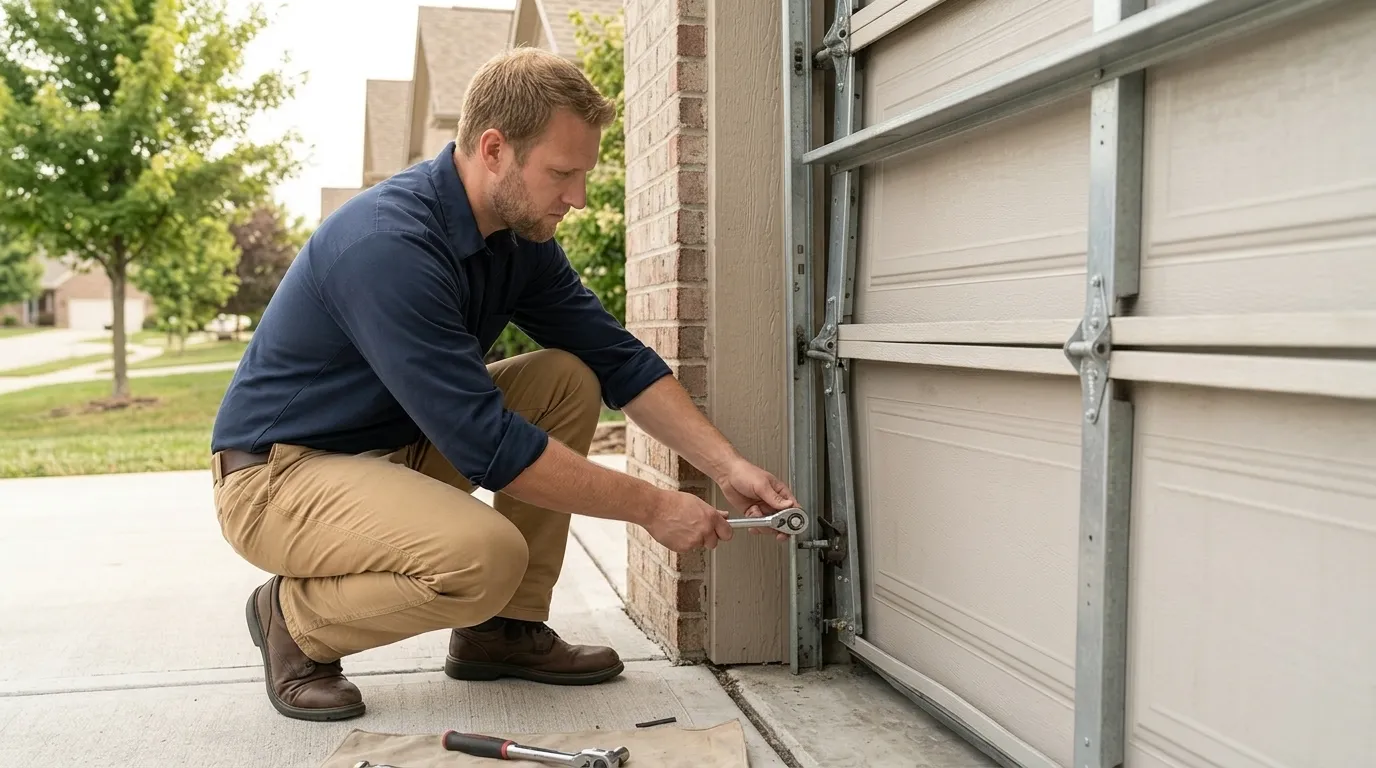
How It Shows Up
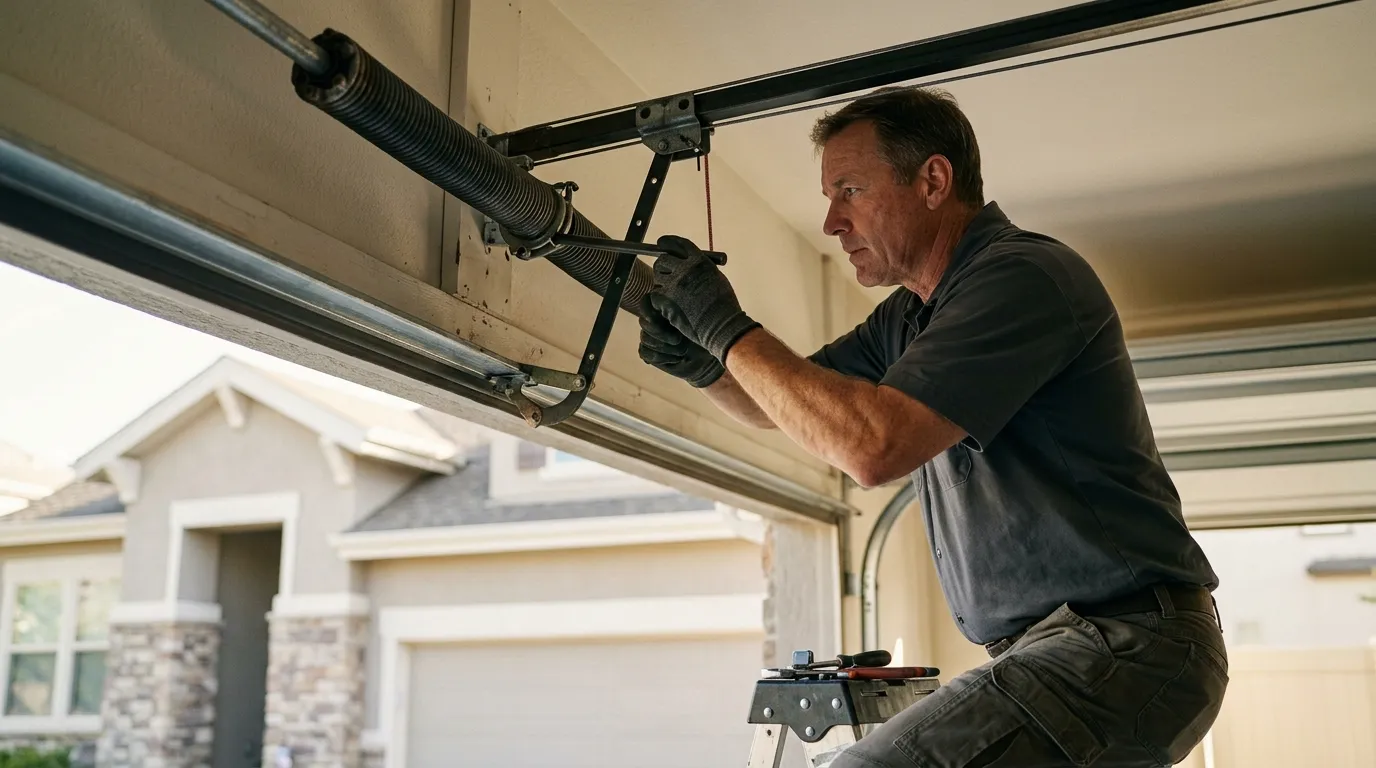
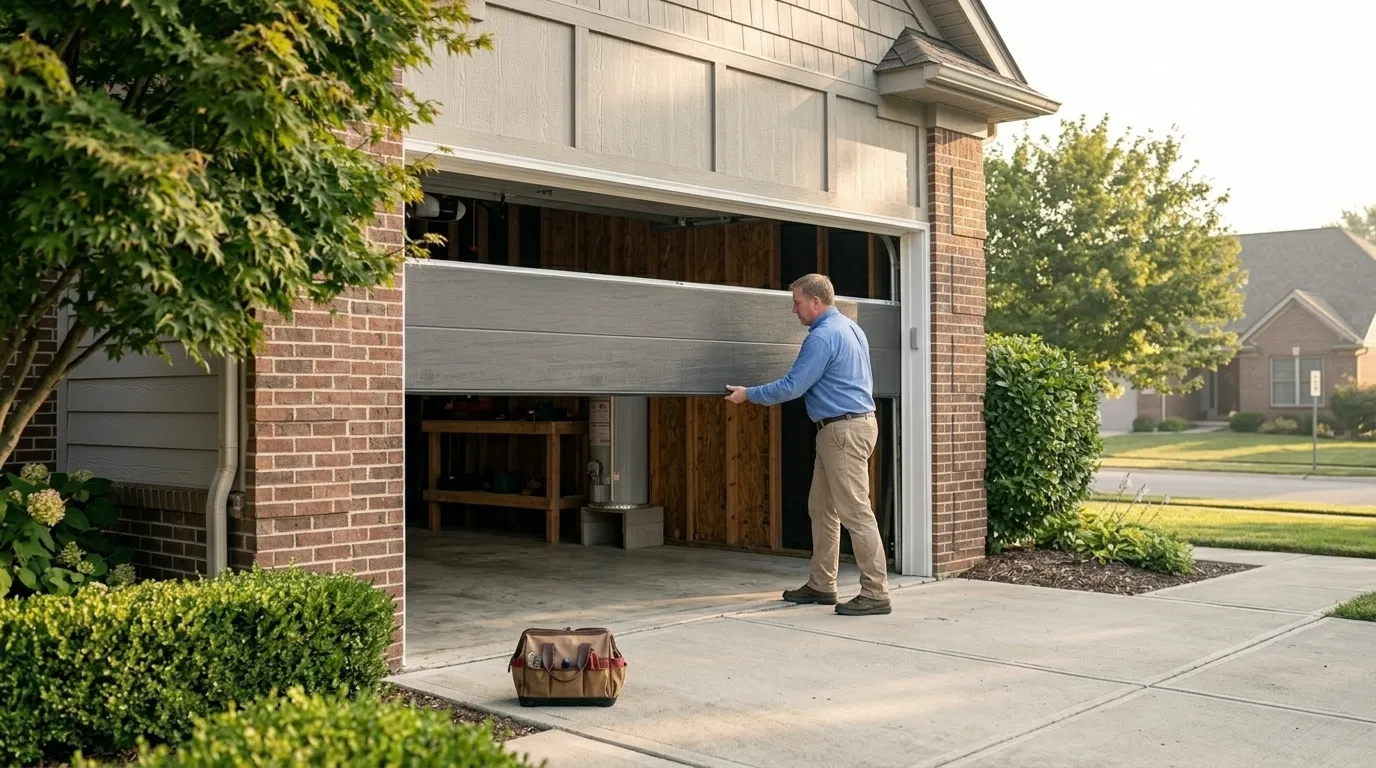
The call usually starts the same way: the opener grinds, stalls halfway, or just clicks and does nothing. Most of the openers we pull out of Dewey-Humboldt garages are original or close to it, chain-drive units bolted to a rail that's outlived its gearing. The motor's still spinning, but the drive gear inside has stripped, which is why the door won't move even though the unit sounds like it's trying.
Dewey-Humboldt's housing stock runs 1987 to 1999, with a median build year of 1992, and that matters more than people think. Openers from that construction window were sized for lighter doors and simpler safety codes. Homeowners who've since swapped to a heavier insulated door, or added a second layer for the cold-band winters here, are now running a door the original opener was never rated to lift. That mismatch is the actual fault, not just old age on the motor.
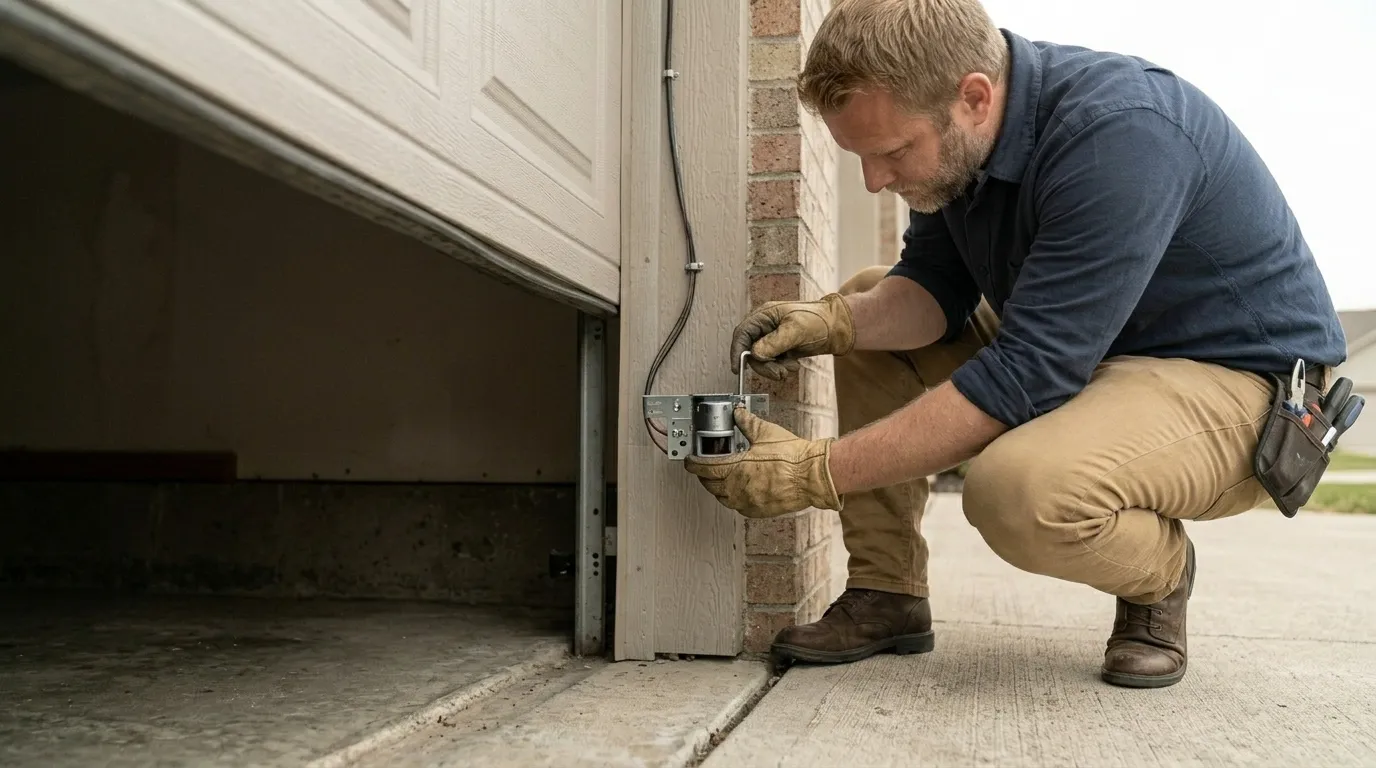
We also see a lot of units with no working photo-eye sensors, either missing entirely or wired around because they kept tripping. That's a safety gap on a door this age, not just an inconvenience.
Booking a Visit
We run out of Prescott Valley, about 7 miles from Dewey-Humboldt, so a visit here is a short drive, not a same-town dispatch. When you call, tell us the door's width, whether it's insulated, and roughly how old the current opener is if you know it. That's usually enough to bring the right rail length and mounting hardware on the first trip instead of a second one.
We don't keep a branch or a storage yard in Dewey-Humboldt itself. Everything comes off the truck from Prescott Valley, so if a part isn't on board we'll say so up front rather than guess and leave you waiting on a return visit we didn't plan for.
Give us a rough sense of your garage's ceiling clearance too. Houses built in this town's peak years, the late 80s through the 90s, often have less headroom above the door than newer construction, which limits which opener rail types will actually fit without notching a joist.
The Cost of This Job
We don't have a set price to quote here without seeing the door and opener in person, since the job changes depending on whether we're matching an existing rail bracket, adding a new photo-eye run, or reinforcing a header that wasn't built for a heavier motor. What we can say is that Dewey-Humboldt's median household income, at $64,183, runs higher than some of the surrounding service area, and that does shape which opener tiers homeowners here tend to ask for versus settle for.
We'll always give you the number before we start, not after. If reinforcing an old header adds real labor, that gets called out as its own line, not buried into the opener price.
What Can Go Wrong
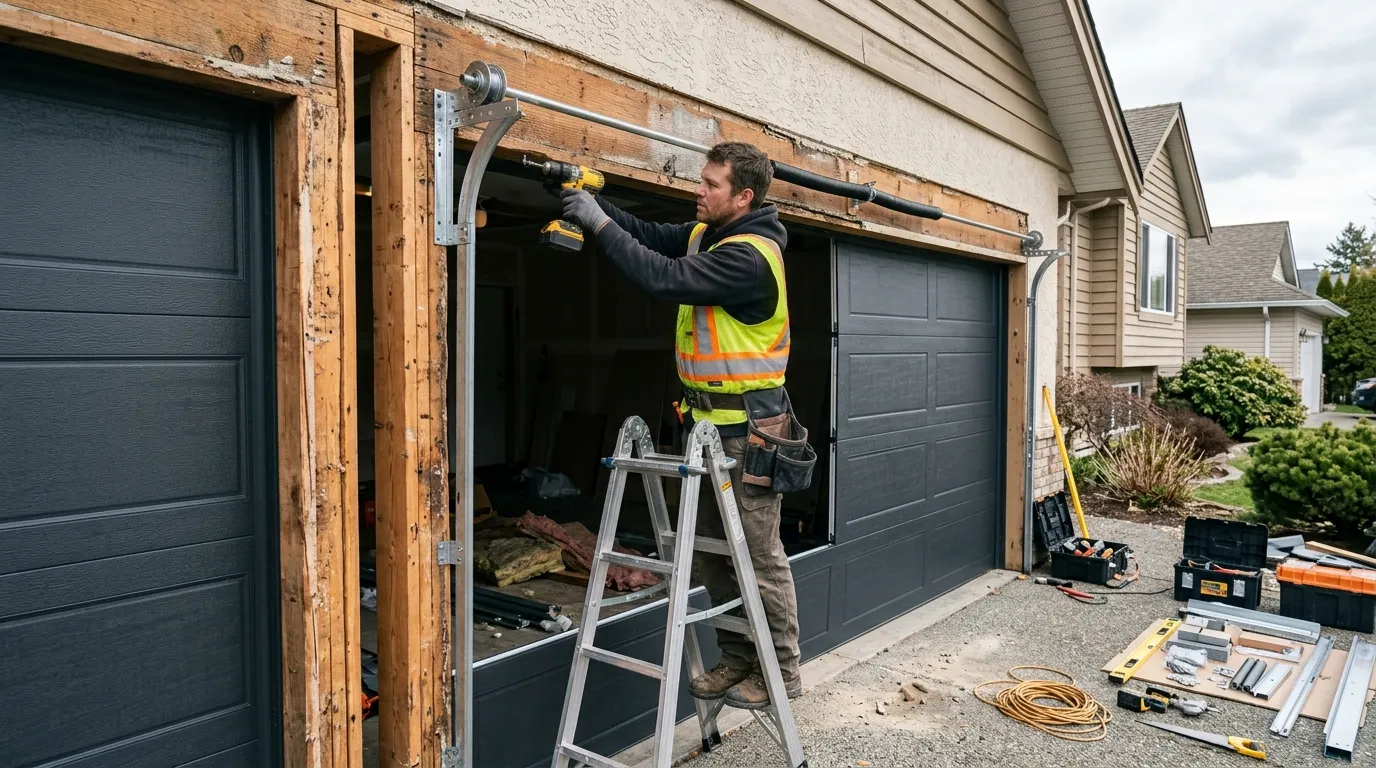
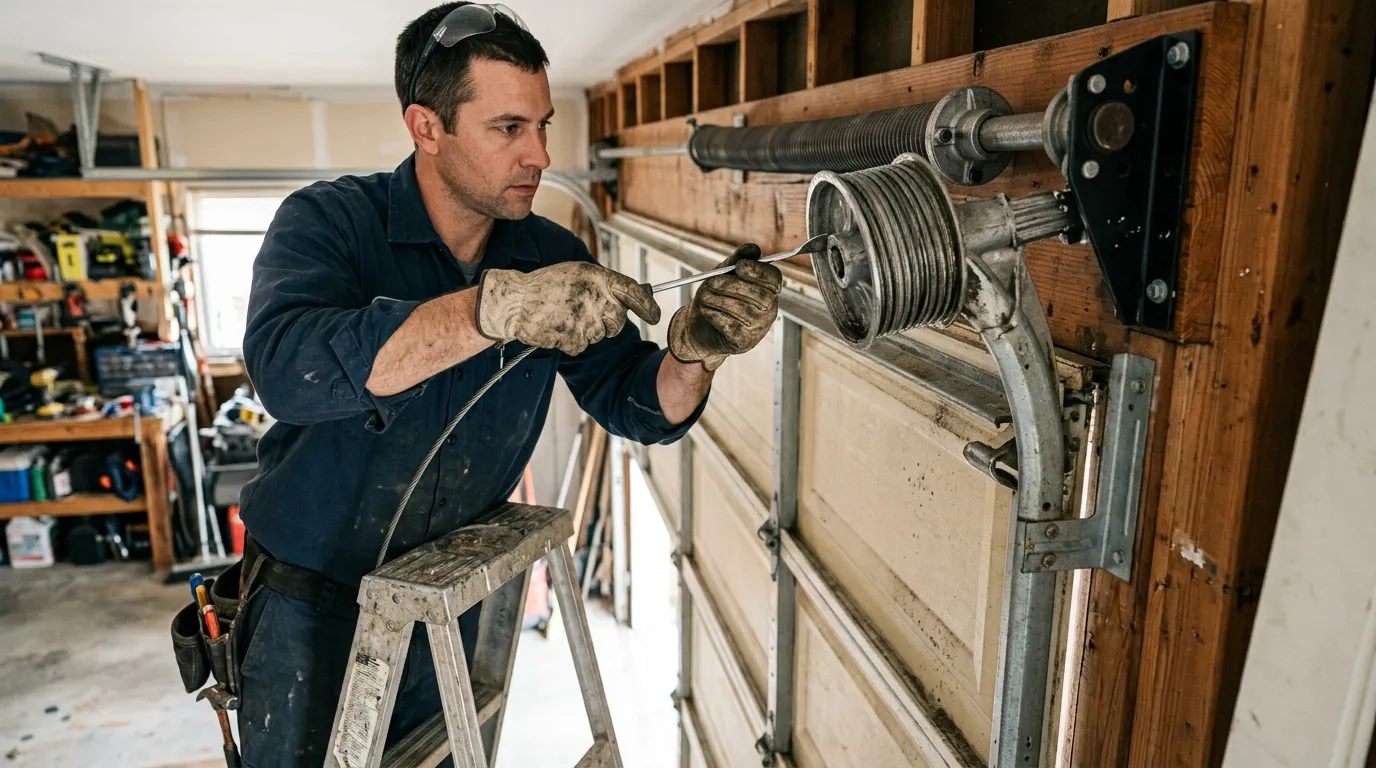
The most common surprise on these jobs is header framing that won't hold a new mounting bracket without added blocking. Houses built in the late 80s and 90s in this area often used lighter framing above the garage opening than current code calls for, especially if the original door was light steel. When we swap in a heavier-duty opener, that bracket sometimes needs backing wood added before it'll hold securely, which is extra time we can't always see until the old unit's off the ceiling.
We also run into wiring that was never pulled for a photo-eye circuit at all, meaning we're adding conduit, not just connecting to what's there.
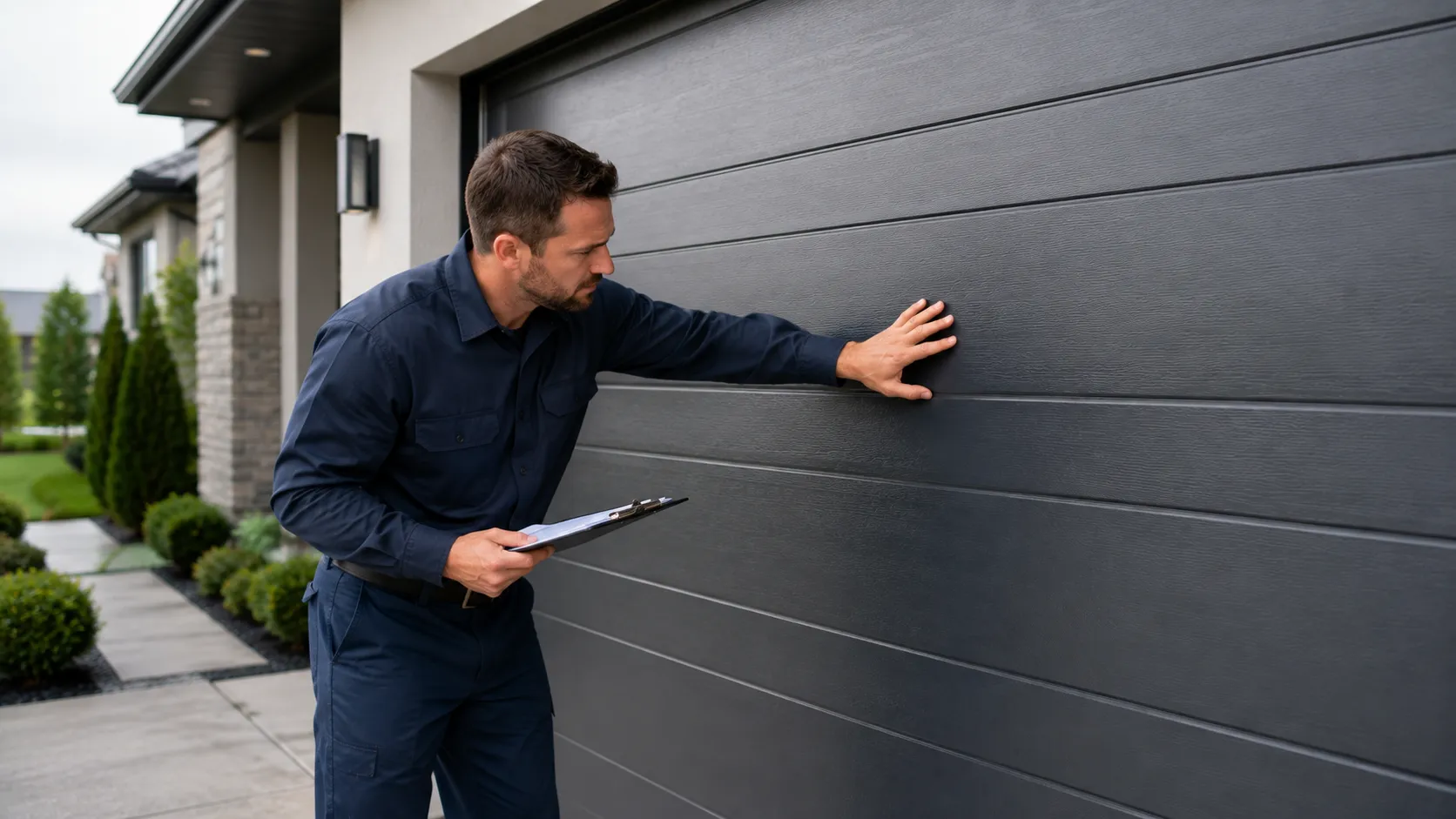
One honest limit: if the door itself is original steel from this build era and already showing rust or a bent track, we'll say so before installing a new opener on it. Putting a strong new motor on a tired door just moves the failure point, and we won't sell you that.