How It Shows Up
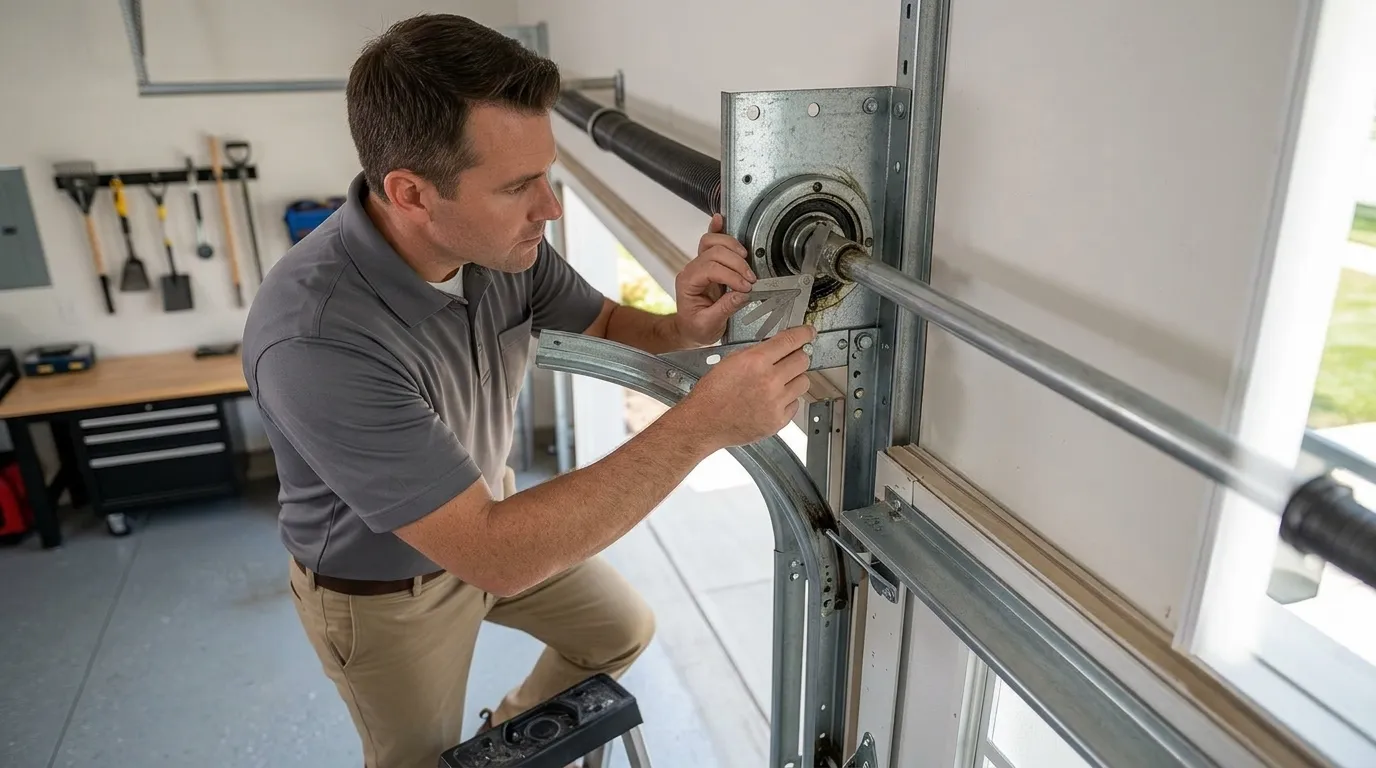
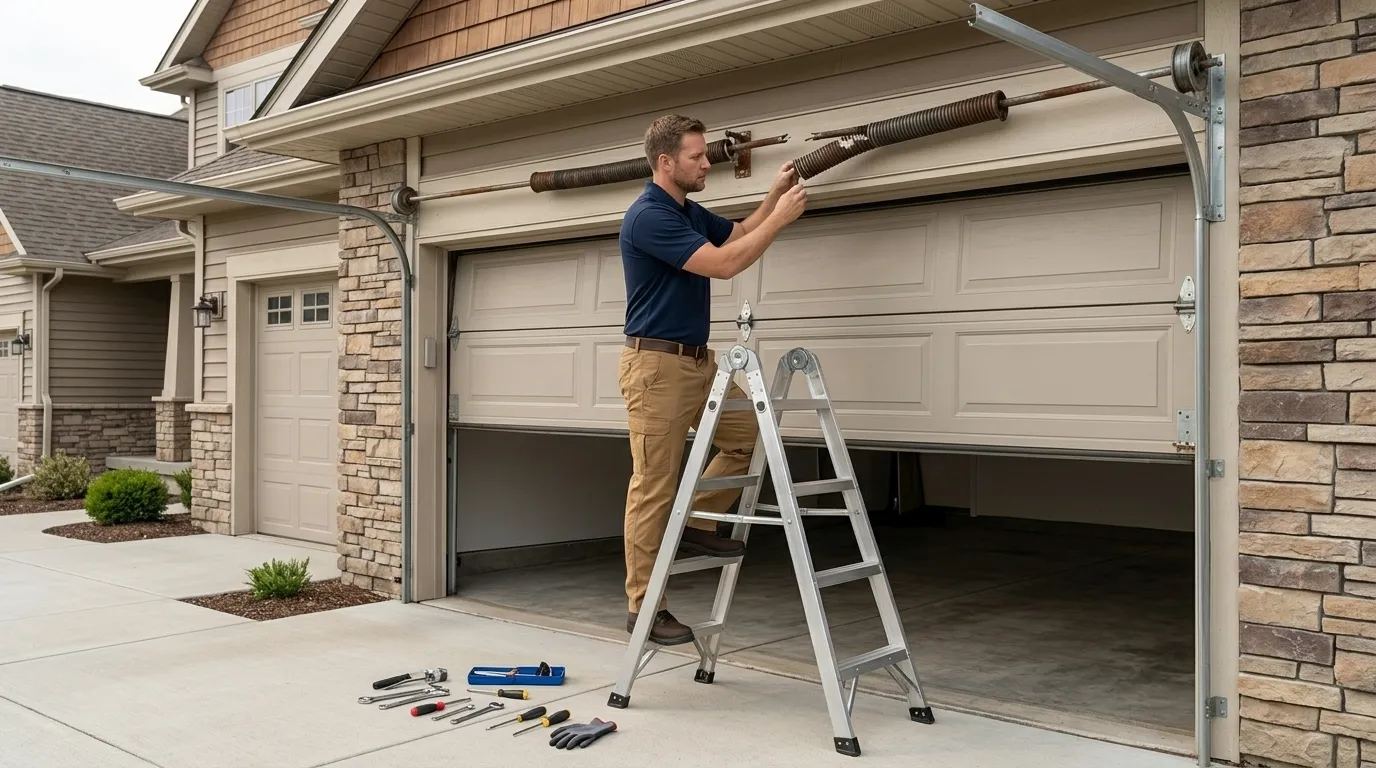
Dewey-Humboldt sits about 7 miles from our shop in Prescott Valley, and most of the houses we get called to out here were built in the 1980s and 90s, with the median landing around 1992. That's a specific window for garage doors: openers from that era are usually on their second or third logic board, and the extension or torsion springs are old enough that nobody remembers the last time they were adjusted. What you notice first is usually the opener straining on the way up, or a door that reverses for no reason halfway down. Both point to springs that have lost tension over thirty-some years of cold mornings and hot afternoons. The area sits in a cold-moderate climate band, and that swing matters for steel components - metal contracts in a way that loosens fasteners and stiffens grease nobody's touched since the door was installed. None of this shows up overnight. It shows up as a door that's noisier every month until one day it doesn't move at all.
Booking a Visit
We travel from Prescott Valley to cover Dewey-Humboldt, so a visit here gets scheduled the same way any other call in the service area does - there's no separate branch or crew based in town, just a truck that comes out. Tell us the age of the house if you know it; a door installed when the place was built in the early 90s behaves differently than one swapped in ten years ago, and that changes what we bring on the truck. If you can, note whether the noise or sticking happens on the way up, the way down, or both. That one detail saves a second trip more often than people expect.
The Cost of This Job
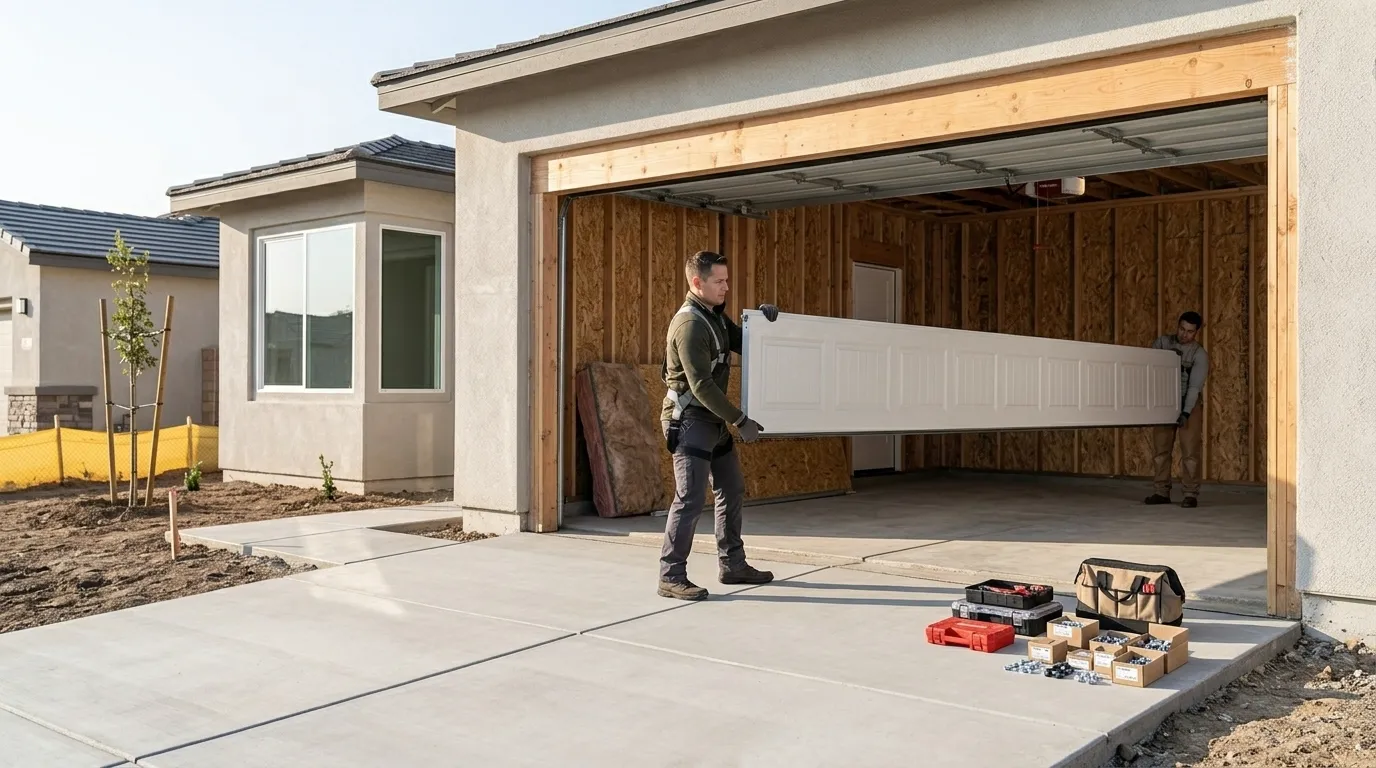
Median household income in Dewey-Humboldt runs $64,183, a few thousand higher than the wider service area's $59,733. That gap matters for the repair-or-replace call: at this income level, a full tune-up and spring adjustment on a door that's structurally sound is almost always the better spend than a full replacement, especially on a panel door from the early 90s that still tracks straight. Replacement makes sense when the door's warped, the track is bent beyond adjustment, or the opener has failed outright and parts for it are no longer made. For most of the houses out here, that point hasn't been reached yet - the door just needs attention it hasn't gotten.
What Can Go Wrong
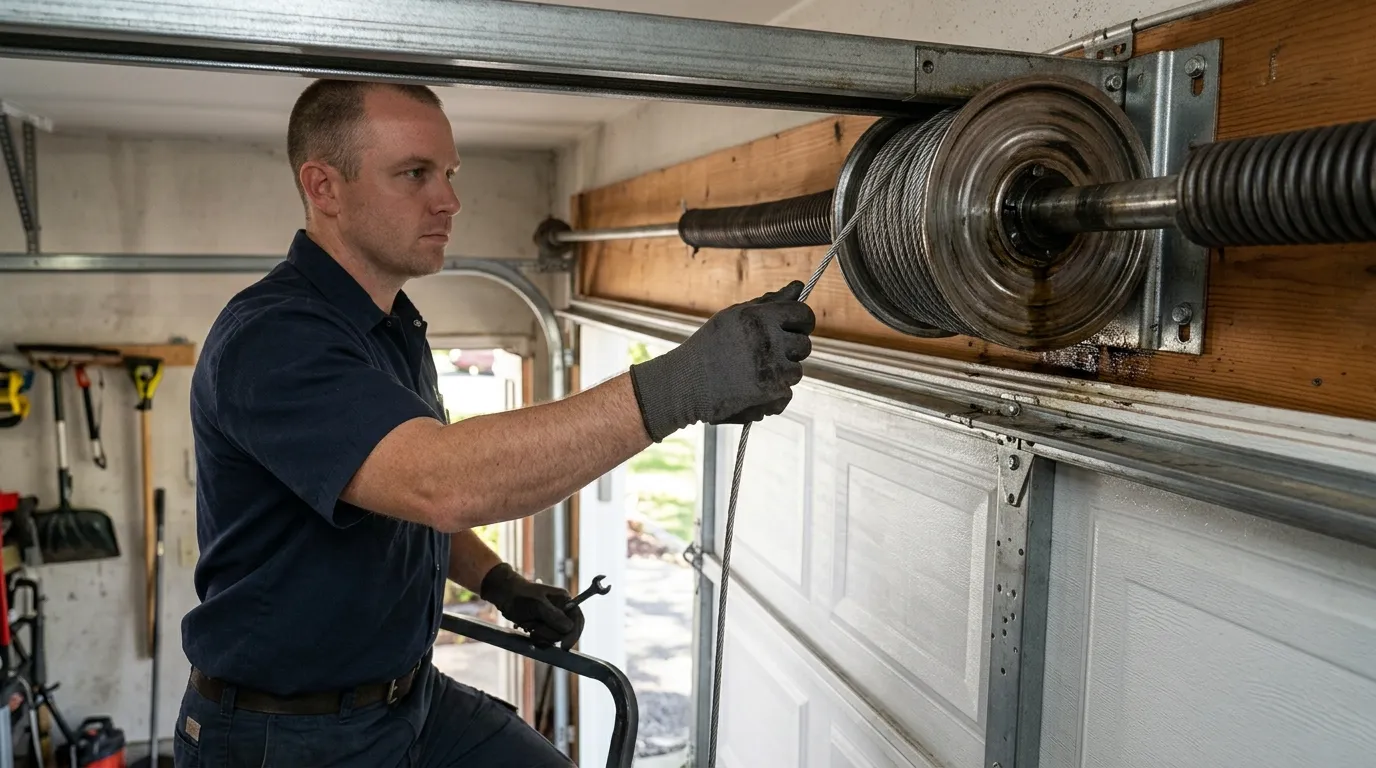
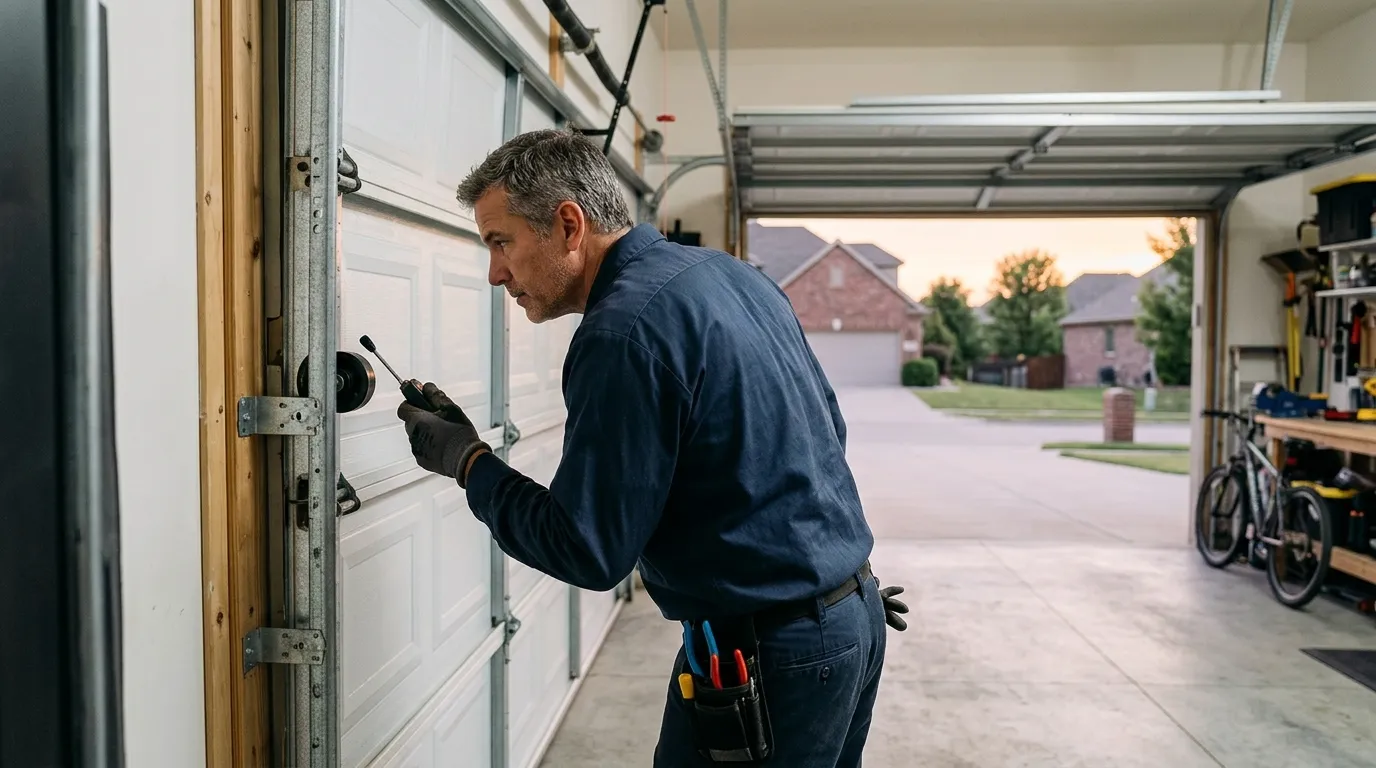
The most common failure on a 1980s-90s door out here is a torsion spring that's lost enough tension that the opener is doing the spring's job, which burns out the motor faster than it should. Second most common: rollers that have never been replaced, grinding in a track that's slowly gone out of alignment from decades of temperature swings. We also see cables fraying near the drum on doors that have never had a lift-cable inspection - that one's not cosmetic, it's a safety issue, since a snapped cable on a loaded spring can let a door drop fast. One honest limit: if the opener logic board from that era has failed and the manufacturer's stopped making the part, we're not going to pretend we can rebuild it - that's a replacement, not a repair.