How It Shows Up
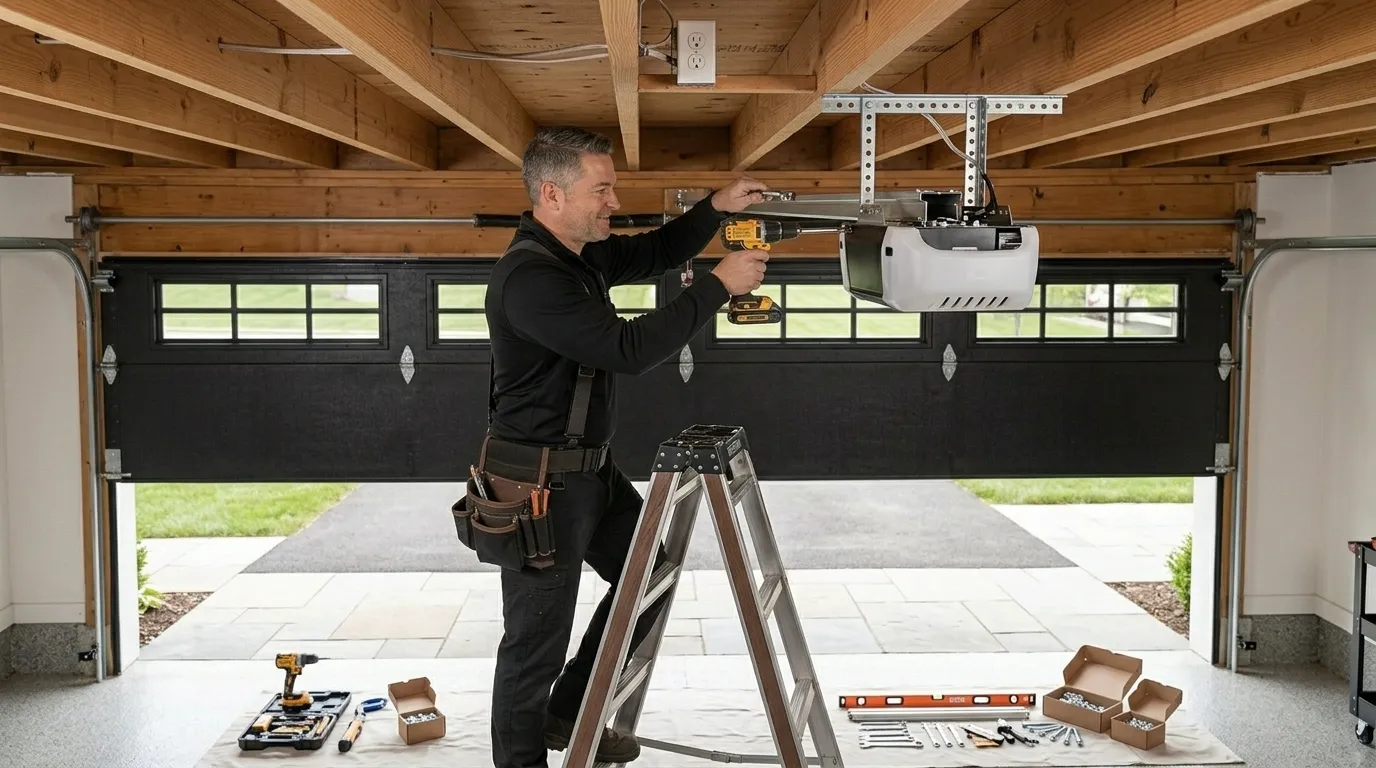
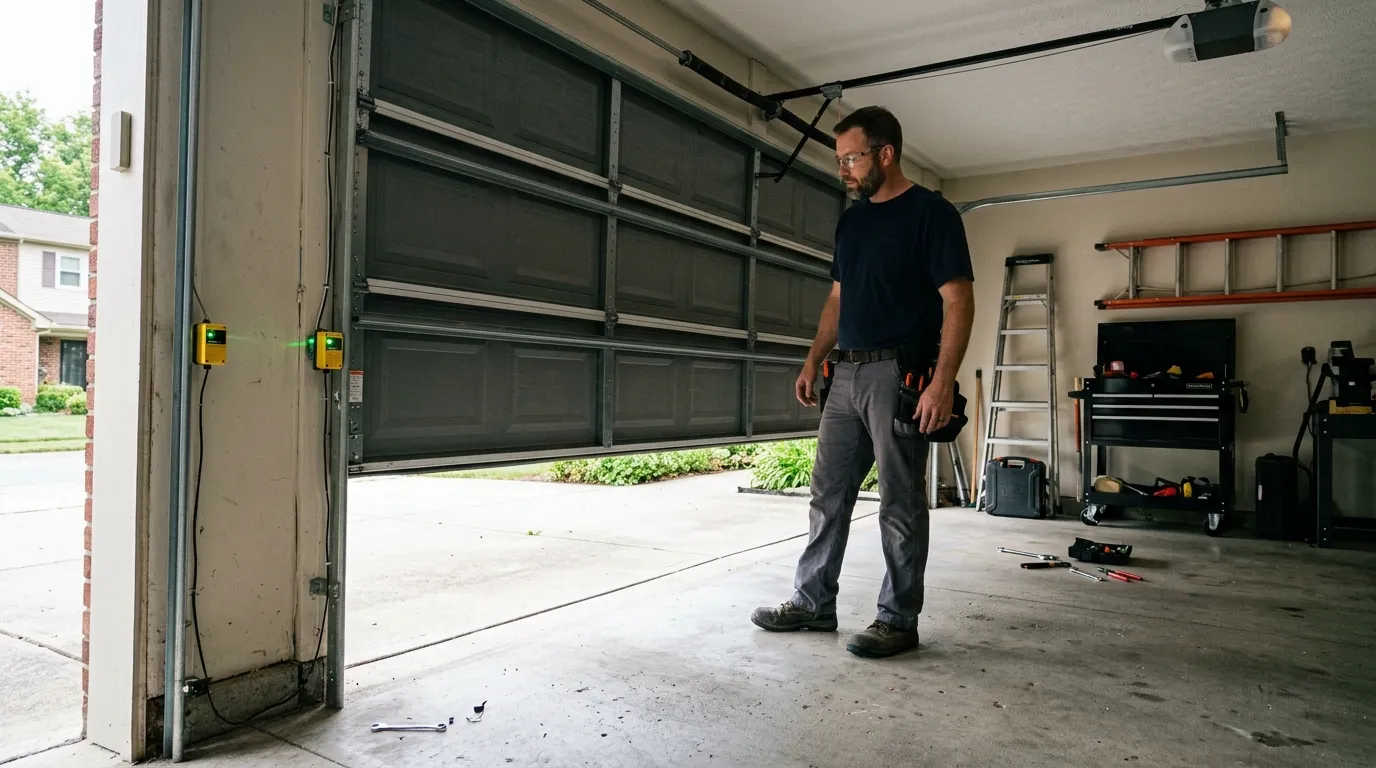
Most houses in Dewey-Humboldt were built between 1987 and 1999, with 1992 sitting right in the middle of that run. That's a specific window for garage doors: builders in this stretch were putting up steel sectional doors on extension springs far more often than torsion bar setups, especially in tract construction. Twenty-plus years on, those extension springs are past their rated cycle count, and the safety cables that are supposed to catch a snapped spring are either missing or original and brittle. The symptom is usually the same story - a door that slams down hard on the last foot of travel, or one that won't budge because a spring let go overnight. On a handful of the older builds you also get steel panels that have started to bow at the bottom section, where moisture sits against the weatherstrip. None of this is dramatic. It's just hardware doing exactly what 30-year-old hardware does.
Booking a Visit
We run out of Prescott Valley, about 7 miles from Dewey-Humboldt, so a call here isn't a same-block job - it's a scheduled trip, same as any address outside the home base. Tell us the door type (steel sectional is the safe bet given the build years out here) and whether it's making noise, stuck, or off the track entirely, and we'll bring the parts that era typically needs. If you're not sure what's wrong, that's fine - a lot of Dewey-Humboldt calls turn out to be the same worn extension spring set, so we come prepared for that first.
The Cost of This Job
We don't have a posted price list for this page, and quoting a number without seeing the door would be guessing. What we can tell you is what drives the cost on a typical Dewey-Humboldt job: whether it's a single spring or a matched pair (matched pairs are the right call on doors this old, even if only one has failed), whether the safety cables and end bearing plates need replacing alongside the spring, and whether the opener's force settings need resetting once the new spring is in. A straightforward spring swap costs less than a job where the track's been bent from a door running unbalanced for months - which happens more often on original 1990s doors than newer ones, because a stretched extension spring lets the door run crooked long before it fully fails.
What Can Go Wrong
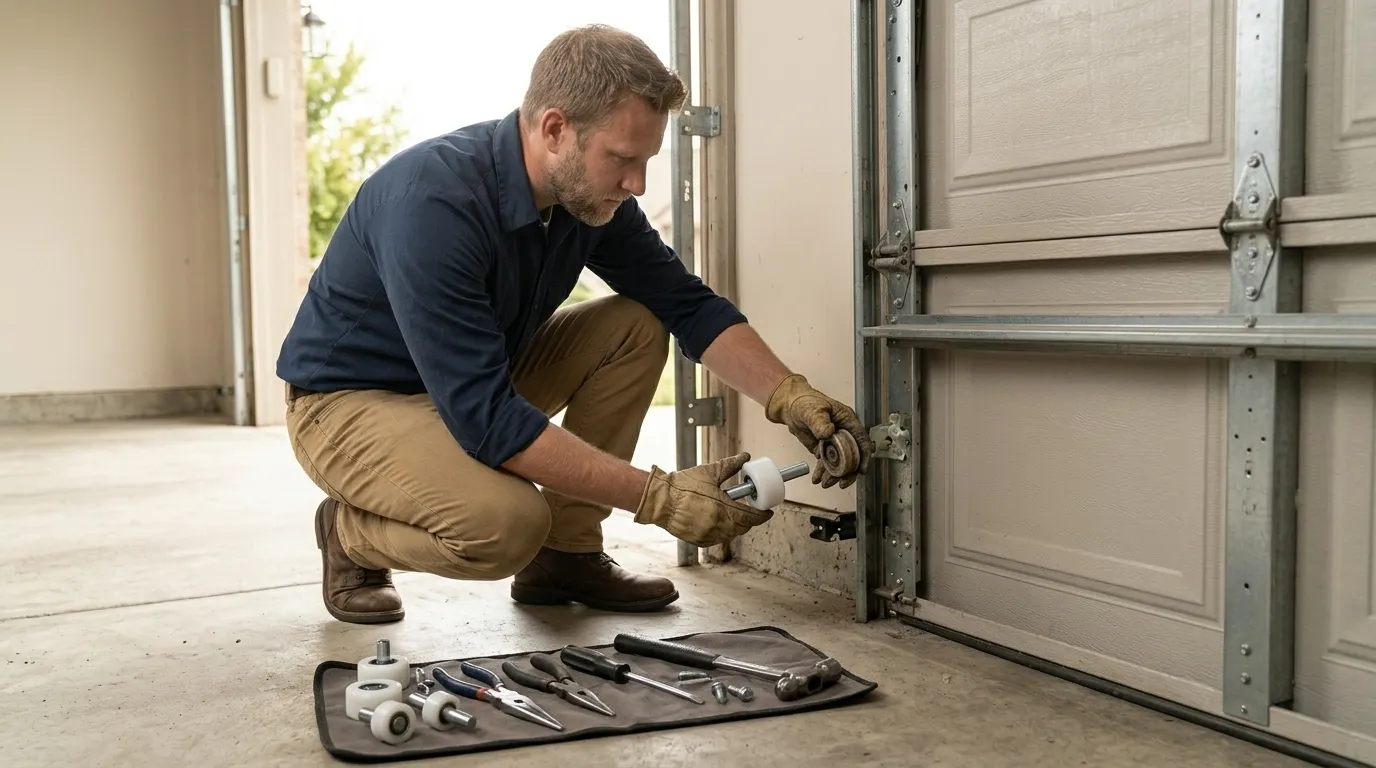
On doors from this build era, the most common thing we see beyond a dead spring is a stripped or cracked plastic idler pulley - a part that was cheap to begin with and wasn't built for 30 years of service. When that goes, the extension spring cable can jump the drum and jam the door mid-travel, which some owners mistake for a broken opener rather than a $20 pulley. The other one worth mentioning: original galvanized safety cables that have never been replaced can corrode inside the coil where you can't see it, so they look fine until they're not. We check both on every extension-spring call out this way, because replacing a spring without checking the cable and pulley just means a second trip.