What Can Go Wrong
Williamson is a small pocket of roughly 2,941 households, and most of the houses on this side of the area went up around 1998, right at the tail end of the wider 1987-1999 building run that shaped this part of the county. That matters more than it sounds like it should. An opener installed when the house was built is now pushing 25-plus years of service, and the failures that show up at that age are predictable: worn nylon gears inside the head unit, a capacitor that's given out on the motor, a logic board that no longer talks to a remote reliably, or a safety-reversal sensor pair that's drifted out of alignment after two decades of settling.
Some of these are still repairable. A lot of them aren't worth chasing once the drive system itself is the problem, because you end up replacing parts on a unit that's already at the end of its design life. The honest answer in most of these houses is that the opener gets swapped, not patched, once it's original equipment from that build era.
What the Fix Involves
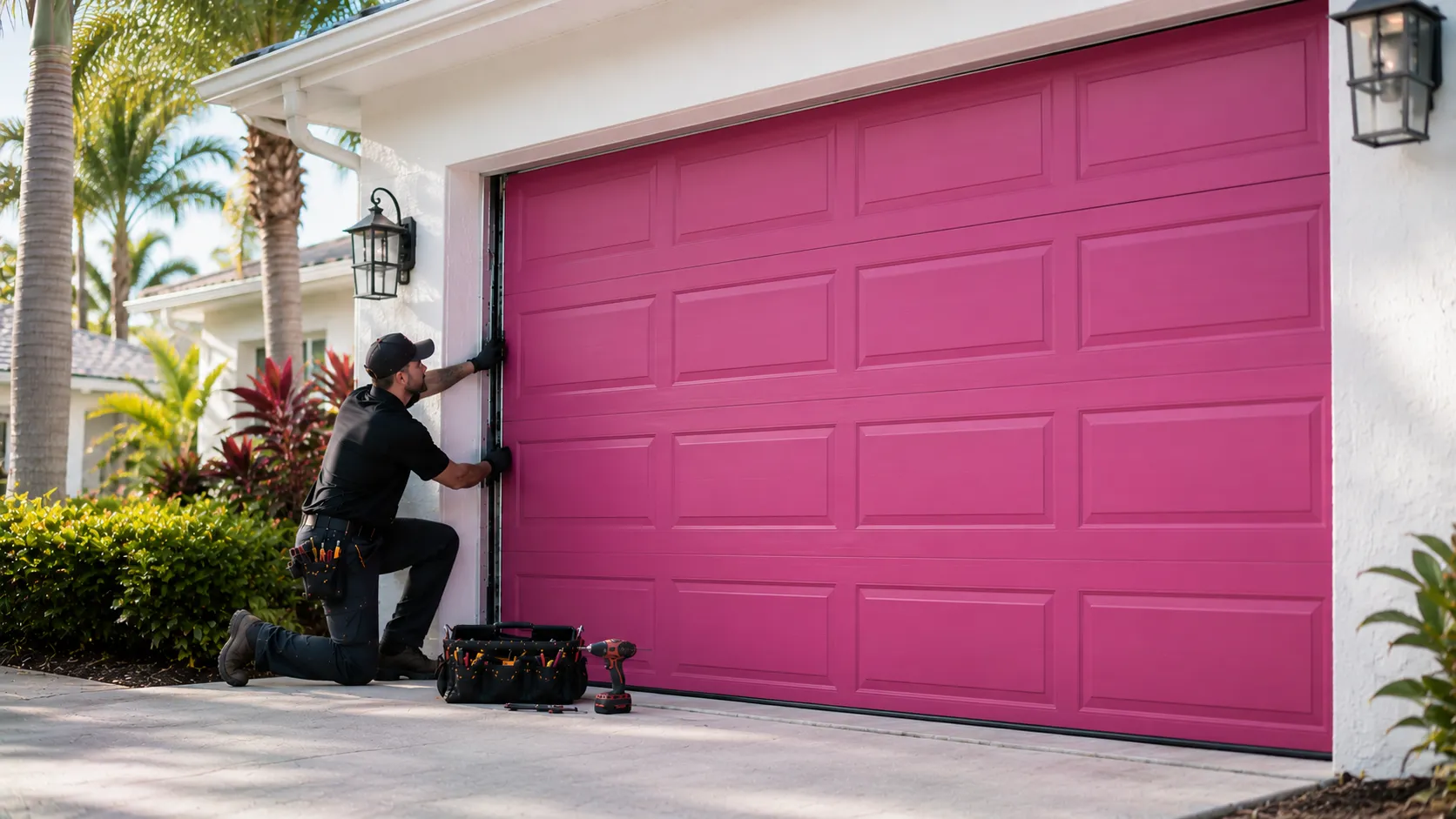
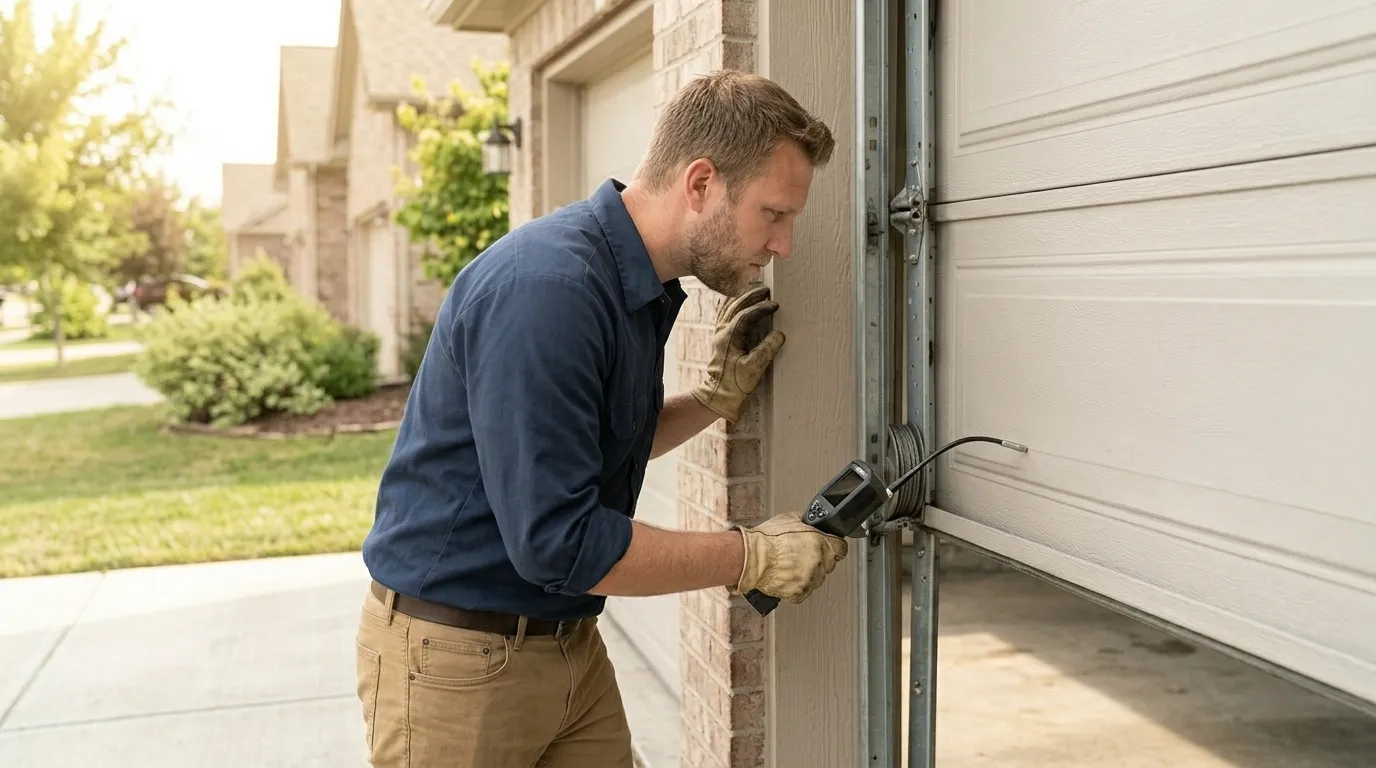
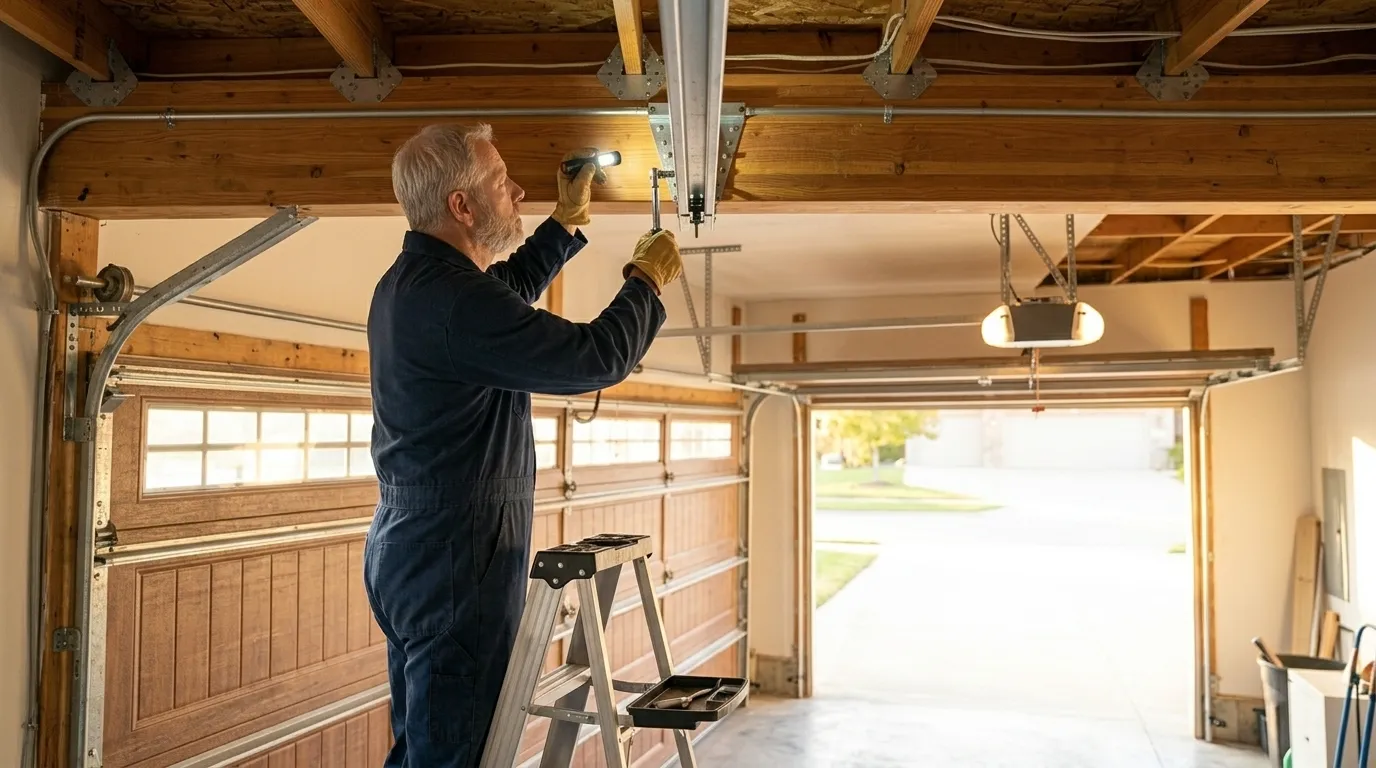
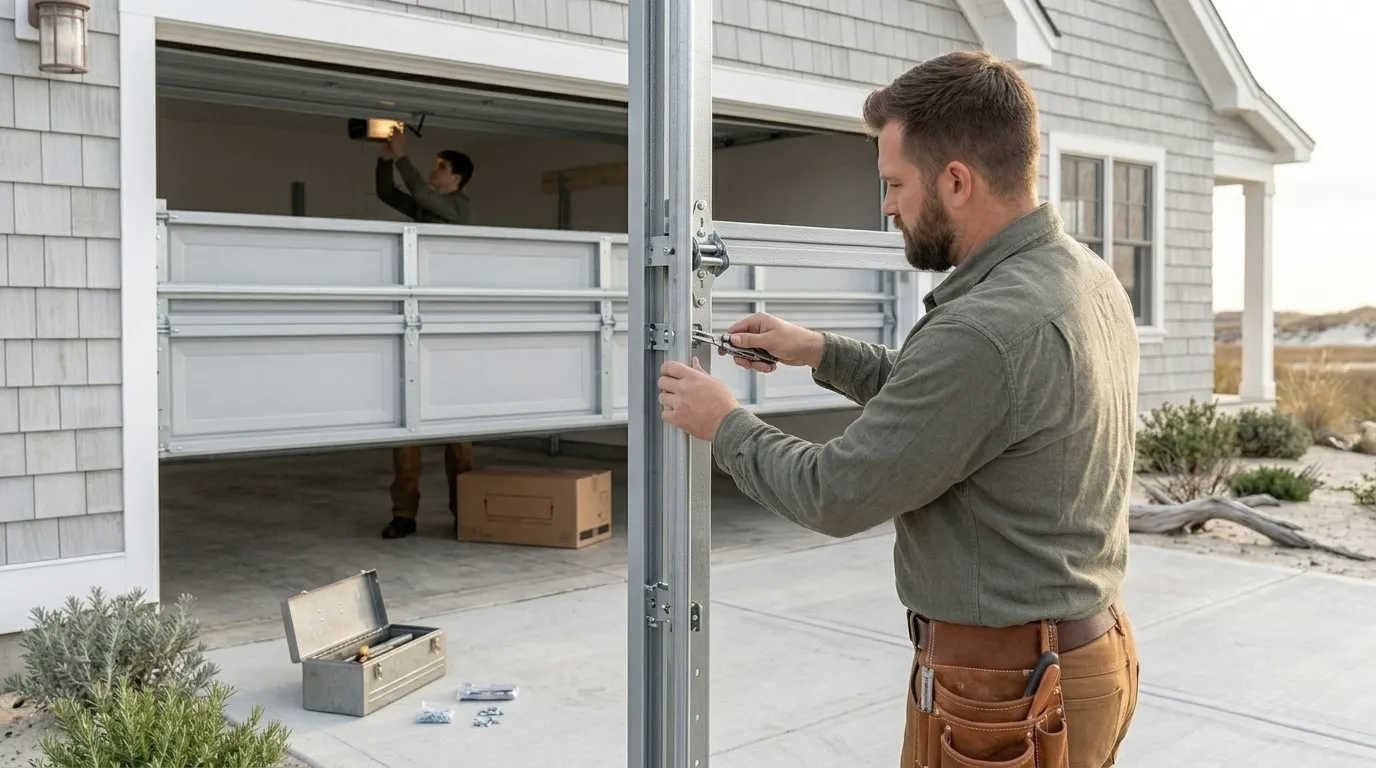
A straight opener swap means pulling the old head unit, checking the rail and trolley for wear, and mounting a new motor sized to the door's weight and spring setup - a double garage door doesn't run on the same horsepower as a single. We also check the wall control, the safety sensors at the base of the track, and whether the existing wiring is worth reusing or needs replacing outright.
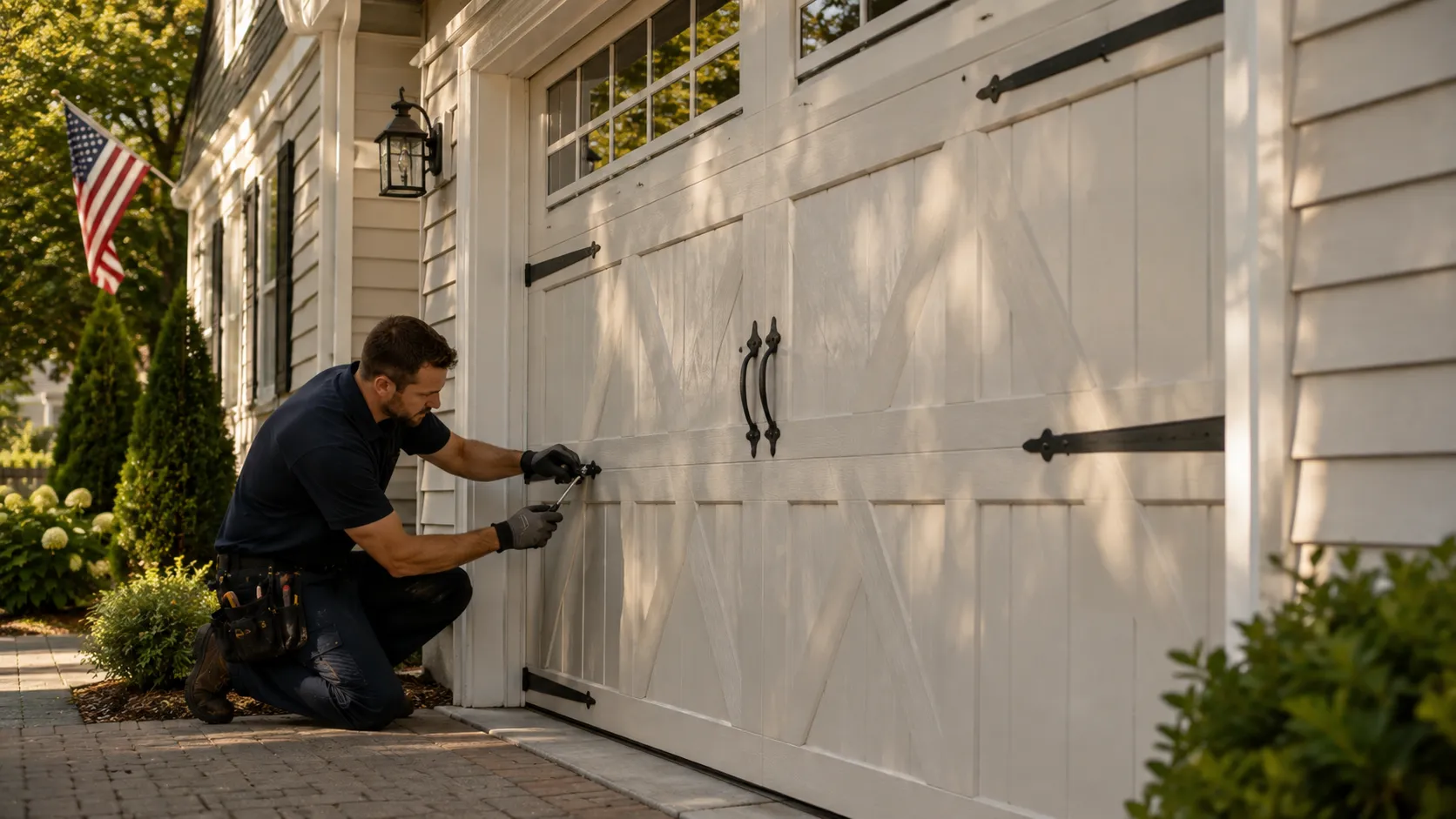
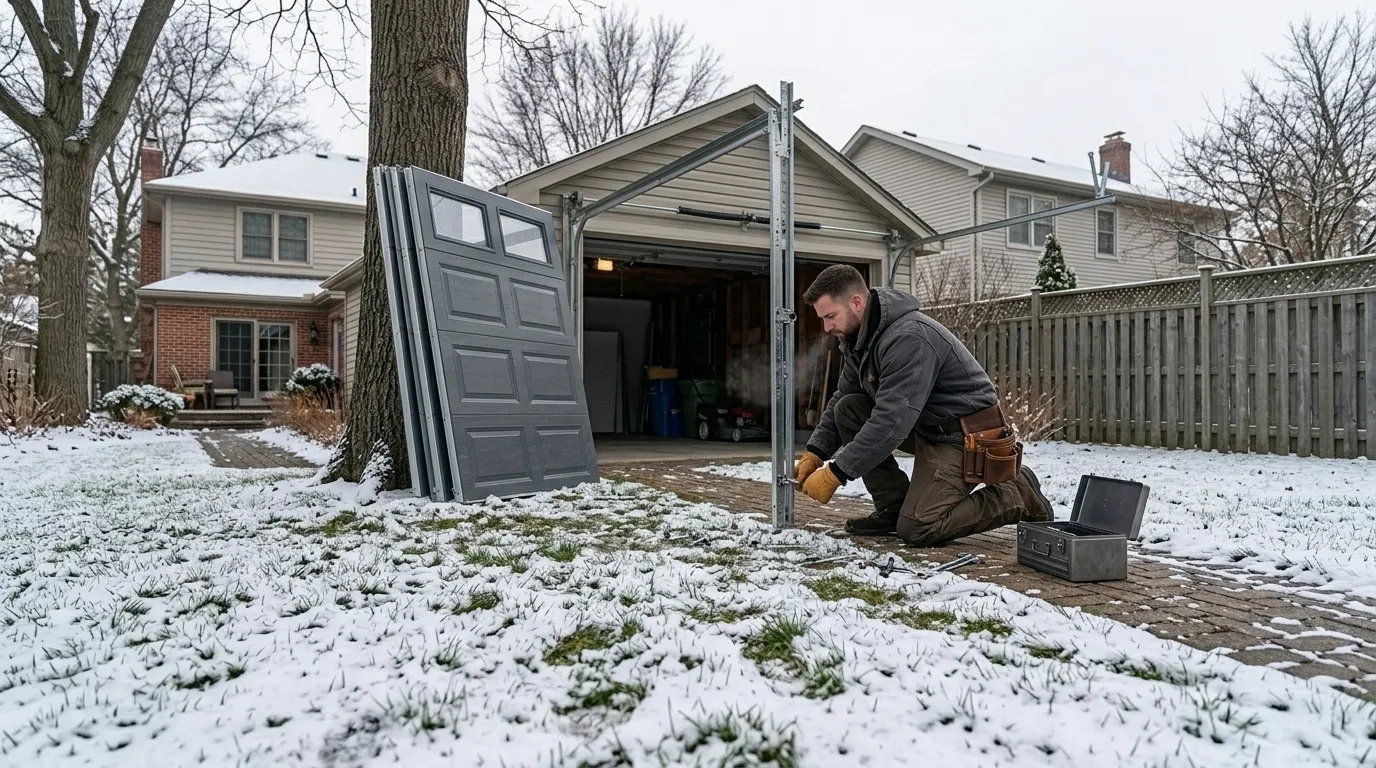
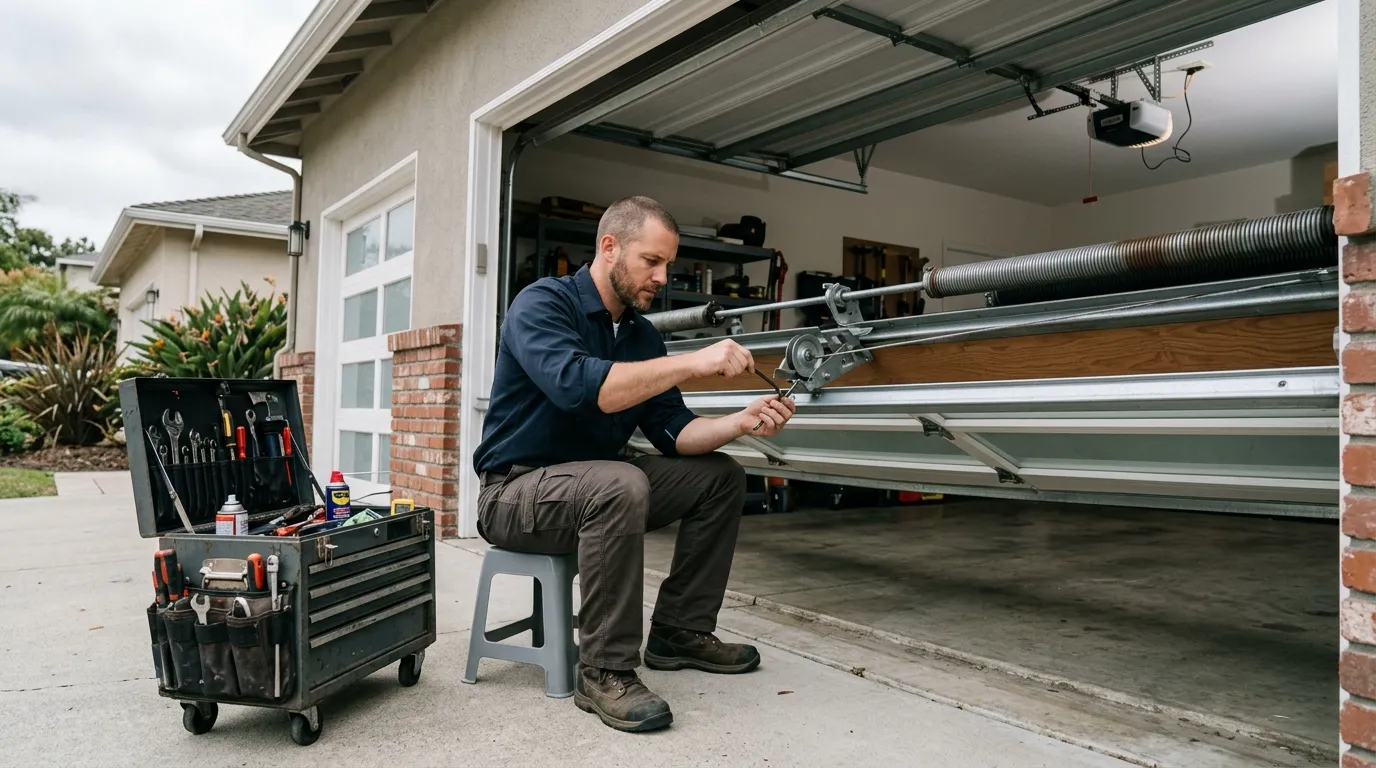
Because the door itself is often original to the same 1990s build, we make sure the new opener's force settings and travel limits are matched to hardware that's a couple decades old, not tuned for a brand-new door. That's the part that gets skipped on a rushed install and shows up later as a door that reverses for no reason or won't fully seat on the floor.
The Cost of This Job
We don't have a fixed number to quote sight unseen, and we're not going to invent one. What we can say is that the range depends on door weight, whether the existing rail and wiring are reusable, and which drive type the owner wants - chain, belt, or direct drive. Median household income in this part of the service area runs meaningfully higher than the broader area average, and in practice that shows up as more owners asking about battery-backup units and smart-phone-linked openers rather than the bare chain-drive unit that likely came with the house originally. That's a preference, not a requirement - a straightforward chain-drive swap is still a sound, cheaper choice on an older door.
How Long It Takes
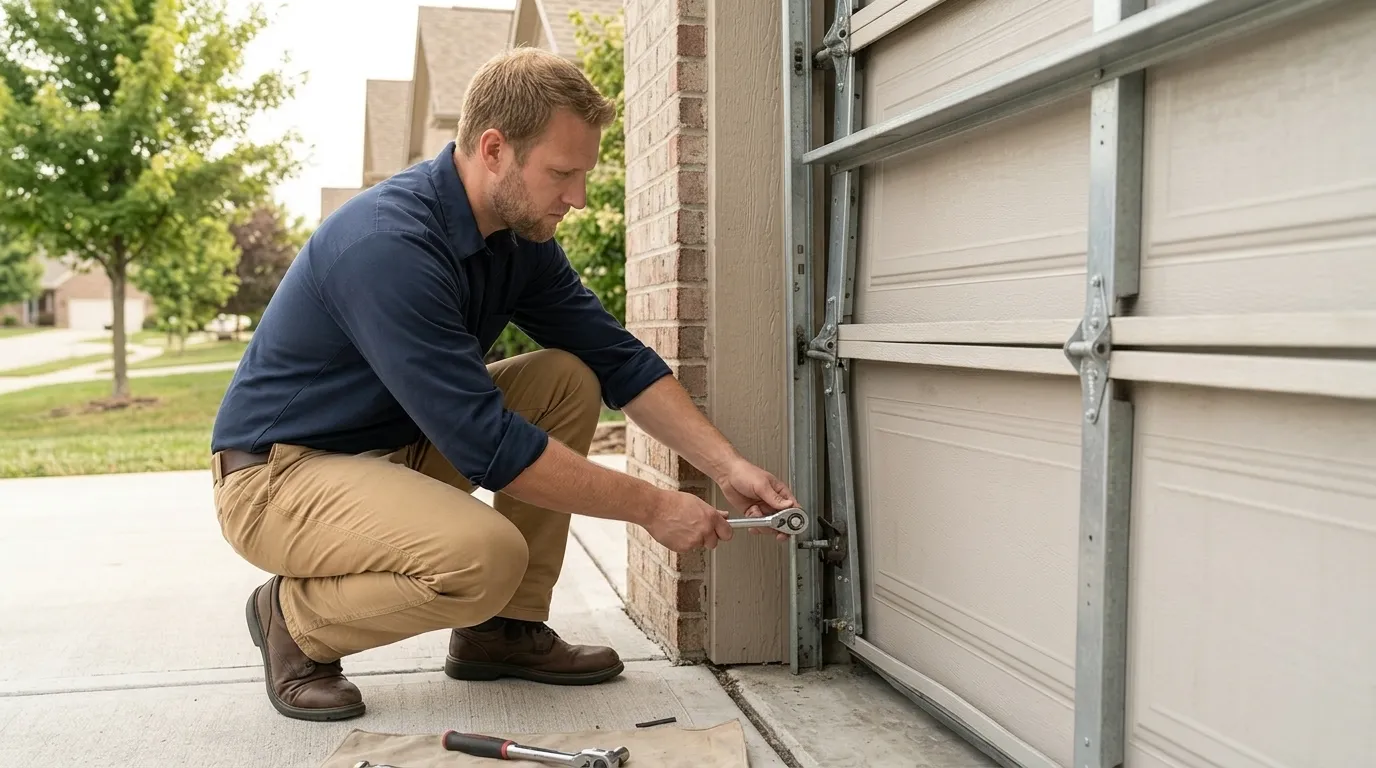
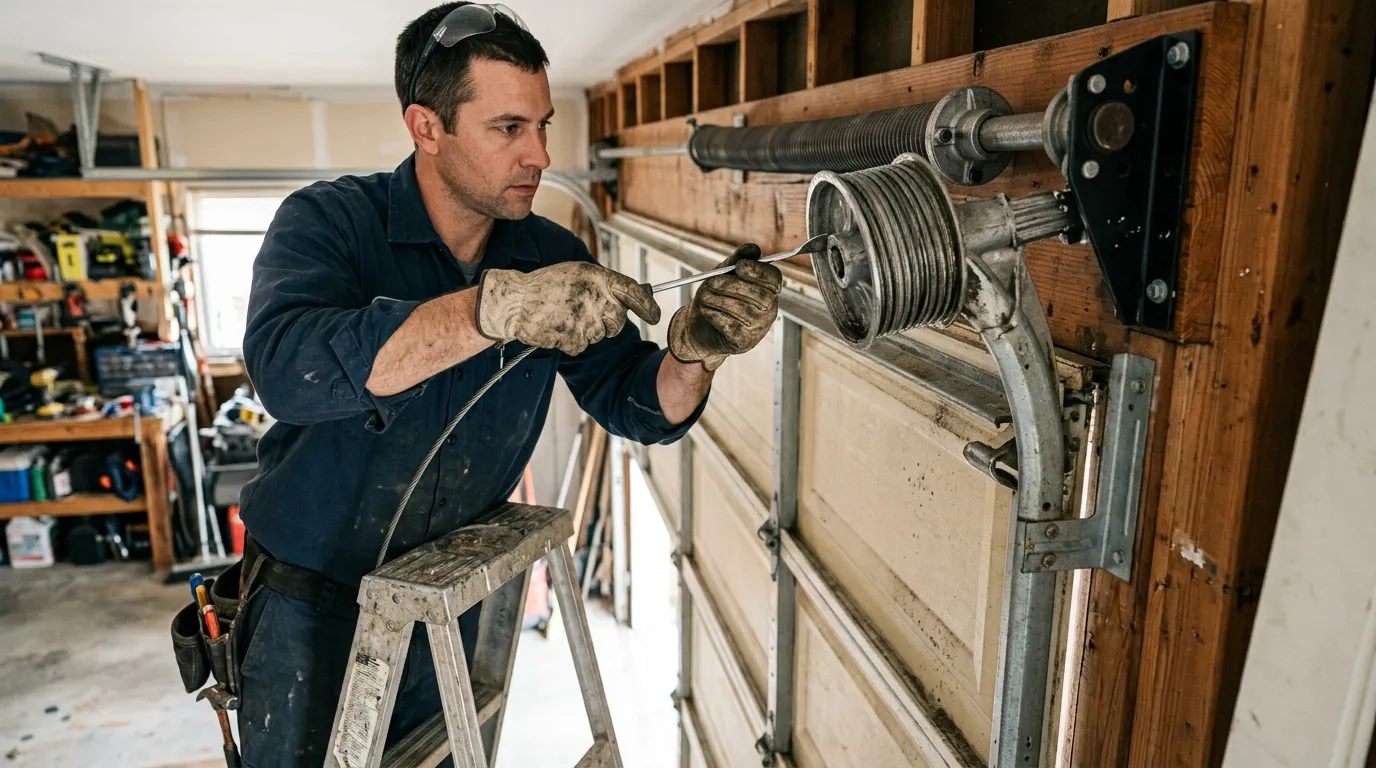
A single-unit swap on a door that's structurally sound is a same-visit job once the truck is on site - the work itself isn't the long part. What stretches a job out is anything upstream of the opener: a track that's bent, hinges that need replacing, or a spring that's failing alongside the motor. On houses from this build era, it's common to find more than one of those at once, since the door hardware and the opener are usually the same age. We'll tell you on the spot if we find something that needs attention beyond the opener itself, rather than installing a new motor on a door that isn't ready for it.