What Can Go Wrong
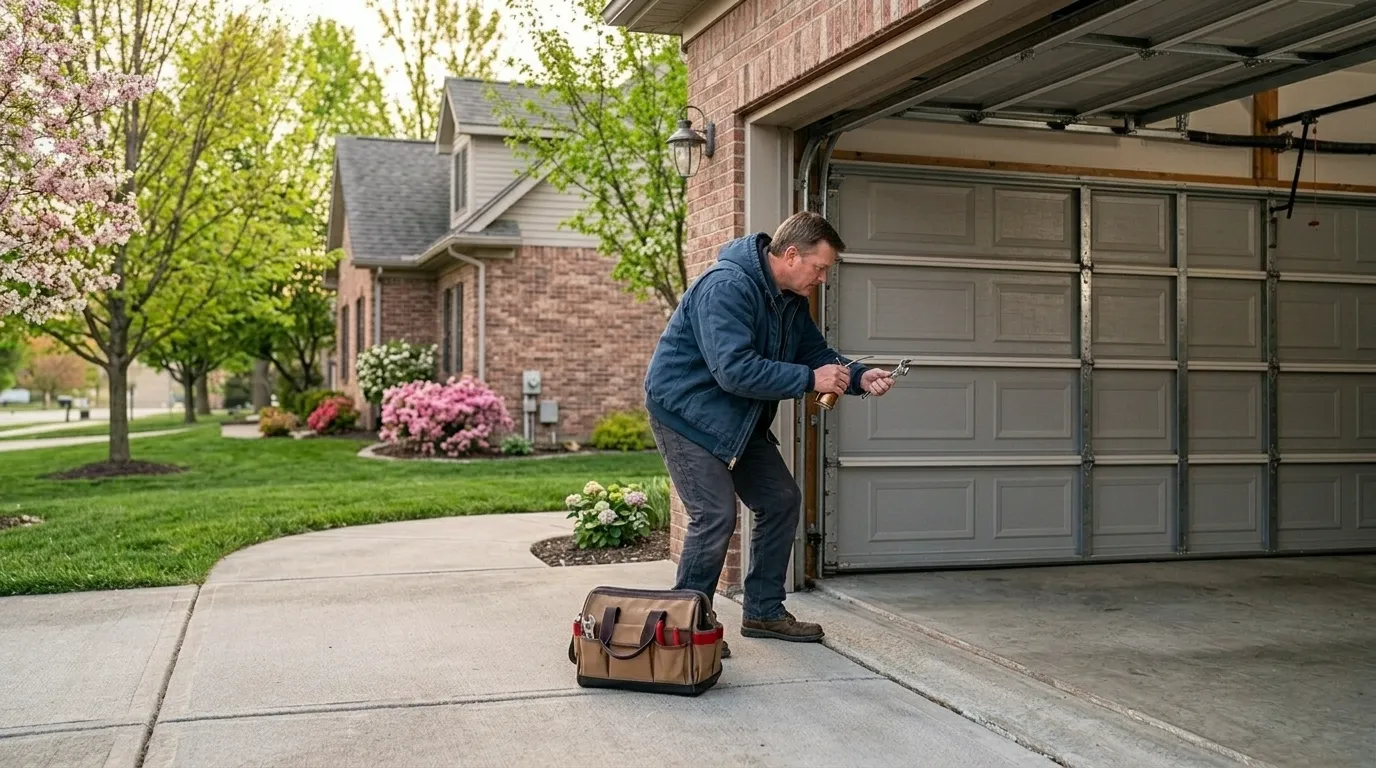
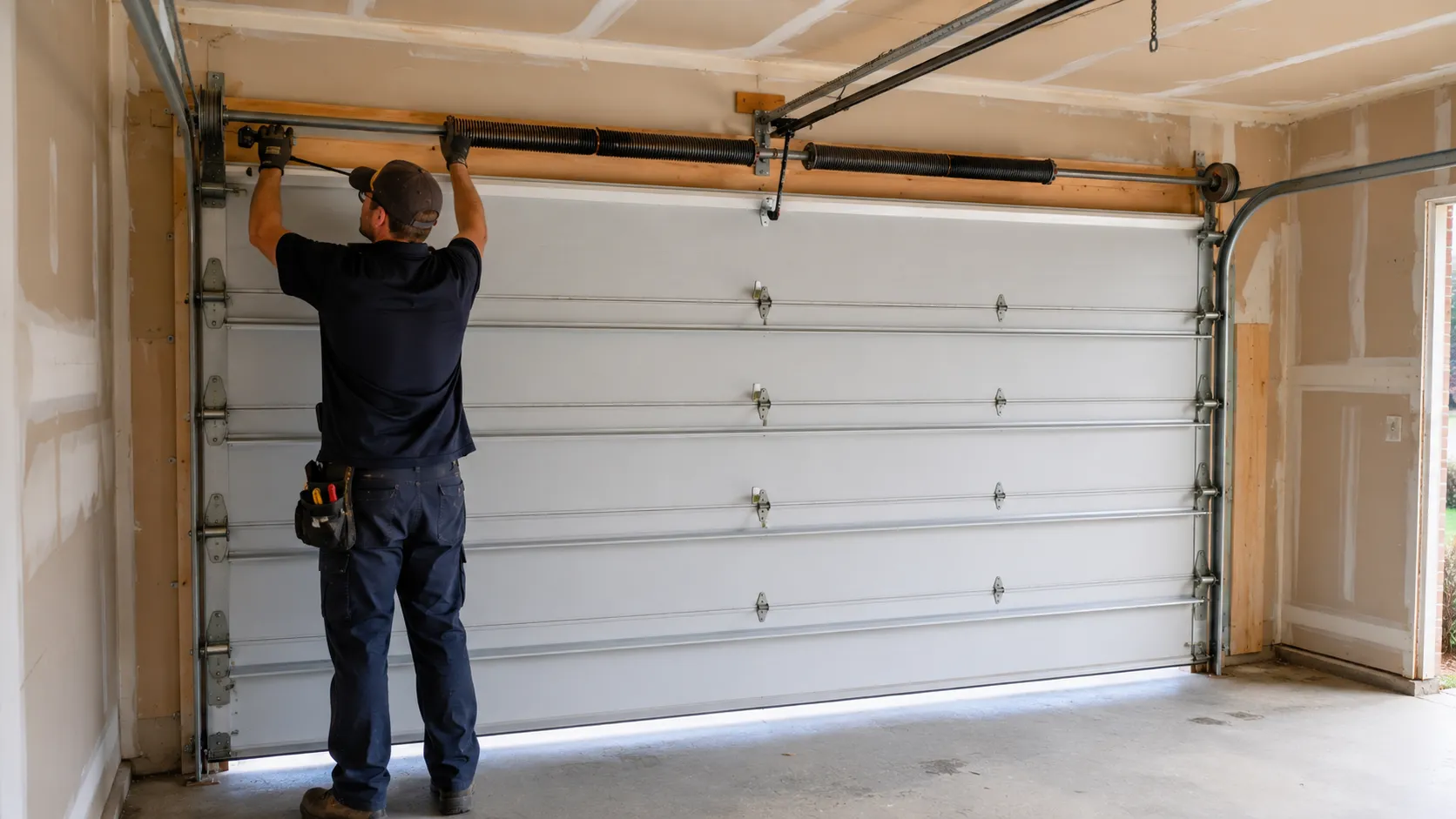
Most houses out here went up around 1998, which puts Williamson at the newer edge of a service area where the overall median build year is 1992. That six-year difference matters more than it sounds. A door built in 1998 almost always shipped with a factory torsion spring setup and a garage door opener that already had photo-eye safety sensors built in, not bolted on later. What fails on these doors is usually the spring itself going after years of cycling, the opener's circuit board or logic board aging out, or the rollers wearing through their nylon jackets. You don't see the older extension-spring rigs or hand-cranked openers you'd find on the 1987-1989 end of the range elsewhere in the service area. The failure points here are the ones that show up on doors that were built right the first time and then just run for two decades without anyone touching them. One thing we don't do: rebuild a door old enough to predate the current spring and cable standards. If a door out here is from that 1998 wave, it's young enough that repair almost always beats replacement.
What the Fix Involves
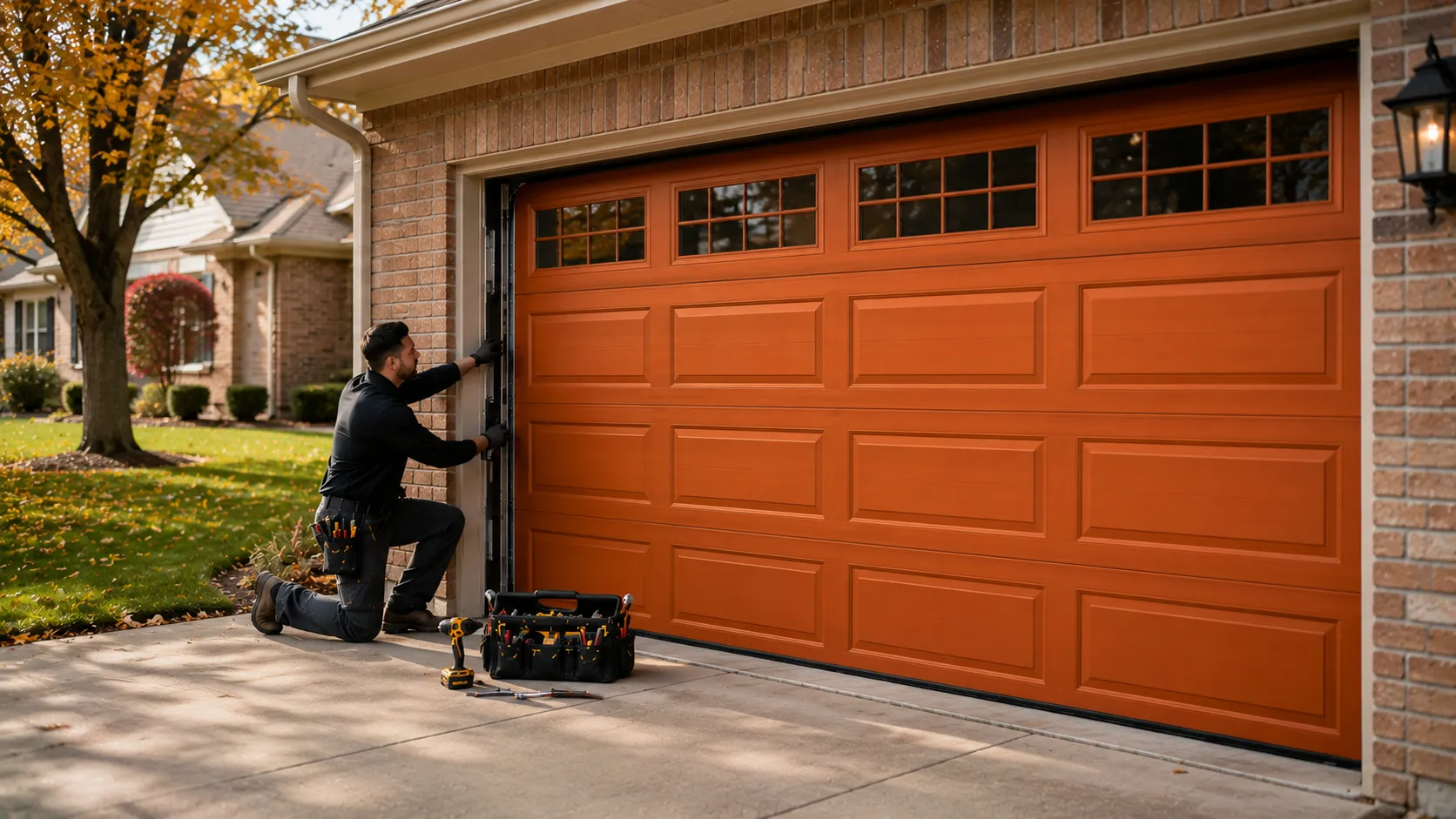
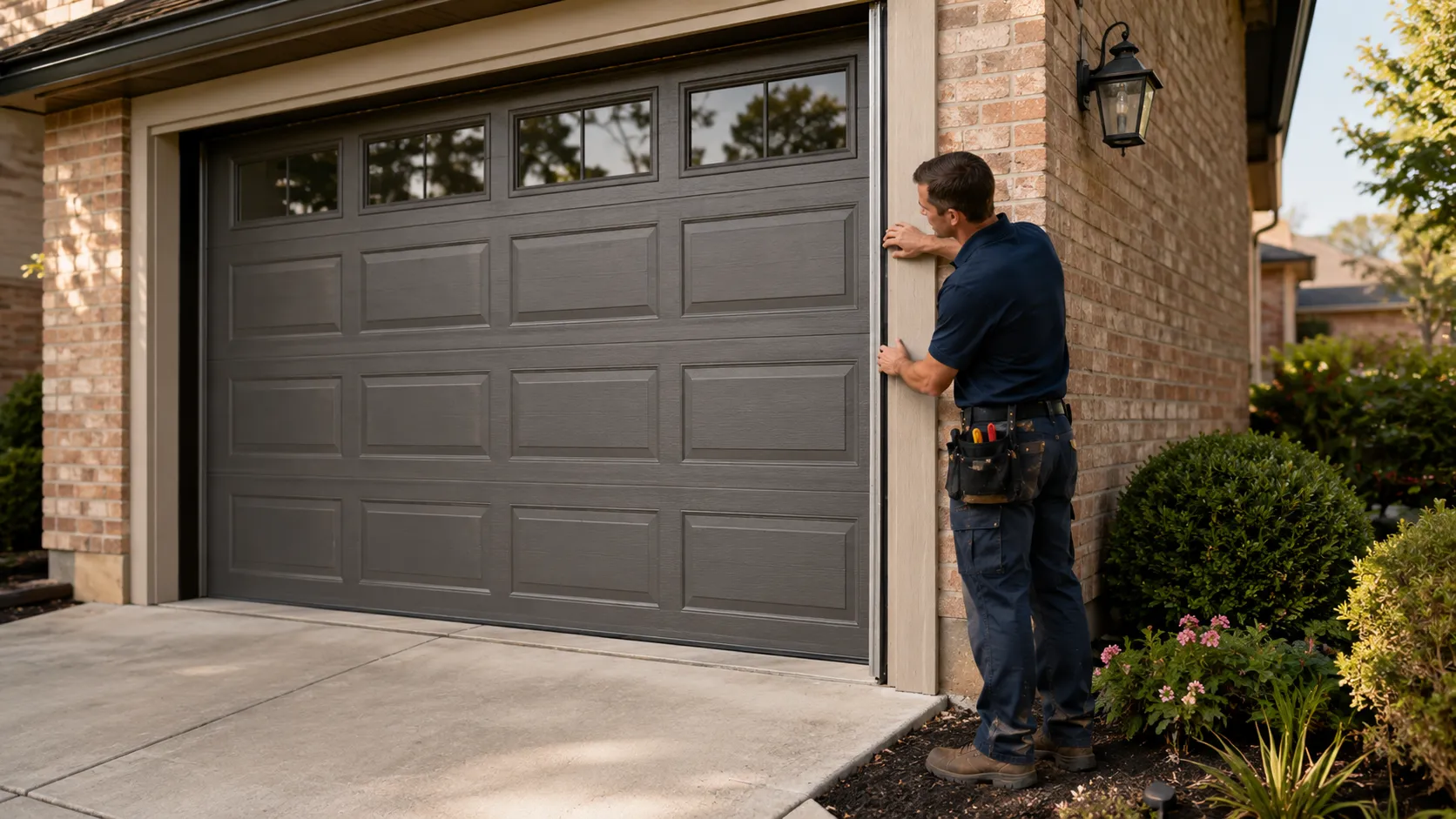
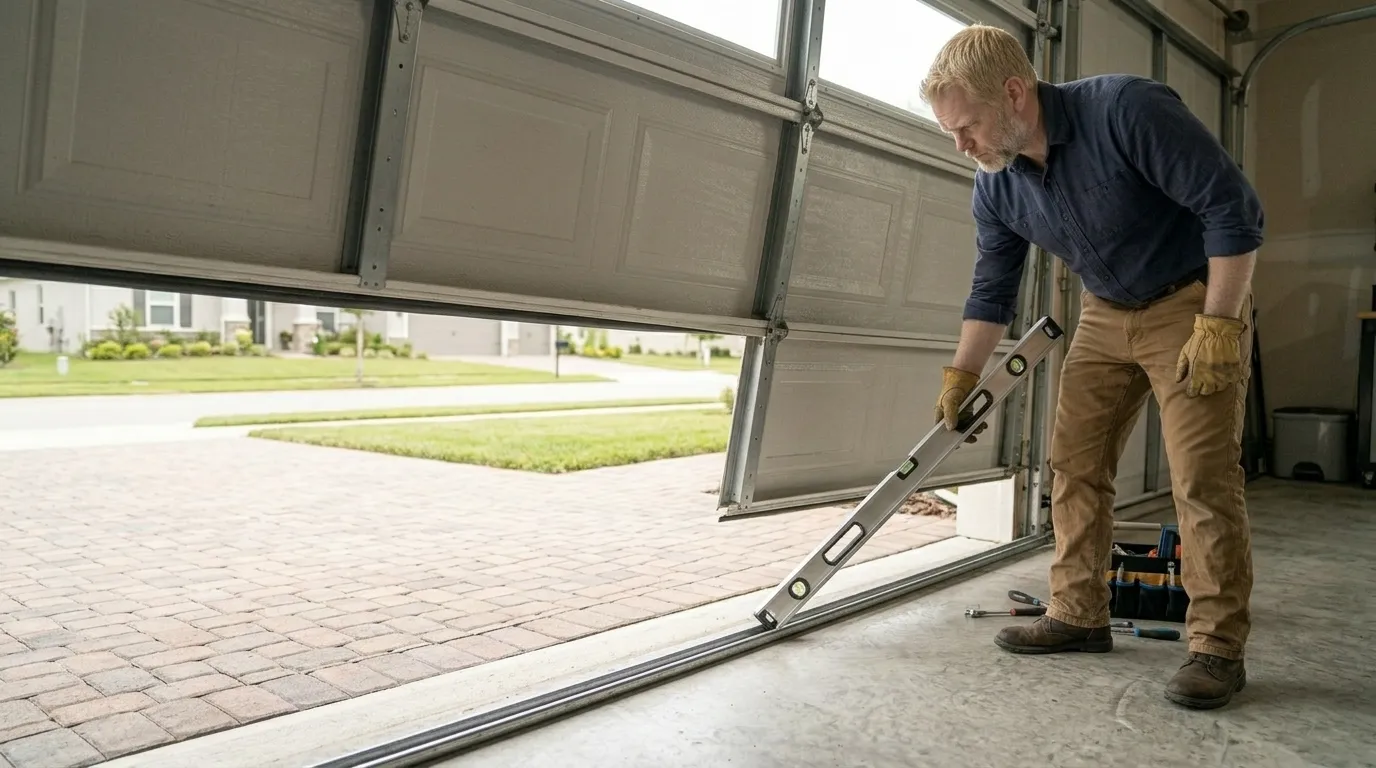
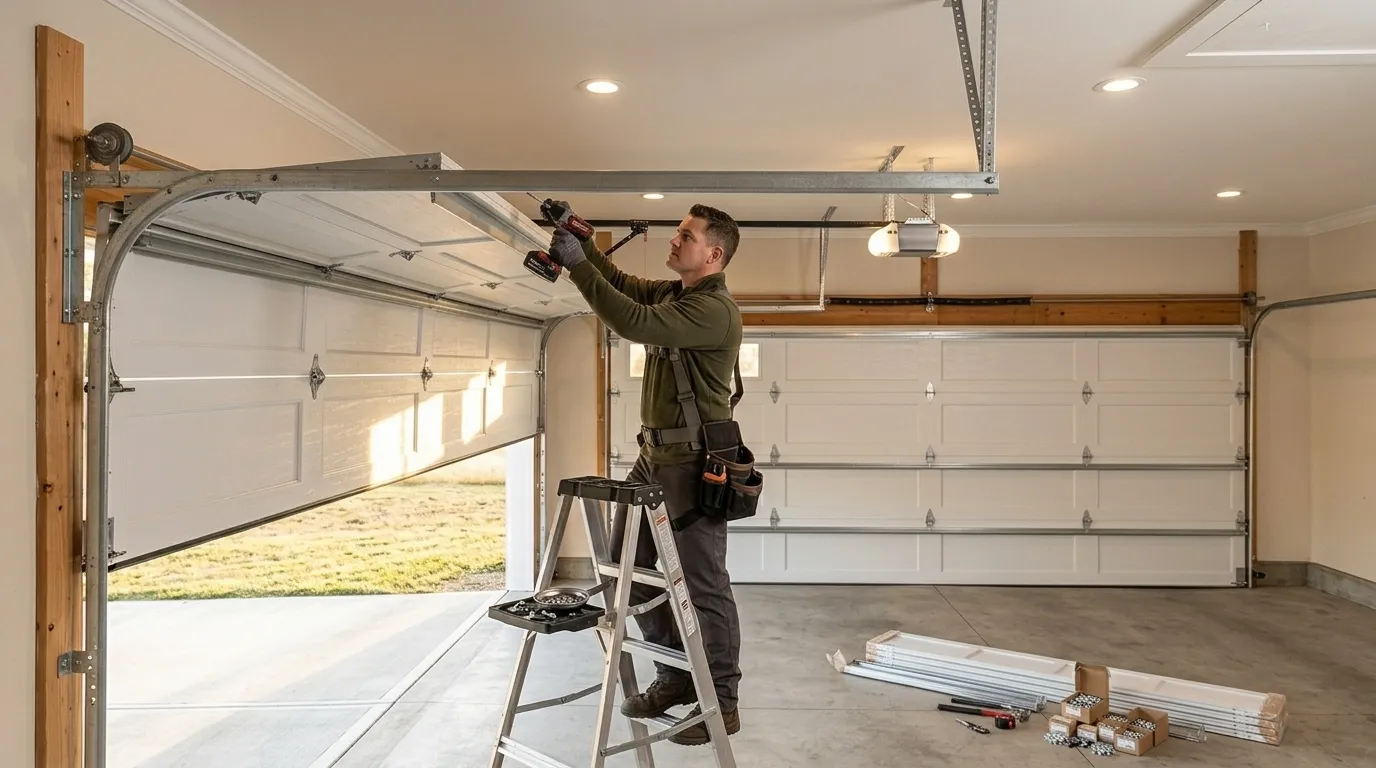
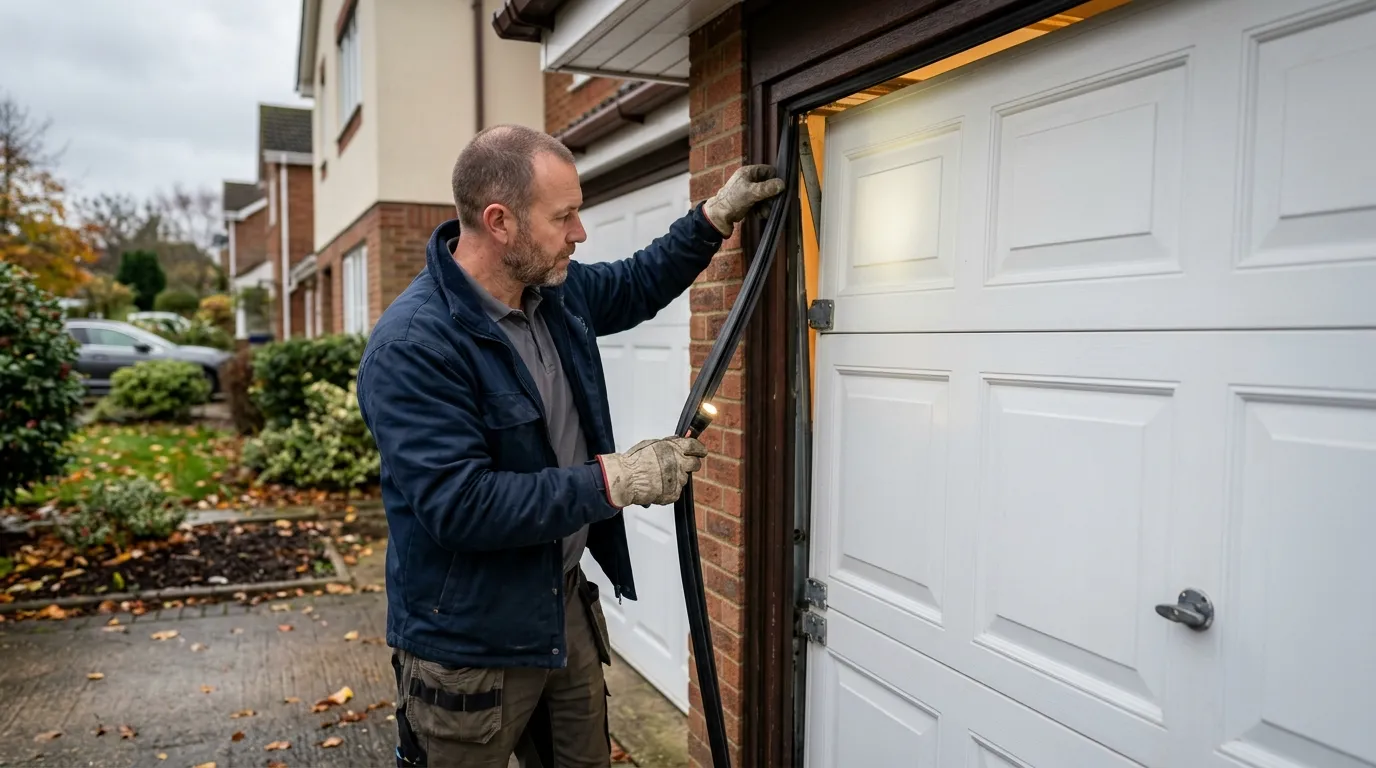
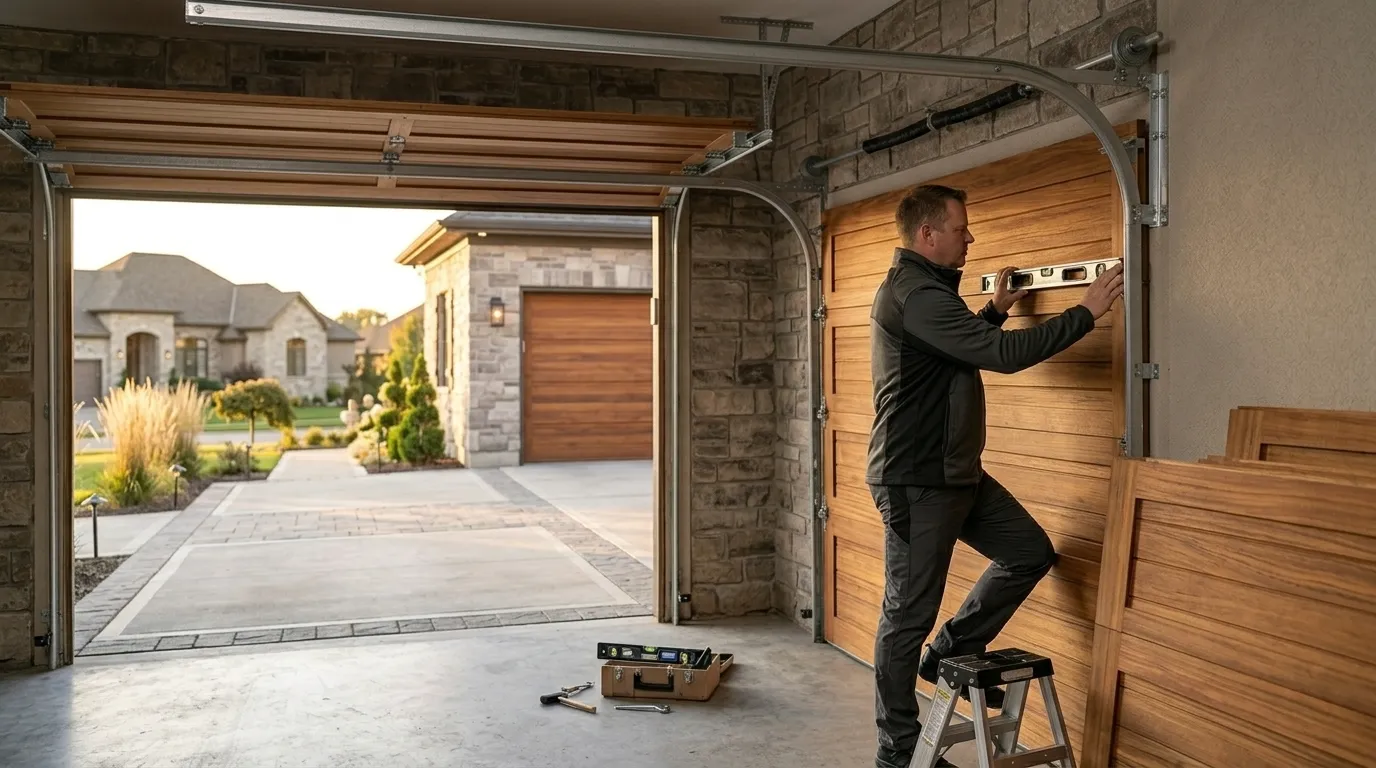
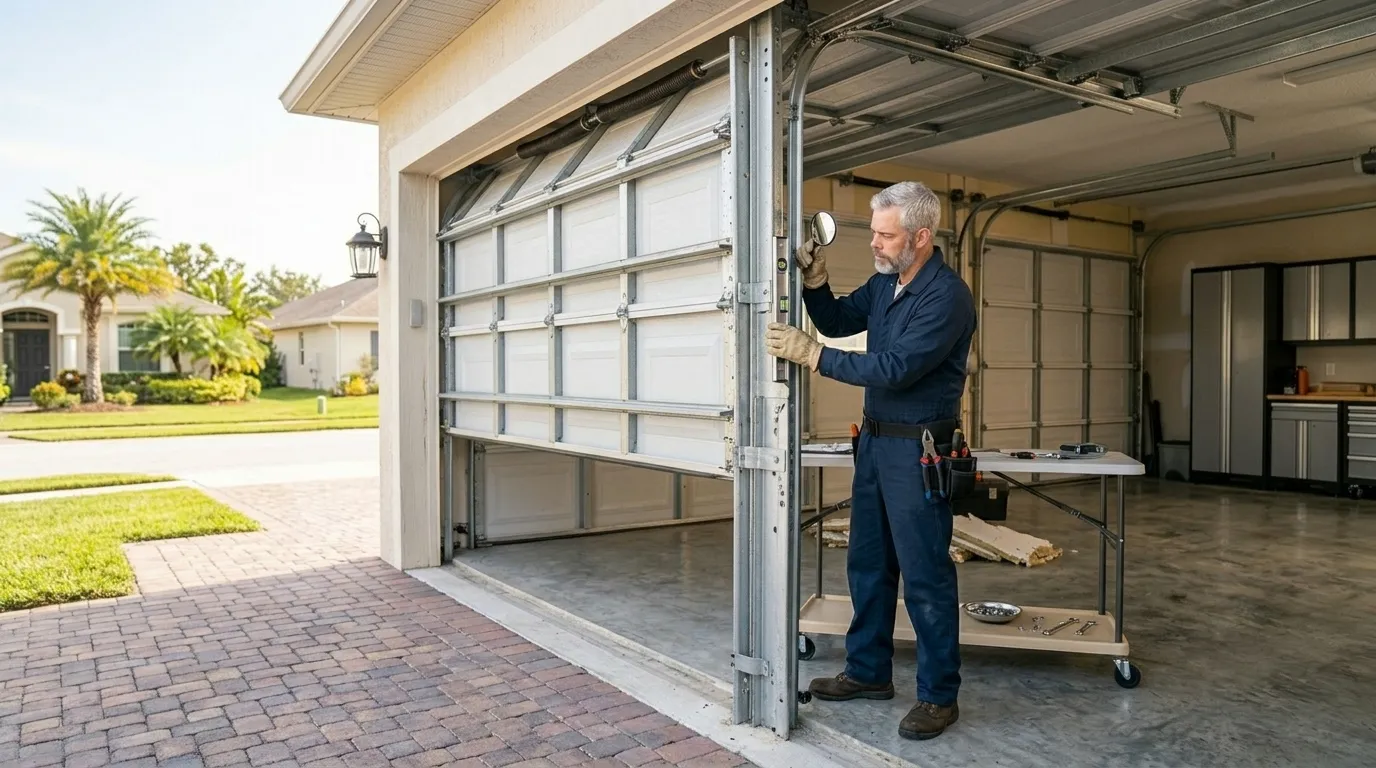
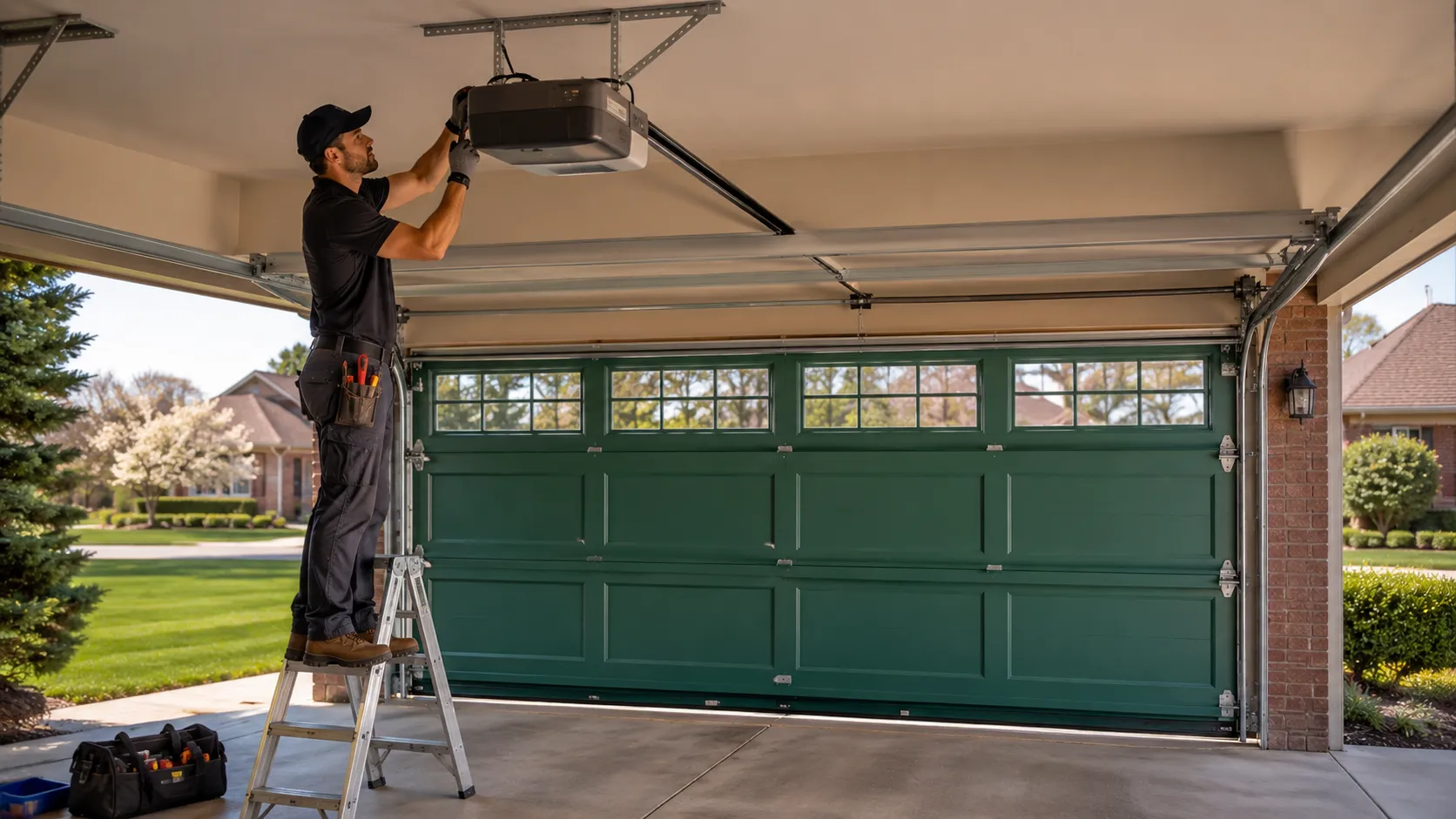
The visit starts with pulling the door by hand with the opener disengaged, to isolate whether the spring, the track, or the opener itself is carrying the fault. On a 1998-era door that usually means checking torsion spring tension first, since that's the part doing the most work and aging the fastest. If the spring's the problem, it gets replaced as a pair when the door has two, matched to the door's weight rather than guessed at. If it's the opener, we test the logic board, the sensors, and the drive gear before assuming a full opener swap is needed. Track and roller work is more mechanical: align the track, swap worn rollers, and check the cable drums for fraying. We don't chase intermittent electrical faults with guesswork; if a board is failing, we say so and replace it rather than patching around it. Every job ends with a full cycle test under load, not just an open-and-close by hand.
The Cost of This Job
What a job runs depends on what's actually broken, and we don't quote a number before seeing the door. What we can say is that with a median household income of $89,083 in this area, well above the $59,733 median across the wider service area, more owners here tend to opt for a full opener replacement once the board starts failing rather than patching a ten-year-old unit twice. That's a homeowner call, not one we push. A straightforward spring swap costs less than an opener replacement with new safety sensors, and we'll always tell you which one your door actually needs instead of upselling the bigger job.
How Long It Takes
Most spring or roller jobs on a door this age run under two hours once the tech is on site. Opener board diagnostics take longer if the fault is intermittent, since some issues only show up after a few full cycles under load. Williamson sits about 14 miles out from our Prescott Valley base, so that drive time gets factored into scheduling rather than pretending it doesn't exist. We don't promise a same-hour arrival here the way we might closer to the shop, but a straightforward repair, once we're on site, is still typically a same-visit fix.