What Can Go Wrong
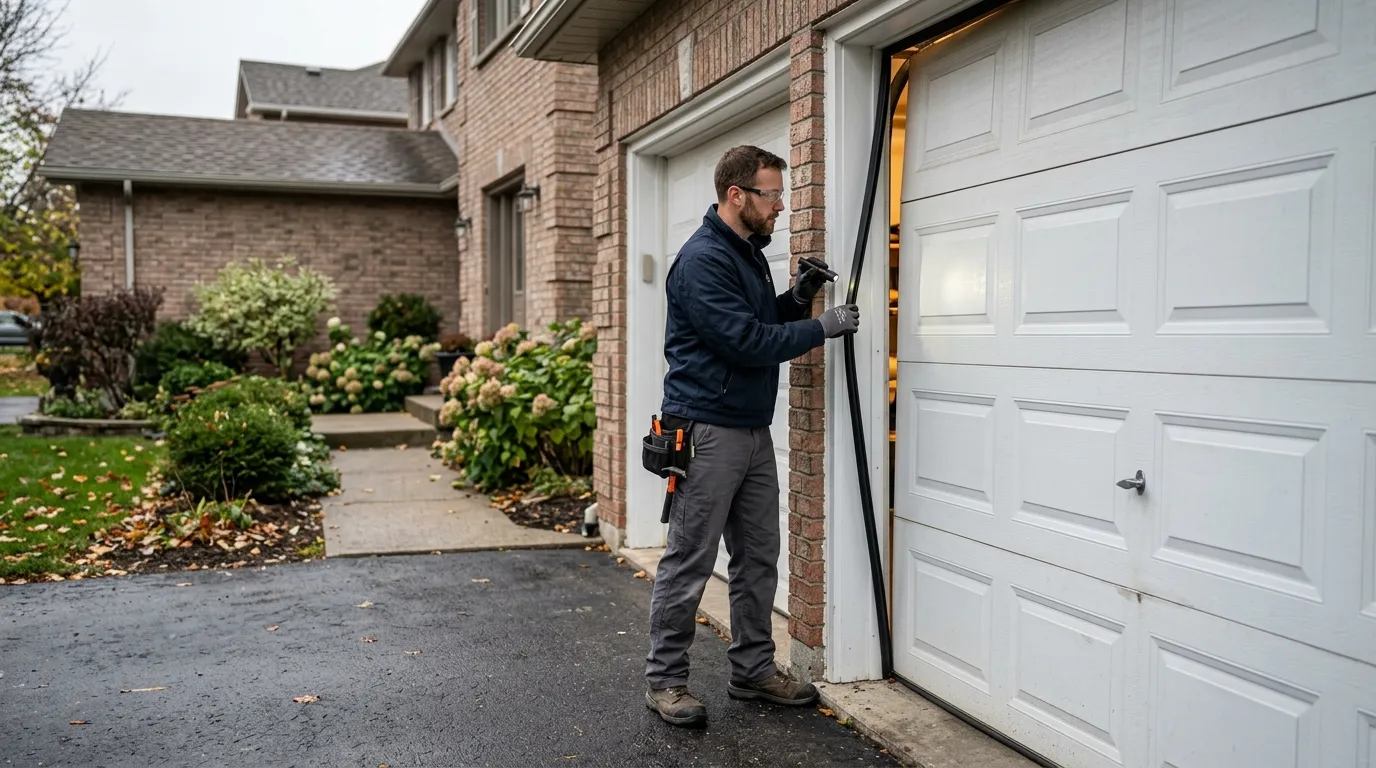
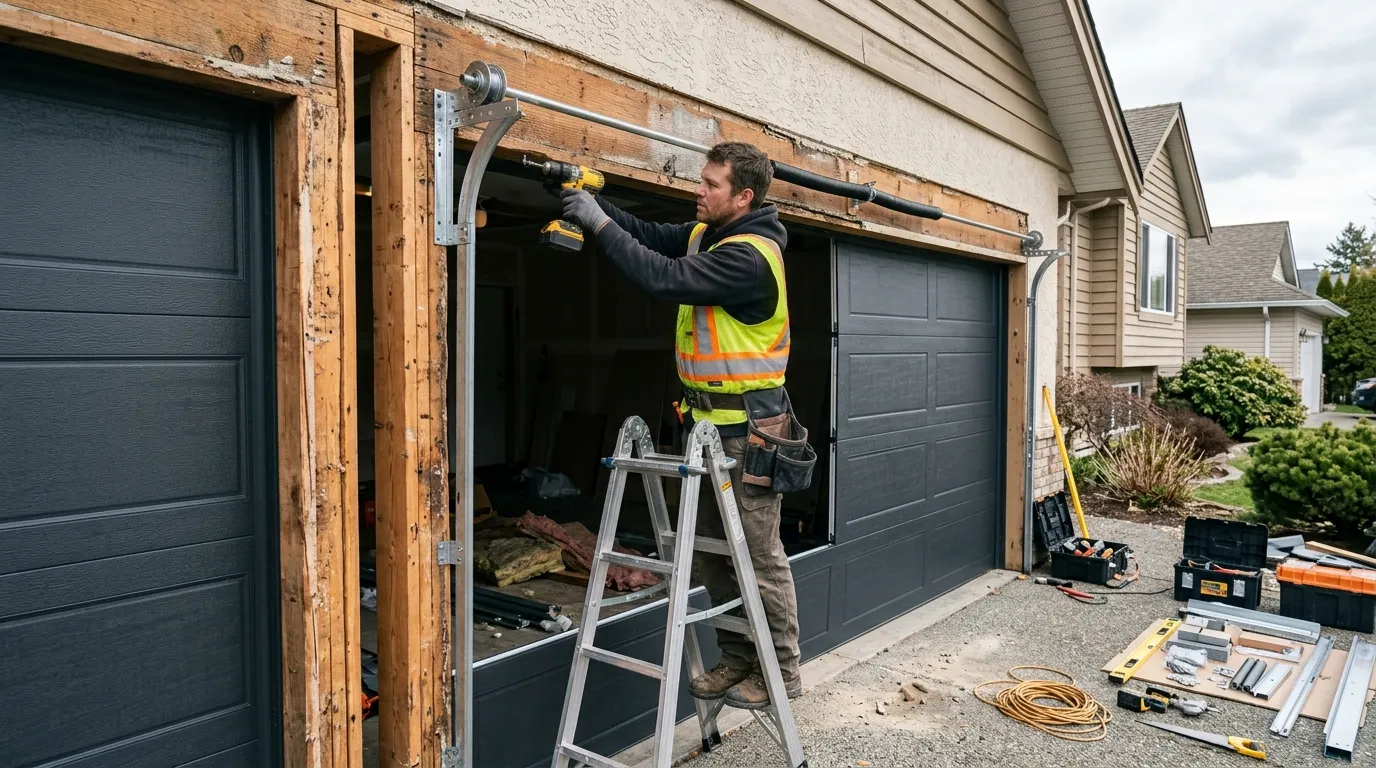
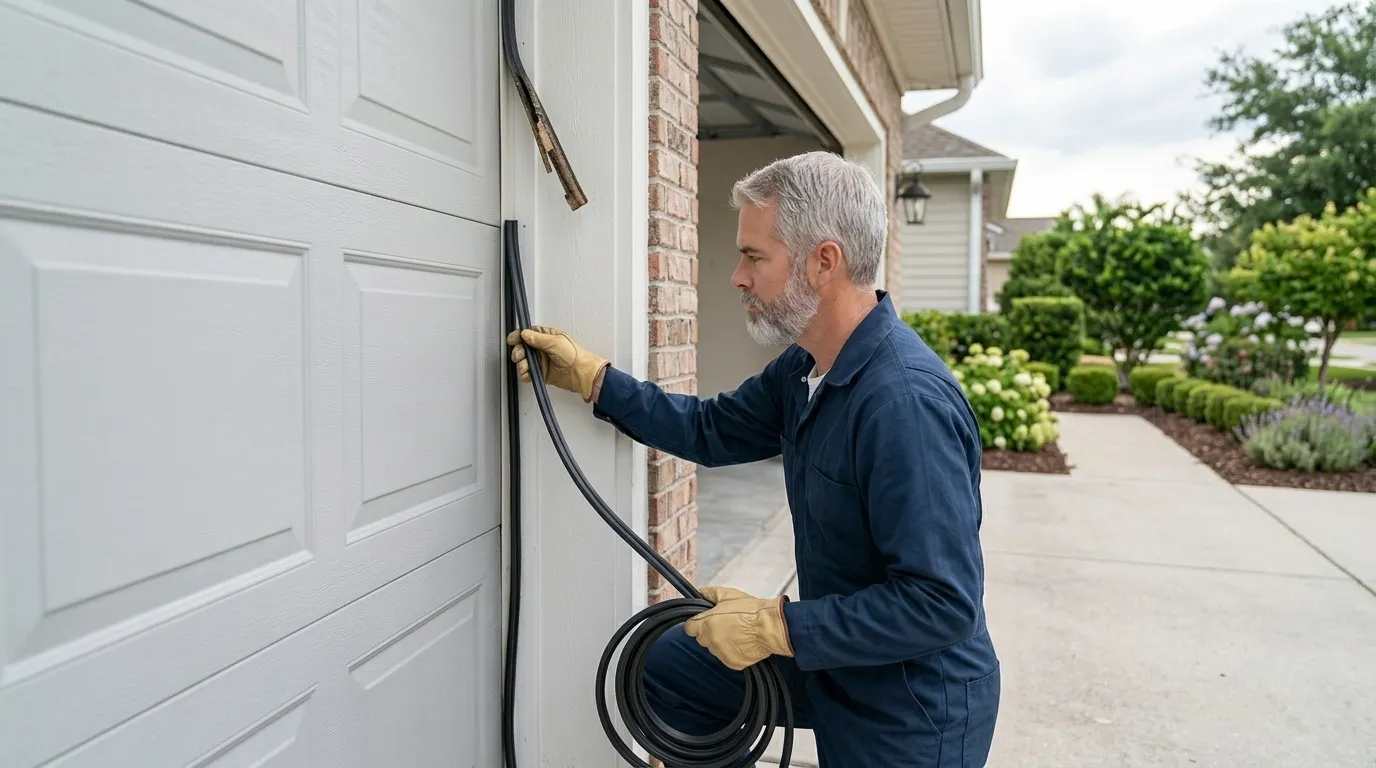
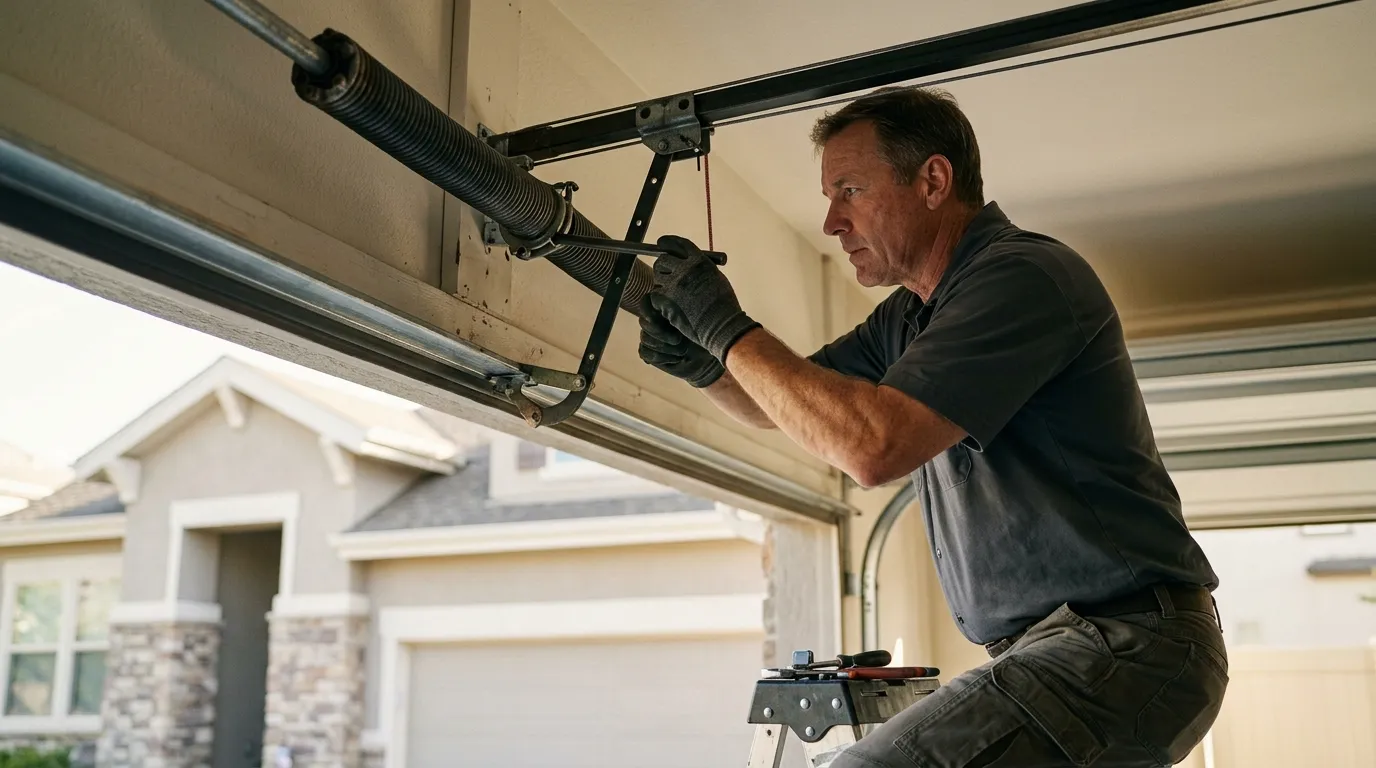
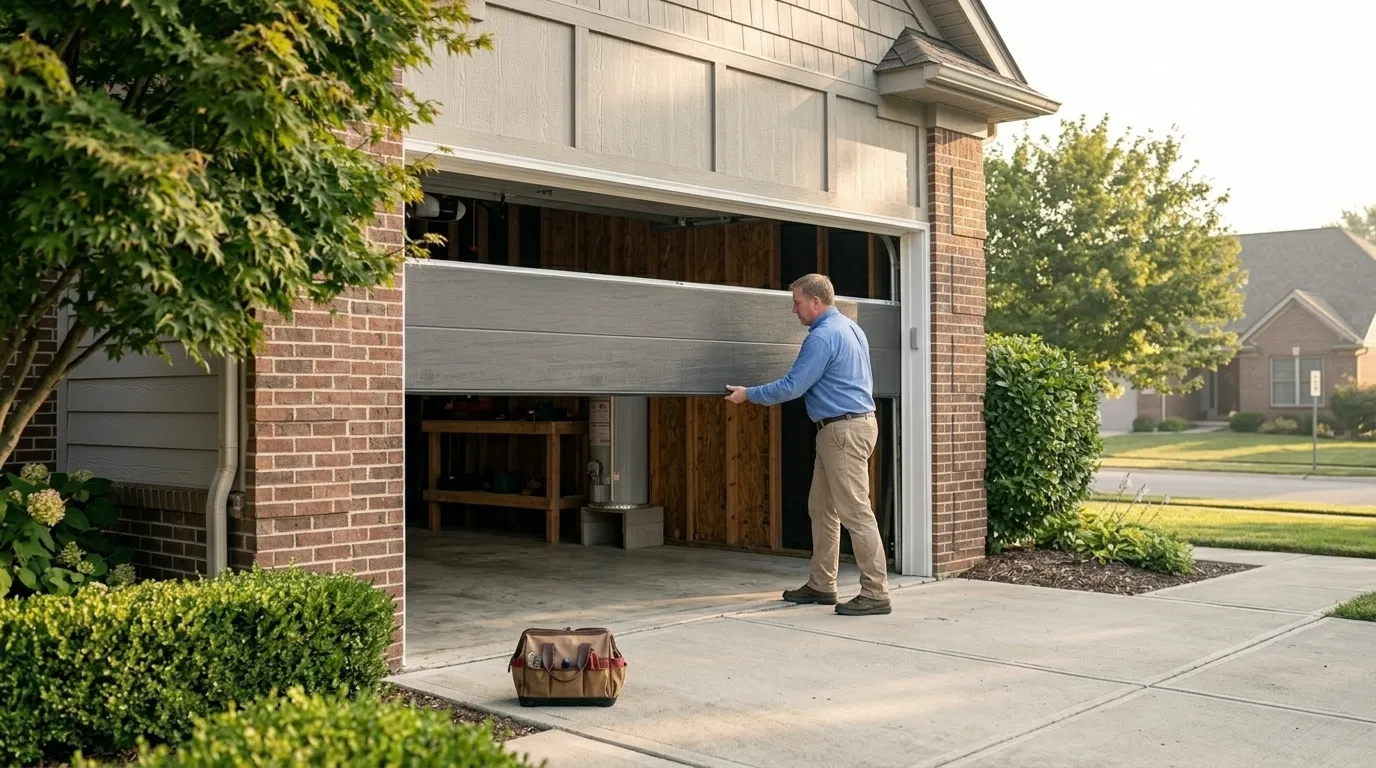
Williamson's houses cluster around a median build year of 1998, which puts most doors here a few years newer than the typical stock across the rest of the service area, where the median sits closer to 1992. That matters because by the late 1990s, manufacturers had mostly shifted to galvanized steel torsion springs on center-mounted shafts and away from the older side-mounted setups. The failure points are different. On a 1998 door, we're usually looking at worn nylon rollers, a stretched or fraying lift cable, or a torsion spring that's simply hit the end of its cycle count - not the seized or mismatched hardware you find on an older side-mount system. Openers from this era are often the first-generation chain-drive units with a simple logic board, and those boards can drift out of calibration over twenty-plus years even if the motor itself still runs fine. Weatherstripping on the bottom panel is also a common failure point by now, since the original rubber has usually outlived its useful life. None of this is catastrophic if it's caught early, but a spring that's been quietly losing tension for years will eventually let go, and that's a job that shouldn't wait.
What the Fix Involves
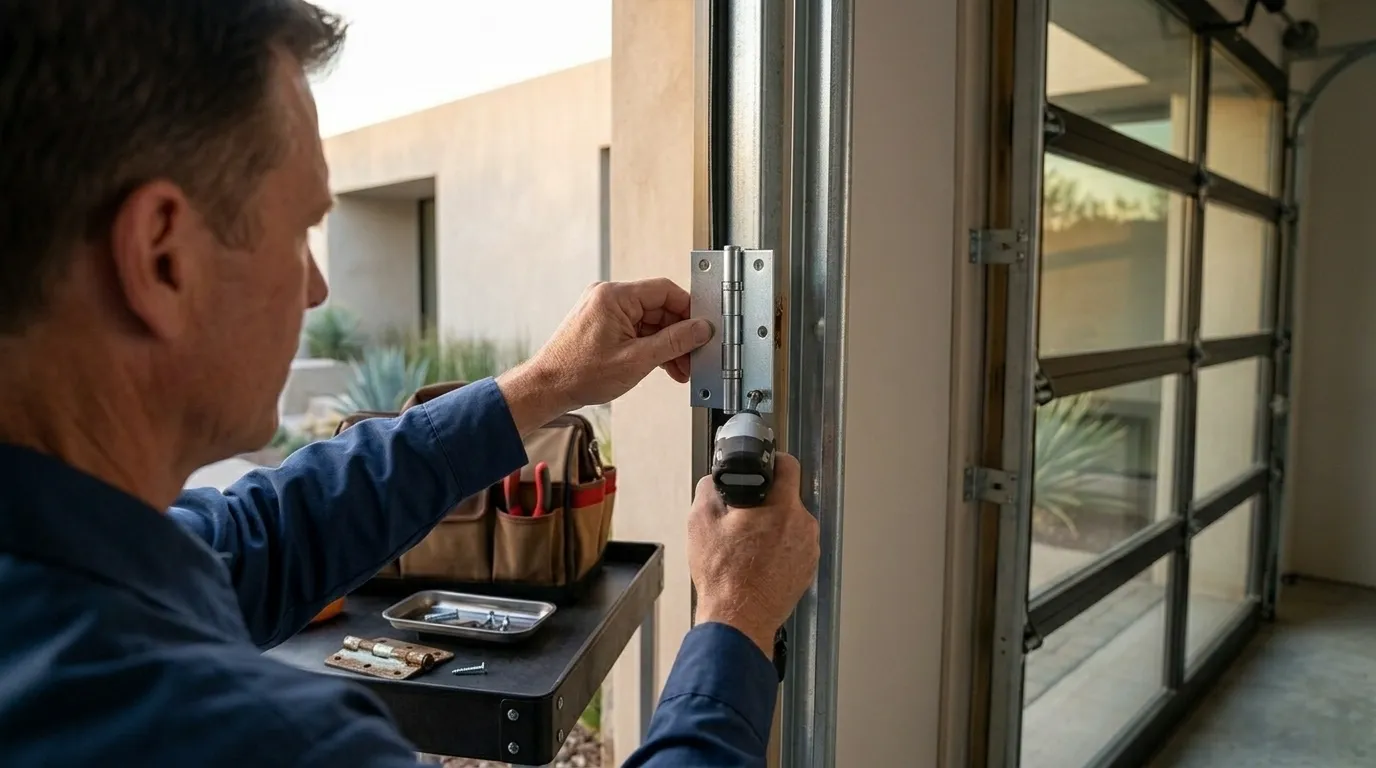
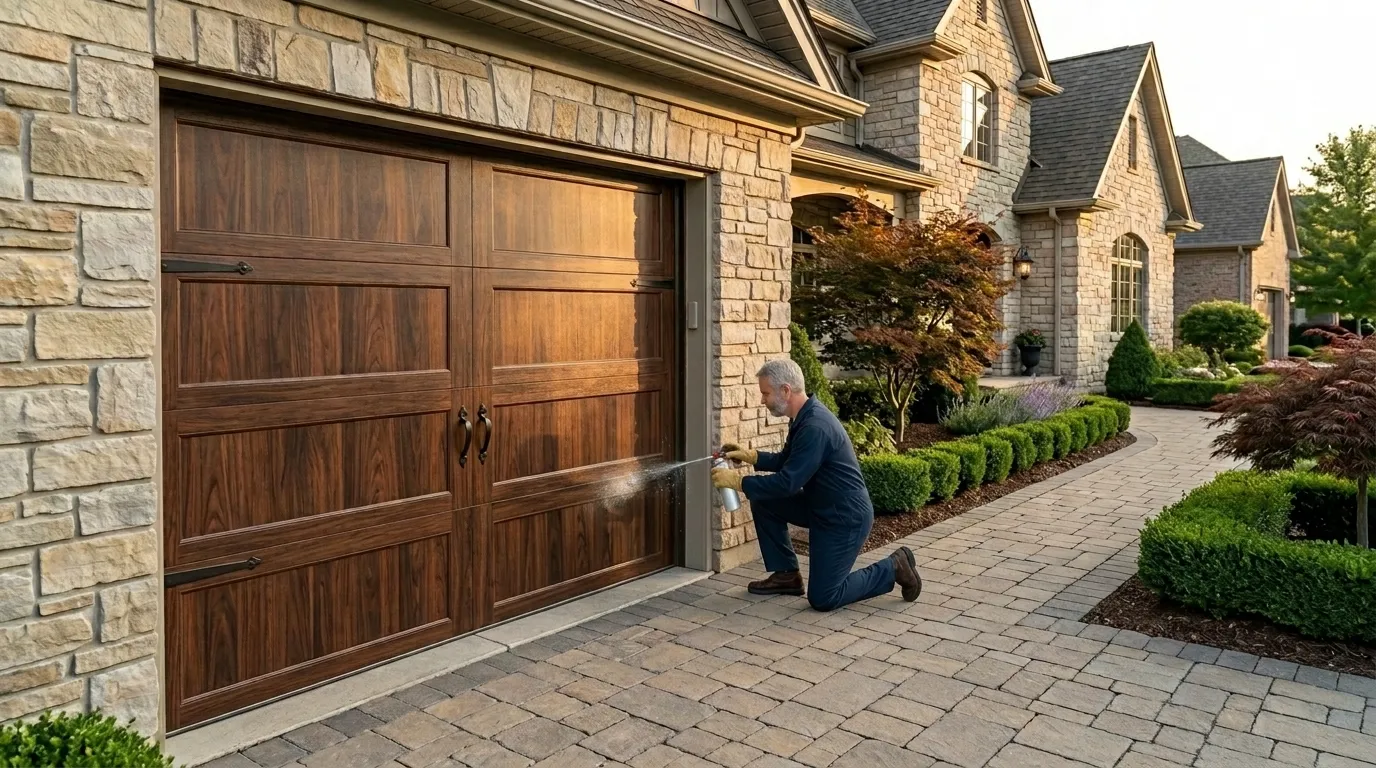
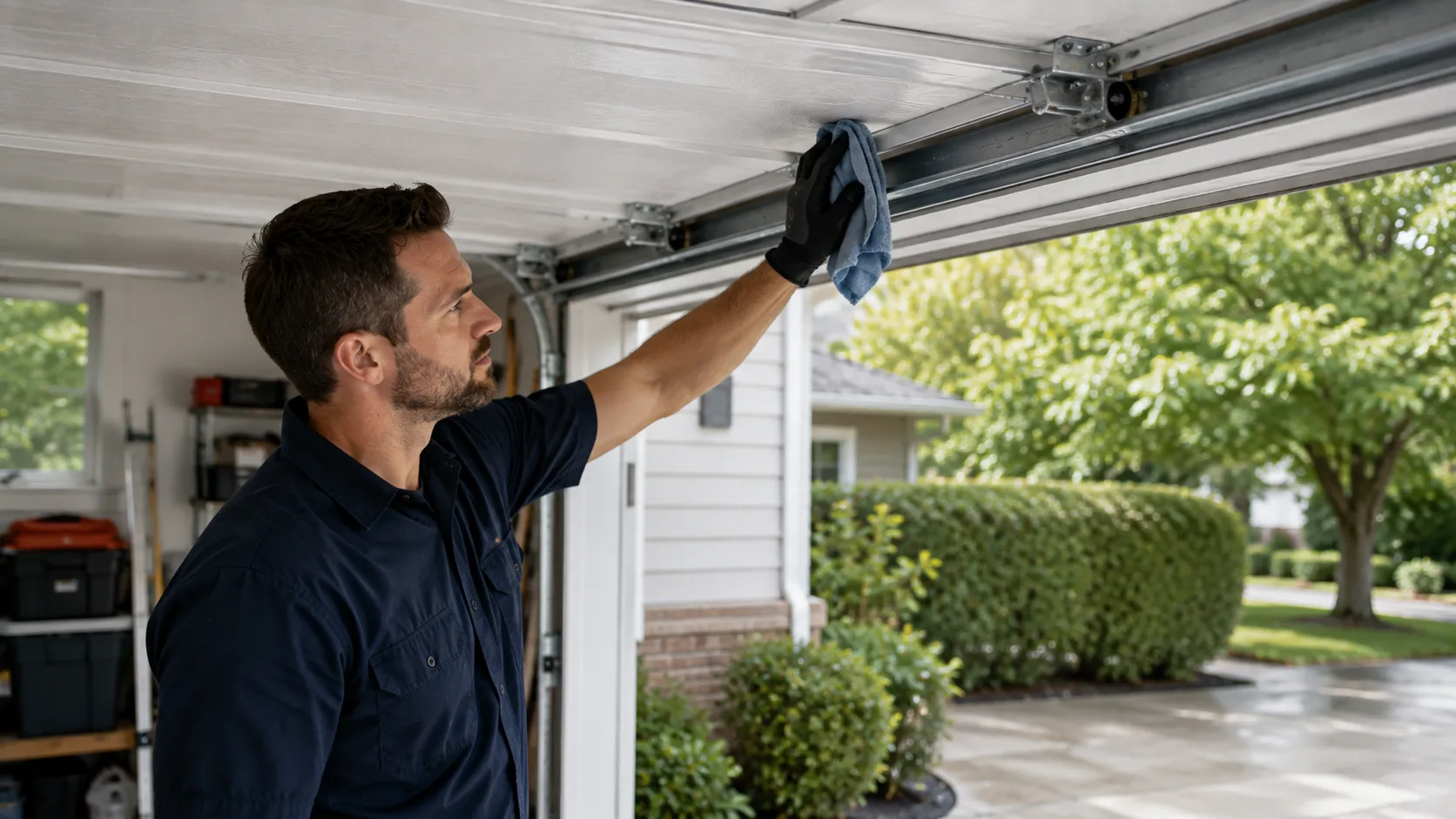
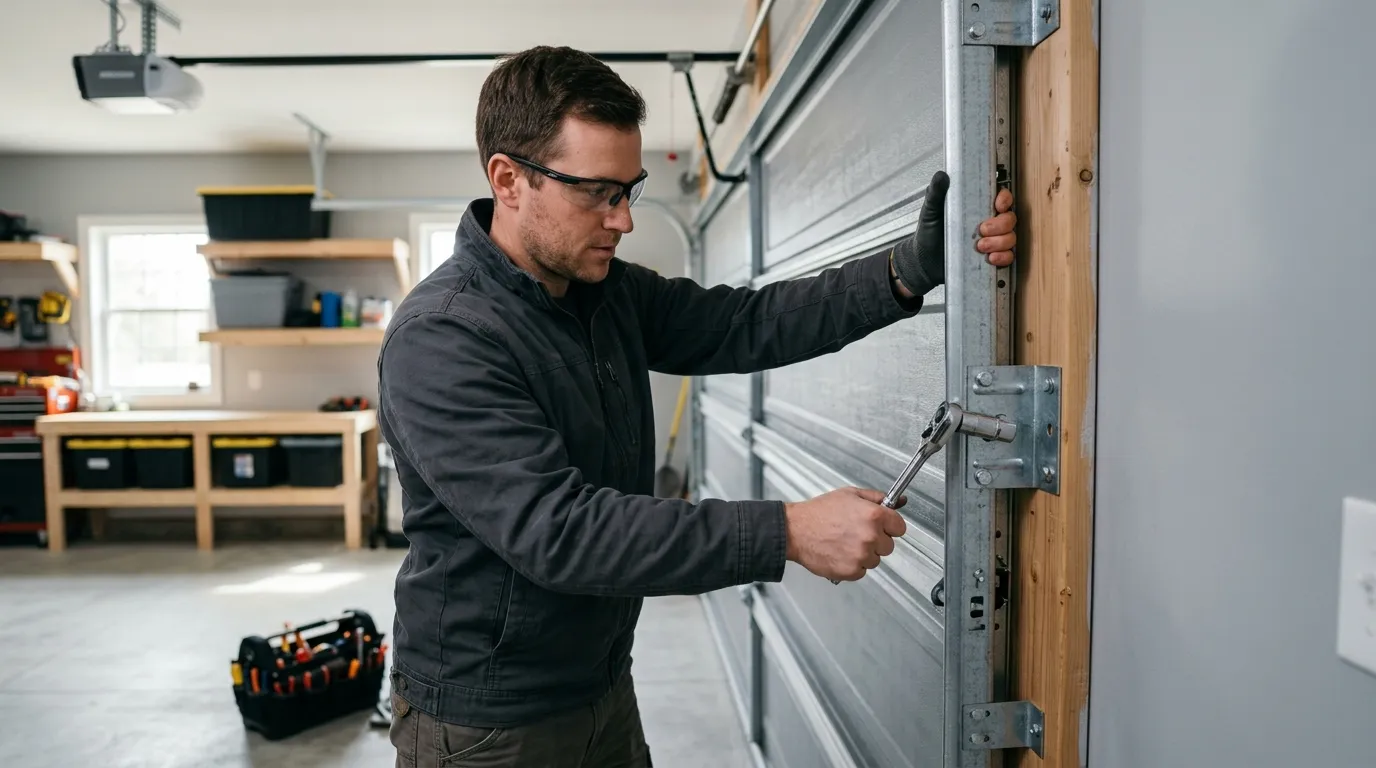
Maintenance on a door from this build era starts with the torsion spring - checking tension, inspecting for rust or thinning on the coils, and confirming the cable drums are still seated correctly on the shaft. We check roller wear next, since original steel rollers from this period are usually due for nylon replacements by now if they haven't been swapped already. The opener gets a look at the drive chain or belt tension, the safety reversal sensors, and the travel limits, since limit switches on units from this generation can slip out of adjustment over time. We also lubricate hinges, track, and the spring itself with the right grease - not household oil, which attracts grit and does more harm than good long-term. Track alignment gets checked with a level, since two decades of settling can throw even a well-built system out of true by a few degrees. We don't replace parts that don't need it; if the spring still has life left in it, we say so and move on.
The Cost of This Job
We don't have a fixed number to quote here since it depends on what the inspection turns up - a straightforward tune-up costs less than a spring replacement, and a spring replacement costs less than an opener rebuild. What we can tell you is that Williamson's household income runs meaningfully higher than the median across the rest of the service area, and we mention that only because it's the kind of area where deferred maintenance often turns into a bigger bill later - not because pricing changes by zip code. We quote the job after we've looked at the door, not before.
How Long It Takes
A standard maintenance visit runs under an hour once we're on site. The drive from our base in Prescott Valley is about 14 miles, so we schedule Williamson calls in blocks rather than one-off trips, which keeps the visit itself efficient once we arrive. If the inspection turns up a spring or cable that needs replacing on the spot, that adds time, but we carry common torsion spring sizes and rollers on the truck for exactly that reason.