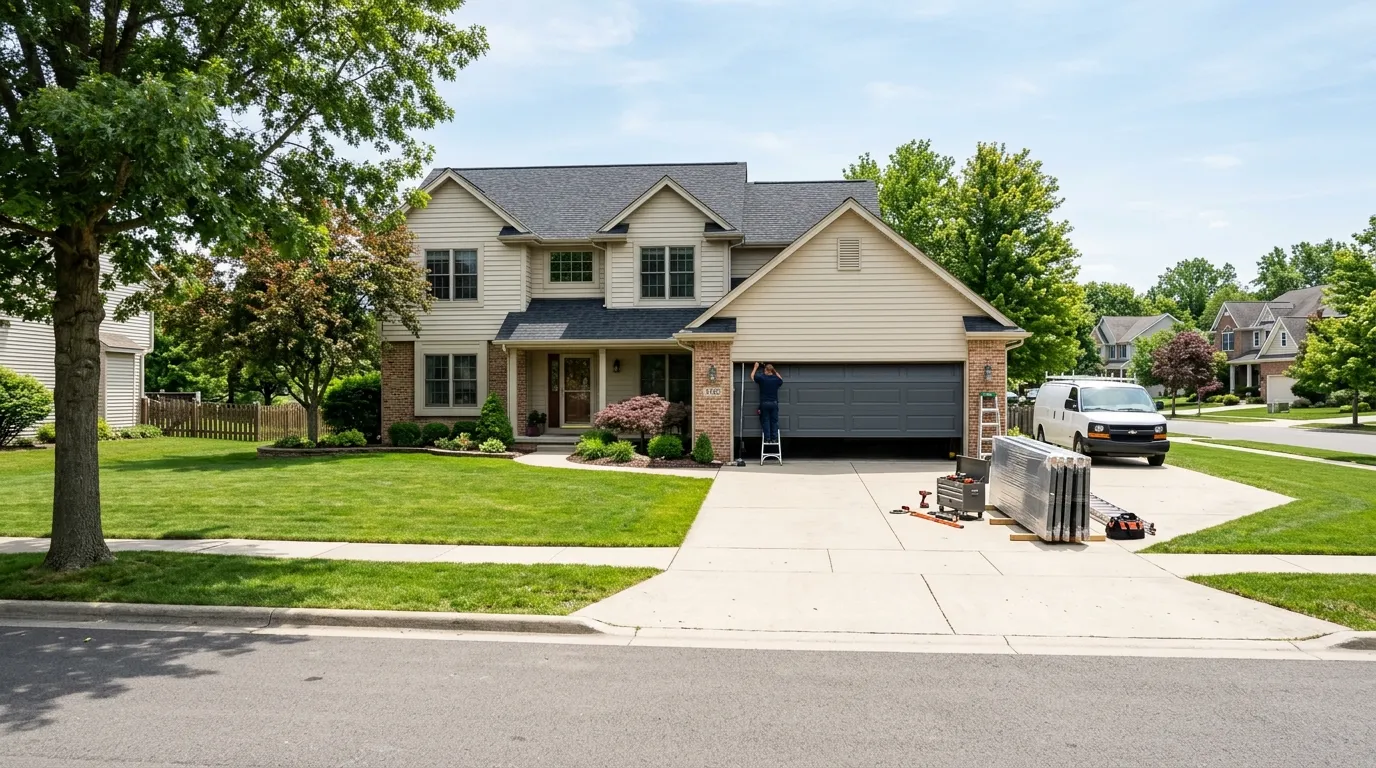
Stocked Parts
The truck that comes out to Clarkdale carries the same rollers, track sections, and cable clips it carries everywhere else in the service area, but the mix leans toward the older side. Clarkdale's housing stock centers on 1988, a few years ahead of the 1992 median for the wider Prescott Valley area, and that gap shows up at the track. Doors from that era were more often set up with plain steel rollers and lighter-gauge track than what went into houses built in the 90s, and those tracks bend and walk out of alignment more easily under stress.
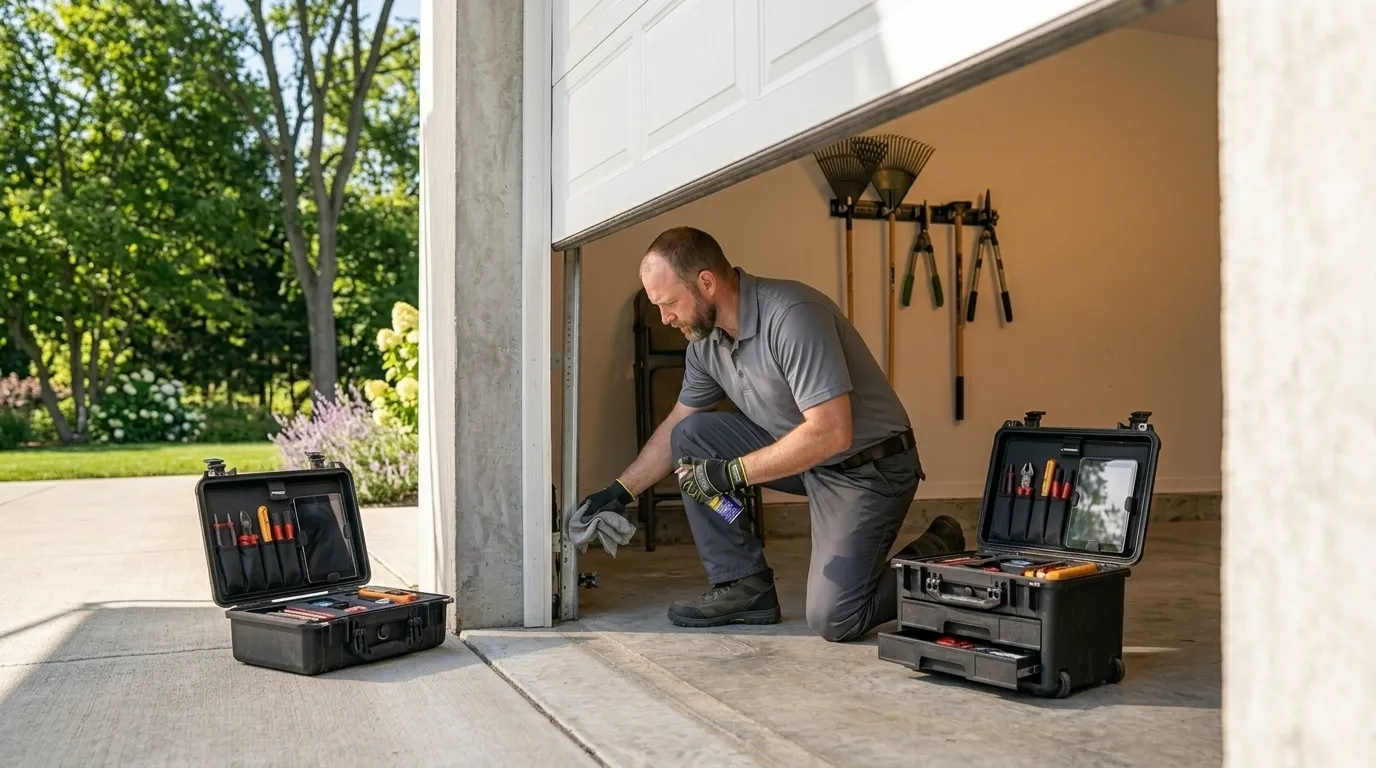
We carry standard 2-inch and 3-inch track sections, nylon and steel rollers, and the brackets that hold track to the jamb, because those are the parts that fail first when a door jumps its rail. What we don't stock is anything specific to a discontinued opener or a door model no longer made - if your track hardware is tied to a defunct system, we'll tell you that on site rather than promise a part we can't get same day. Given the 18-mile run from Prescott Valley, having the right part on the truck the first time matters more here than it does closer in.
What Can Go Wrong
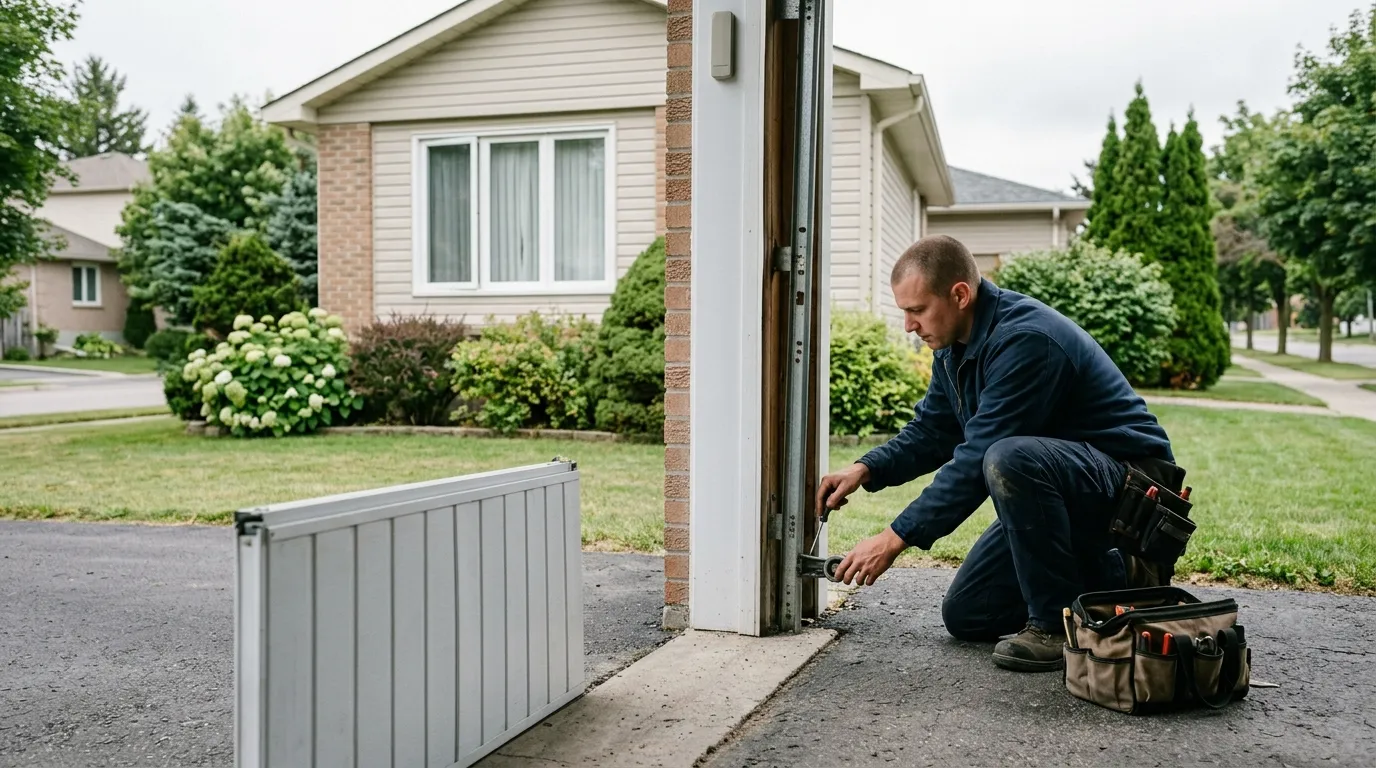
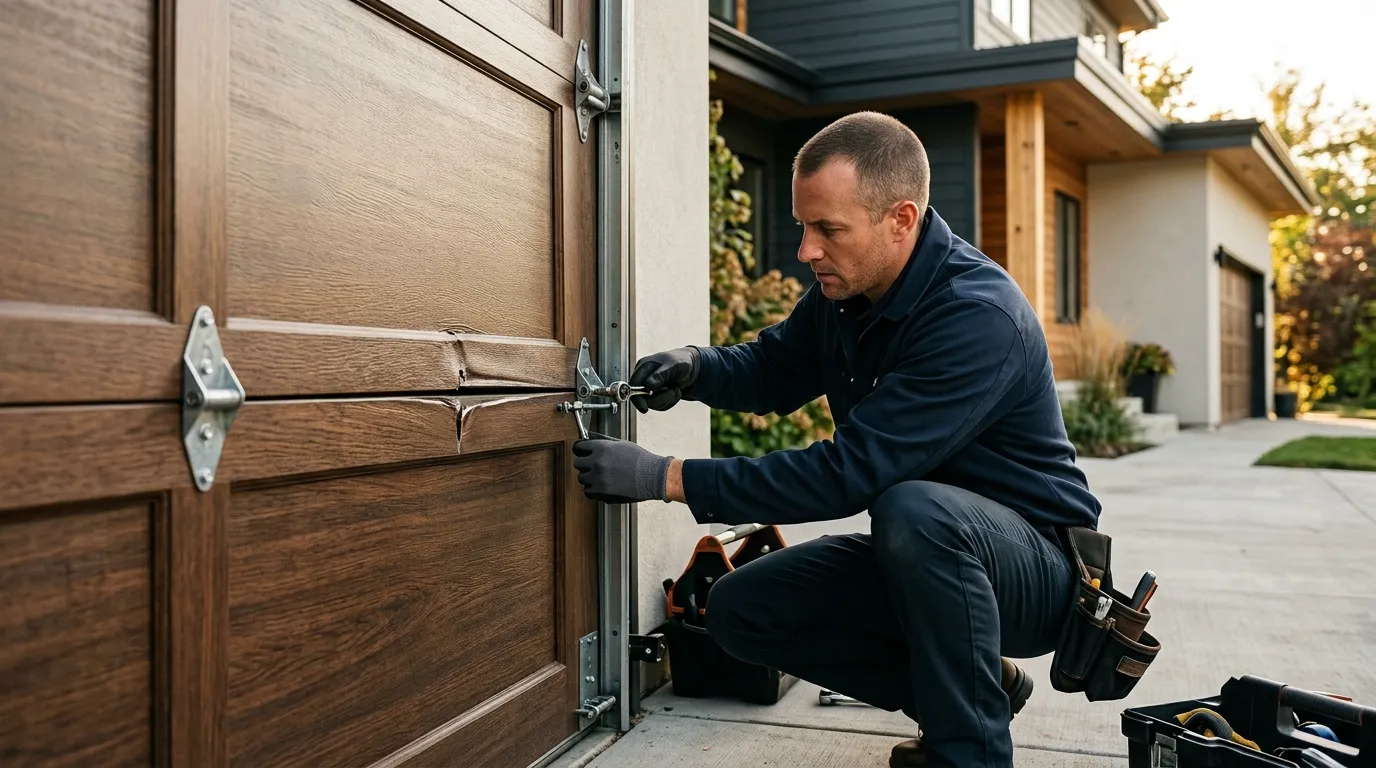
An off-track door in Clarkdale usually starts one of two ways: a bracket that's worked loose from age, or a bottom roller that's popped out of the rail because the track itself has splayed. On the older end of the local stock - those 1988-era builds - the vertical track sections were often fastened with fewer brackets than current code calls for, so a single loose one lets the whole rail flex when the door cycles.
Cold snaps make this worse. This area sits in a cold-moderate climate band, and metal track contracts in hard overnight cold, which tightens tolerances that were already loose. A door that rode fine in August can start binding or jumping the rail once temperatures drop, not because anything broke overnight but because the slack finally caught up with it. We also see cables that have jumped their drum groove pull a door sideways off one side of the track - that's a cable and drum problem wearing an off-track disguise, and it needs to be diagnosed as one before anyone touches the rail.
What the Fix Involves
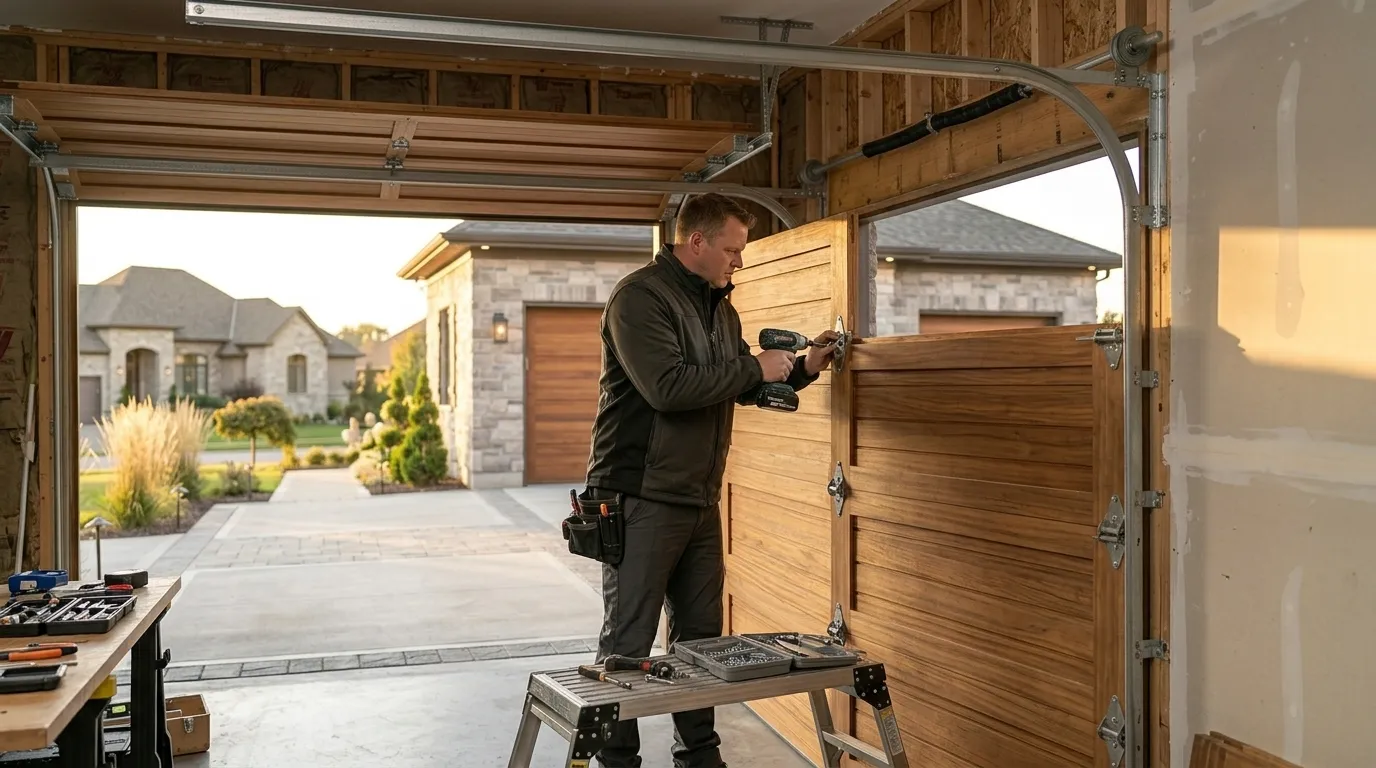
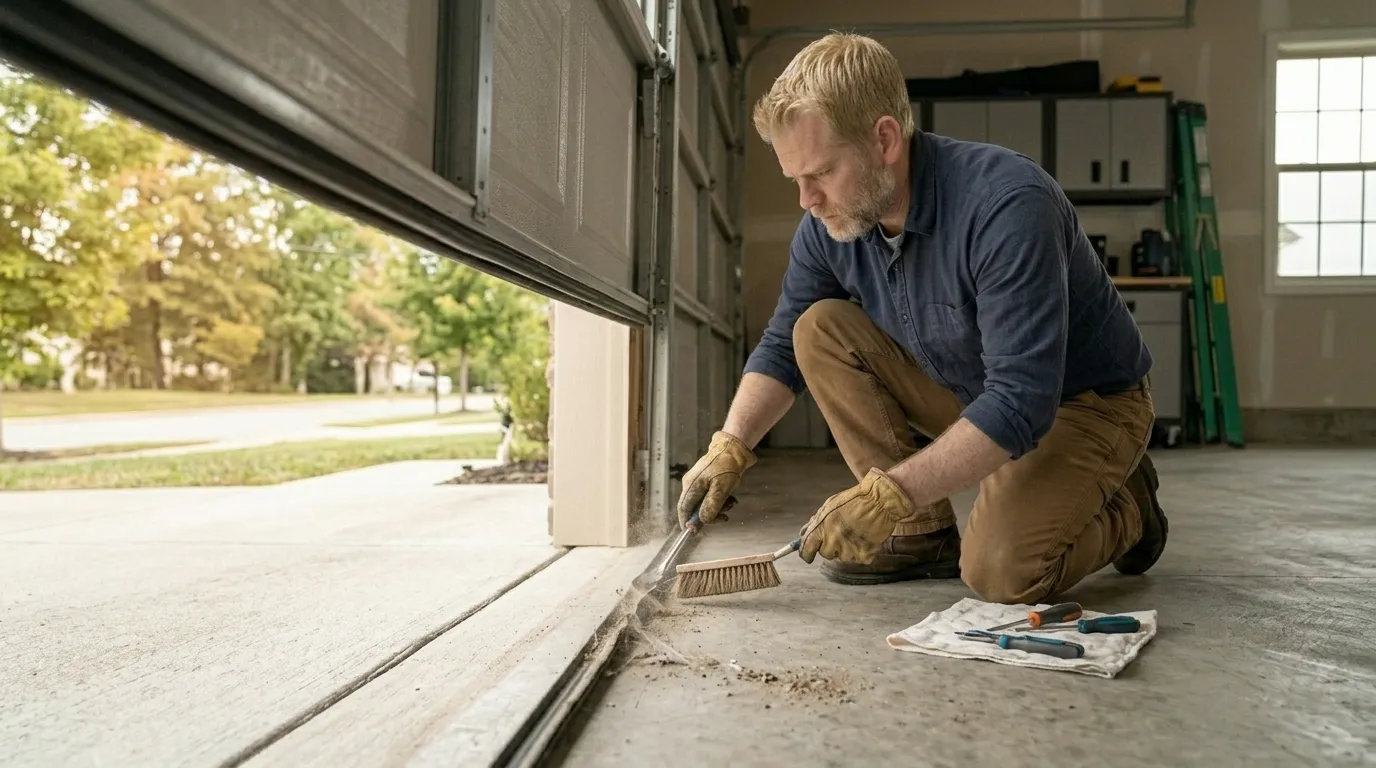
First step is figuring out why the door left the track, not just putting it back. We check the brackets bolting track to the framing, look at whether the rail itself is bent or just loose, and check the cables and rollers riding in it. On the 1988-median stock common in Clarkdale, that often means re-securing brackets that have backed out over the decades and replacing rollers that have gone out of round.
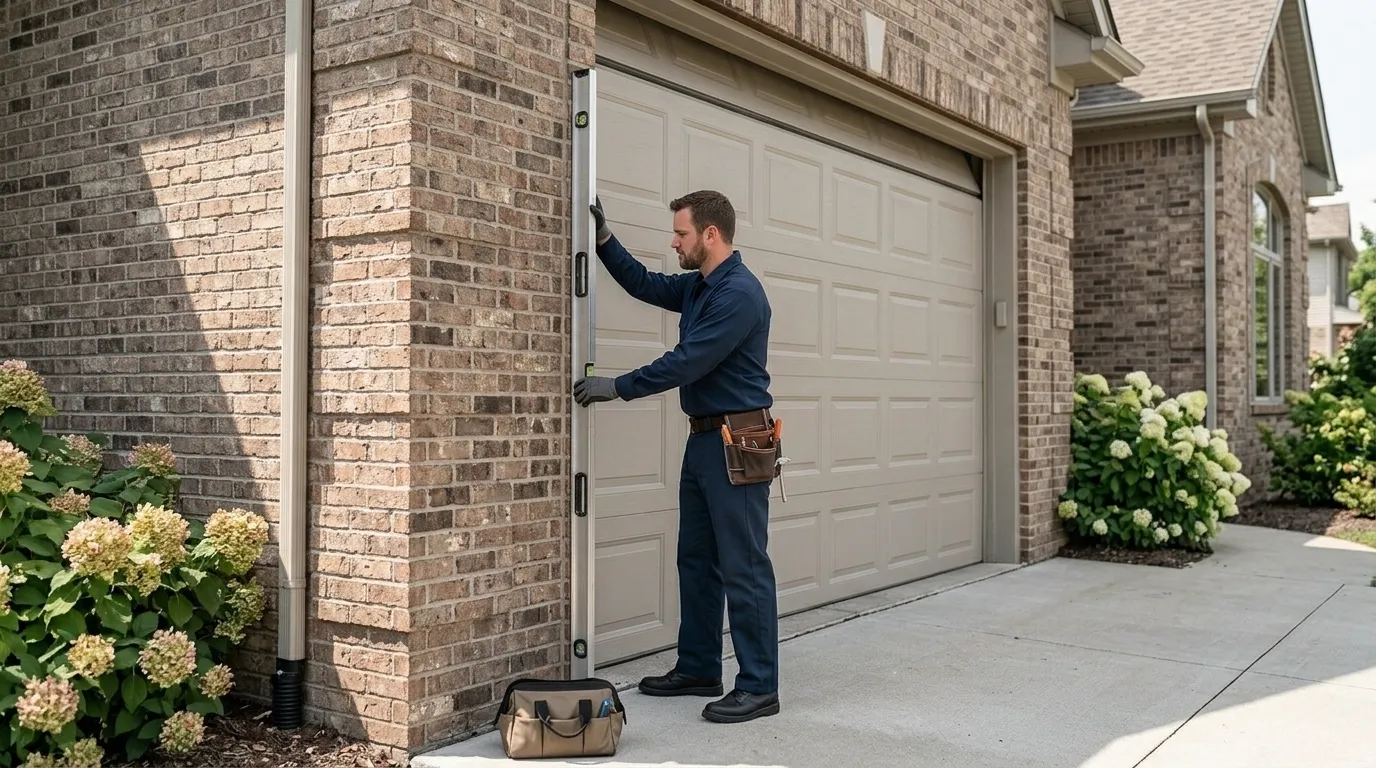
If the track is bent, we replace the damaged section rather than bend it back - a bent rail that's been straightened once is thinner at the bend and fails again there. Once the new or repaired track is set, we re-square it against the door before letting it run, then cycle the door several times under load to confirm the rollers track straight and the cables sit in their drums correctly. Median household income here runs lower than the wider service area, which is part of why we replace only the section that's damaged rather than the whole rail when the rest of the track is sound.
How Long It Takes
A straightforward reset - a door that slipped a roller and needs the bracket re-secured - usually runs under an hour once the truck is on site. A bent-track replacement takes longer, since it means pulling the damaged section, fitting new track, and re-squaring the whole assembly against the door before it's safe to run again.
Because the job comes out of Prescott Valley, 18 miles from Clarkdale, we don't quote a same-day arrival window here the way we might for a closer stop. Once we're on site, though, the repair time itself doesn't change based on distance - it comes down to whether the fix is a reset or a rail swap, and we'll tell you which one it is before we start.