
Can You Do This Yourself
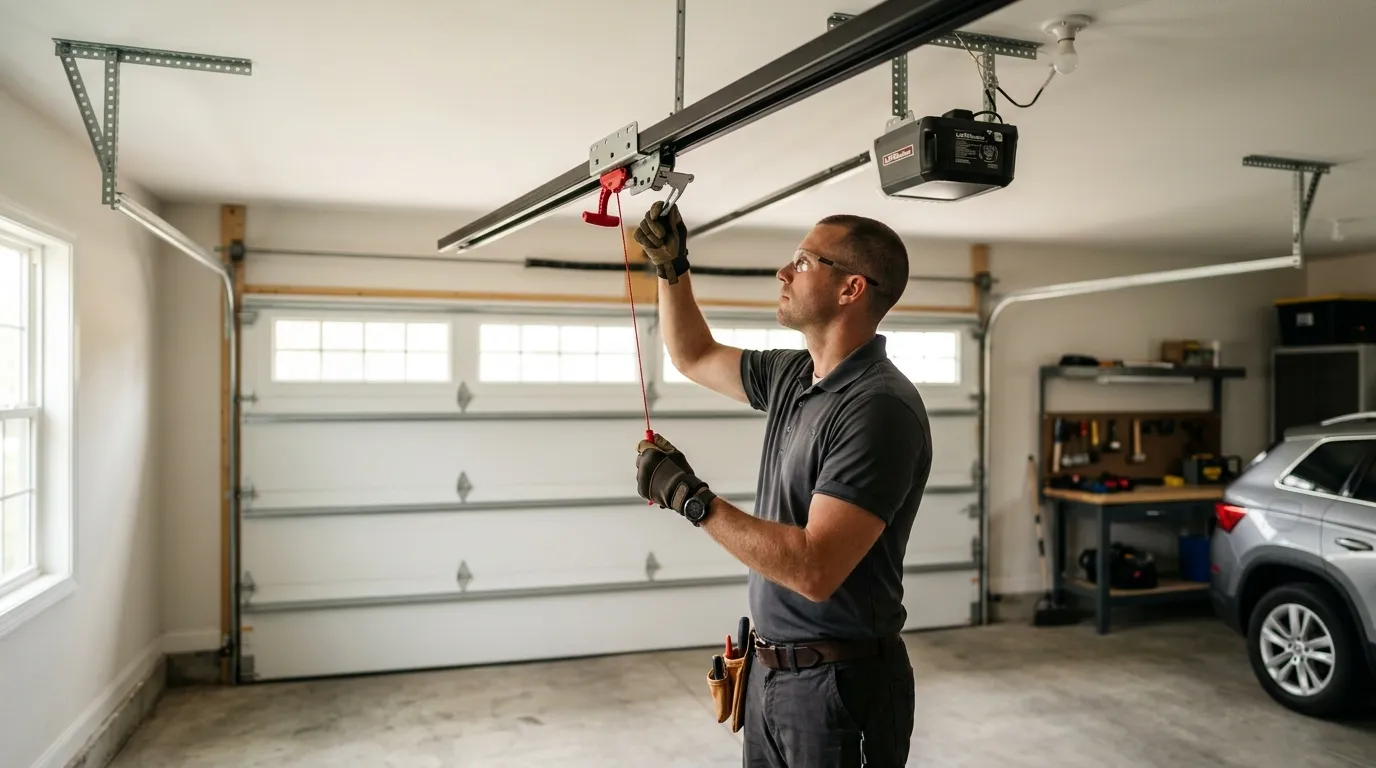
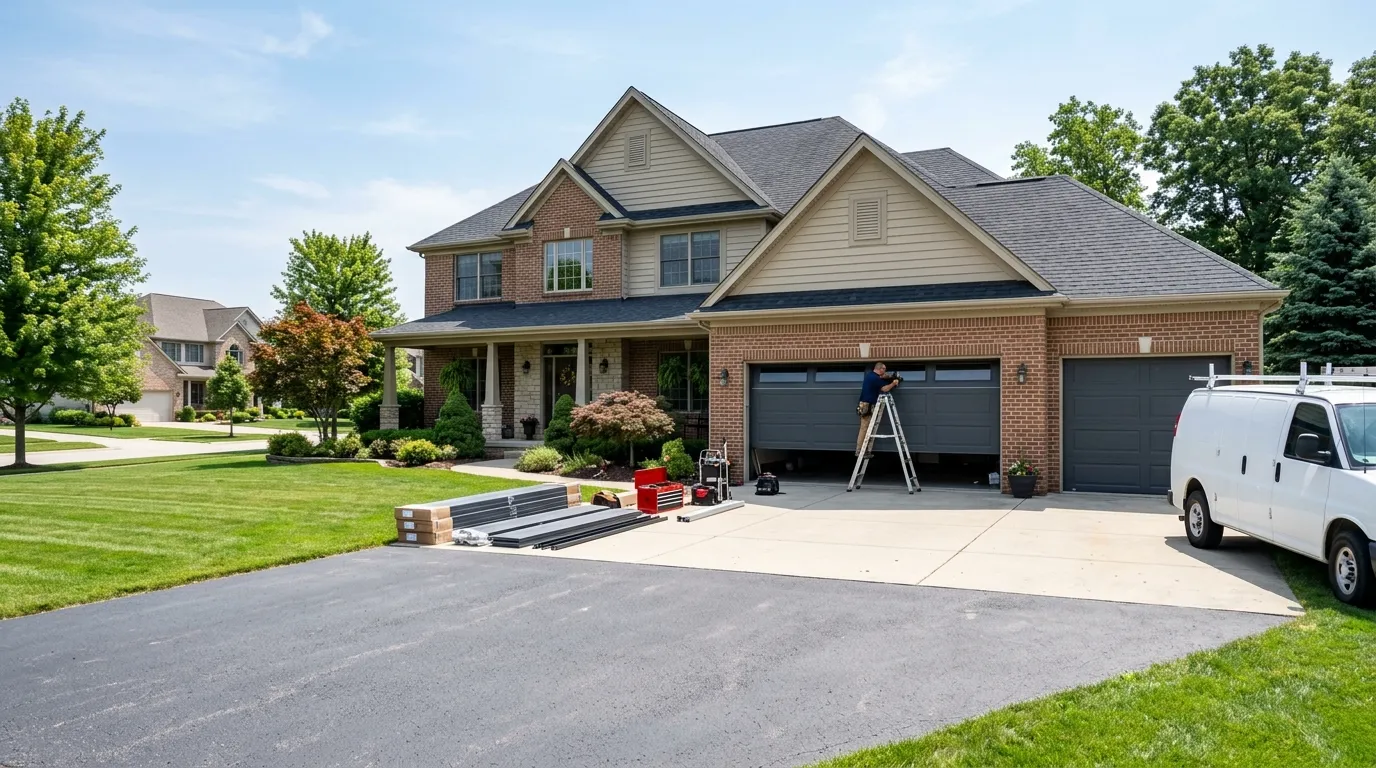
Swapping a garage door opener sounds like a weekend job, and on paper it is: unbolt the old head unit, run new rail, wire the wall control. Where it goes wrong in a Mayer garage built around 1987 is the header. These openers were mounted to framing that was never sized for today's heavier belt-drive units, and the original bracket holes don't line up with new mounting templates. You end up drilling into wood that's been drying out for over three decades, and if you miss the stud, the whole unit sags under its own weight within a season. Add in a door that's original to the house - heavier steel, older hinges, more resistance on the track - and you're asking a new opener's motor to fight a door that was never balanced for it. If you're comfortable with a stud finder, a multimeter, and re-tensioning a chain, you can do a straight swap on a door that's already in good shape. If the door binds, drags, or the springs look original, hire the balance check first. A new opener bolted to a door that's out of balance just burns out faster.
How Long It Takes
A straightforward head-unit swap, where the header framing checks out and the rail lines up, runs about two to three hours once we're on site. Add another hour if the door itself needs a spring or cable check first, which is common on houses from this era that haven't had the hardware touched since it was new. Because we're coming from Prescott Valley, 13 miles out, we schedule the drive time into the visit rather than the labor - you're not billed for the road. What stretches a job past that window is usually the header again: if the original ceiling framing needs a doubled-up brace to hold a modern opener's torque, that's extra time and extra material, and we'll tell you before we cut into anything. We don't pad the estimate to cover for it - we just flag it up front if the framing looks marginal when we get eyes on it.
What the Fix Involves
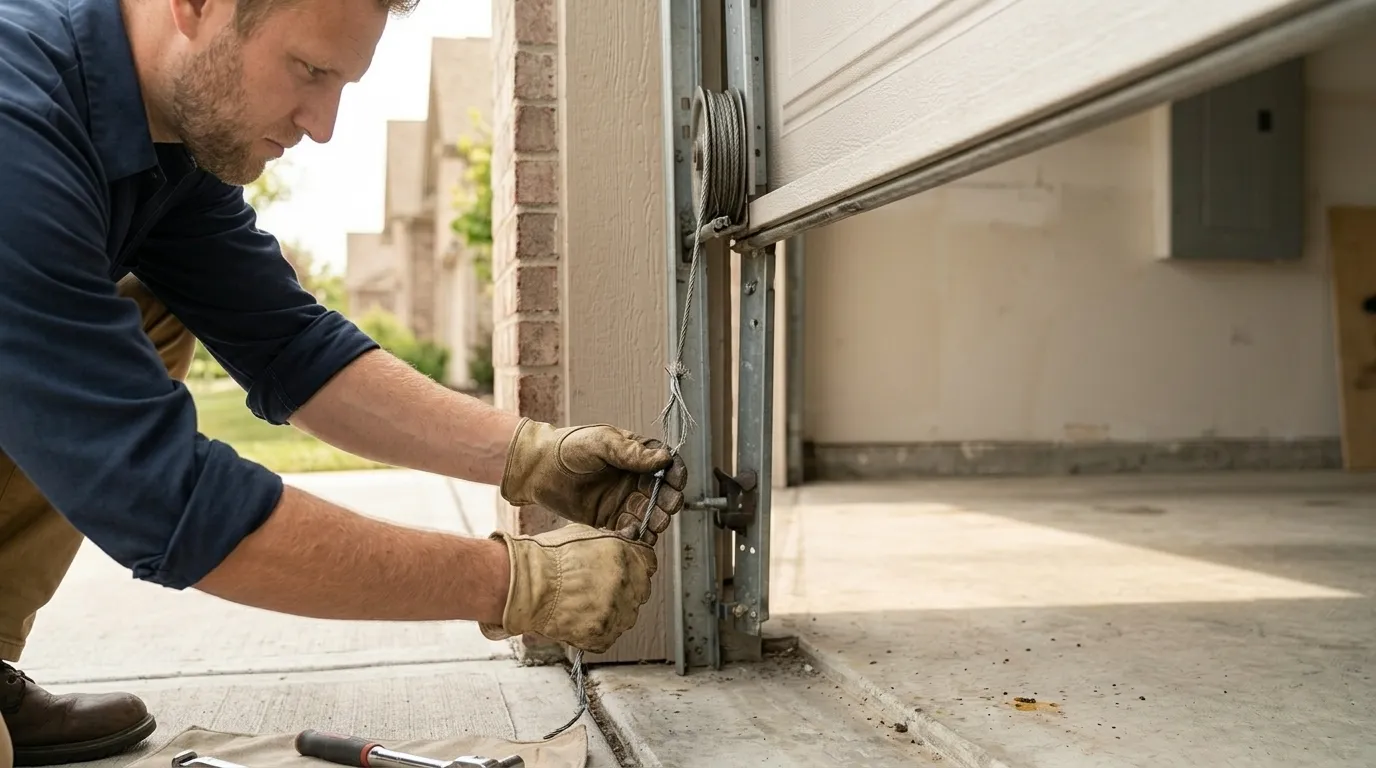
On a typical Mayer install we start by checking the door's balance before touching the opener - a door out of balance will strip a new motor's gears inside a year, and on houses built around 1987 that's a real risk since original springs are rarely re-tensioned. Once the door swings freely under its own weight, we mount the head unit, run the rail, and set the travel limits so the door seats fully without slamming the floor or straining at the top. We wire in the wall control and the photo-eye safety sensors, test the auto-reverse function, and program the remote and keypad. Last step is a cold-start test if the garage is unheated - the motor needs to pull the door smoothly on a 30-degree morning, not just in the shop where we prep the unit. If the header framing can't take the mounting load as-is, we brace it before the opener goes up, not after.
Booking a Visit
We come out from Prescott Valley to handle opener installs across Mayer and don't keep a branch or crew based in town, so every visit is scheduled around the drive. Tell us the age of your door and whether the opener currently works at all - that shapes whether we bring a straight swap kit or come prepared to check springs and cables first. See our service area page for the other towns we cover on the same routes, or check the Prescott Valley opener installation page if you're closer to town and want the fuller rundown of what we install.